







Read More











Kyle Kennedy, granddaughter of Robert F. Kennedy, dies at 42
22-10-2026 04:11 HKT

Late police constable Chu Chun-kwok to receive full honors funeral on Fri
22-10-2026 15:33 HKT
Apple’s debut foldable smartphone, the iPhone Duo, has run into widespread reports of hardware failures just 1 day after hitting store shelves on Friday. Retailing from more than HK$17,000 to nearly HK$28,000, the device stands as the most expensive handset in the company's history.
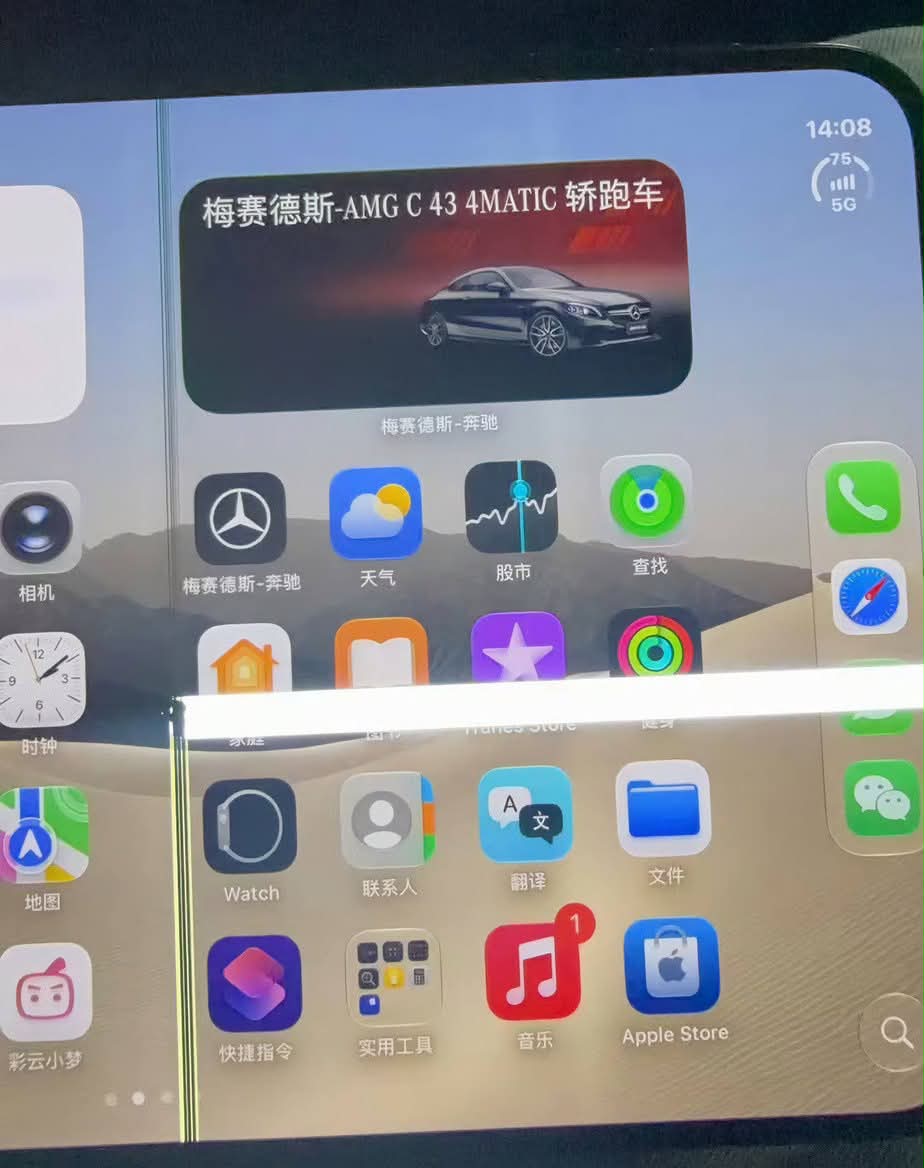
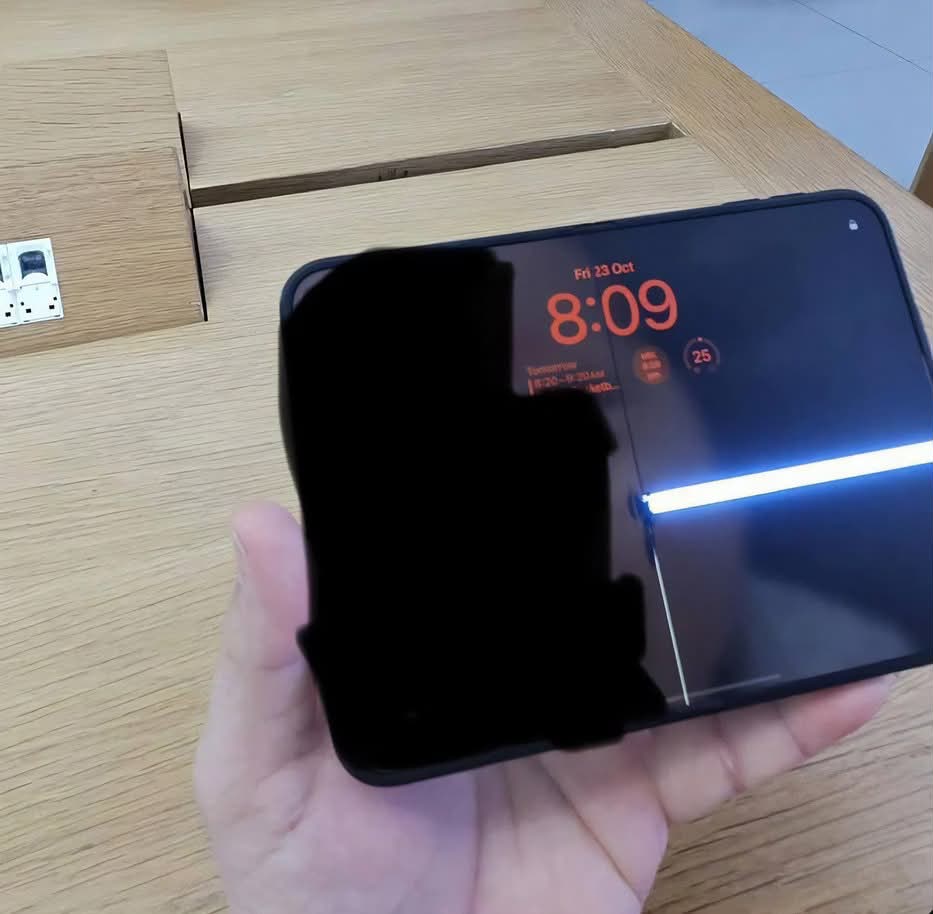
Despite immense anticipation, early adopters across global markets reported encountering severe display defects shortly after unboxing their new devices, including thick black lines cutting vertically across the inner screen along the hinge crease and rectangular white digital artifacts appearing on display panels.
According to complaints circulating on international discussion boards and social media platforms, the malfunctions appear centered on the handset's internal flexible display panel.
Several users reported hearing faint, abnormal clicking sounds emanating from the mechanical hinge after folding and unfolding the phone only a handful of times, followed immediately by distinct fractures and severe color distortion running down the central folding seam.
In at least 1 reported case, an affected owner brought the defective unit directly to an Apple Store, where retail staff provided an immediate replacement with a brand new handset rather than requiring the customer to wait for formal repairs.
Similar grievances have surfaced across mainland China, where shoppers posted images and video clips from Apple retail outlets showing demo units and newly purchased handsets exhibiting identical damage along the center fold.
The visual evidence indicates that devices in Asian markets are suffering from the same structural cracking and display corruption reported by Western buyers.
The sudden surge in screen breakdowns has raised concerns regarding manufacturer repair liabilities.
Under Apple's standard 1-year limited warranty, material or manufacturing defects occurring under normal operating conditions qualify for warranty coverage and free servicing. However, should technicians attribute screen damage to accidental impacts, external squeezing, or unauthorized handling, customers could face out-of-warranty repair fees.
Official service price schedules show that replacing an inner display module on the iPhone Duo costs HK$8,749, leaving users who are denied warranty claims facing steep repair bills.

Francis Fong Po-kiu, the honorary president of the Hong Kong Information Technology Federation, explained that cracks and display artifacts along the crease likely reflect structural engineering compromises inherent to first-generation foldable hardware.
Fong noted that Apple's design team had to strike an intricate balance between chassis thickness, hinge torque, crease concealment, and internal stress buffering without the benefit of multi-generational market testing.
Because assembly tolerances and stress distribution margins were designed very tight to achieve an ultra-slim aesthetic, minor manufacturing variances in specific production batches could easily trigger structural failures at the crease, where mechanical tension is highest.
Fong also highlighted that flexible OLED panels and ultra-thin glass layers are exceptionally vulnerable to localized shear stress.
Longtime smartphone users accustomed to rigid glass screens frequently operate devices with one hand from an outer corner or open and snap shut the handset with excessive speed and force.
Such asymmetrical mechanical pressure creates severe stress points at the hinge junction, severing internal display circuits and inducing microscopic fractures in the ultra-thin glass that quickly spread across the screen.
To safeguard the delicate hardware, Fong advised consumers to open the device gently using both hands to distribute pressure evenly along the hinge mechanism rather than forcing the screen from a single edge.
He also urged users to check that the screen surface is completely free of dust and hard particles before closing the device, warning that trapped debris could puncture the flexible panel and necessitate costly replacements.