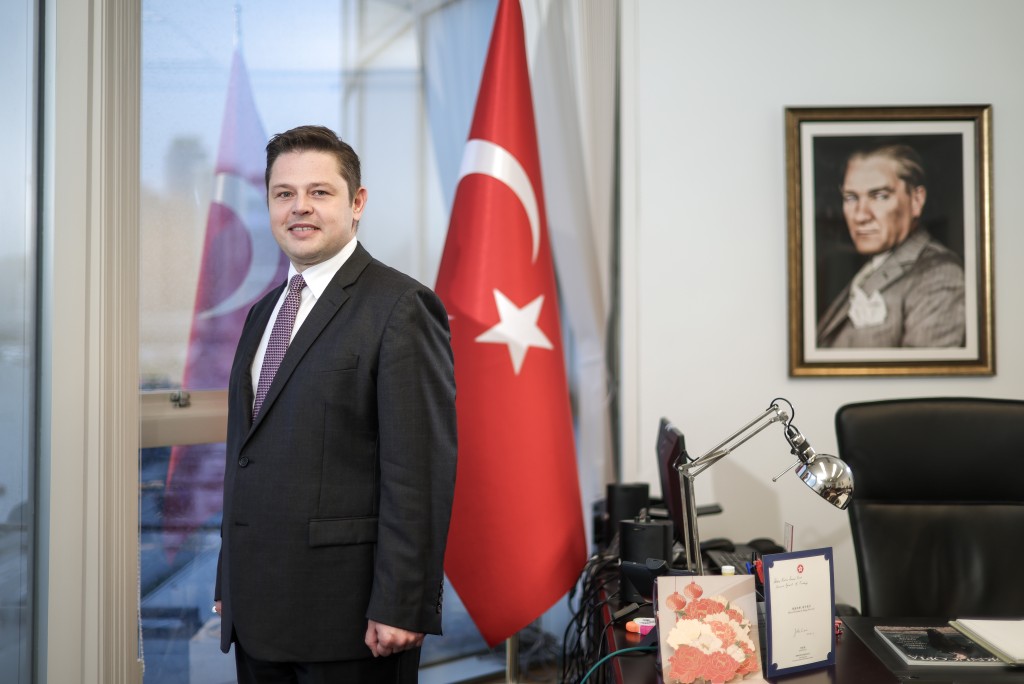
As the Istanbul Finance Center gathers pace and a major Turkish lender sets its sights on Hong Kong, Turkiye is positioning itself as a bridge between Europe and Asia, with Consul General of the Republic of Turkiye in Hong Kong Kerim Sercan Evcin highlighting a focus on complementary ties.
The country's name has been changed from Turkey to Turkiye, officially spelled with a U-umlaut rather than the standard letter U, following a request to the United Nations in 2022. Located at what Evcin calls "one of the world's most strategic geopolitical crossroads," it serves as both a super connector and a super value-adder, similar to Hong Kong.
With Central Asia growing into a EuroAsia hub, the consul general does not see competition but alignment. Drawing on his posting in Tashkent from 2018 to 2021, he described relations between Turkiye and Central Asia as "very close" and "exceptional."
Hong Kong, he argues, strengthens Turkiye's position even further.
"In many respects, I see Hong Kong as a gateway to China and Asia, while Turkiye serves as a gateway to Europe and its wider neighborhood," he said, noting that Turkiye has been an almost three-decade member of the EU Customs Union.
This complementarity extends to finance. With the Istanbul Finance Center opening in 2023, Evcin sees scope for cooperation with Hong Kong as a global financial hub. "The relationship between Hong Kong and the Istanbul Financial Center can become a model for how regional financial hubs cooperate in the 21st century – by connecting markets rather than competing for them."
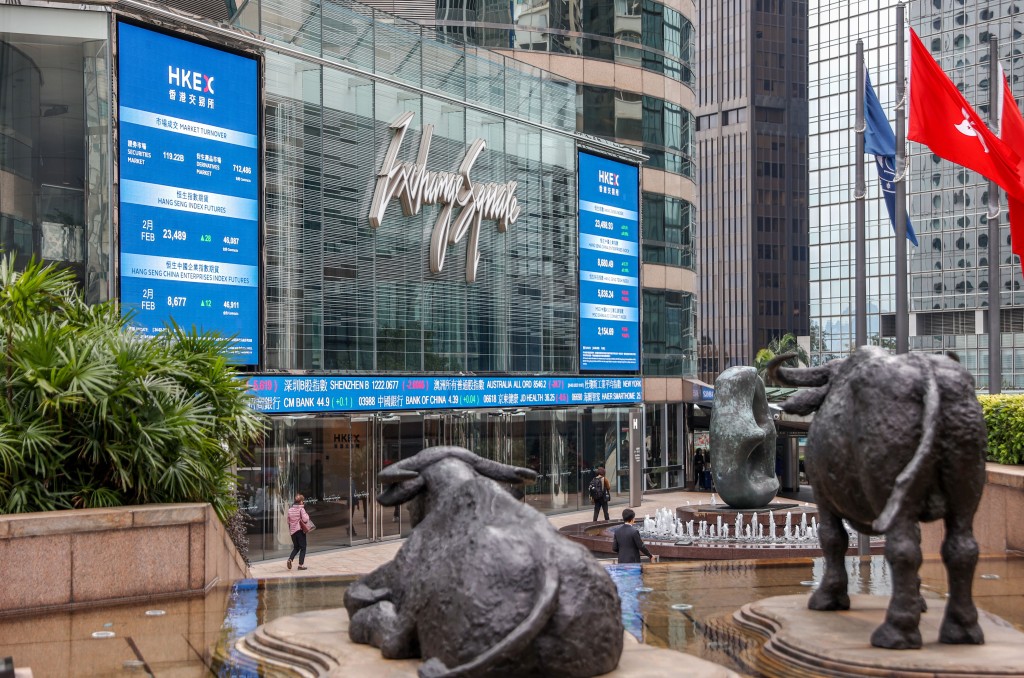
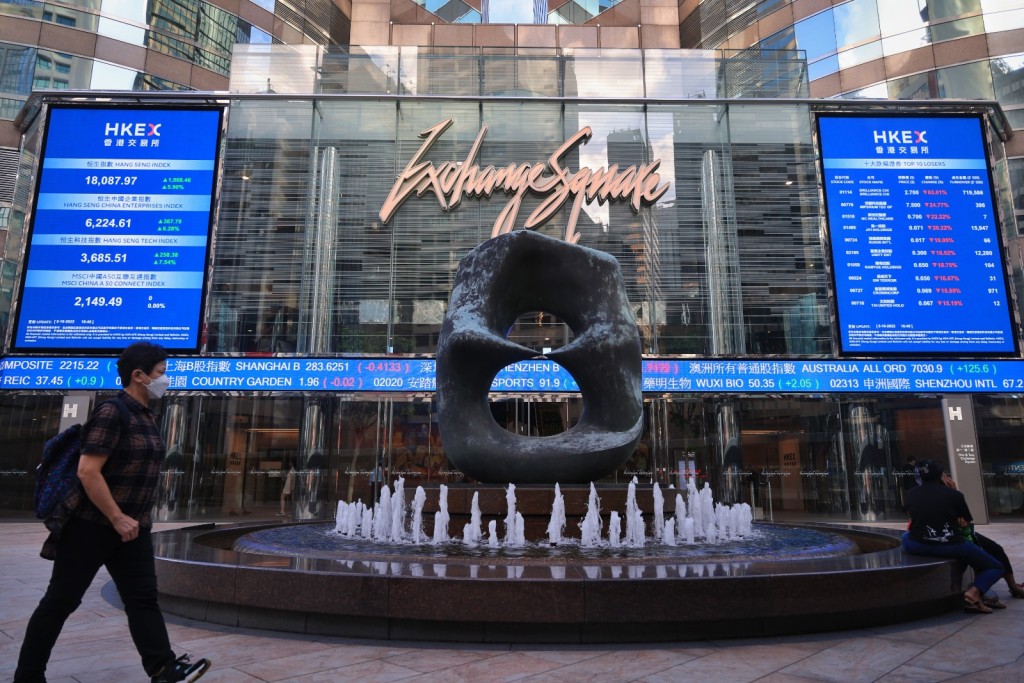
There are currently no Turkish firms listed on the Hong Kong Stock Exchange, but that may change soon. The country's largest private bank, Turkiye Is Bankasi, is preparing to establish a branch in the city. "This development will represent far more than the arrival of another financial institution," Evcin said, noting that the move could pave the way for more Turkish companies to tap Hong Kong's capital markets, potentially leading to initial public offerings.
Hong Kong remains a key trading partner for Turkiye, with jewelry and precious metals topping bilateral trade.
Food is also emerging as a major growth area, the consul general said, citing Turkiye's strength in high-quality agricultural and organic produce.
Natural stone is another area of strong potential. Home to about 40 percent of the world's marble reserves, Turkiye is well positioned to support projects such as the development of the Northern Metropolis – whether in interior architecture, facades, or landscaping – with Evcin saying Turkiye could play a part in supplying its future endeavors.
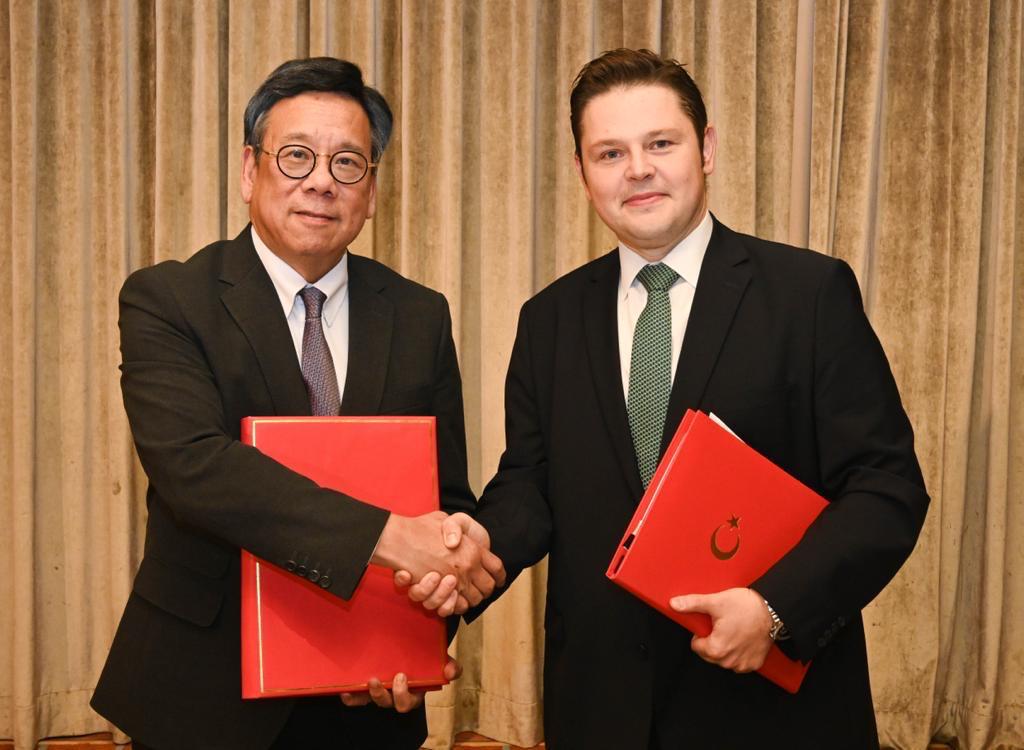
The relationship is also being reinforced in policy. This year's signing of the Investment Promotion and Protection Agreement and the Agreement for the Avoidance of Double Taxation is expected to open new opportunities between Turkiye and Hong Kong, benefiting investors on both sides. Evcin said these agreements will make cross-border investment even more efficient.
More broadly, China and Turkiye have long sought to realize transcontinental ambitions. The two nations signed a memorandum of understanding in 2015 for their potent trade routes.
"Before the Belt and Road Initiative was announced, Turkiye had already articulated its vision of strengthening East-West connectivity through the Middle Corridor," Evcin said, referring to the Trans-Caspian International Transport Route, noting the two initiatives complement one another.
But expanding air travel is of utmost importance to take East-West connectivity to the next level, Evcin stressed. He shared that when he first came to Hong Kong, there were only six scheduled direct flights per week; today, Turkish Airlines offers two scheduled direct flights daily. He expressed hopes that local carriers would also consider offering direct flights to the country.
Secretary for Commerce and Economic Development of Hong Kong Algernon Yau with Kerim Sercan Evcin at the signing ceremony of the Investment Promotion and Protection agreement.
Rich Turkish heritage in historic dialogue with China
From the aromatic brewing of Turkish coffee to the intricate crafting of the blue eye amulet, Turkiye boasts an "extraordinary wealth of cultural heritage," Kerim Sercan Evcin said, noting that more than 30 elements were inscribed by Unesco.
To Evcin, the amulet, also known as nazar boncuğu, is just a small window into the great gems in Turkish culture. He points to ebru – marbling art, where floating paint in liquid is transferred onto paper or fabric to create patterns – and Hereke silk carpets finely hand-knotted by craftsmen.
"Just as Chinese civilization offers an immense wealth of traditions, customs, and cultural symbols shaped by different periods of its long history, Turkiye possesses an equally rich cultural heritage," he said. "Many of these traditions reflect the centuries-old cultural dialogue between Turkiye and China."
Those links are profound and tangible. Evcin takes çay – Turkish for "tea" – as an example of shared heritage. Tea drinking is central to both China and Turkiye, with the latter upholding the highest per capita tea consumption in the world. The widely cherished beverage remains a cornerstone of Turkish hospitality.
"Welcoming guests with a warm cup of tea or coffee is one of our oldest social traditions, and remains an integral part of everyday life in Turkiye."
The making of çini, which takes its name from the Turkish word for "China," is also historically tied to the mainland. He said the craft reflects the Ottoman world's deep admiration for Chinese porcelain and traces the ceramic history of Anatolia. To Evcin, the shared history between China and Turkiye is "a beautiful reminder that cultural exchange between our two ancient civilizations has flourished for centuries."
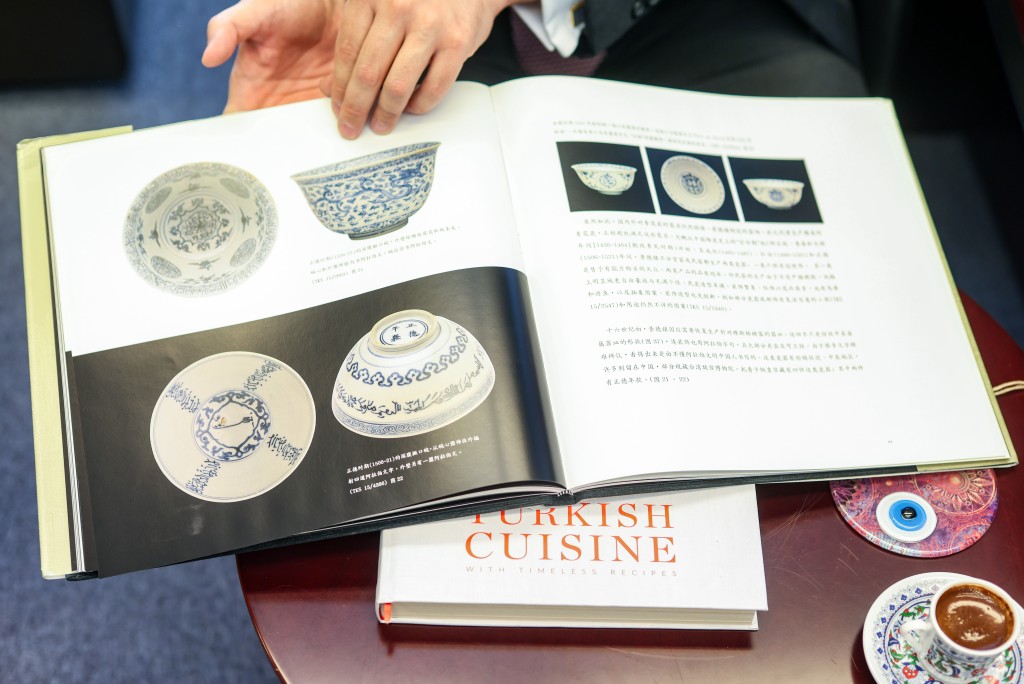
That connection is preserved in Istanbul's Topkapi Palace Museum, which houses over 10,000 pieces of Chinese porcelain from the Yuan, Ming, and Qing dynasties. This legacy offers further potential for collaboration between museums in Turkiye and Hong Kong.
However, Evcin believes art extends beyond ancient collectibles and into more innovative, forward-looking forms. This autumn, the M+ museum will display Turkish media artist Refik Anadol's Winds of Hong Kong, which uses artificial intelligence to interpret the city's wind patterns in real time. Describing Anadol as "a global artist in AI and data-driven art," Evcin encouraged audiences to interpret the site-specific work in person.
Chinese porcelain has been exhibited at Topkapi Palace Museum in Istanbul, Kerim Sercan Evcin shares.
Hong Kong's unique dynamism: from horse racing to halal tourism
Three years ago, Kerim Sercan Evcin arrived in Hong Kong to begin his tenure as consul general. As his posting draws to a close, his family of four – his wife and two sons – would be incredibly upset upon leaving the "lovely city," he says.
"My family and I have always seen Hong Kong as our second home," he shared. "This lovely city … embraced us with open arms."
To Evcin, every district contributes to the spirit of Hong Kong. He has widely explored the city, taking in its "strong dynamism" that spans visits to the wet markets of Sham Shui Po to weekend excursions in Stanley.
"I will miss Hong Kong's unique spirit."
Wednesdays and Sundays at the racecourse will be a dynamic part of Hong Kong life that Evcin and his wife will look back on. Evcin explains that horses hold a special place in Turkish culture: "The horse had been an indispensable figure of nomadic life, especially for Turkish tribes in early history."
Hong Kong's horse racing scene, meanwhile, continues to draw attention. The 2025/26 season has attracted strong international interest, with the Year of the Horse Raceday on February 19 bringing in more than 20,000 tourists.
Evcin believes the sport adds a distinctive character to Hong Kong’s lifestyle, describing it as a "motif of the community." He recalls the consulate's screening last August of Champion, a film about Bold Pilot, a legendary Turkish racehorse.
As his tenure draws to a close, Evcin reflects on what he describes as a period of deepening cooperation between Turkiye and Hong Kong, which has extended to growing collaboration in museums and artificial intelligence-driven art.
Regarding the Q Mark Halal Scheme, Evcin said Turkiye has been boosting halal tourism for years and seeks to cooperate with Hong Kong on this initiative. The city saw visitor numbers soar to 26 million in the first half of the year. Meanwhile, as the world's fourth most-visited country, Turkiye is well placed to partner with Hong Kong, which Evcin described as a "global magnet."
The consulate has also built on the budding halal ecosystem in Hong Kong. It co-hosted Iftar dinners – where Muslims break their daily fasts during Ramadan – with the Mira Group last year and this March for more than 200 people including businessmen, officials, and artists to share halal cuisine and experience the tradition of breaking fasts.
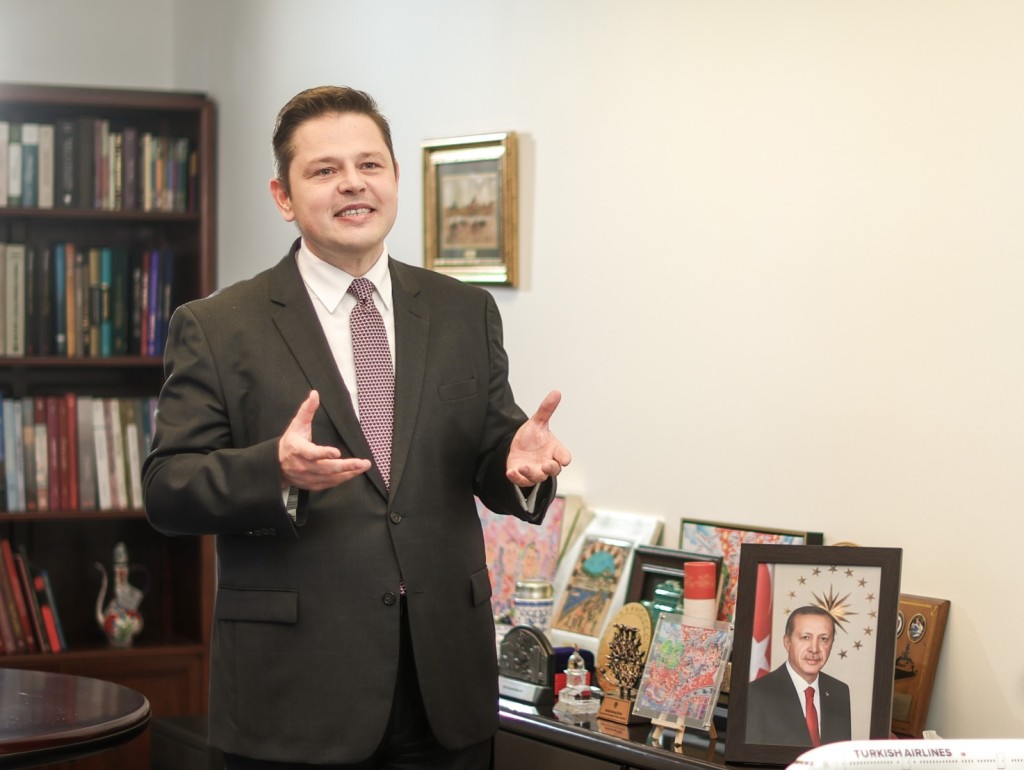
Kerim Sercan Evcin will miss Hong Kong's unique spirit.