Read More
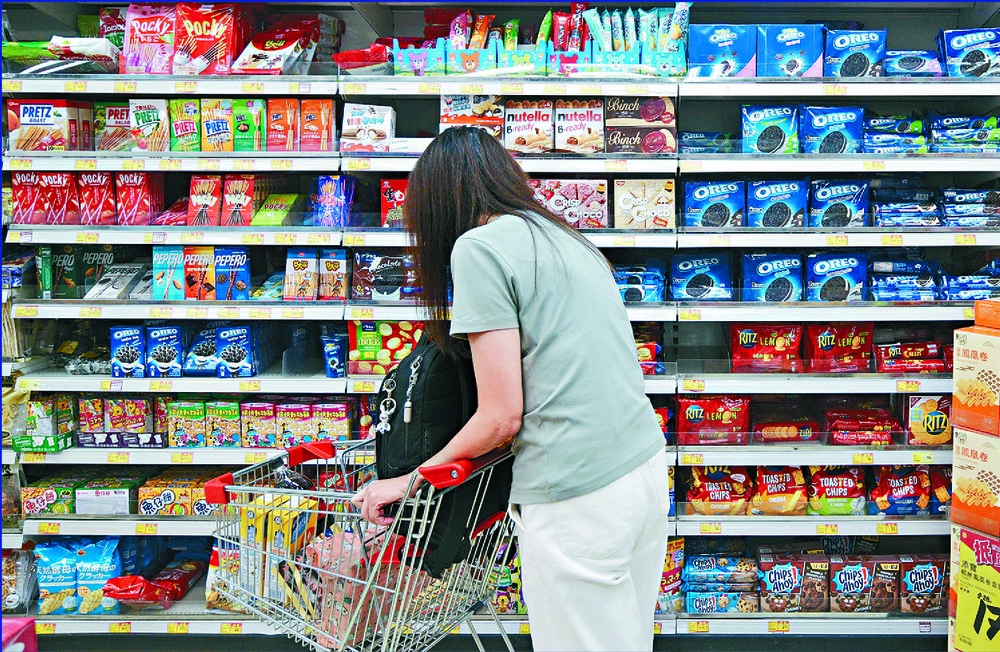
Ayra WangThrough its "Online Price Watch" site, the council surveyed 62 products that had volume or weight changes from January 2021 to July this year, including food items, daily necessities and pet food.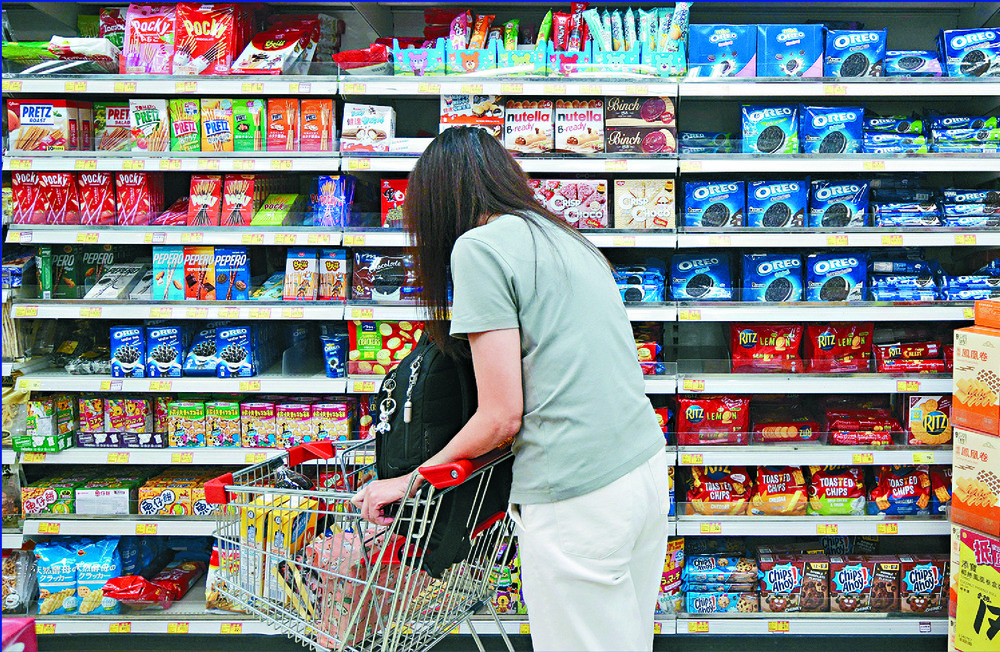
Shrinkflation is for real in Hong Kong as the Consumer Council has found that over 90 percent of supermarket products have shrunk in volume or weight by as much as 30 percent.
ADVERTISEMENT
SCROLL TO CONTINUE WITH CONTENT
A total of 58 products - or 93.5 percent - had been downsized by 1.3 to 30 percent, among which 25 items had been reduced by 10 percent or more.
"In recent years, there have been cases in various parts of the world where the volume of food items and daily necessities were reduced while shelf prices remained unchanged," said Victor Lam Hoi-cheung, chairman of the council's publicity and community relations committee.
Lam said this "shrinkflation" is also becoming common in Hong Kong, but consumers may not be able to realize it is already happening.
Shrinkflation is when companies keep prices the same, but give you less of their products.Kellogg's cornflakes took the crown for lost weight, shrinking from 250 to 175 grams, followed by Tulip's 10 hot dog skinless sausages going from 250g to 200g or 20 percent lighter.
The council also found that the weight of three products was slashed twice within three years, including two types of Oreo biscuits and Friskies dry cat seafood sensations.The weight of the cat food was cut from its original 1.2 kilograms to 1.1kg, then further reduced to 1kg or a total of 16.7 percent.
By product category, the council said the most common types of downsized goods were confectionery, biscuits and snacks, ranging from 2.3 percent to 17.5 percent.The watchdog also found that 16 products experienced a de facto price increase of over 10 percent if calculated based on the per unit recommended retail prices of the goods.
Among them, McVitie's Club Orange biscuits bar shaved off a piece - from eight to seven - per package, with its weight reduced from 176g to 154g.However, its recommended retail price rose from HK$33.50 to HK$37, making its unit price per 10g increase by 26.6 percent compared to that before the weight change.
In response, McVitie's local distributor said the business decision came amid rising costs of raw materials, logistics, wages and other factors.Lam added that some product agents and manufacturers had also explained their adjustments were to maintain the original price amid higher costs while others said it was to enhance production efficiency.
The council's chief executive Gilly Wong Fung-han urged retailers to proactively display changes and unit prices to enable consumers to make informed purchases.She said overseas countries such as South Korea and France had put control measures in place to protect consumers against shrinkflation, with offenders liable to a fine.
"Hong Kong is an open market importing goods worldwide, so it is more practical that retailers set unit prices than force them by regulation," Wong said.ayra.wang@singtaonewscorp.com