US Congresswoman Yassamin Ansari has called for a pause on advanced AI development, tighter industry regulation and a ban on artificial superintelligence, urging Democrats to make the measures a priority from day one.
The Arizona Democrat made the demand in a post on X, renewing attention on proposed legislation that could impose sweeping restrictions on increasingly powerful AI systems.
"Top of the Democratic agenda on day 1 needs to be a pause on advanced AI development, regulation of this out of control industry, and a ban on artificial superintelligence," Ansari wrote.
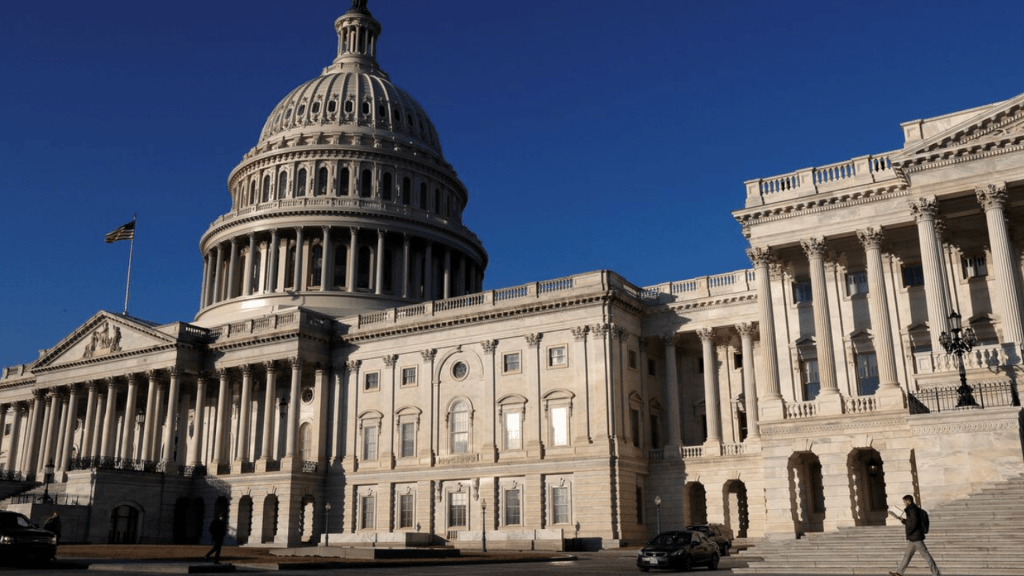
Ansari is among the original lawmakers who introduced the Ban Artificial Superintelligence Act of 2026 alongside Representative Greg Casar, who formally introduced the House bill H.R. 10538 on September 24. A corresponding Senate proposal, S. 5493, was introduced by Senator Bernie Sanders on September 23.
Both bills seek to establish a Department of Artificial Intelligence with authority to oversee advanced AI development and enforce proposed safety requirements. Neither has become law, with the House bill referred to the Committee on Oversight and Government Reform and the Senate version to the Committee on Commerce, Science, and Transportation.
Under the House bill, an advanced AI system is generally defined as one trained using computing power of at least 10²⁵ integer or floating-point operations, with the proposed secretary adjusting the threshold annually.
The bill would impose a pause on covered advanced AI development until the new department was fully staffed and had established required safety rules. During that period, covered systems could not be trained, modified or fine-tuned, and unreleased systems could not be deployed.
The proposed ban defines artificial superintelligence as AI that surpasses human cognitive abilities across most fields or can take actions capable of destroying or disempowering humanity. It would also restrict systems that could help create such AI. Individuals who recklessly breach certain provisions could face fines and up to 20 years in prison, while others could face a 10-year ban from the AI industry.
The proposal highlights a wider disagreement over US AI development. The Trump administration has prioritised domestic AI innovation and fewer regulatory barriers, with Executive Order 14409 rejecting what it calls overly burdensome regulation and ruling out mandatory licensing before new models are released, while including measures to address national security risks.
Supporters of stricter controls argue safeguards are needed before AI capabilities outpace the ability to manage risks, while critics warn slowing US development could weaken competitiveness.