Read More
A significant number of Hongkongers are experiencing poor sleep quality due to stress, according to a study.
ADVERTISEMENT
SCROLL TO CONTINUE WITH CONTENT
The survey conducted by ESDlife found that out of 704 respondents who participated in an online questionnaire, almost three quarters reported unsatisfactory sleep quality.
Over four-fifths suffer from sleep deprivation and express a desire to improve their sleep.
More than half pointed to electronic device usage as a major disruptor, while one-third cited insufficient exercise.
Work-related stress emerged as the primary source, affecting more than three-fourths.
Family and economic reasons were next, with 51 percent and 48 percent of respondents respectively attributing stress to these factors.
The survey also shed light on specific sleep problems. Over 50 percent reported feeling tired when waking up, while more than one-third stated they were easily awakened.
When asked about the key factors for good sleep, a majority emphasized having a quiet environment, being stress-free, and regular exercise.
The survey revealed that 71 percent were unaware of the significance of melatonin.
"Melatonin is a hormone naturally produced by the human body to regulate the circadian rhythm," psychiatrist Raymond Wong Ka-Yau said.
"Its secretion is influenced by sunlight and light levels, increasing after sunset to signal the body to prepare for sleep and decreasing after sunrise to promote wakefulness."
Despite feeling drowsy, nearly 90 percent of respondents admitted to engaging in personal activities and sacrificing sleep time for "me time."
More than half surveyed confessed to using electronic devices before bed.
The survey found that 61 percent of respondents compensate for lost sleep by taking naps. Wong said irregular sleep habits can disrupt natural melatonin secretion.
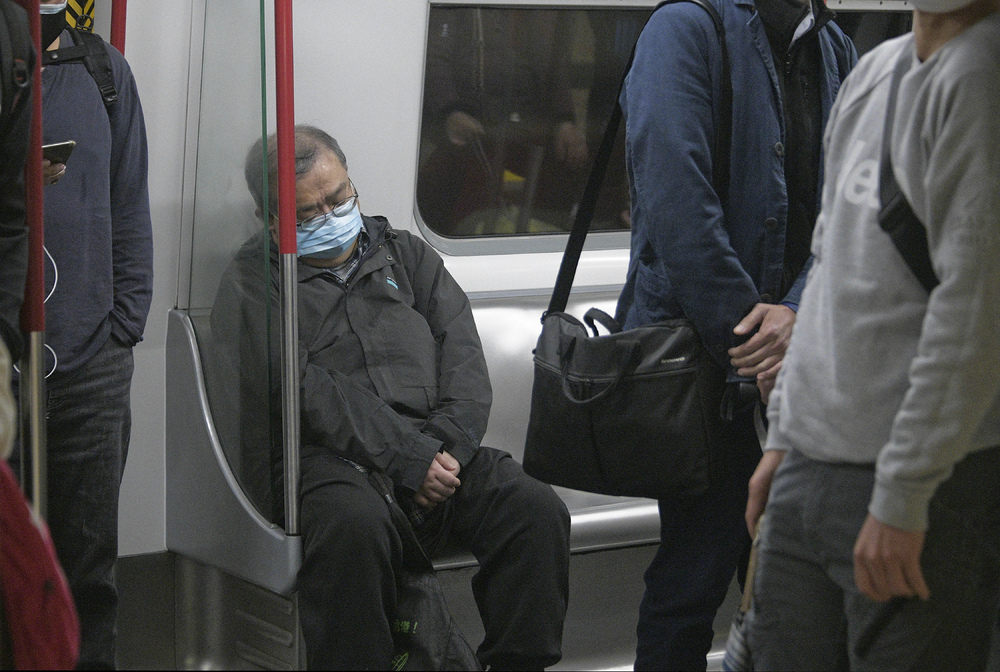
Interestingly, more than three-fourths of those surveyed reported catching up on sleep while commuting, with 40 percent found public transportation more comfortable, with the bus being the most ideal.
To address sleep issues or insomnia, a majority reported making changes, such as reducing electronic device usage and coffee consumption. However, only a quarter indicated that they take nonpharmaceutical supplements to aid sleep.
Registered pharmacist Ian Cheung said: "Melatonin is not a prescription drug and does not cause side effects or dependence."
christine.tang@singtaonewscorp.com
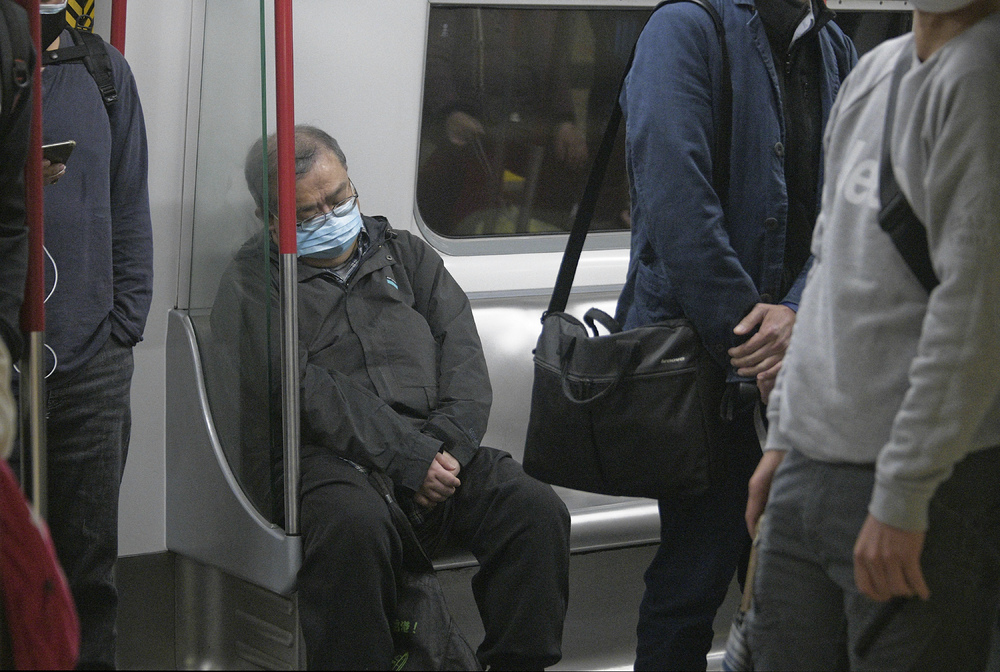
More than 75 percent catch up on sleep during their commute.