Peak-hour journeys between Tseung Kwan O and Yau Ma Tei will be shortened to 12 minutes from next Sunday, after authorities completed about 1,000 system tests on the Central Kowloon Bypass, Secretary for Transport and Logistics Mable Chan said.
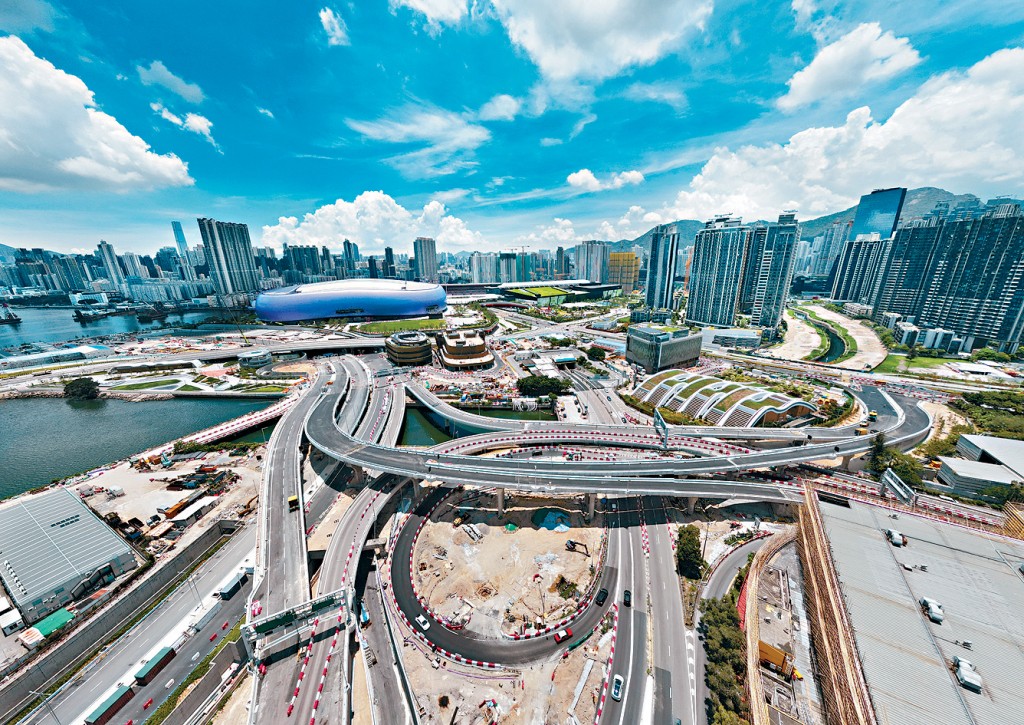
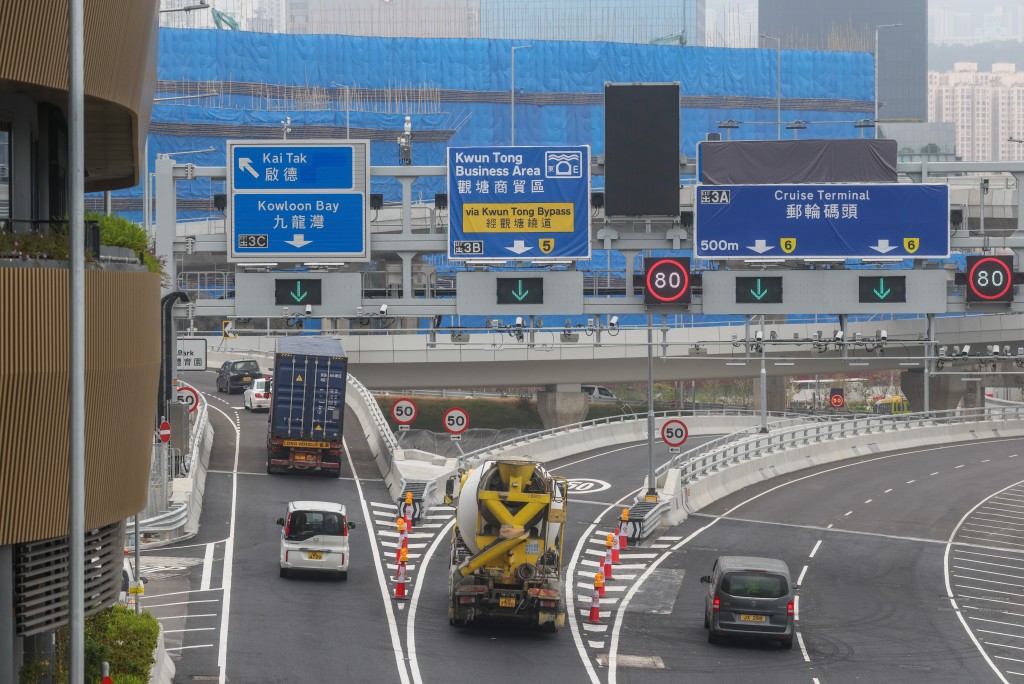
Her remarks come ahead of the opening of the Central Kowloon Bypass’s Kowloon Bay section at 7 am on December 6, completing the commissioning of the roughly 3.4-kilometer, dual two-lane trunk road.
Speaking at a radio program on Sunday, Chan called the section the "final piece" of the project, cutting peak-hour travel from Tseung Kwan O town center from the current 65 minutes.
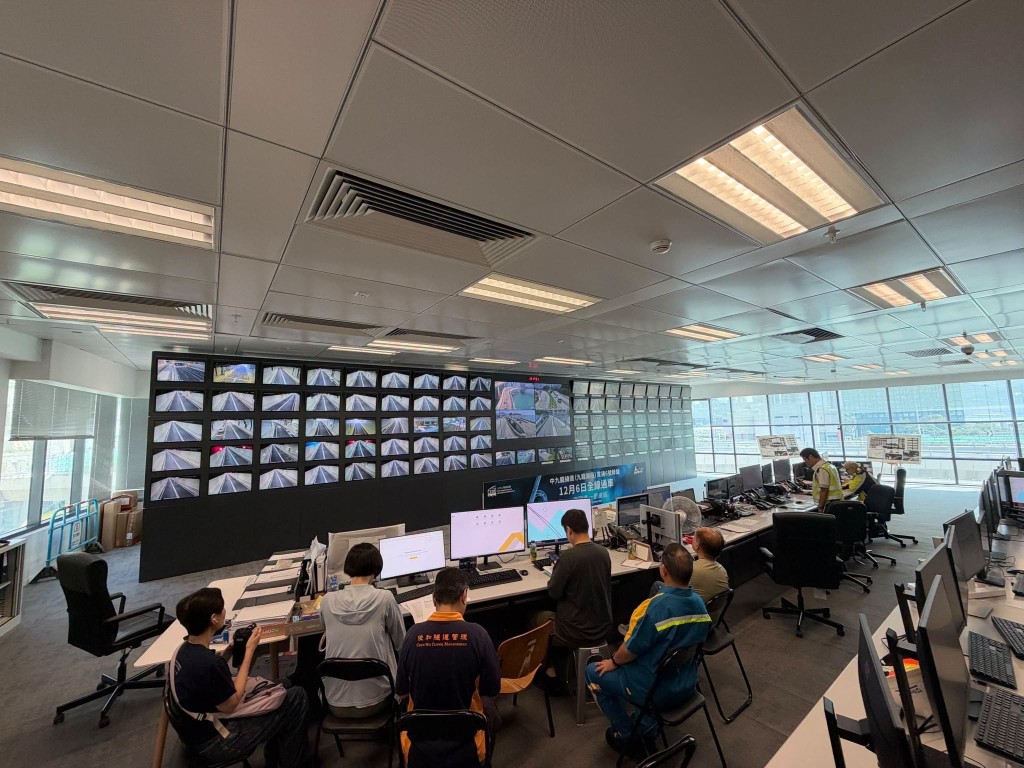
She confirmed that authorities have run about 1,000 tests on the route’s traffic control and surveillance systems, with artificial intelligence helping detect tunnel incidents within 10 seconds.
Pointing to the Yau Ma Tei section that opened last year, she said daily traffic has climbed from about 50,000 vehicle trips to over 76,000, easing peak-hour traffic by 18 percent on Lung Cheung Road and 13 percent on Gascoigne Road.
Alongside a flat HK$8 toll, Chan expects the fully commissioned Kowloon Bay section to reduce traffic on the Kwun Tong Bypass by about 10 percent.
The Yau Ma Tei section is now running at about 75 percent capacity and is expected to reach 85 percent once the Kowloon Bay section opens, leaving 15 percent spare room to ease nearby traffic, she added.
When asked if the tolls would be adjusted, she believes that the current level can keep traffic flowing smoothly.
Turning to public transport, Chan said three bus routes will run through the Kowloon Bay section and the full Route 6, with services adjusted dynamically with bus operators.
Although the westbound Kowloon Bay section passes through Kai Tak without intermediate exits, Chan said drivers can use alternatives including the Tseung Kwan O–Lam Tin Tunnel, Tseung Kwan O Tunnel and Kwun Tong Bypass, where more room on the roads will improve traffic diversion.