





Read More



Morning Recap - November 11, 2026
3 hours ago







Sunset Peak hikers stranded as Pak Kung Au Bus Station swamped by queues
09-11-2026 18:01 HKT


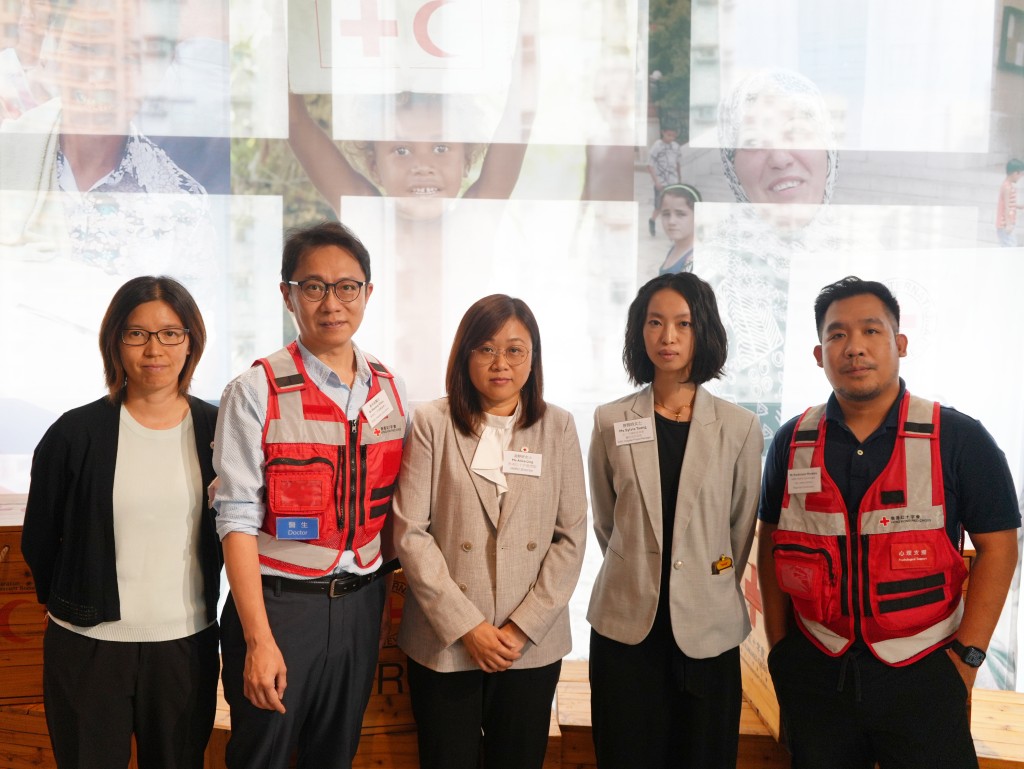
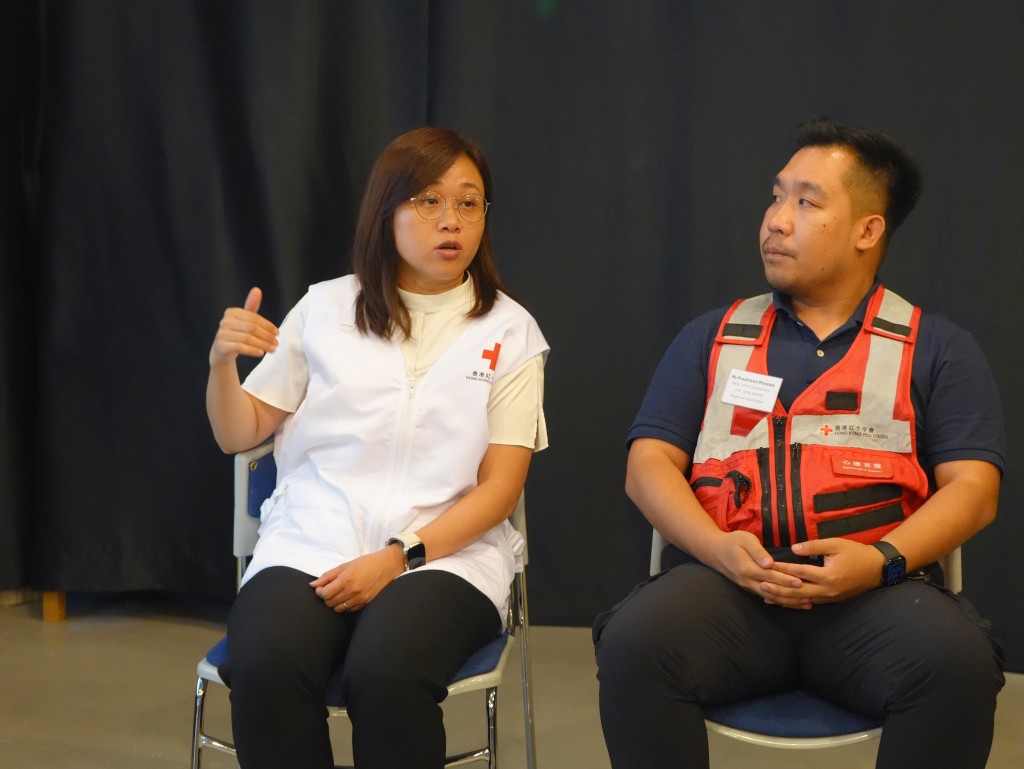
In an era marked by frequent natural disasters and protracted armed conflicts, countless innocent lives face multifaceted threats, demanding global solidarity and immediate humanitarian intervention. The Hong Kong Red Cross (HKRC) recently hosted a media sharing session to bring critical attention to the enduring plight of communities in Gaza, marking three years since the escalation of the conflict, and to shed light on the devastating floods in Nepal. Featuring frontline staff and medical volunteers, the event highlighted their frontline experiences and underscored that communities affected by crises still urgently require continued humanitarian intervention.
Through the close coordination and joint efforts of its three core components, the International Red Cross and Red Crescent Movement addresses global humanitarian crises: the ICRC, which specialises in humanitarian work in armed conflicts and war-torn areas to protect victims and promote international humanitarian law; IFRC, which coordinates disaster relief, emergency responses, and public health crises globally; and National Red Cross and Red Crescent Societies across 191 countries, which act as auxiliaries to public authorities and actively mobilise resources, professional expertise, and medical volunteers to support international and regional relief operations.
Marking three years since its outbreak, the war in Gaza continues to leave widespread displacement and critical humanitarian challenges in its wake, even following the October 2025 ceasefire. Data from the ICRC indicates severe healthcare devastation: out of an initial 34 hospitals, only 19 retained partial operations by the beginning of 2026, while just 3 of the original 8 surgical facilities remained active. Amidst this immense strain, the field hospital in Rafah—run collaboratively by the ICRC, the Palestine Red Crescent Society, and various national societies—provided vital medical support between May 2024 and May 2026, recording upwards of 270,000 patient consultations, 11,900 surgeries, and 1,200 childbirths.
Sylvia Tsang, ICRC Gaza Hospital Programme Manager, detailed the immense operational pressures faced by local medical personnel amidst severe resource shortages. She emphasised the coordination role of the ICRC in aligning international partners, including the HKRC, to optimise medical deployments and resource allocation.
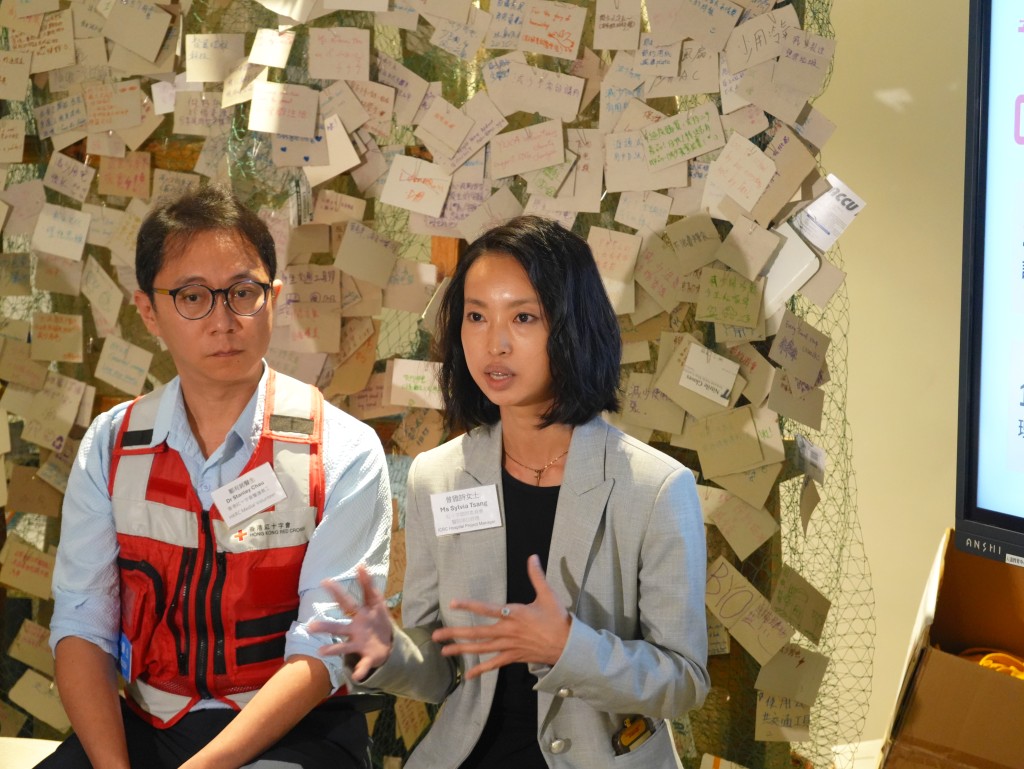
Stanley Chau, an HKRC medical volunteer deployed to Gaza twice, shared his profound frontline observations and a poignant personal encounter. During his first mission, he treated a patient who had suffered severe blast injuries from a bombing. Astonishingly, when Chau returned for his second deployment, he crossed paths with the very same patient at the hospital, who still required regular follow-up consultations. This reunion deeply moved him, prompting a poignant reflection on how the long-term aftermath of war cannot be easily erased. Having treated patients of all ages, Chau noted that casualties suffer not only from physical wounds but also from prolonged trauma, grief, fractured families, and lost livelihoods, making sustained support encompassing rehabilitation, mental health and psychosocial care, and basic necessities vital.
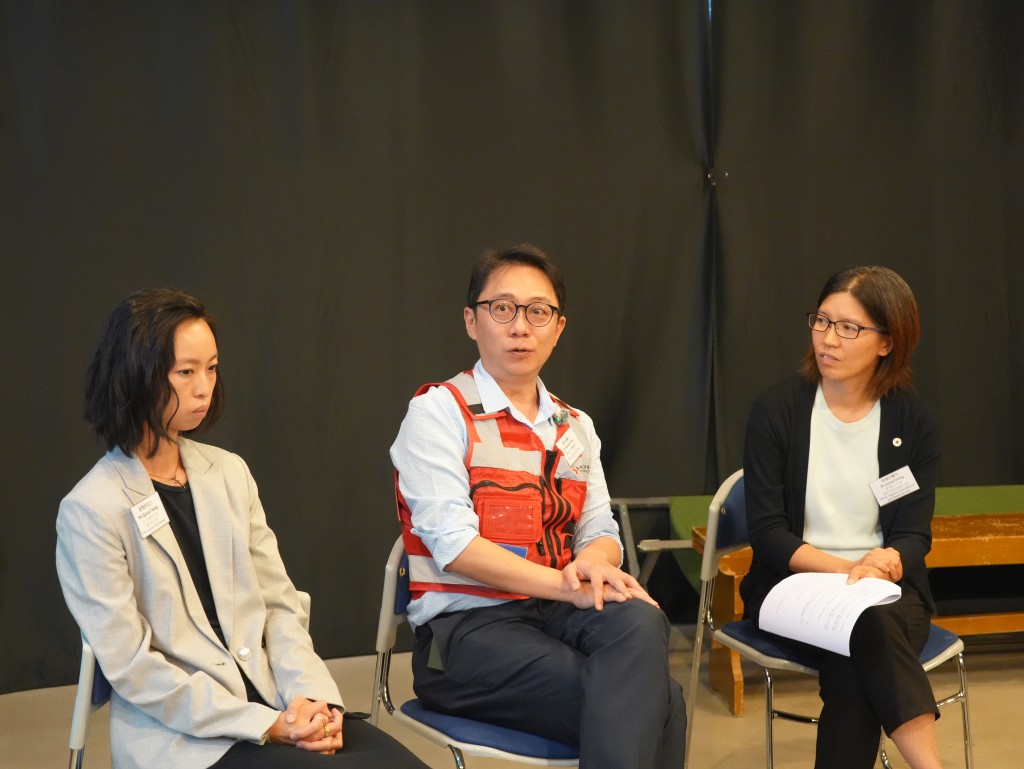
Driven by the coordination of the ICRC and the HKRC, local and international medical teams continue to bridge critical gaps. To date, the HKRC has executed 13 medical volunteer deployments totaling 516 days and allocated over HK$2.9 million to support essential water supply, electricity infrastructure, and medical services.
Severe monsoon floods and landslides struck Nepal on 26 August 2026, causing widespread devastation. According to the IFRC and the Nepal Red Cross Society (NRCS), the disaster claimed 1,453 lives, left 5,179 missing, damaged 7,570 homes, and destroyed critical transport links, severely disrupting community operations and livelihoods.
Having traveled to Nepal in September to coordinate mental health and psychosocial support services (MHPSS) for the flood disaster, Prednison Morales, IFRC Asia Pacific Mental Health and Psychosocial Collaborative Coordinator, highlighted that physical rebuilding must be accompanied by robust mental health interventions. Drawing from his frontline missions, he pointed out that families lost far more than just homes—flash floods washed away their lands, livelihoods, and even centuries of community identity and historical roots, leaving displaced residents grappling with profound insecurity and humiliation in unfamiliar host communities. Furthermore, he cautioned that media and humanitarian actors must avoid portraying affected individuals merely as helpless trauma victims; rather, they should be recognised as resilient survivors whose dignity must be strictly upheld. He emphasised: "Mental health and psychosocial support is an indispensable part of emergency response and should begin alongside the disaster, not only after it has passed. We are training local volunteers in Nepal and supporting them to maintain ongoing contact with affected families in their communities, because psychological trauma and stress do not disappear once relief supplies arrive. Mental health and psychosocial support needs to be integrated into emergency relief and through to medium- and long-term recovery."
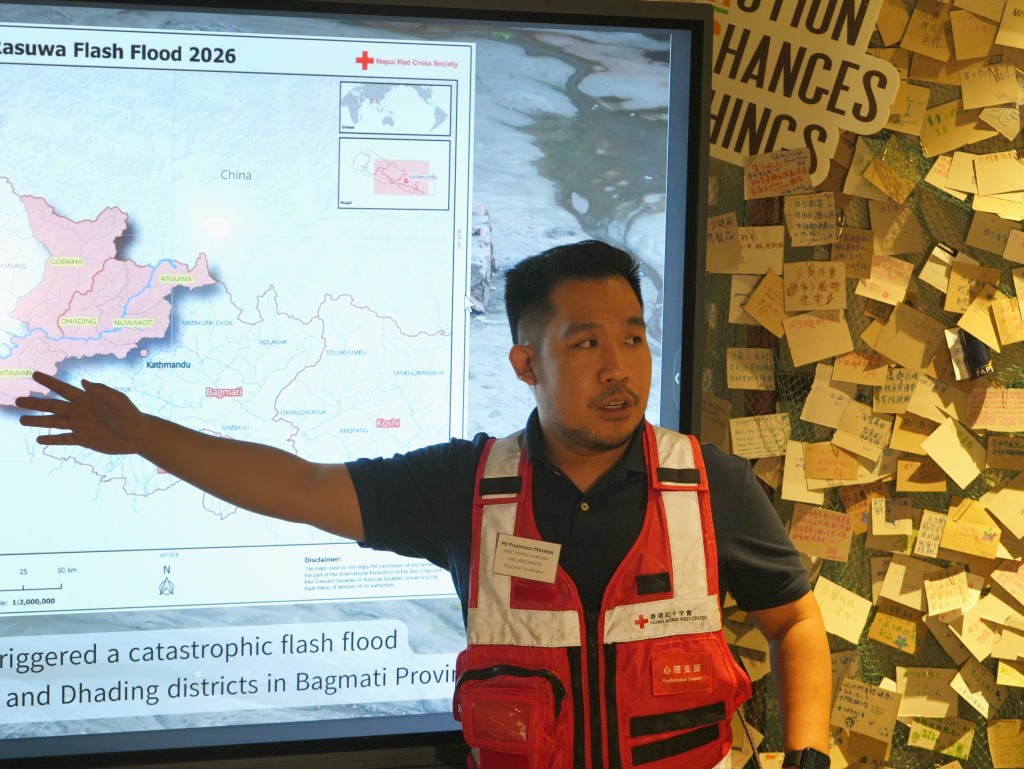
In response, HKRC allocated approximately HK$1.6 million across two disbursements to procure household kitchen sets, tarpaulins, and essential supplies, alongside activating tracing services and offering mental health and psychosocial support services to the diaspora in Hong Kong.
Alice Ling, Director at the HKRC, who led a delegation to Nepal in mid-October to assess warehouse operations and community recovery, noted that many affected families displaced by past disasters now face renewed displacement. The HKRC is actively exploring cash assistance programmes and integrated medical and water sanitation initiatives to foster sustainable recovery.
Upholding the seven Fundamental Principles, the HKRC urges the public to remember that humanitarian crises cannot be compared or overlooked, calling for continuous attention and support for vulnerable populations worldwide.