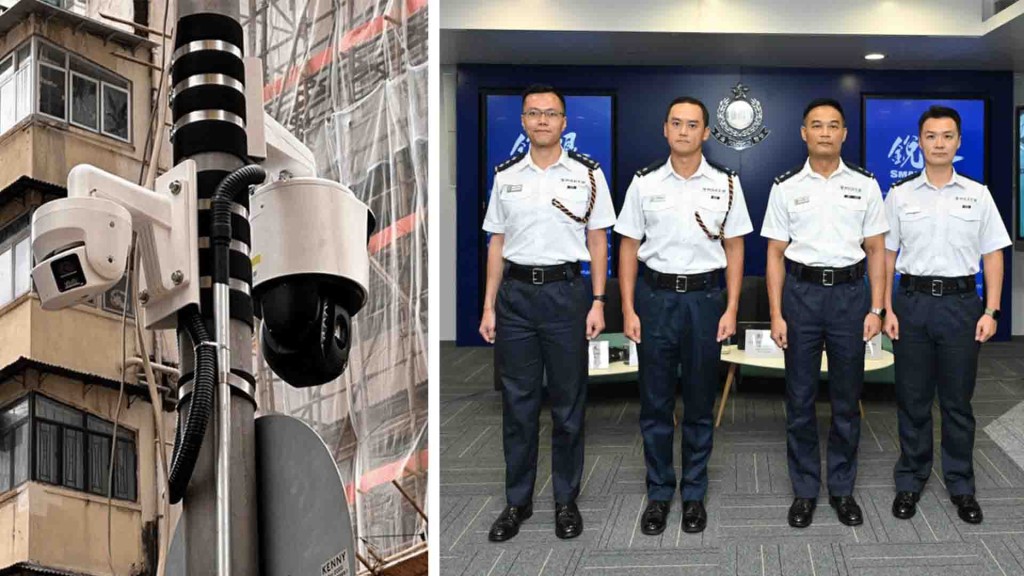
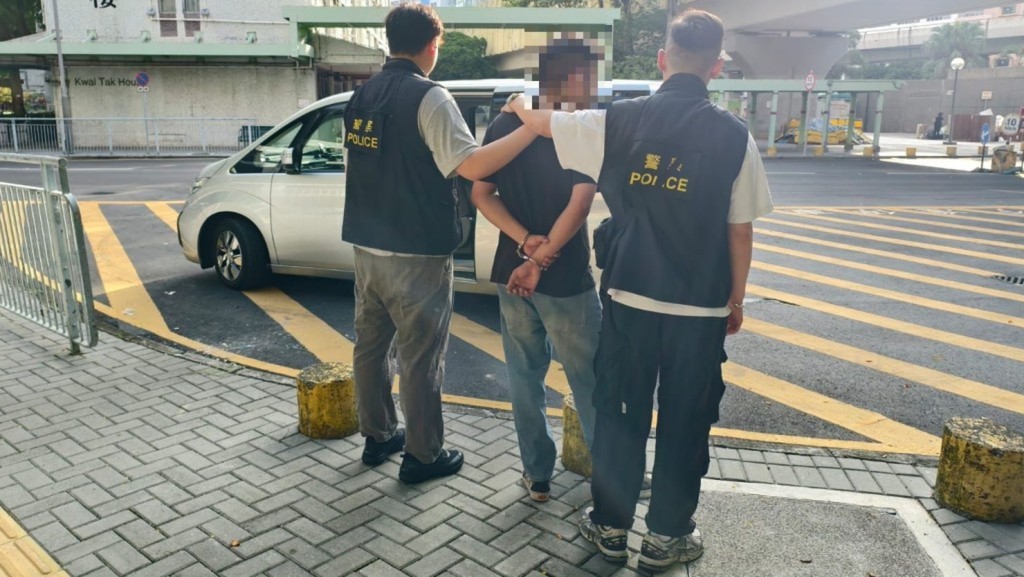
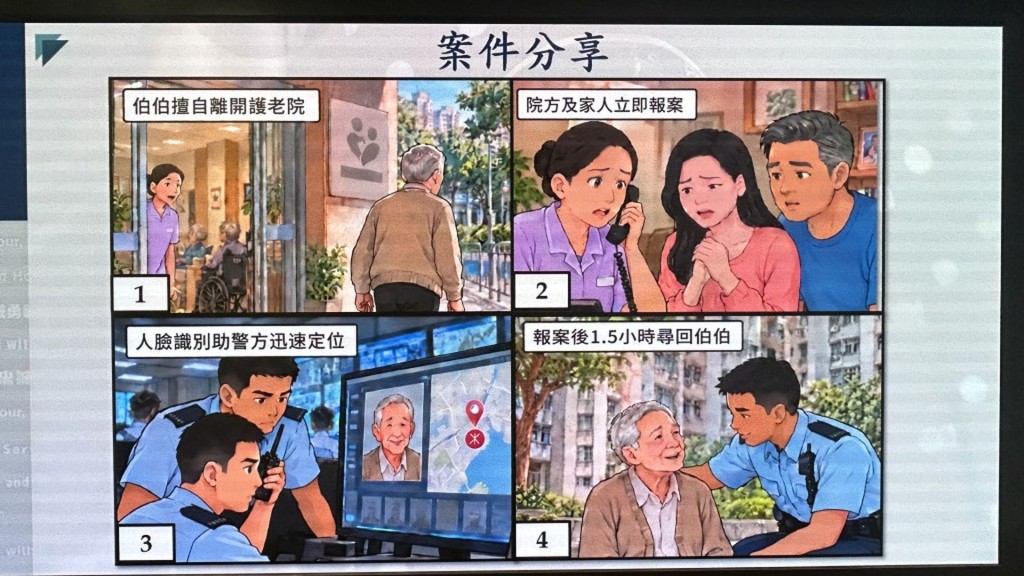
The Hong Kong Police will introduce AI facial recognition to its Smart View CCTV system this month, aiming to detect crime and find missing people, especially high-risk missing elderly with dementia, more accurately and quickly.
Senior Superintendent Leung Ming-leung of the Operations Bureau said traditional tracking and analysis of CCTV footage takes huge manpower and time, and AI would cut the back-end work of reviewing large amounts of footage. He described the technology as adding "thousands of eyes" to the force, working 24 hours a day to help find suspects and missing people.
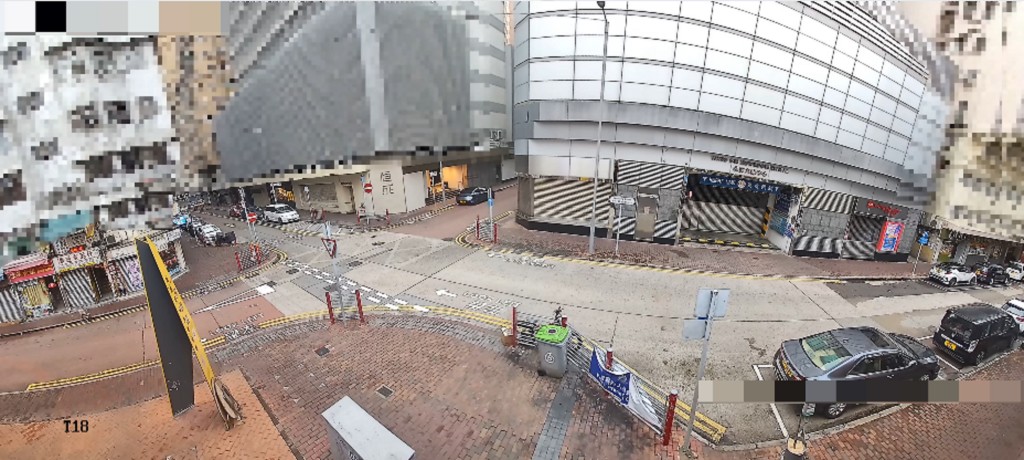
Under the Policy Address, the first phase of Smart View has been completed, with more than 10,000 cameras installed. The second phase aims to add 20,000 cameras a year, reaching about 60,000 by 2028 covering strategic locations across Hong Kong.
Leung said the first phase focused on crime black spots with high crime rates and footfall, while the second phase will fill coverage gaps, including government and public facilities such as MTR, the airport and Kai Tak Sports Park, as well as tunnels, major roads, public housing estates, leisure venues and boundary control points. Police have been in talks with large shopping malls and other private organisations to connect their CCTV systems to Smart View, with a positive response. The first batch of mall cameras is expected to be connected by the end of this year, with at least four malls taking part.
On privacy, Leung said facial recognition operates in two ways: retrospective searches when police have a suspect's facial features and want to check whether the person appeared on specific footage, and real-time tracking, such as when family members provide a recent photo of a missing elderly person, triggering an alert if the person appears on camera.
Police said facial recognition data will be stored longer than 30 days to improve investigation and cost-effectiveness, with a source saying retention is about 180 days. Video footage is generally deleted automatically after 30 days under the Personal Data (Privacy) Ordinance unless retention is in the public interest.
Leung said the system is restricted to four statutory purposes — safeguarding national security, crime prevention and detection, and ensuring public safety and public order — and officers must pass two internal tests before accessing footage. Cameras only cover public places, and procedures are set based on an independent privacy impact assessment and consultation with the Privacy Commissioner.
On cybersecurity, Leung said the system meets the government's highest security standards, with a dedicated fibre network and firewall isolation so any third-party camera must pass through a firewall before entering the police system, minimising hacking or data leak risks.
Operations Bureau Superintendent Cheng Wai-man added that, due to computing resources, facial recognition will not be activated on all cameras, but resources can be deployed to specific cameras for round-the-clock analysis when needed.