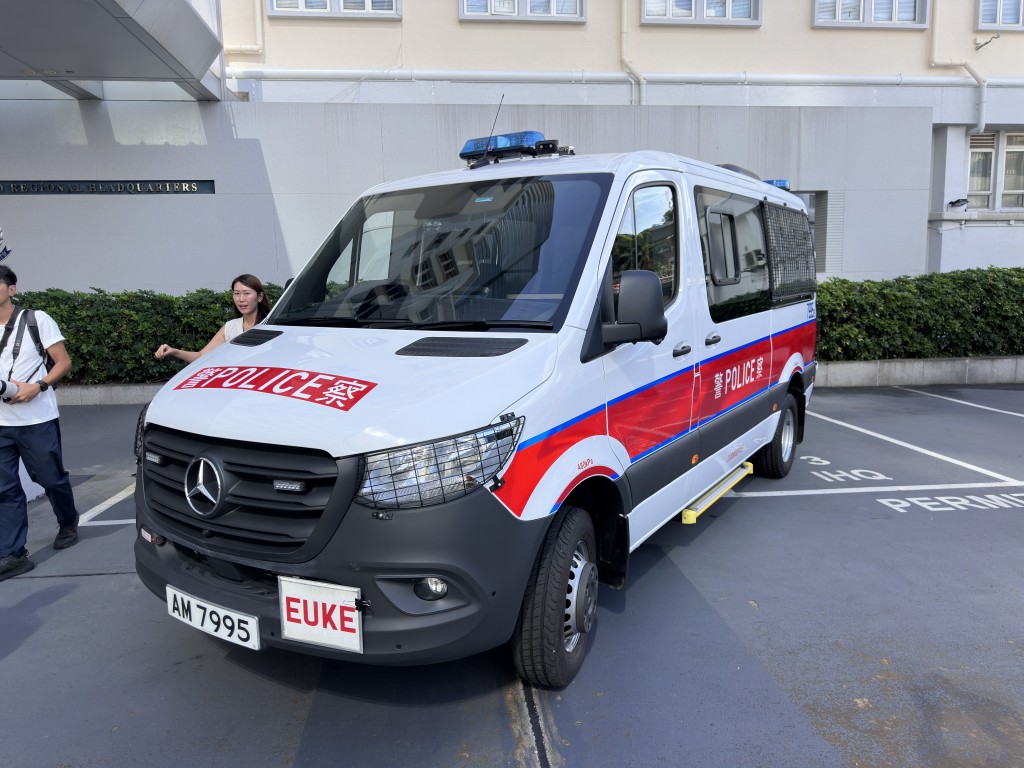
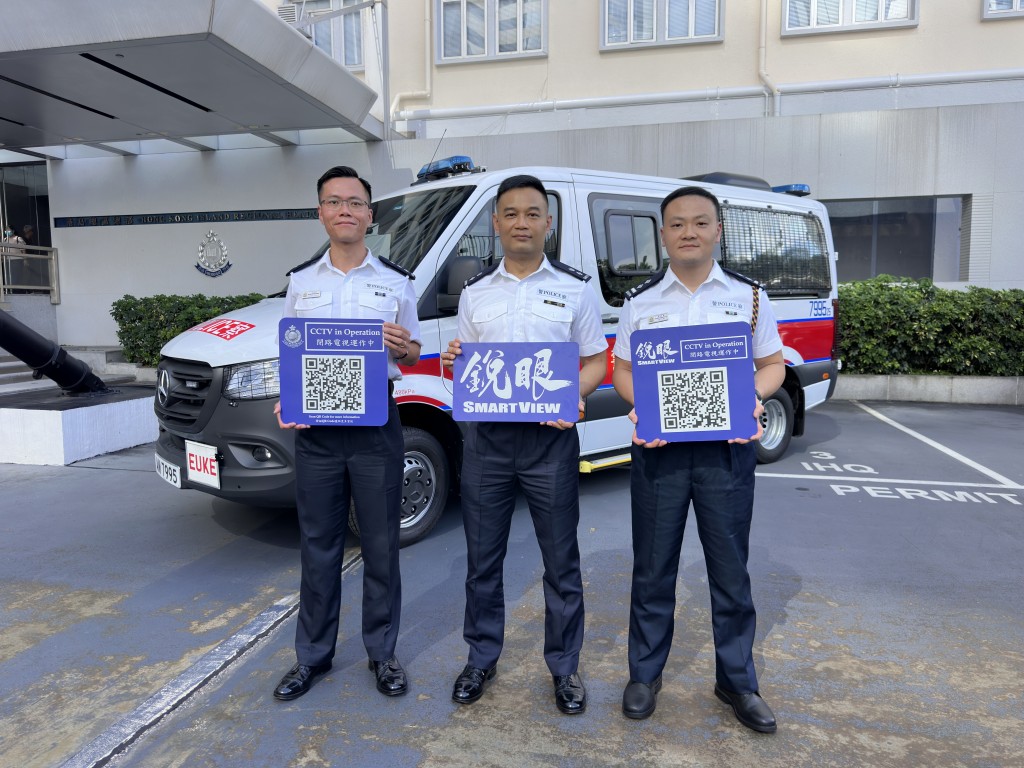
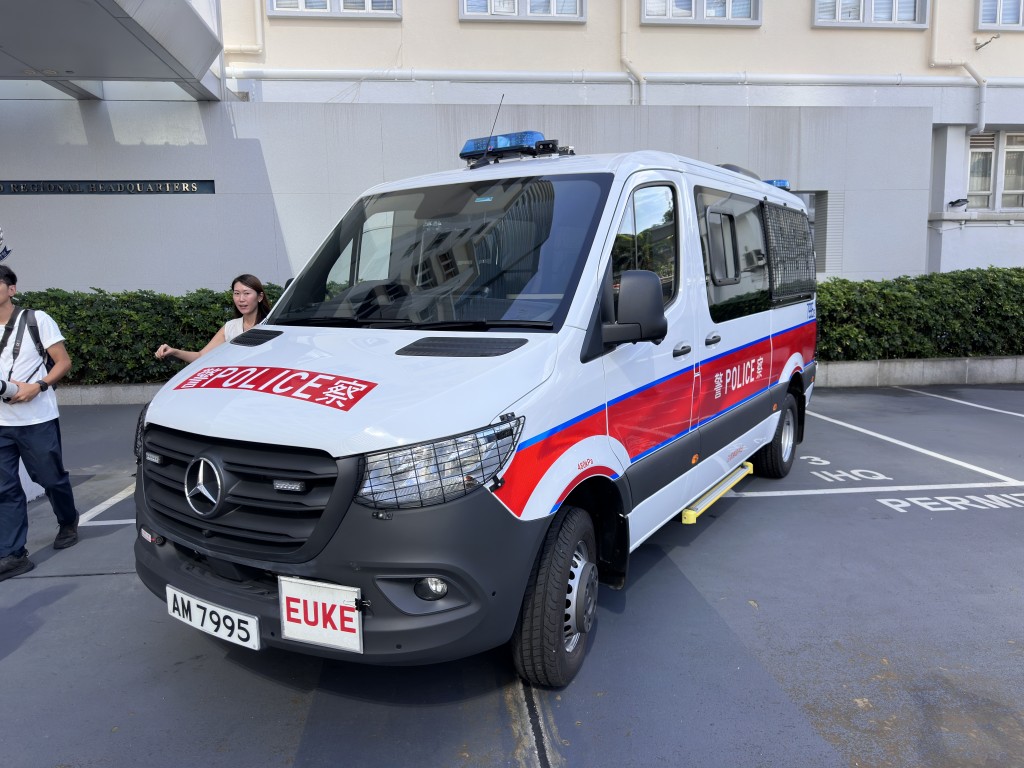
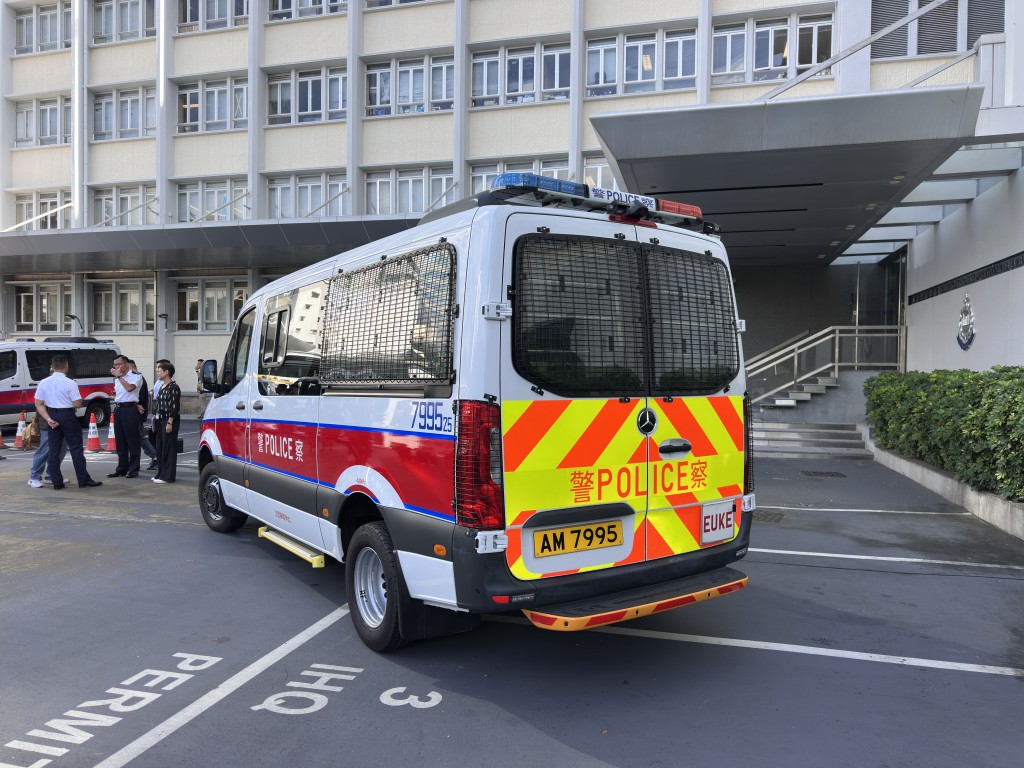
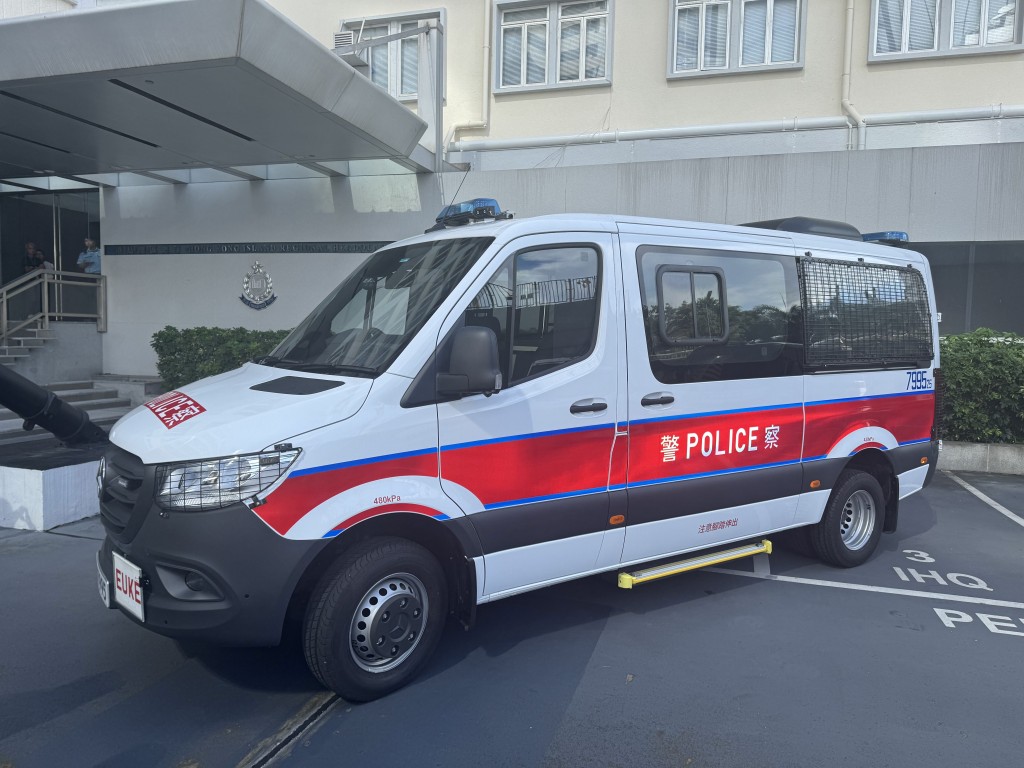
Hong Kong police will deploy 60 patrol vehicles with license plate recognition cameras as mobile CCTV units, and expand the fleet to 200 by year’s end under a citywide surveillance program that currently has over 3,000 cameras.
ADVERTISEMENT
SCROLL TO CONTINUE WITH CONTENT
The force also plans to start using a facial recognition system in reviewing CCTV tapes to compare and identify suspicious targets or missing people by the end of this year, as part of its initiatives to move towards smart policing.
Vehicle-based mobile CCTV units
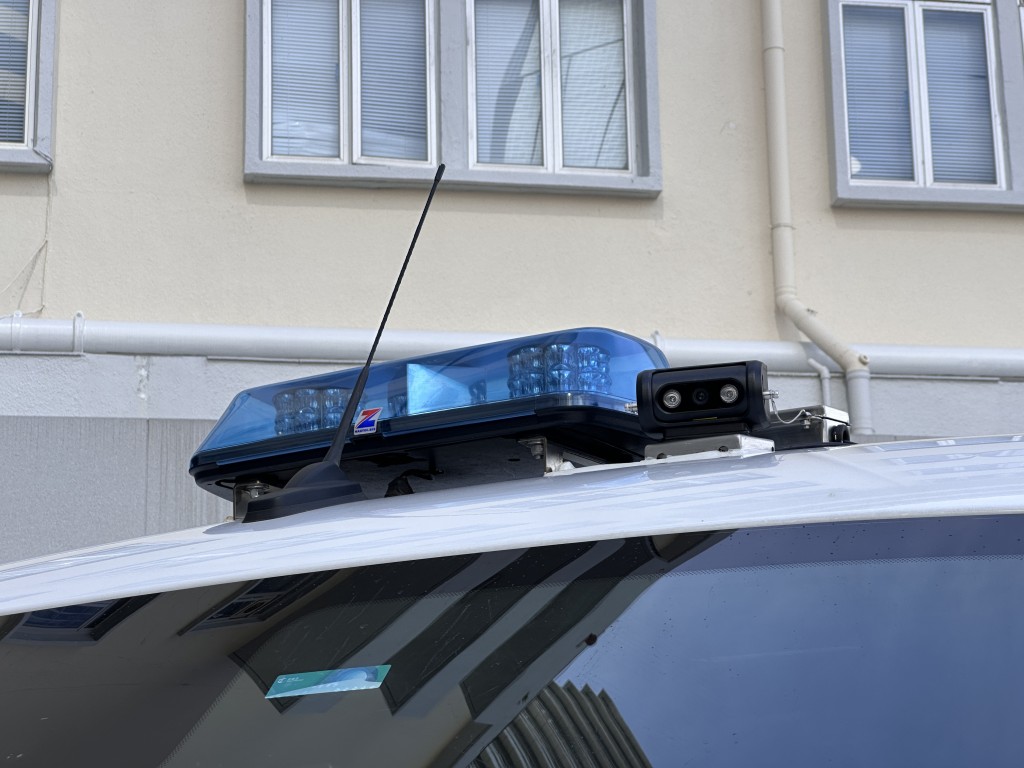
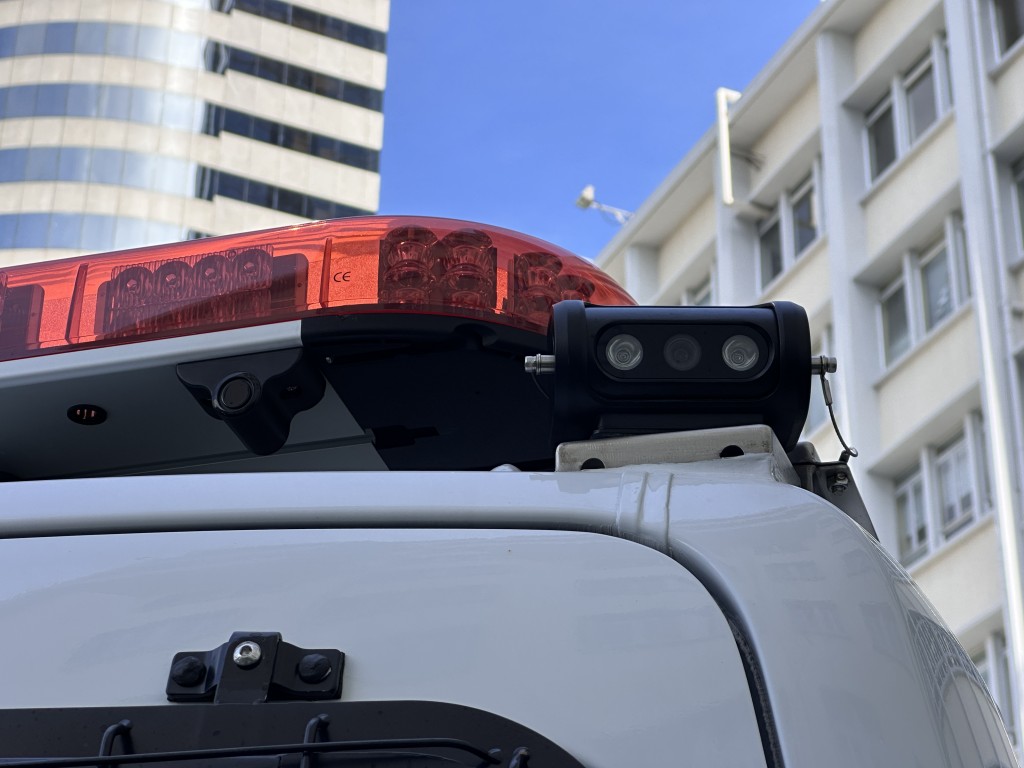
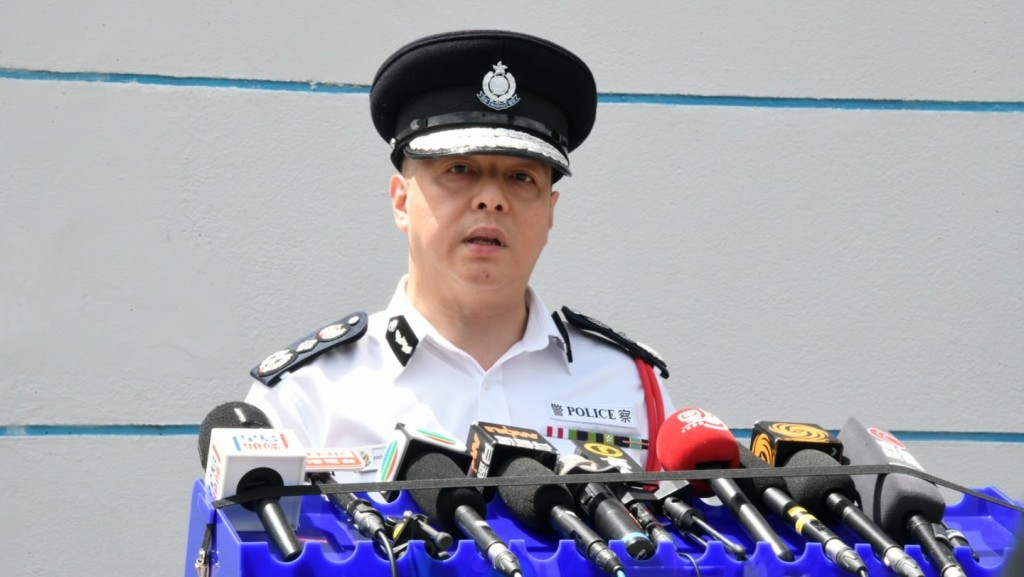
The mobile CCTV unit, unveiled at a press conference, features two fixed-position cameras on top of the vehicle, mounted on the front-left and rear-right sides. They cannot zoom in, zoom out, tilt or pan.
“The vehicle-based units can be used in crowded areas to monitor pedestrian flow, surveil roads, or recognize license numbers to flag suspicious vehicles when police are looking for one,” Anson Lam Ho-wa, Senior Inspector (Operations) said.
+1
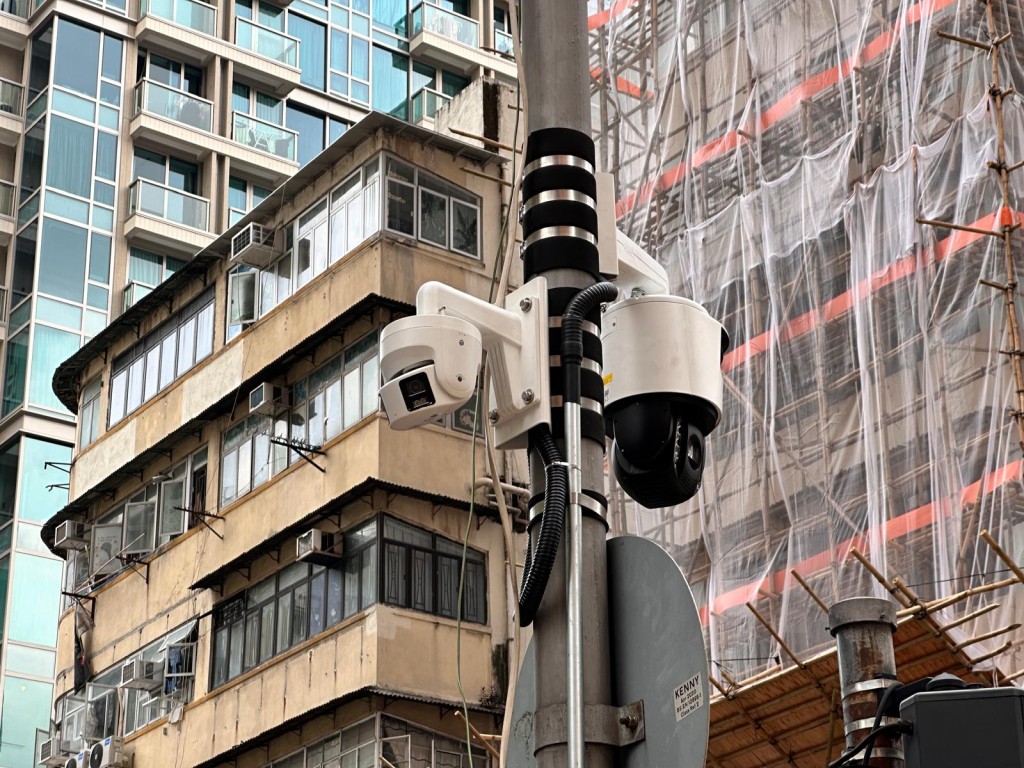
SmartView aims to install 15,000 cameras in HK by 2027
Under the SmartView program, the force plans to install 5,000 cameras by 2025, and another 5,000 by 2026, reaching a total of 15,000 cameras by 2027. That compared with Singapore’s 90,000 yearly installations in 2021, and the United Kingdom’s 7.3 million in 2022.
Police are in talks with government departments—Transport, Housing, Leisure and Cultural Services—and MTR Corporation to begin integrating their CCTV footage into the SmartView system this year, aiming to complete the rollout in two to three years.
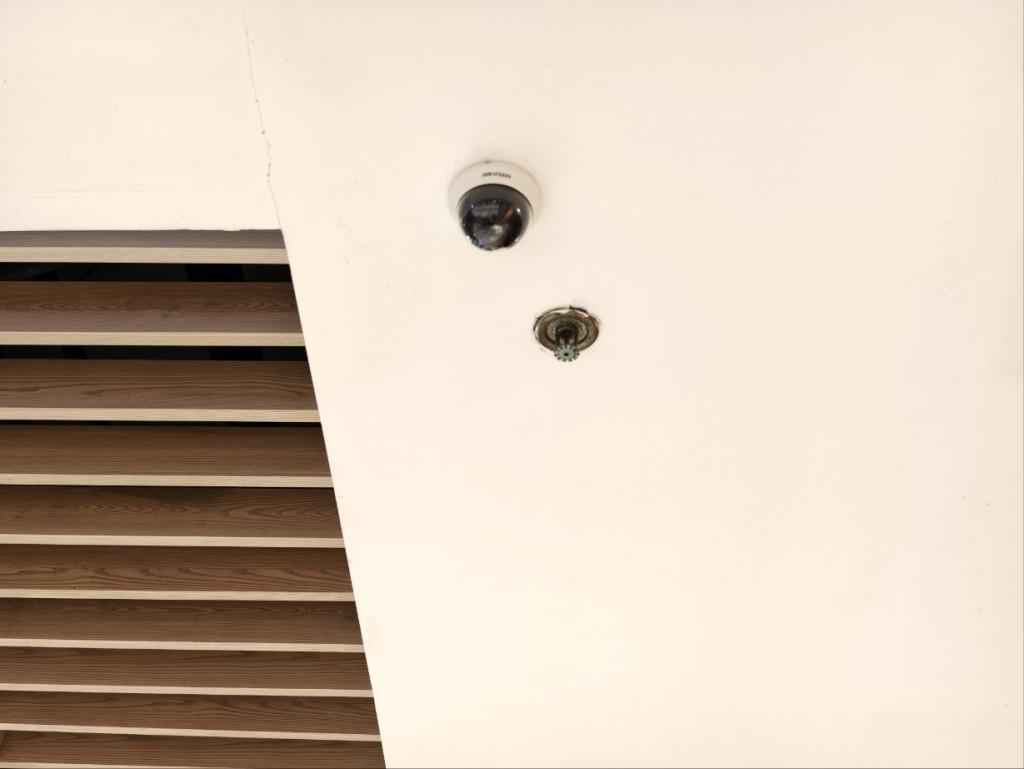
A police CCTV camera under SmartView program (File Photo)
Police aim to link private surveillance cameras to city network
To further expand coverage, privately owned surveillance cameras, such as those belonging to shopping malls and commercial organizations, are also being considered for integration into the police system.
“Whether such integration should be voluntary or law-mandated is open to discussion, and we believe it should be voluntary,” Eric Leung Ming-leung, Senior Superintendent (Operations) said.
A CCTV camera in a shopping mall (File Photo)
Facial recongition pilot by year-end
Officers also revealed plans to pilot the use of a facial recognition system to reduce the time and increase the efficiency of investigators going through days of surveillance tapes in tracking or locating missing persons or criminals by the end of this year.
“If you have an identity, the face, the features of the suspicious person or missing person, actually, you can enter this information into the backend system and ask the system whether these features had just been captured by these cameras,” Leung said.
Some SmartView cameras already have front-end facial recognition but remain inactive until backend activation. He did not disclose how many, noting that police determine facial recognition use based on camera height and lighting conditions, officers added.
Privacy concerns
On privacy issues, police stressed that they followed rules from the Office of the Privacy Commissioner for Personal Data. Camera footage, which only captures public spaces, will be retained for 30 days, unless required for investigations or as court evidence.
Police also presented footage from a SmartView camera showing the exterior of a private building, which is “digitally blocked,” appearing pixelated in the video, to safeguard privacy.