Read More






Screen glitches and cracked displays plague Apple's iPhone Duo launch
24-10-2026 18:45 HKT

Woman injured by falling banana in Kwun Tong
20 hours ago
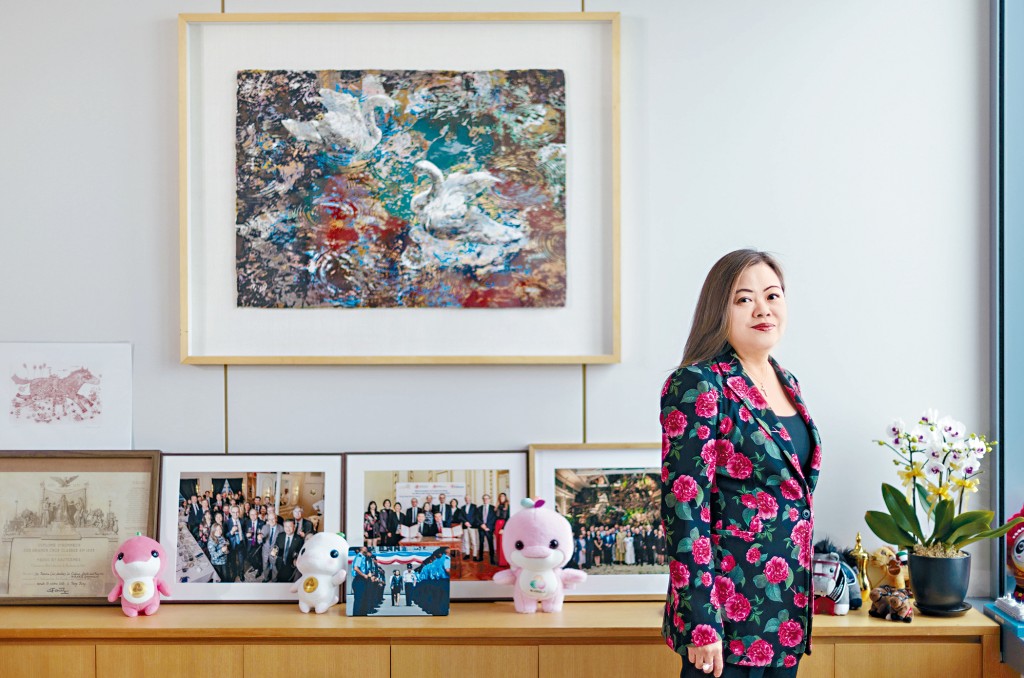
A business meeting in the morning, a countryside hike in the afternoon and a festival after dark: Secretary for Culture, Sports and Tourism Rosanna Law Shuk-pui sees Hong Kong’s appeal in its contrasts.
That variety, she believes, could persuade travelers to stay longer, spend more and return.
As Hong Kong sets out its first five-year plan, Law is betting on cultural events and local neighborhoods to turn visitor arrivals into economic gains.
Hong Kong welcomed 40.7 million visitors in the first nine months of 2026, including 1.41 million mainland travelers during National Day Golden Week. Tourism also sustains jobs, the Secretary for Culture, Sports and Tourism said.
The government wants tourism’s annual value added to rise from HK$86.2 billion in 2024 to HK$126 billion by 2030. It also aims for visitors from outside mainland China to account for 40 percent of overnight tourists.
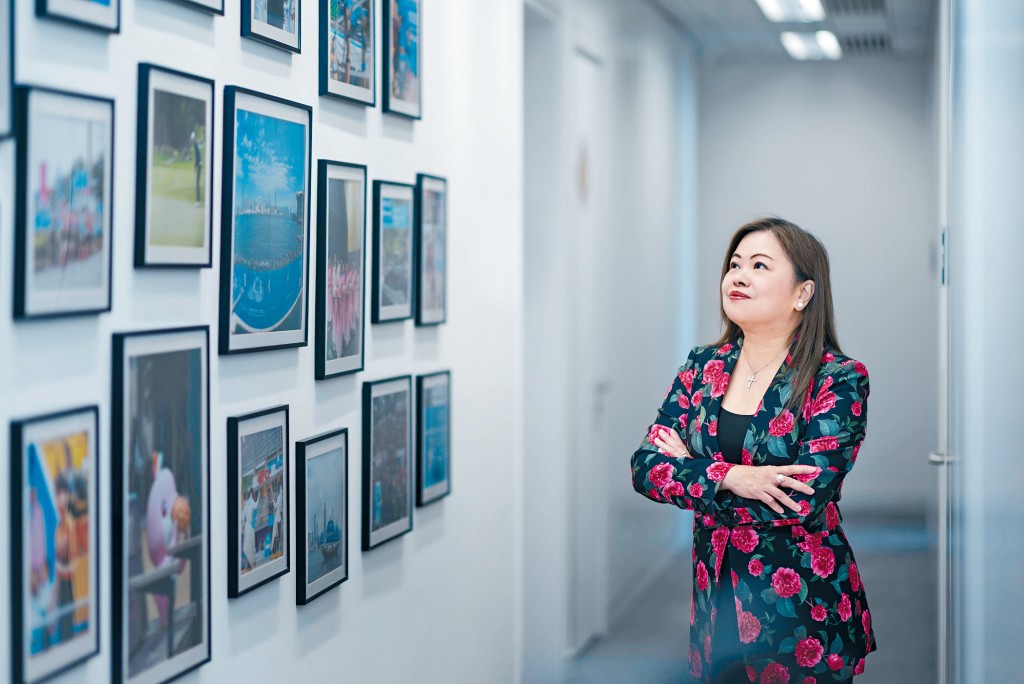
To spread the benefits, Law cited Taste Hong Kong – a Tourism Board campaign recommending eateries across all 18 districts, from cha chaan teng to street-food stalls.
Another campaign, Hong Kong Good Take, will map about 100 Hong Kong film locations, bringing fans – and potential customers – into different neighborhoods.
About one in five visitors from outside China travels onward from Hong Kong to the mainland, Law said. But the city, she insisted, is more than a stopover.
“You can actually do business in the morning, and then in the afternoon you can go to our countryside for some hiking,” she said. Its international outlook, she added, is “really Hong Kong’s biggest advantage.”
That variety extends beyond the places visitors can explore in a single day. Law pointed to Hong Kong’s year-round calendar of international arts, Chinese cultural programs and festive mega events, offering travelers different reasons to return at different times of the year.
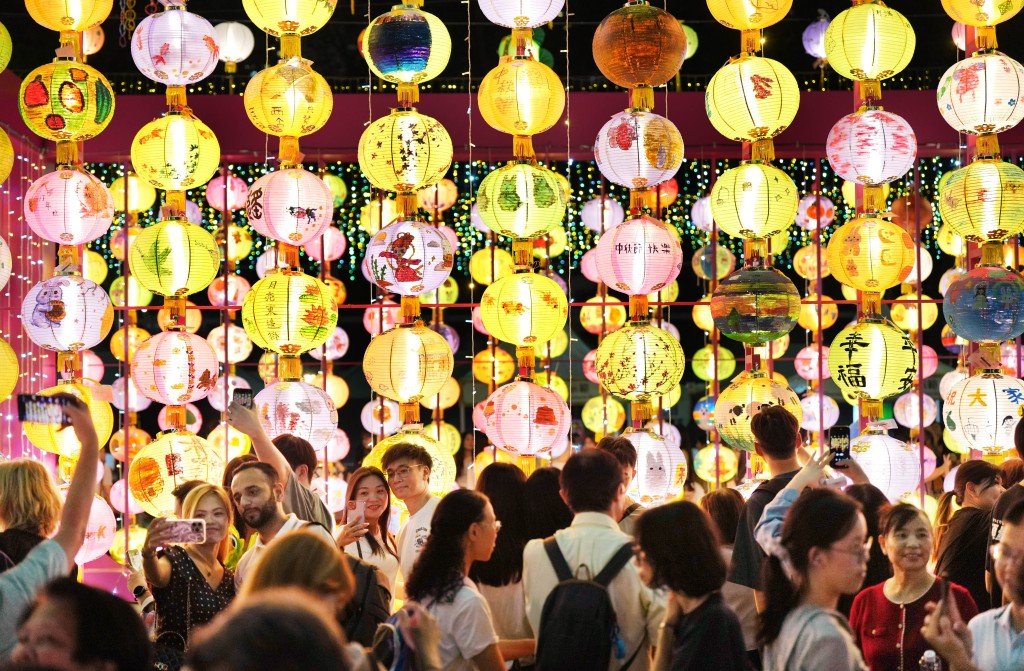
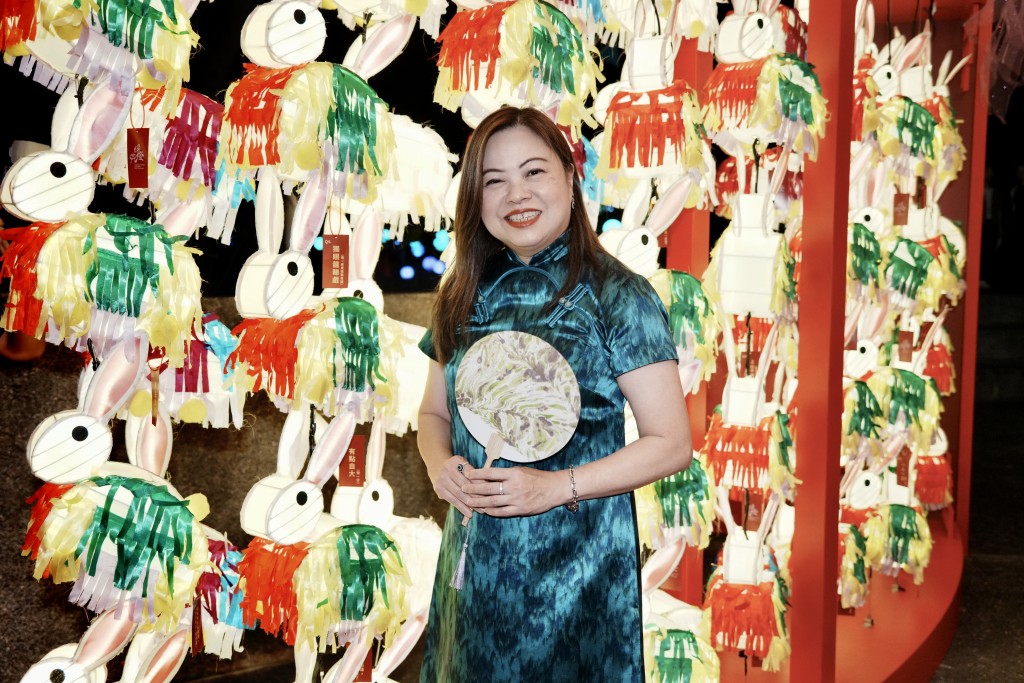
The Mid-Autumn International Lantern Spectacular drew about 730,000 visits, she said, while Christmas celebrations and the Victoria Harbour New Year countdown are followed by Lunar New Year traditions, including activities at the Lam Tsuen wishing tree and the Wong Tai Sin Temple.
“You have a whole range of attractions,” she said. The aim is to generate FOMO – or the fear of missing out – through unique, time-limited experiences that encourage tourists to plan their next visit right away, she said.
Beyond using cultural events to attract tourists and boost spending, Law is also looking to strengthen Hong Kong’s arts sector itself. Under proposed funding reforms, major performing arts groups would be assessed on their own past attendance, rather than against groups in other disciplines. Artistic quality and opportunities to perform overseas or on the mainland would also count.
“They won’t be cut out immediately,” Law said of struggling groups. Better performers could receive more support, while experimental productions would be given time to find audiences.
In film, Law wants to consolidate scattered support schemes and attract private investment. Streaming and AI are reshaping the industry, she said, but authentic stories of family and human emotion can still connect with audiences.
“They cannot rely alone on government subsidy,” she said, arguing that Hong Kong cinema must reconnect with moviegoers if it is to regain its commercial strength.
A similar drive to turn Hong Kong’s strengths into lasting economic opportunities extends to sports, where Law sees major events and infrastructure as catalysts for both tourism and local talent development.
She said regular international tournaments at Kai Tak Sports Park could encourage visitors to plan trips around sporting events, while inspiring greater public participation and giving local athletes valuable home-ground experience.
Plans to redevelop Victoria Park’s Centre Court into a multipurpose venue would further strengthen the city’s capacity to host major events, while a new training scheme would help retired athletes pursue careers in sports management and event organization.
Looking ahead, Law hopes to see more residents take part in sports and a new generation of athletes emerging on the international stage, allowing veterans to confidently “pass the torch” to their successors.
Rosanna Law Shuk-pui spends her days promoting culture, sports and tourism, but away from the official events the secretary has quietly taken on a rather different challenge: boxing.
“I picked up a new sport. And that’s boxing,” she revealed. She now attends regular classes, adding that few people knew about her new hobby.
Away from boxing, food is another pleasure. “I’m actually a foodie,” Law said. She enjoys everything from traditional Chinese restaurants to small neighborhood shops, especially old-fashioned bakeries selling cookies and Lunar New Year treats.
Her appetite for discovery extends outdoors. “I always go hiking,” she said, recalling a six-hour trek across Lantau that took her through Fan Lau toward Tai O. Along the way, she found lush green scenery and a restaurant serving rustic local dishes – a hidden side of Hong Kong. A shorter route from Tai O, she said, takes around an hour.
Though there is still one adventure she has not tried. Law said she would love to camp or go glamping on an outlying island. Her mother would not let her camp when she was young, leaving her with a childhood wish she hopes to fulfill.
“So maybe one day when we develop our camping and glamping experience on one of the islands, I want to do that,” she said.