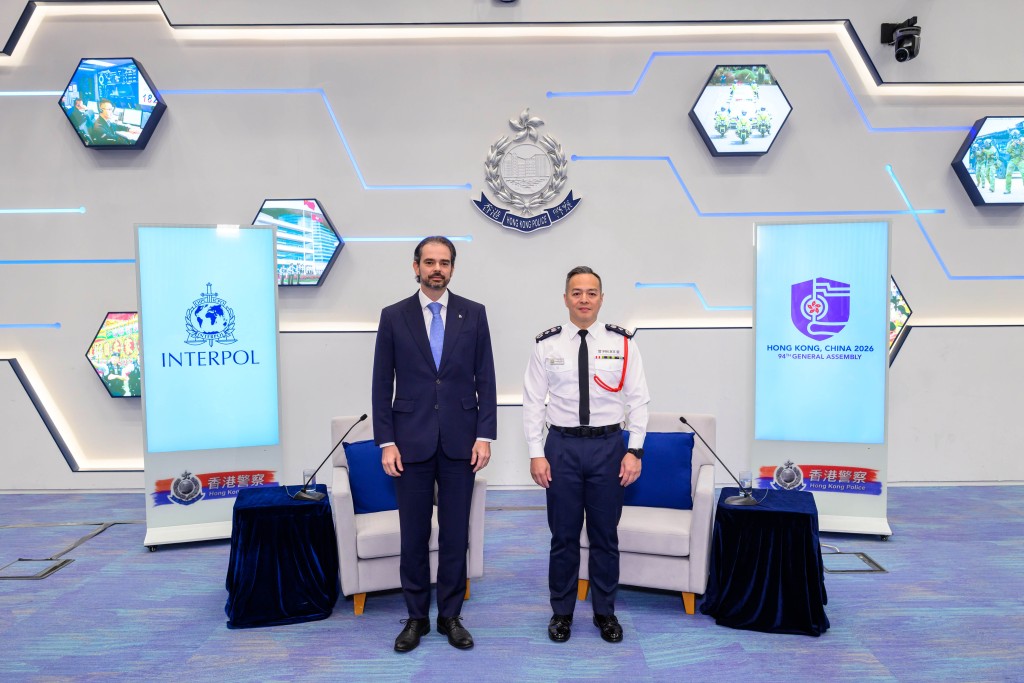
INTERPOL is seeking to strengthen international cooperation in tracing and seizing criminal assets, with a new capability set to be discussed at its 94th General Assembly in Hong Kong, Secretary-General Valdecy Urquiza said.
The General Assembly will take place from November 30 to December 3 in Hong Kong, bringing more than 2,000 representatives from its 196 member countries to discuss law enforcement priorities, global challenges and INTERPOL’s future strategy.
“Hong Kong is a hub for finance, trade, digital services, and is the perfect location for us to bring the international law enforcement community together,” INTERPOL Secretary-General Valdecy Urquiza said.
Urquiza described Hong Kong as an active and committed partner, noting that officers seconded from the local police force to INTERPOL had contributed expertise, particularly in financial crime investigations.
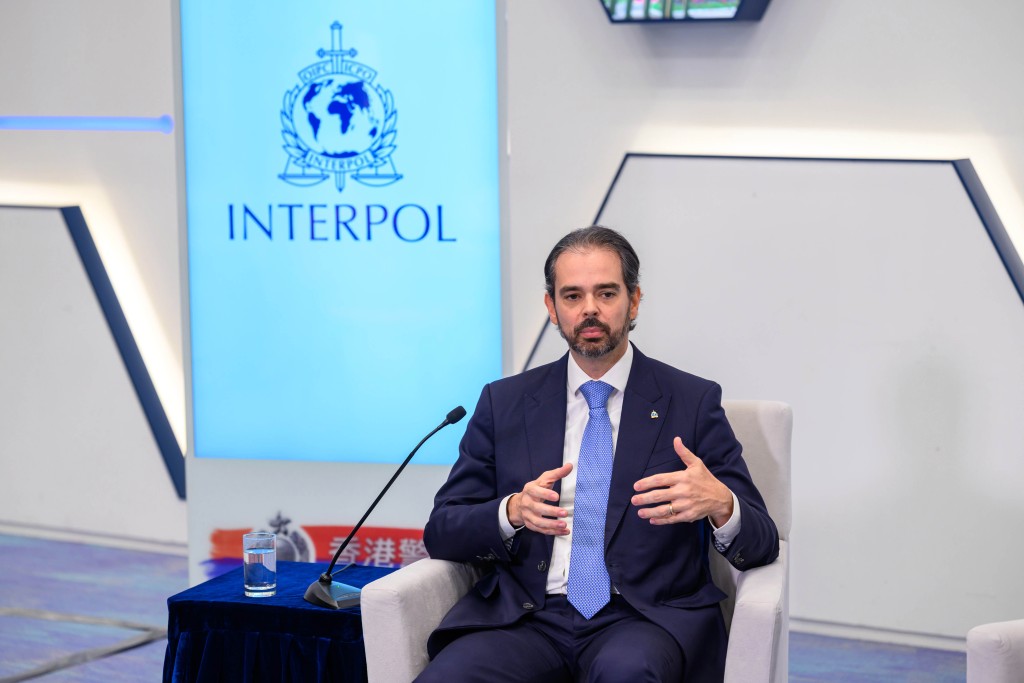
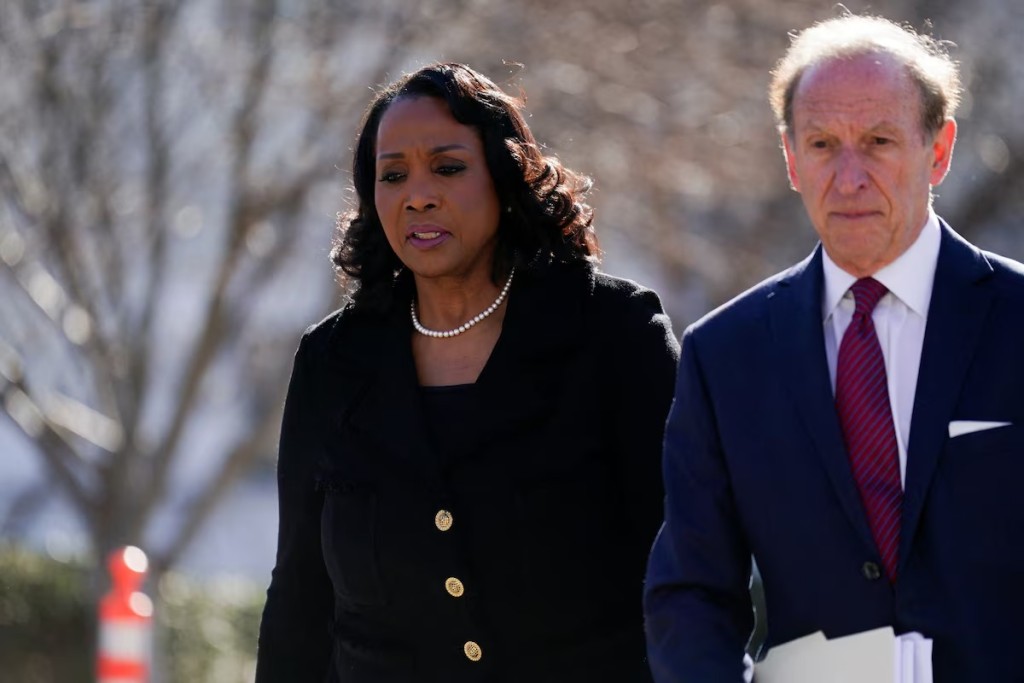
Secretary-General Valdecy Urquiza
Hong Kong Police Commissioner Joe Chow Yat-ming said preparations for the assembly had begun in early 2025, with a three-tier coordination structure comprising the HKSAR Steering Committee chaired by the Chief Secretary for Administration, an Inter-departmental Task Force led by the Secretary for Security, and the Force Working Group headed by the Commissioner of Police.
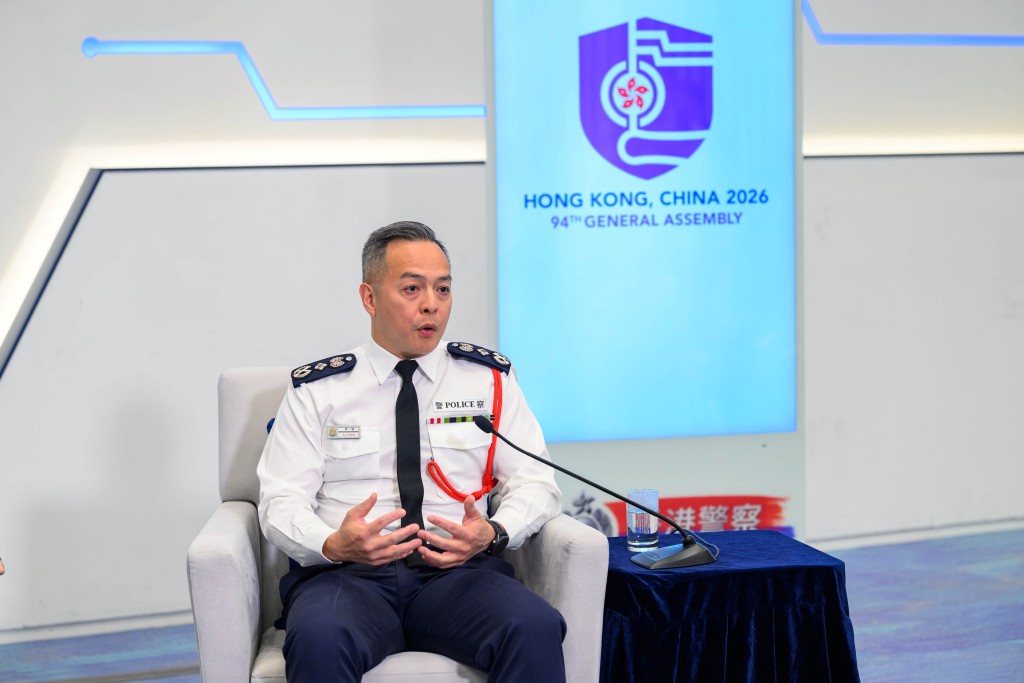
Hong Kong Police Commissioner Joe Chow Yat-ming
He said the city is committed to ensuring a safe and secure conference and to use the event to strengthen partnerships with overseas law enforcement agencies while showcasing Hong Kong’s security and ability to host major international events.
Separately, Urquiza cited INTERPOL’s Silver Notice initiative as an example of the new capabilities the organization hopes to advance at the General Assembly. The initiative focuses on helping law enforcement agencies investigate and trace financial assets that criminal organizations hide in different jurisdictions. INTERPOL has conducted a two-year pilot of the initiative and hopes member countries will endorse it.
Chow also highlighted the importance of financial investigations and fraud prevention, saying scams accounted for about half of reported crime cases in the city in September.
He pointed to the importance of international cooperation in tackling financial crime, noting Hong Kong had established the anti-scam platform FRONTIER+ to help overseas partners trace funds and intercept suspicious transactions.
Artificial Intelligence(AI)-related crime is another issue on this year’s General Assembly agenda.
Urquiza said AI had made the criminal landscape more complex, enabling criminal organizations to reach regions they had previously been unable to access and operate on a scale not seen in other areas of crime.
INTERPOL is addressing AI-related crime through three areas: understanding how criminal groups use AI, helping law enforcement agencies use AI to improve investigative efficiency and analyze large amounts of data, and promoting the responsible use of AI by police, he said.
Urquiza said INTERPOL’s role as a technical platform was to keep police agencies across its 196 member countries connected and enable cooperation despite political differences.
Chow said Hong Kong hoped to strengthen operational and intelligence-sharing ties with Asian counterparts while expanding training and capacity-building cooperation with other regions, including Africa.
The force also hoped to provide training for overseas officers and send its own personnel to learn from international partners, he added.
Chow said the Hong Kong International Academy of Policing will also be established on November 11, with the aim of bringing international policing experience to Hong Kong and sharing local expertise with overseas partners.