

Read More
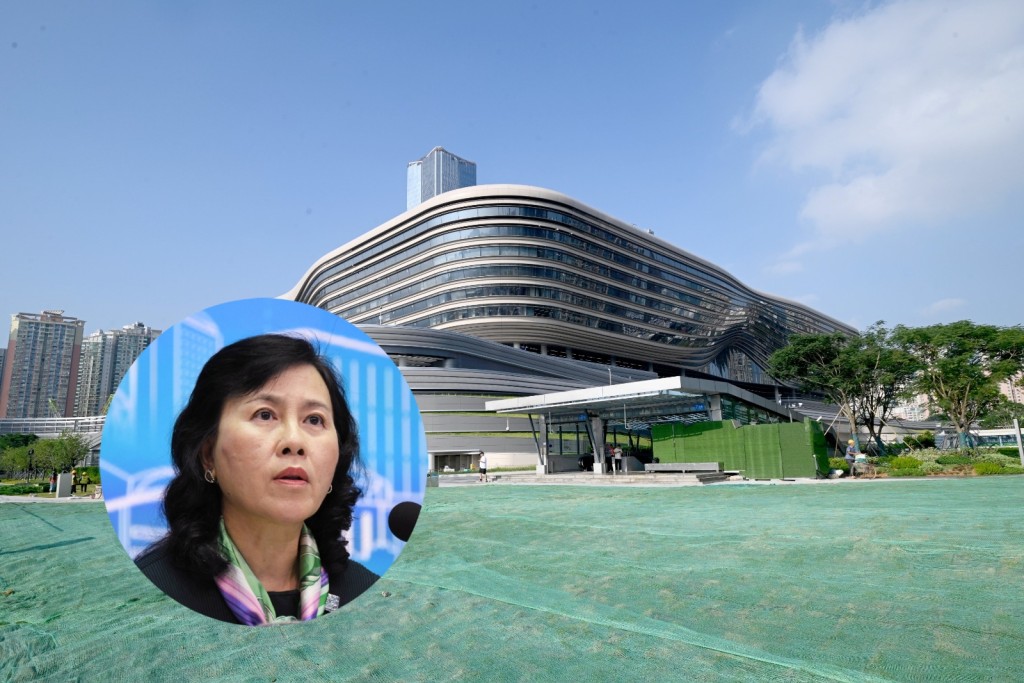
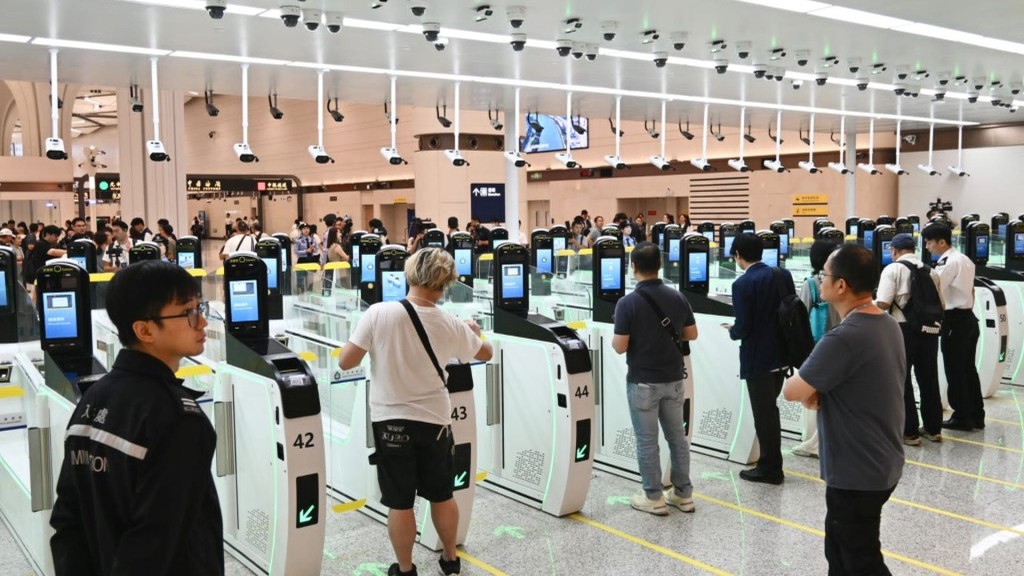
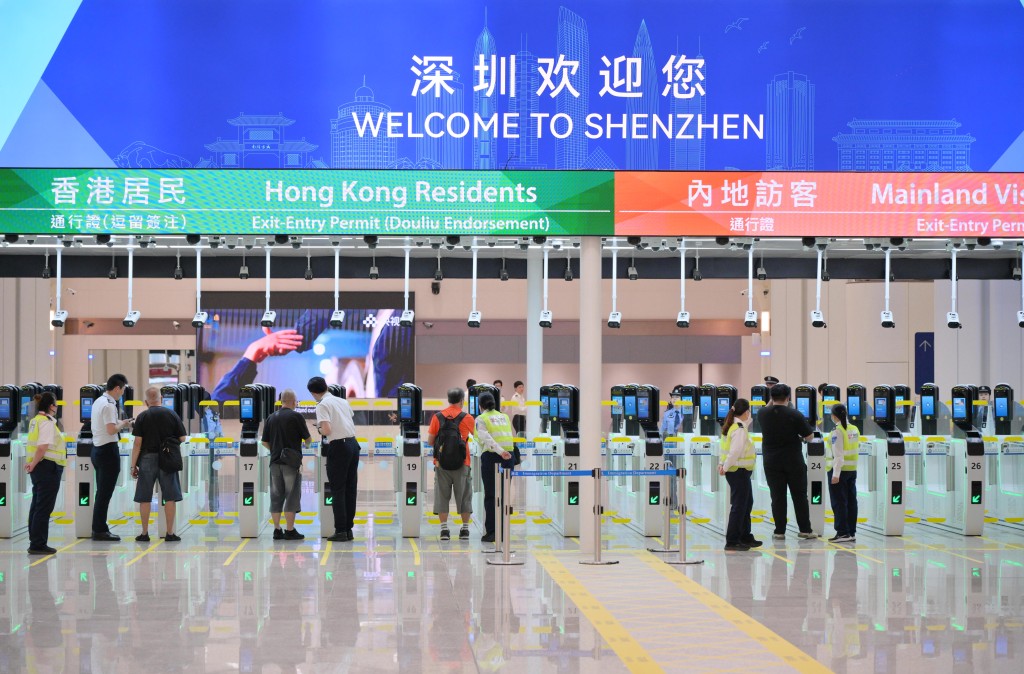
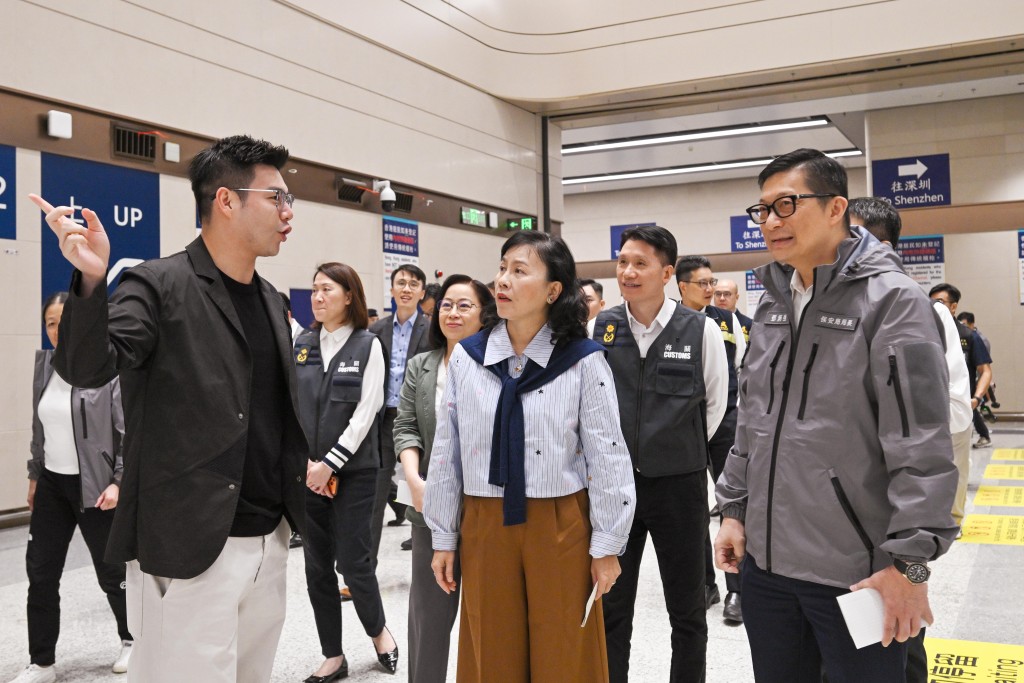
The new Huanggang Port operated smoothly on its first day, with extra staff and transport services prepared to handle heavier passenger and vehicle flows during the Chung Yeung Festival, Secretary for Transport and Logistics Mable Chan said on Tuesday.
ADVERTISEMENT
SCROLL TO CONTINUE WITH CONTENT
Speaking on a radio program, Chan said authorities had rehearsed for heavy traffic and worked with public transport operators to arrange extra staff and services.
The Transport Department’s Emergency Transport Co-ordination Centre will monitor traffic, while detectors at the public transport interchange and on nearby roads will help operators manage passenger and vehicle flows, she said.
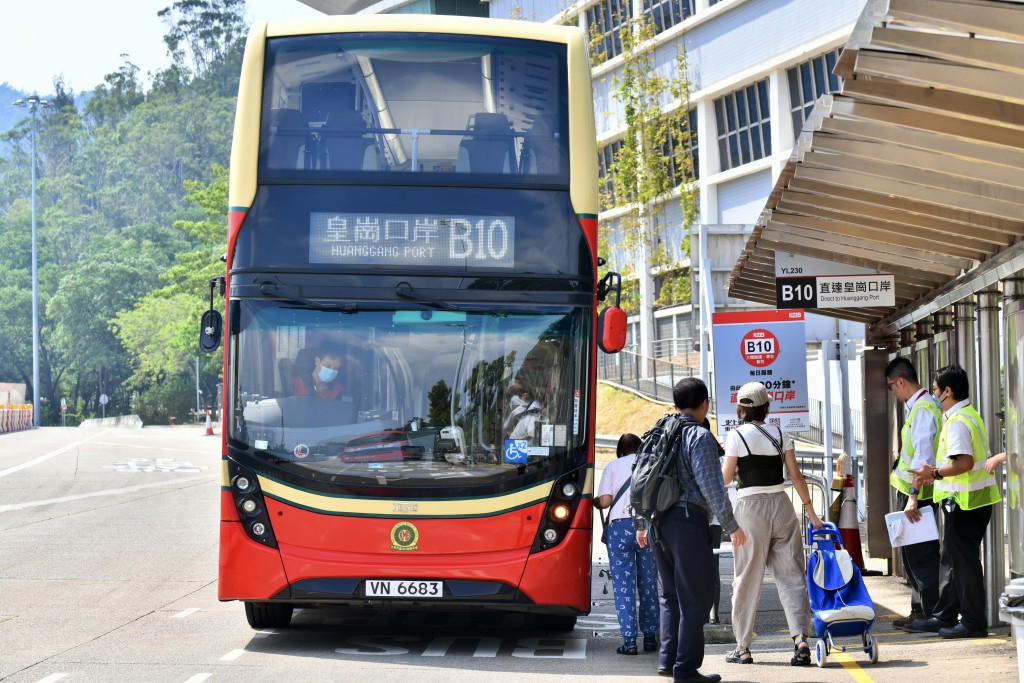
The transport chief said it would take time for residents to get used to the new port. Signs at the interchange outline transport options, including franchised bus and green minibus routes linking to nine MTR stations and four bus interchanges. Staff are also on hand to provide information.
In response to concerns about long escalators and the lack of drop-off areas for tour coaches, Chan said tour groups could transfer to public buses at San Tin Public Transport Interchange. Three dedicated franchised-bus shuttle services would also operate, similar to arrangements at the former port.
She added that private cars are not allowed to drop off passengers at any Hong Kong border checkpoint. At Huanggang, pick-ups and drop-offs are limited to licensed taxi fleets.
+1

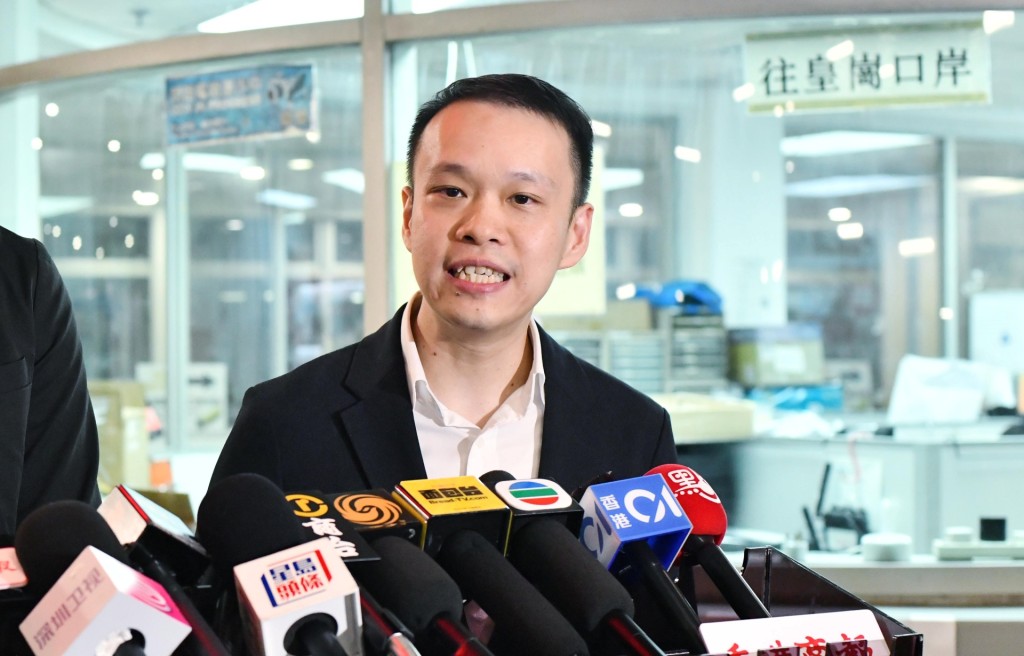
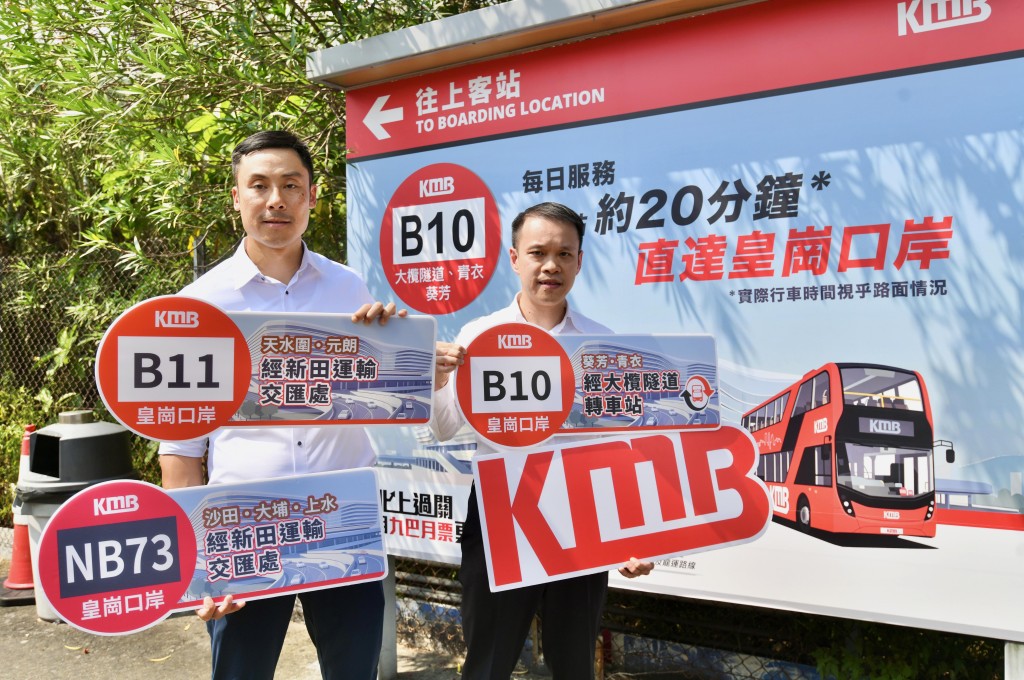
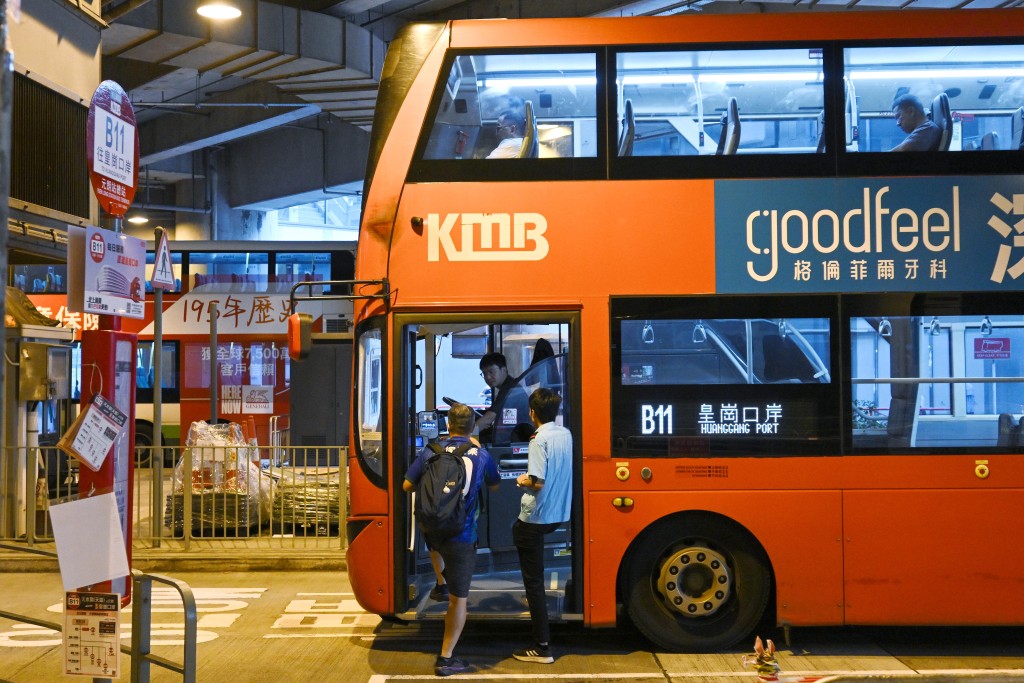
Meanwhile, KMB operations director Kelvin Yeung Chun-wai said the company launched two daytime routes, B10 and B11, on Monday, adding about 140 trips and carrying around 25,000 passengers. More than 30 percent of passengers used KMB’s interchange discount, mainly at Tai Lam Tunnel and San Tin.
To support the port’s 24-hour clearance, KMB’s overnight route NB73 made 50 trips and carried more than 1,000 passengers. The service frequency was increased from every 30 minutes to every 15 minutes. The company will consider extending routes or adding services to North District as demand and traffic patterns become clearer.
After observing mainland tour groups using the B10, KMB will maintain close communications with the Travel Industry Council, travel agencies and the Travel Industry Authority to adjust services and add trips when needed.
Yeung said heavy cross-boundary private-car traffic caused congestion around San Tin during the morning peak on opening day. KMB reported the situation to police and the Transport Department’s Emergency Transport Co-ordination Centre.
More than half of the staff from the former cross-boundary shuttle-bus service—including drivers and field staff—have joined KMB and taken up roles serving the new port, he added.
Wong Kin-ho, principal of Yuen Yuen Institute MFBM Nei Ming Chan Lui Chung Tak Memorial College in Tin Shui Wai, said some of the school’s cross-boundary students previously spent up to one hour and 45 minutes traveling one way via Shenzhen Bay, Futian or Luohu. In a survey of about 20 students, switching to Huanggang Port and KMB cut the journey to about 45 minutes.
Wong said more students using Shenzhen Bay school buses might switch as transport links improve, and the new port could attract more cross-boundary students to Hong Kong. Its 24-hour service would also make early-morning school activities easier.
Tiger Pulse
Do you think the new Huanggang Port has sufficient transport connections to meet cross-boundary travel needs?
Voting Closes in 7 days