Read More








Kim Jones to open first global flagship at Henderson's Central Yards in 2027
13-10-2026 20:13 HKT

13-year-old girl found dead after hanging in Yau Ma Tei flat
14-10-2026 03:20 HKT


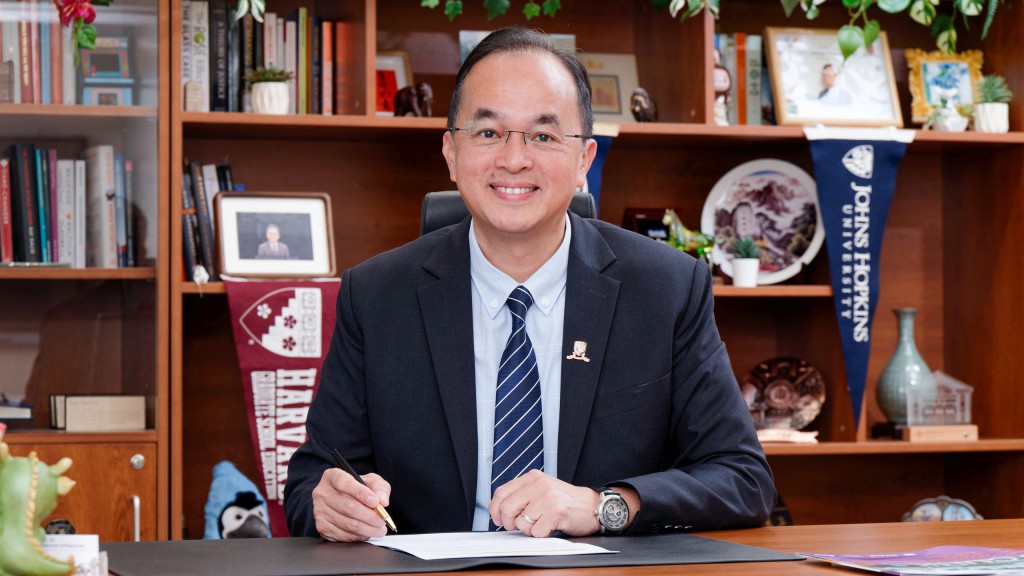
With more than six decades of experience, the Faculty of Education at The Chinese University of Hong Kong (CUHK) has built a strong foundation. Yet the rise of artificial intelligence, social transformation and climate change demands continued reform to prepare teachers and students for the challenges ahead.
Professor Alan C. K. CHEUNG , Dean of Education, CUHK, has set four strategic priorities under “SAIL”: Social impact, Academic excellence, Internationalisation, and Learning and teaching.
AI and social well-being are central to all four. He aims to build on the Faculty’s research strengths, broaden professional perspectives through international collaboration, and bring the resulting knowledge and experience into classrooms, schools and communities.
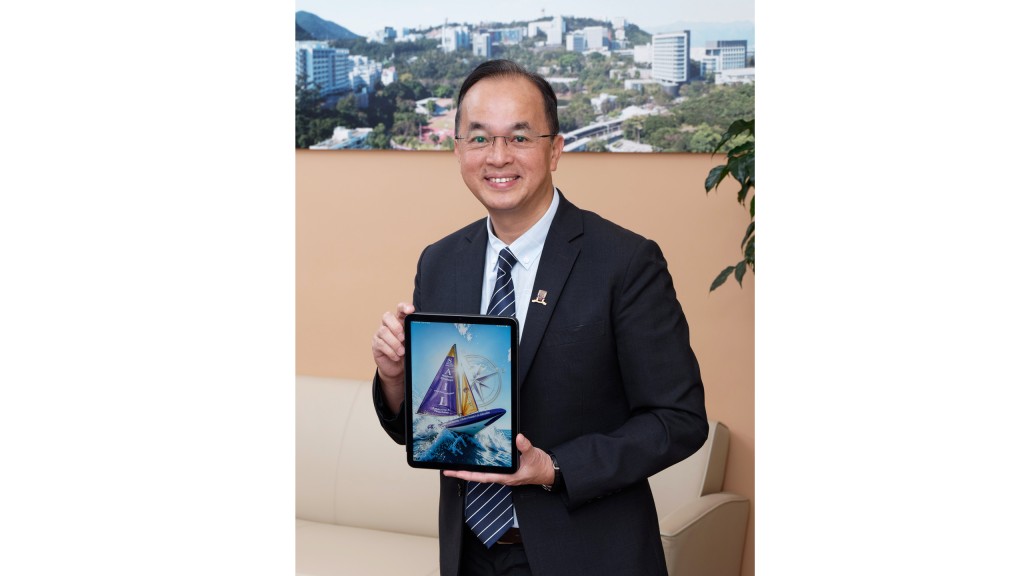
Research will focus on three areas: AI, physical and social well-being , and the development of the next generation of education leaders.
“The Faculty has already surpassed many institutions in AI education, particularly in research and citation rates. We have about 50 professors, of whom 21 are among the world’s top 2% of scientists,” he says.
He stresses that research should not remain at the theoretical level but should focus on applications in real-world settings. For example, the Faculty will explore how to bring artificial intelligence into classrooms, train teachers and support students with special educational needs.
Student well-being is equally important. Faculty members, with professional counselling qualifications and extensive student support experience, offer care to students facing crises or difficulties. They work closely with CUHK’s Wellness and Counselling Centre to provide comprehensive, sustained support for personal development and overall well-being.
He observed: “Many teachers today are ‘digital immigrants’, yet the students they teach are ‘digital natives’, which presents them with many challenges. The Faculty plans to launch an AI-related master’s programme to nurture a new generation of education leaders capable of responding to artificial intelligence, sustainable development and educational transformation.”
Learning and teaching will increasingly centre on integrating AI into curricula and education about the Sustainable Development Goals (SDG).
The Faculty is already working with the Faculty of Engineering on the JC GoAI project, developing AI learning and teaching resources that introduce AI into different subjects from Primary Four to Secondary Form Three.
It also encourages problem-based and project-based learning and assessment. Students can explore real issues such as climate change, sustainability and population ageing, applying knowledge and technology to respond to social needs.
Having traditionally focused on training local teachers, the Faculty now seeks to give students more international exposure through learning, exchanges and research.
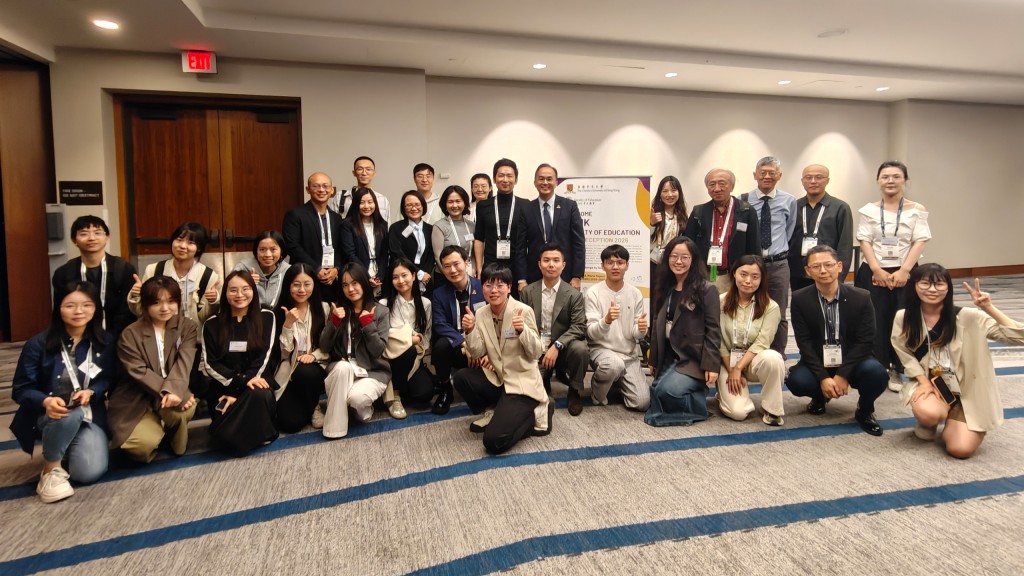
Overseas Immersive Learning and student exchange programmes already connect students with leading universities in countries including Britain and Canada. These experiences introduce different educational environments and cultures, broadening international perspectives and strengthening intercultural communication.
Research partnerships are another priority. Shortly before the interview, he returned from Britain, where he had discussed collaboration with five or six universities over two weeks. The Faculty is also exploring partnerships with universities in Thailand, South Korea and Australia.
“Working alone in Hong Kong is simply not enough. We should step outside our comfort zone and give greater emphasis to collaboration across the Greater Bay Area, the Chinese Mainland, regionally and internationally,” he says.
The Faculty also plans to hold two to three international academic conferences annually over the next few years.
For him, social impact depends on whether knowledge reaches schools and communities.
The Centre for University and School Partnership, which he oversees, has promoted early childhood education and play-based teaching in primary schools.
“Of Hong Kong’s approximately 900 kindergartens, nearly half have adopted the play-based teaching concepts promoted by the Faculty in their classrooms,” he says.
The Quality School Improvement Project primarily supports secondary schools, helping them devise improvement strategies and strengthen their capacity for ongoing development.
The Faculty also provides more comprehensive support for autistic students and those with special educational needs, whose needs receive less attention. Robot for Autism Behavioral Intervention® (RABI) offers comprehensive intervention for autistic students and their families, supporting learning, development, social skills and emotional well-being. It has benefited about 15,000 students and gained government and international recognition, including at the QS Reimagine Education Awards 2024.
The Faculty has also introduced its first Outstanding Alumni Principal Award Scheme. Using the Professional Standards for Principals of Hong Kong (T-standard+) as its assessment framework, it recognises alumni principals’ achievements in leadership, innovation, professional ethics, well-being and social impact, while sharing successful practice to advance Hong Kong education.
Reform brings additional work for teachers and professors across the Faculty’s many programmes, he acknowledges. Nevertheless, it must continue as education changes.
Government, university and school partnerships also need to extend beyond projects lasting one or two years. He hopes longer-term perspectives and collaboration mechanisms will allow research to continue strengthening education and contributing to society.