
Read More
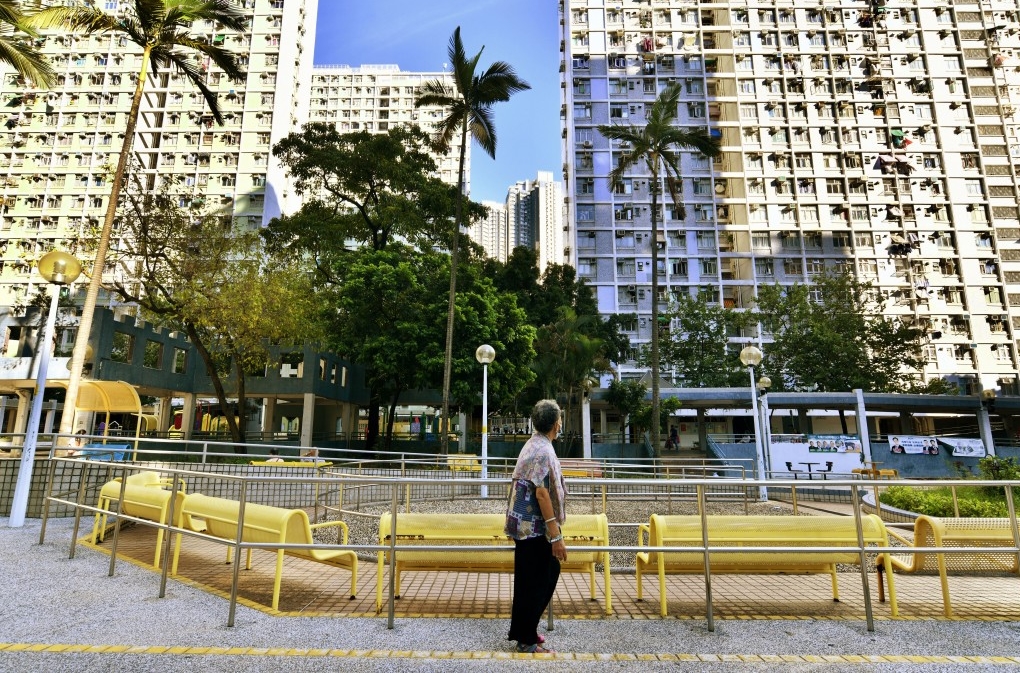
Lawmakers have called for more housing options for middle-income families, including reviving Group B Rental Estates and the Tenants Purchase Scheme.
ADVERTISEMENT
SCROLL TO CONTINUE WITH CONTENT
Their call followed comments made by Secretary for Housing Winnie Ho Wing-yin on avoiding duplication among subsidized housing in the city's housing ladder.
Speaking on a radio program on Tuesday, lawmaker Dennis Leung Tsz-wing said many residents earn above the income ceilings for public rental housing and Home Ownership Scheme (HOS) flats, yet still cannot afford private homes. He proposed reviving Group B Rental Estates, which are designed for middle-income households to provide an additional option between HOS flats and private homes to fill the gap.
He also urged the government to coordinate with the MTR Corporation to set aside lower-floor units — typically cheaper — as starter-home projects when developing properties, widening the path to homeownership.
For young people under 40, he proposed government units rented slightly above public housing rates, with part of the rent diverted into a savings fund to help young tenants build a down payment for HOS flats or private homes.
As for the government studies relaunching the Tenants Purchase Scheme, lawmaker Chan Hok-fung urged it to review the previous scheme's shortcomings and recommend changes on pricing, transferability and management, saying he hoped results would be released this year.
With one million public housing units expected in the city, he said the government needed to consider how to handle the remaining units once most residents moved up the ladder.
He further recommended that the government adjust its long-term housing policy to allow public housing tenants to "rent first, buy later."
Under his proposal, grassroots families could buy their existing public rental flats after about 20 years as their financial situation improves.
He proposed basing prices on residents' actual affordability — for example, households paying "double rent" would have that sum converted into mortgage payments and multiplied by 20 years, putting units at roughly HK$800,000 to HK$1 million.
He said this would give grassroots families stable homes while returning public housing assets to government coffers for future investment.