Read More




Morning Recap - November 18, 2026
4 hours ago






Severe influenza cases among children during Hong Kong’s latest summer flu season were slightly higher than in the previous winter season, health authorities said, as the city transitions into the winter influenza period.
The Centre for Health Protection (CHP) under the Department of Health earlier announced that the summer influenza season has ended, with the winter season expected to arrive soon.
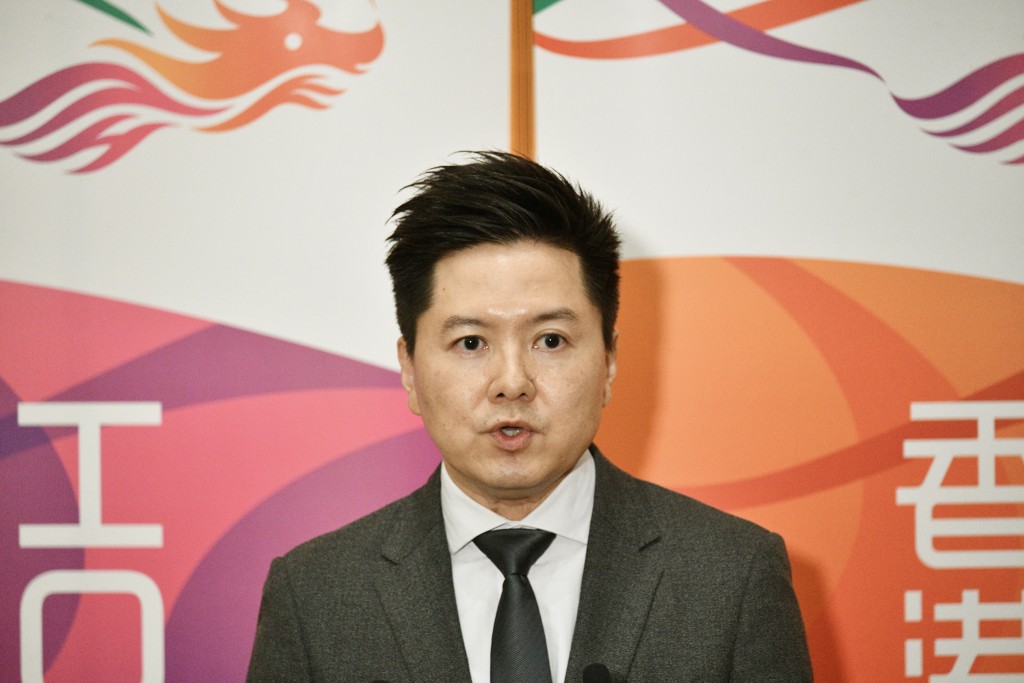
Speaking on a radio program on Thursday, CHP Controller EdwinTsui Lok-kin said recent surveillance data showed the influenza virus positivity rate had fallen from a peak of 4.94 percent to 4.08 percent, while hospitalization rates had dropped below the baseline level, marking the end of the summer season.
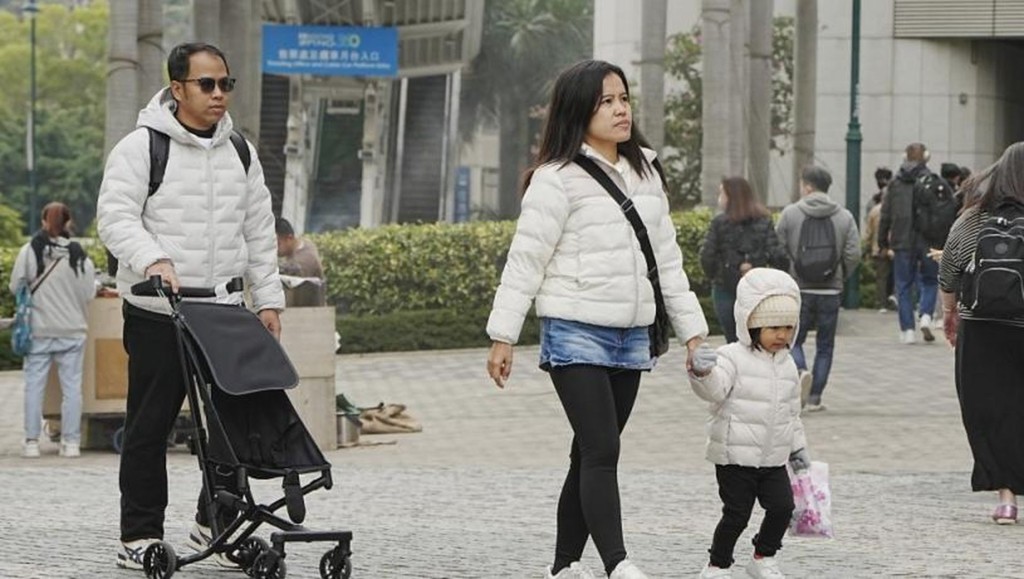
The summer flu season lasted about four months and was mainly dominated by the influenza A (H3) strain, which primarily affected older adults and young children.
Tsui said the season recorded 532 severe adult cases, including 345 deaths, figures that were comparable to previous summer influenza seasons.
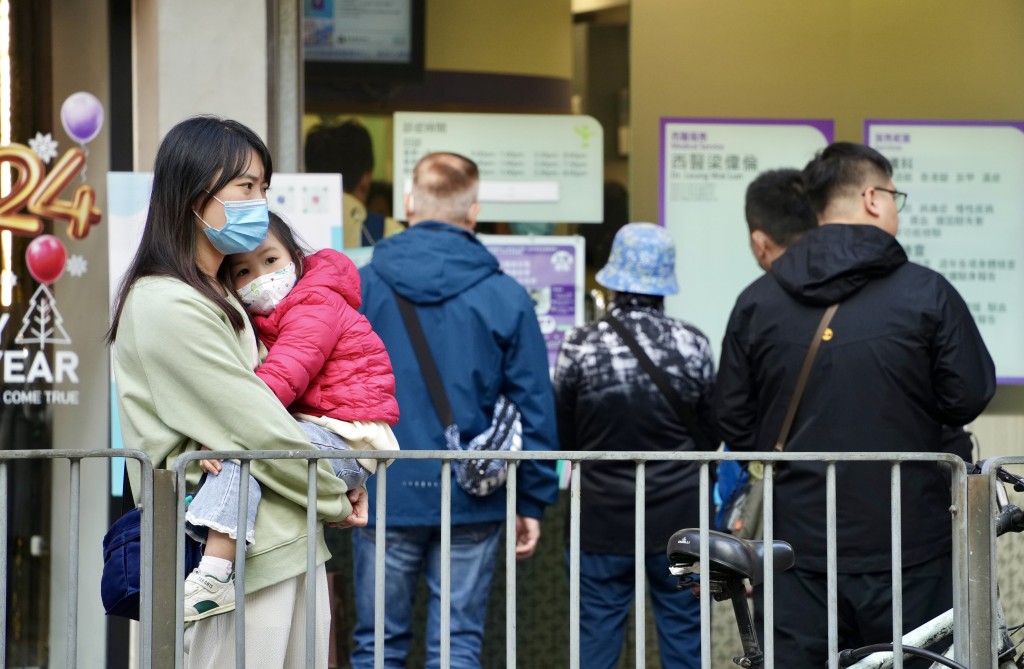
However, there were 25 severe pediatric cases, a number Tsui described as “slightly higher” than that recorded in the previous winter influenza season.
He said the rise may be linked to the timing of the summer peak, which coincided with the start of the school year in September, when some students had not yet received influenza vaccinations.
Tsui noted that there is currently no overlap between the summer and winter influenza seasons and that overall flu activity remains at a low level. However, he said it is difficult to predict precisely when the winter influenza season will begin.
Based on past experience, peak activity usually occurs between January and March and is often associated with colder weather and periods surrounding the Lunar New Year holidays, he noted.
He also warned that influenza viruses are known to “change frequently,” and that while the summer season was dominated by the H3 strain, the winter season could shift to influenza A (H1) or other strains. Tsui cited 2024 as an example, when a change from H3 to H1 prolonged the overall influenza season to seven months.