Read More
We know from ground and space observations that worlds beyond our solar system, known as exoplanets, do exist.
ADVERTISEMENT
SCROLL TO CONTINUE WITH CONTENT
Scientists have found 5,528 exoplanets in 4,115 planetary systems, with 934 systems having more than one planet.
Launched on December 25, 2021, the James Webb space telescope, the largest and most powerful, allows scientists to look at what our universe was like about 200 million years after the Big Bang.
It captured images about how the universe formed and analyzed the atmospheres of nearby exoplanets. It is looking for gases produced by biological life, known as bio-signatures, and chemicals produced by advanced alien civilizations, known as techno-signatures.
On October 20, Christopher Altman, a NASA-trained commercial astronaut, addressed the question of life beyond Earth at the NewSpace Conference in Hong Kong Cyberport, the digital technology flagship and incubator for over 2,000 entrepreneurships.
Astronauts are trained to be expert pilots able to perform while living on the edge and succeeding in doing what others see as a mission impossible.
Entrepreneurs possess many of these traits and work tirelessly to achieve the momentum to launch new businesses.
I want to look at the four traits astronauts and the most successful startup founders have in common.
The first is determination.
Astronauts and entrepreneurs must be honest about motivation and use that as a long-range target. They have to keep focused and set goals that are challenging but attainable.
There are no wishy-washy astronauts. Most started thinking about a career in space when very young and worked to gain the skills necessary to realize the goal.
Former NASA astronaut Mae Jemison, the first African-American woman to travel with the shuttle Endeavour in 1992, advised others to set a goal that is very far out and approach it in little steps to get there faster.
Next, they should be realistic in planning.
Risks like competition and market fluctuations don't mean startups shouldn't try. But they do mean understanding the challenges correctly and mitigating or sharing risk. If you can't make it happen by yourself look to a cofounder and partner.
Getting a venture off the ground takes uncommon gumption. But most startup experiences are not as dangerous as a shuttle pilot who sits atop the largest hydrogen-oxygen fueled system.
Contingency planning is the third.
In some ways launching a business parallels that of a space mission. There's so much that can go wrong, and there's always the chance a startup will fail.
Around 80 percent of new businesses fail, according to Bloomberg. Taking on a new venture and flying a shuttle requires the CEO and the astronaut to be accountable for every detail.
The shuttle was one of the most complicated things ever built, and if each person on the team wasn't fanatical about every detail someone can die. Failure is not an option.
Finally, they learn a lot from mistakes.
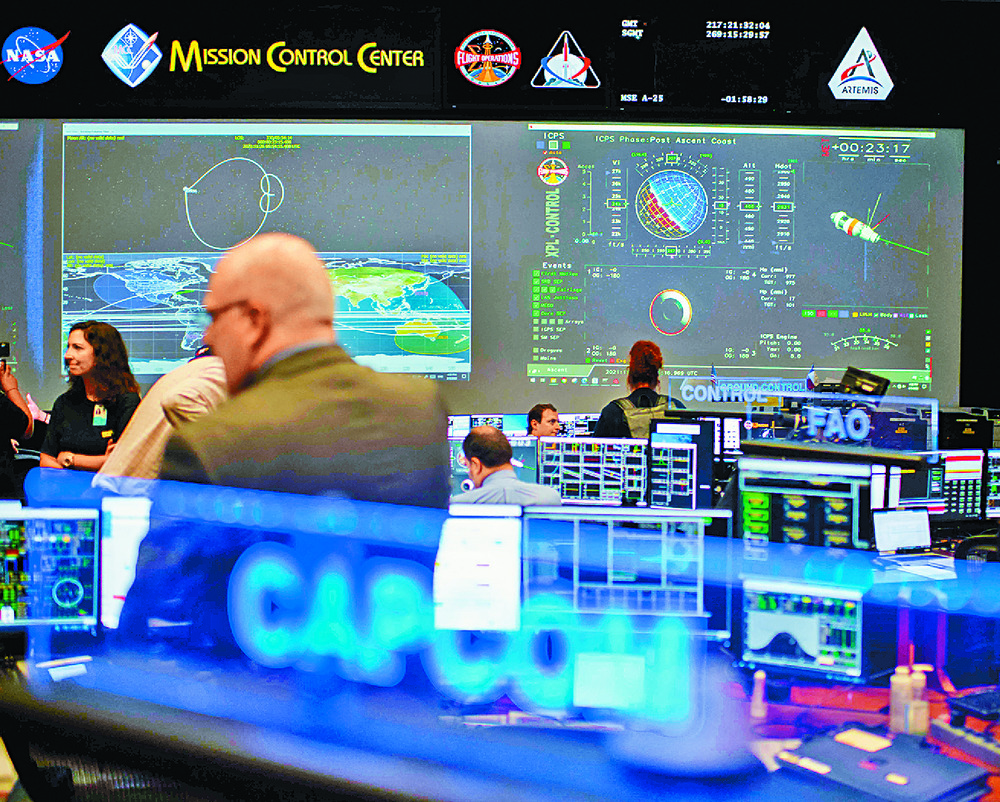
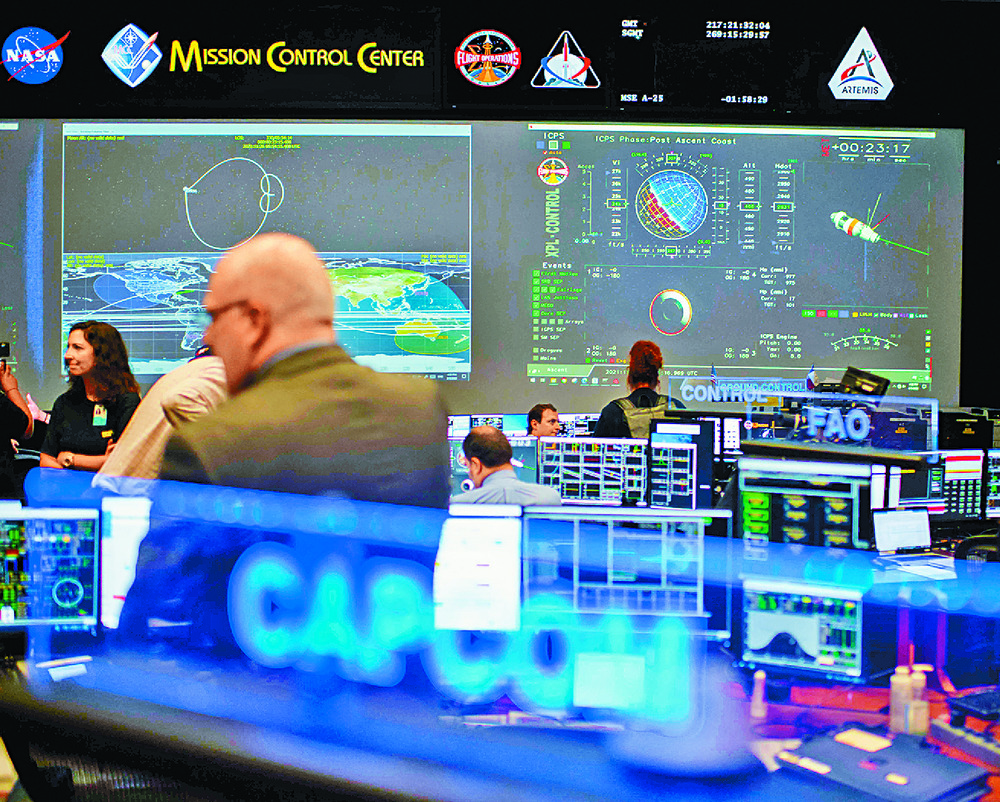
On April 13, 1970, when one of Apollo 13's oxygen tanks exploded, command module pilot Jack Swigert had to deliver the stark news at mission control in Houston.
Commander James Lovell followed by describing the problem as simply and succinctly as possible because the ground control engineers needed to know exactly what had happened to correct it. Concluding as a successful failure, the crew used the lunar module as a "lifeboat" during the return trip to Earth.
Similarly all startups are going to meet challenges along the way. They may find they suddenly need to upgrade their knowledge base, learning Python programming, for example, or the latest digital marketing techniques.
Our young entrepreneurs need "astropreneur" mentality to look into the future.
Dr Jolly Wong is a policy fellow at the Centre for Science and Policy, University of Cambridge