Since the dawn of time, humanity has yearned for peace, order, and a system to safeguard its existence.
In the ancient Near East, where the magnificent civilizations of Mesopotamia and Egypt flourished, justice was never merely about dry legislation. Instead, it was a living, breathing belief connecting the earth to the heavens, making personal morality the true measure of human worth and the ultimate path to eternity.
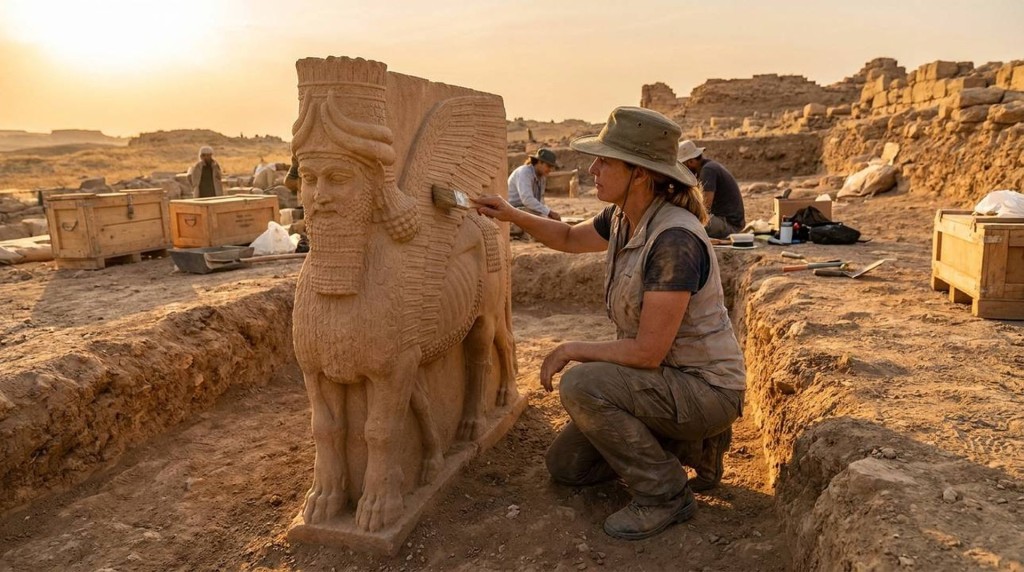
In the thriving cities of Mesopotamia, rulers realized that a stable society required clear boundaries. This profound need birthed written laws, most notably the Code of Hammurabi.
The king did not rule as a tyrant, but rather as a humble steward guided by the god of justice. His sacred mission was simple yet noble: to protect the weak from the strong. Through this, justice shifted from a personal favor to a fundamental human right.
Though punishments were sometimes harsh, the ultimate goal was to deter wrongdoing, preserve social harmony, and protect the daily lives of families and workers.
Meanwhile, in Ancient Egypt, justice took on a profoundly spiritual and cosmic dimension through Ma’at, the ultimate symbol of truth and absolute harmony. Instead of relying on rigid legal codes, Egyptians leaned on a moral compass governing the human conscience. Ma’at was depicted wearing a delicate feather, the very feather against which a person’s heart was weighed in the afterlife.
Justice wasn’t merely about settling earthly disputes; it was about maintaining the universe’s balance. A sin was not just a broken rule, but a disruption of nature itself that cost a person their eternal peace.
These two great civilizations offered us beautifully complementary visions. Mesopotamia brought divine justice down to earth through written laws that protected society, while Egypt elevated human morality to the heavens, making a pure conscience the scale that balances the universe. Together, they reflect humanity’s timeless quest for truth and fairness.
Amjad Refai is the director of the Arabic Programme at the University of Hong Kong