
Read More
Hong Kong has always had a soft spot for a good crime drama. But public interest in the recent Abby Choi murder trial took things to another level. The Judiciary set up overflow courtrooms with live broadcasts to accommodate the crowds, with hundreds reportedly queuing from 6am for the 9.30am session.
ADVERTISEMENT
SCROLL TO CONTINUE WITH CONTENT
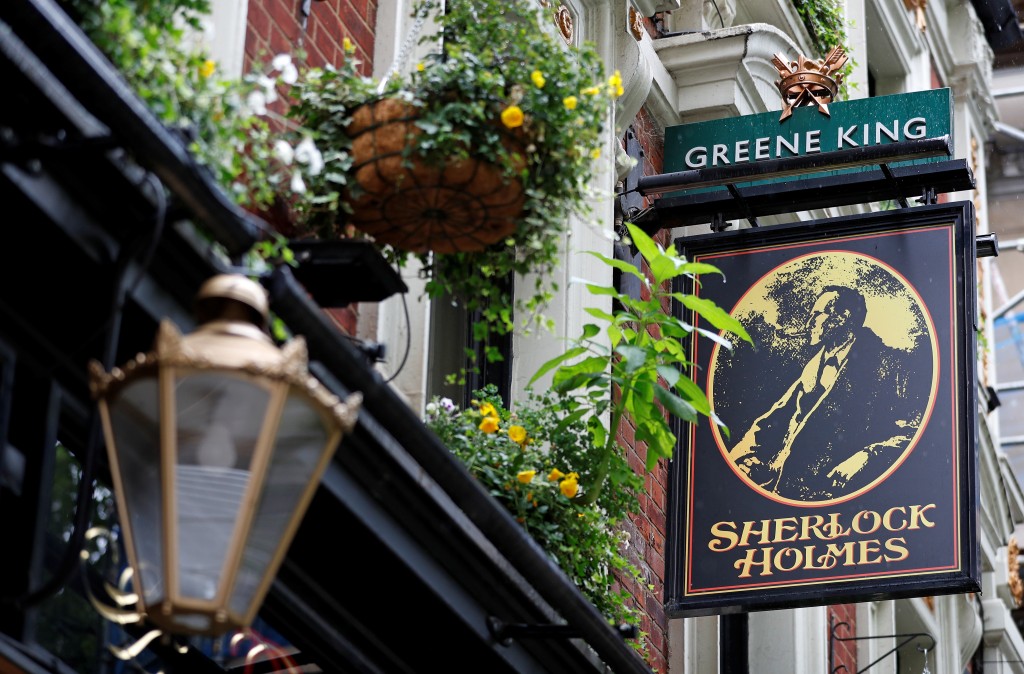
One might have thought Sherlock Holmes had come to Hong Kong to solve one last case. Everyone wanted to piece together the clues and reach their own verdict before the jury had even retired. There is nothing inherently wrong with such fascination. Indeed, it offers a rather striking illustration of open justice, an elementary foundation of our rule of law.
A criminal trial is not a whodunit, and a courtroom is no theater. Public hearings are not there to entertain, but to ensure that justice is administered in the open. The public should be able to see how evidence is tested, witnesses cross-examined and judicial decisions reached.
This matters particularly when the Judiciary attracts public criticism. Too often, people judge judicial decisions by headlines rather than by the evidence and reasoning behind them. A newspaper report, however well written, can rarely convey the full picture. It cannot capture every nuance of cross-examination or the judge’s assessment of the evidence. Watching proceedings firsthand may well be the difference between understanding a judgment and simply disagreeing with it. That, ultimately, is the essence of open justice: justice must not only be done, but must be seen to be done.
Article 87 of the Basic Law and Article 10 of the Hong Kong Bill of Rights Ordinance protect the right to a fair and public hearing. These are not mere formalities. It is a cornerstone of the rule of law.
While we may all fancy ourselves as Sherlock Holmes, public interest in a trial serves a purpose far greater than mere crime detection. As Lord Atkin once put: “Justice is not a cloistered virtue”; the public has an elementary role to play – not to deliver the verdict, but to make sure that justice is never a “locked-room mystery.”
Victor Dawes SC is a practicing barrister. He is a former Chairman of the Hong Kong Bar Association and currently Co-Chair of the Hong Kong International Arbitration Centre