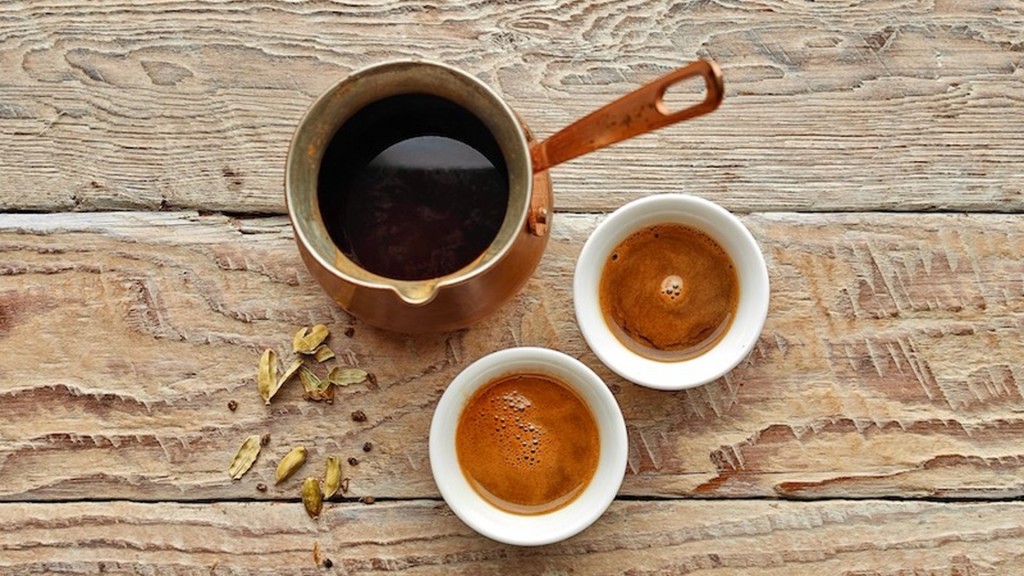
Arabic coffee, or qahwa, is far more than a beverage – it is the very essence of authentic identity and a profound symbol of reverence. Deeply woven into the fabric of Arab culture, it graces every human experience, from joyous weddings and festive Eids to moments of solemn mourning. Passed down through generations, our ancestors fondly called it "the bitter coffee." Yet, the true wonder lies in its creation: how coffee beans and cardamom were masterfully blended to produce a distinct bitterness that is, paradoxically, the magical secret of its captivating charm.
To perfectly balance this beloved bitterness, the coffee is eternally paired with the sweet date, the fruit of the majestic palm tree. Deeply revered in Arab heritage and divine scripture, the palm tree stood for centuries as a resilient beacon of life, offering nourishment against the unforgiving desert sands. Today, the date has gracefully transformed from a humble survival necessity into a luxurious emblem of welcome. Offered first to the guest, its rich, natural sweetness flawlessly prepares the palate for the ritual that follows.
Serving this coffee is an intricate art and a profound language of honor. According to authentic etiquette, the host holds the traditional ornate pot, the dallah, in the left hand and the small, handleless cup in the right. The subtle clinking of the cup against the spout is a gentle melody announcing the arrival of warmth. Every drop poured carries a silent, powerful message: The first cup honors the guest, the second elevates the mood, and the third seals a bond of protection and brotherhood.
Even a simple shake of the cup holds deep meaning, politely signaling satisfaction. Ultimately, the bitter coffee and the sweet date mirror the beautiful contrasts of life itself. To partake in this ritual is to experience a timeless symphony of flavor, etiquette, and an enduring kinship that transcends generations.
Amjad Refai is the director of the Arabic Programme at the University of Hong Kong