Read More


Night Recap - October 23, 2026
10 hours ago




Late police constable Chu Chun-kwok to receive full honors funeral on Fri
22-10-2026 15:33 HKT

Kyle Kennedy, granddaughter of Robert F. Kennedy, dies at 42
22-10-2026 04:11 HKT


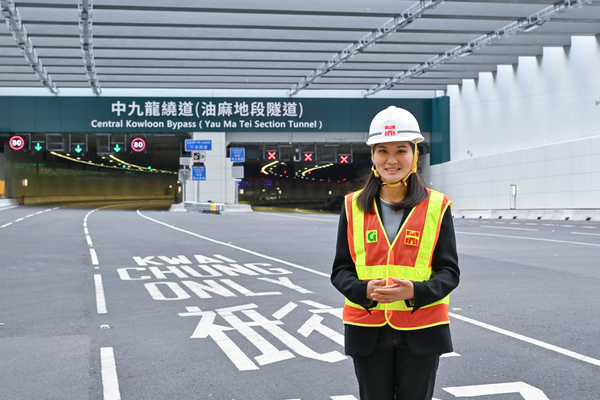
The Transport Department noted that the construction of the Yau Ma Tei Section of Central Kowloon Bypass, which will be commissioned next Sunday (Dec 21), demanded meticulous route planning and the ability to surmount numerous challenges.
The authorities said on Sunday (Dec 14) that the project is an underground tunnel passing through Central Kowloon, one of Hong Kong’s most densely populated urban areas.
The section spans 4.7km, including 3.9km of a three-lane, two-way tunnel, and will connect the Kai Tak Development Area and Kowloon Bay in East Kowloon to the Yau Ma Tei Interchange in West Kowloon.
It will slash the journey time from Yau Ma Tei to Kowloon Bay from approximately 30 minutes during peak hours to around five minutes.
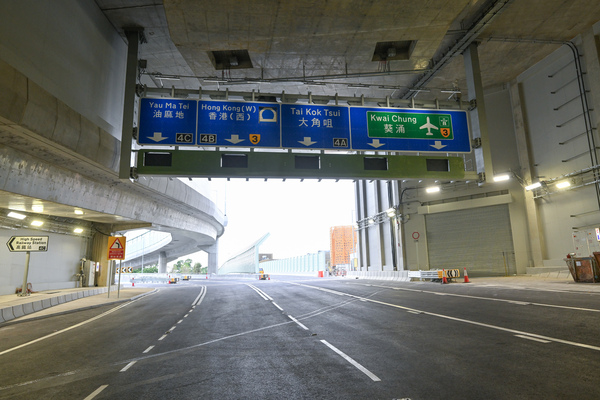
The TD noted that construction of a 370-metre-long underwater tunnel connecting Ma Tau Kok and Kai Tak involved adopting a temporary reclamation method, with the original seabed restored post-construction to minimise environmental impact.
The tunnel between Ma Tau Kok and Yau Ma Tei, measuring 2.8km, was constructed using the drill-and-blast method, with some 2,400 blasts executed.
Highways Department Senior Engineer (Central Kowloon Route) Yanis Poon Ka-Yan said that it was essential during these works to ensure that the approximately 240 buildings above and near the tunnel, including Queen Elizabeth Hospital, remained unaffected.
“Near the hospital area, blasting was limited to specific 15-minute intervals each day to ensure medical equipment was not affected,” explained Poon on the controlled timing of tunnel blasting.
She added that the project team switched to the drill-and-break method at the intersection point to ensure railway operations were unaffected, as the tunnel passes extremely close to the MTR lines, with a minimum distance of only 3m.
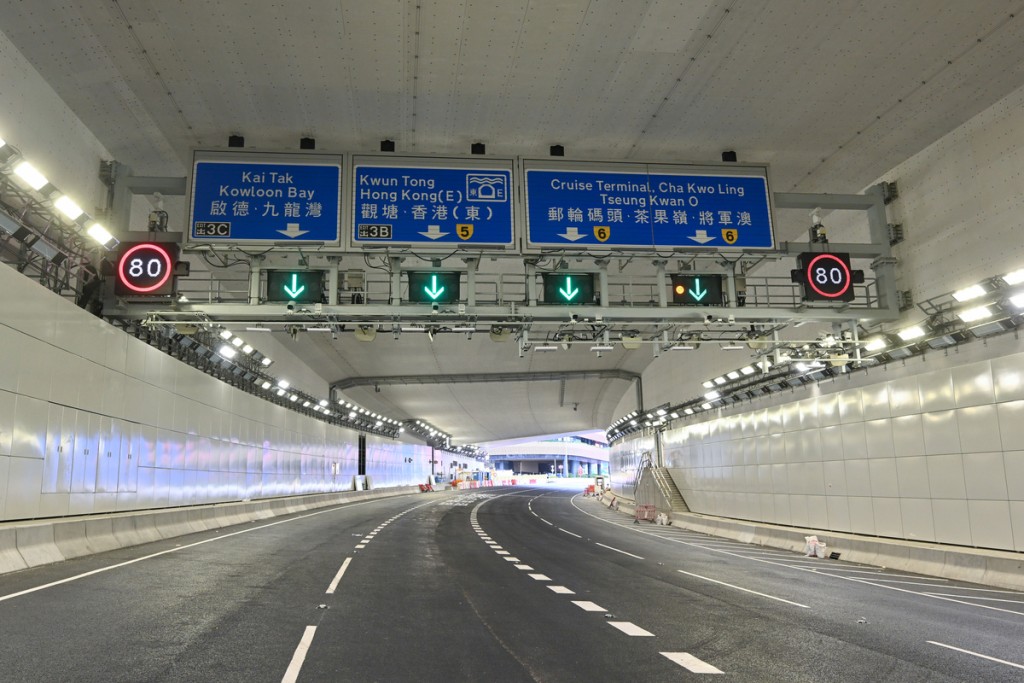
Another challenge came with the construction of a 400-metre-long tunnel under Kansu Street in Yau Ma Tei, the route of which overlapped with the existing Gascoigne Road Flyover.
The project team had to relocate the flyover and demolish the Yau Ma Tei Car Park Building to construct the tunnel while maintaining the traffic flow during the entire construction period.
“To address this complex task, the team executed demolition and relocation in phases to maintain road user safety throughout construction,” Poon said.
Furthermore, the department also deployed a Smart Over-Height Vehicle Detection System, which utilises detection cameras, light detection and ranging technology, and artificial intelligence during the construction.