
Read More
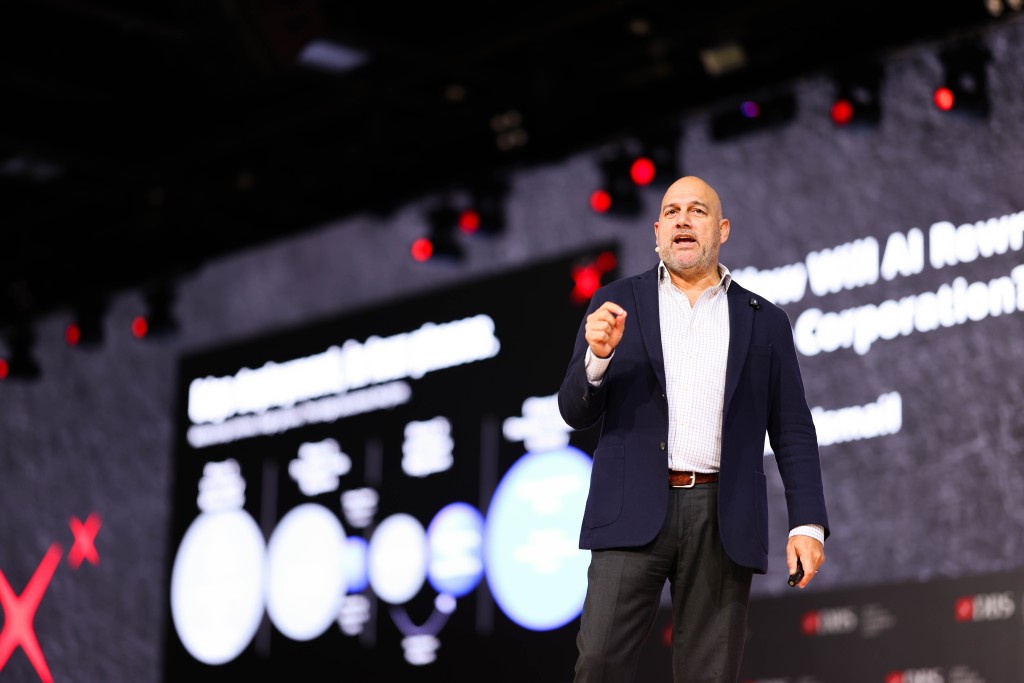
All mathematics will be solved soon and cancers are curable, thanks to AI, predicts Salim Ismail, chairman of OpenExO and author of the bestselling book “Exponential Organizations.”
ADVERTISEMENT
SCROLL TO CONTINUE WITH CONTENT
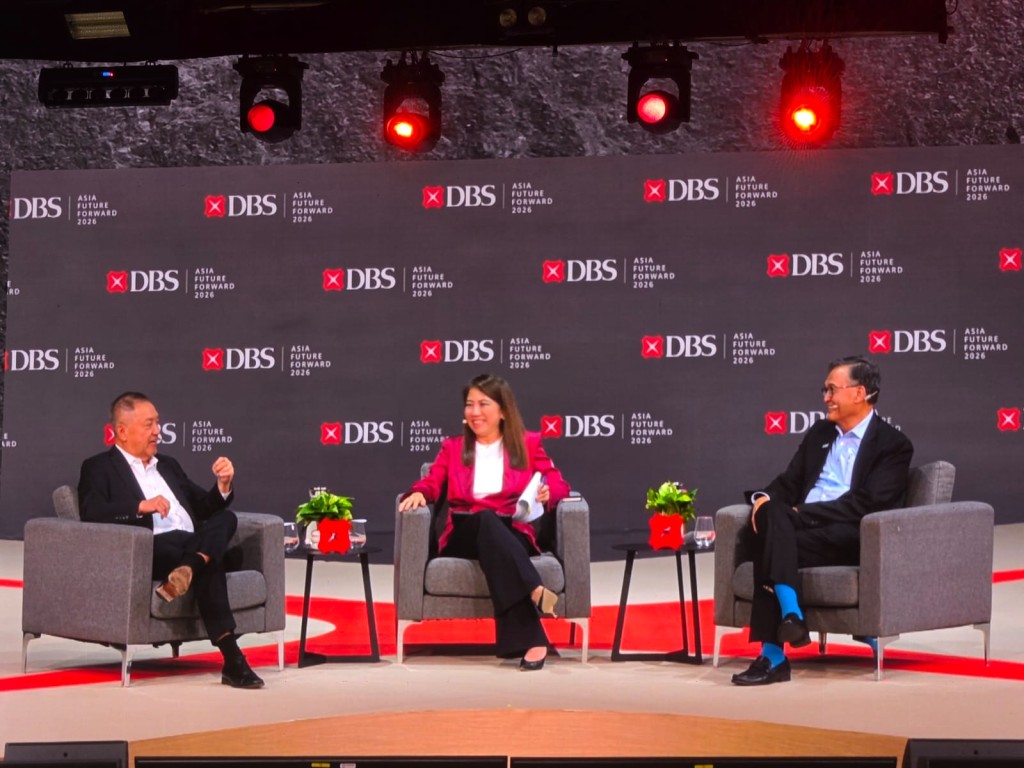
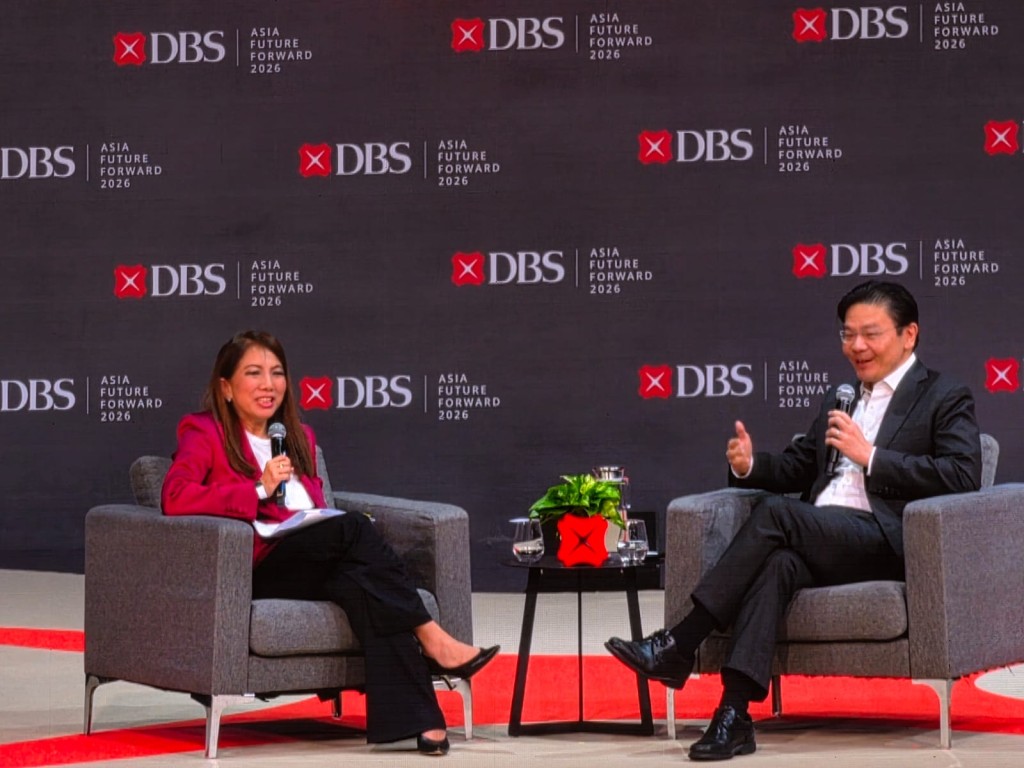
Speaking at the DBS Asia Future Forward Conference, Ismail said solving mathematics would unlock breakthroughs in physics and biology, potentially leading to cures for cancer.
AI doubling every 10 Weeks
Ismail said AI systems today are doubling in capability every 10 weeks, with recursive self-improvement already at approximately 85 percent — meaning each new AI model is used to build 85 percent of the next generation.
“What happens when we get to 100%? Nobody knows.”
‘Beat them until they define AGI’
He challenged common narratives about AI, arguing it will not take all jobs and that AGI and consciousness remain undefined concepts.
“There are 14 different definitions of AGI,” he said. “Next time somebody says we’re going to get to AGI, take a stick and beat them until they define exactly what they mean.”
95 percent of AI projects are failing
Ismail emphasized that while AI is the most powerful technology ever created, 95 percent of AI projects are failing because organizations are automating legacy human bottlenecks rather than rethinking processes from an intelligence-centric perspective.
He cited the 1937 Nobel Prize-winning work of Ronald Coase, who argued companies exist because transaction costs are cheaper internally.
“Today, it’s cheaper to build a product feature than to have the meeting about building it,” Ismail said.
Asia’s leapfrog opportunity
He urged organizations to focus on adaptability and flexibility over efficiency and predictability, noting that Fortune 100 companies using exponential organizational characteristics delivered 40 times the shareholder returns over seven years compared to those that did not.
For Asia, Ismail expressed optimism, saying the region can leapfrog to new models without unlearning decades of legacy thinking.
He called on Singapore and Dubai — the only two places he identified as doing proactive rather than reactive policy — to lead the rethinking of all institutions, from education and healthcare to legal systems.
“Whoever figures out the future of institutions is going to run the world for the next 100 years,” he said.