
Read More
Broadcom chief executive Hock Tan said AI chip demand will keep outpacing supply for at least two more years, but warned that many investors are treating the sector like a casino and have no idea what they are investing in.
ADVERTISEMENT
SCROLL TO CONTINUE WITH CONTENT
Intel chief executive Tan Lip Bu said future AI infrastructure will rely on a mix of chips, which he termed “XPUs”, and quantum computers.
Demand to outpace supply
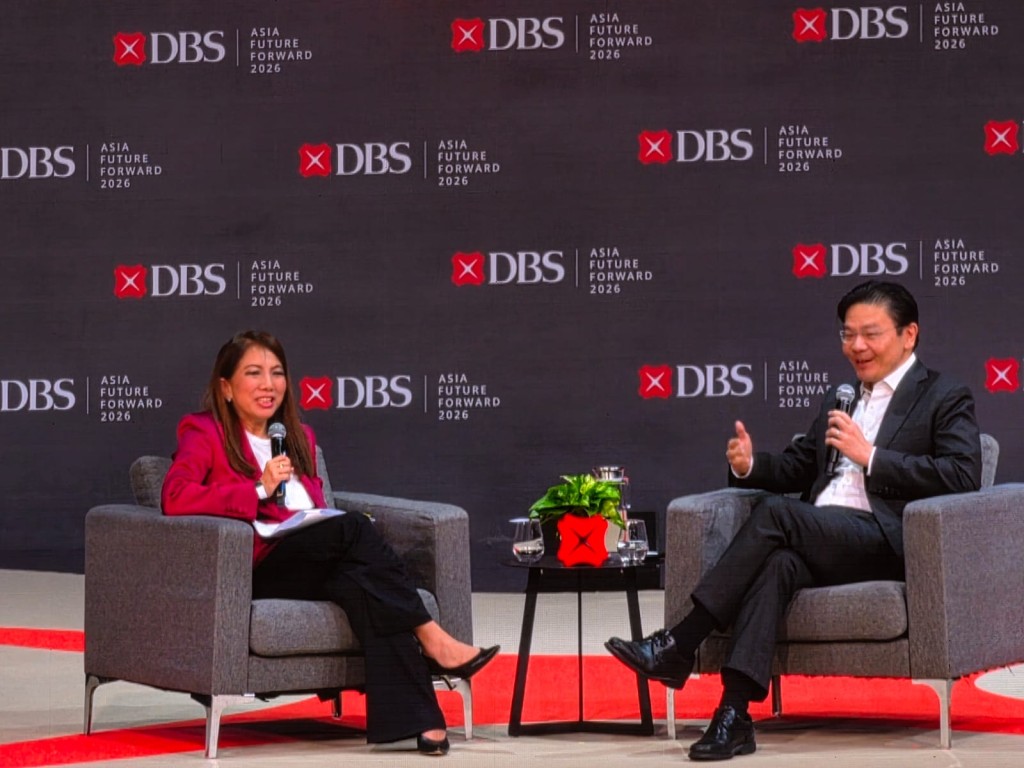
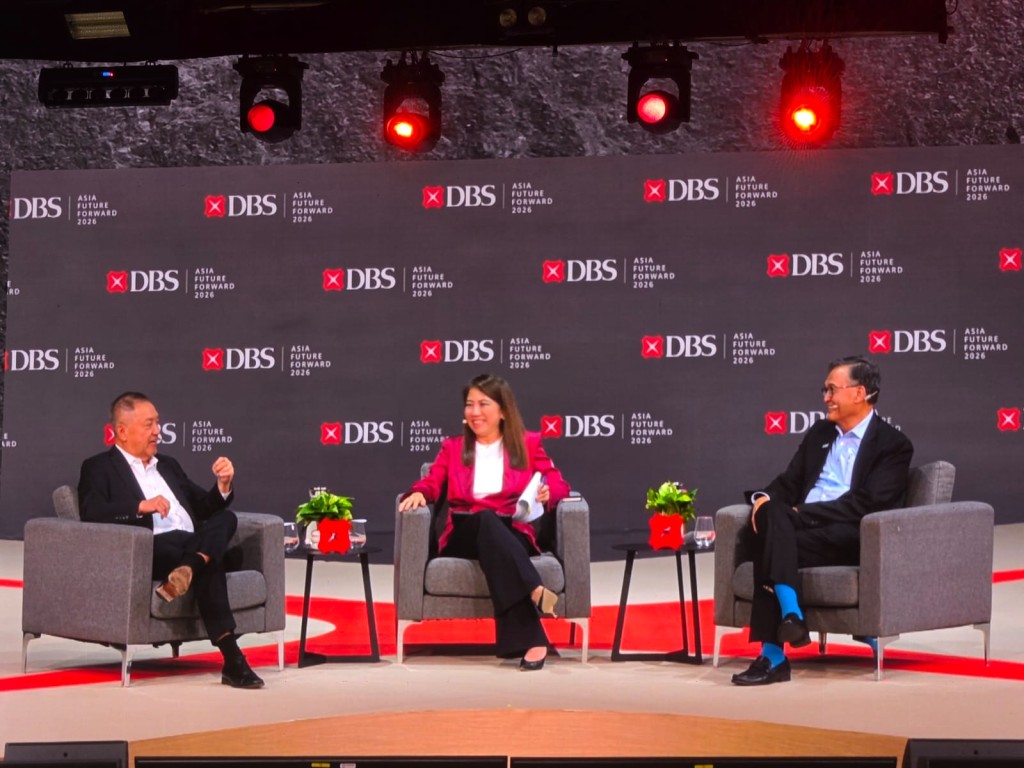
Speaking at the Asia Future Forward conference hosted by DBS chief executive Tan Su Shan, Hock Tan said he does not know what will happen in 2029 or 2030, but he is confident about the near term.
“That is more demand [for] infrastructure than we can supply,” he said, adding the imbalance could continue if AI diffuses quickly through enterprises. If diffusion slows, or frontier models stop improving exponentially, the boom could cool.
Capital may be the biggest bottleneck
He said bottlenecks keep shifting — wafers, memory, power, land — but the biggest constraint may be capital.
OpenAI not overvalued; investors are gambling
On OpenAI, which wants to raise US$30 billion (HK$234 billion) at a US$1.4 trillion valuation, Hock Tan rejected the idea that it is overvalued. Instead, he blamed investors for setting extreme expectations without understanding the technology.
“It’s almost like they are in a casino gambling.”
Most companies are wasting money on tokens
He also warned that most companies just waste money spending tokens like kids in a video arcade.
Tan Lip Bu said AI is bigger than the internet. The first wave was training; the next will be inference and physical AI. He flagged memory, supply chain and power as constraints, and said the industry must also address cybersecurity and promote a positive narrative.
Combined chip XPU
On architecture, Tan Lip Bu said the future is not one chip fits all. GPUs are powerful for training, CPUs are useful for inference orchestration and reinforcement learning, and specialized accelerators will handle specific workloads.
“It would not be just standalone... You have a combination of the different — I call it the XPU, you can be Q,” he said, referring to quantum.
He expects quantum to become mainstream in three to five years, with early use cases in drug discovery, chemistry and new materials. Intel has invested in quantum startups and software.
Value is moving up the stack
Hock Tan added that value is moving up the stack but cautioned that selling “picks and shovels” alone will not sustain the boom. The real driver, he said, is whether frontier AI companies can create models that generate enough value — and returns — to justify the buildout.