At CityUHK and through i2Cool, Prof Edwin Tso Chi Yan is redefining sustainable cooling with materials that work without power
In densely populated urban environments like that of Hong Kong where rising temperatures and energy demand are putting pressure on infrastructure, Professor Edwin Tso Chi Yan aspires to reduce cooling costs without relying on electricity.
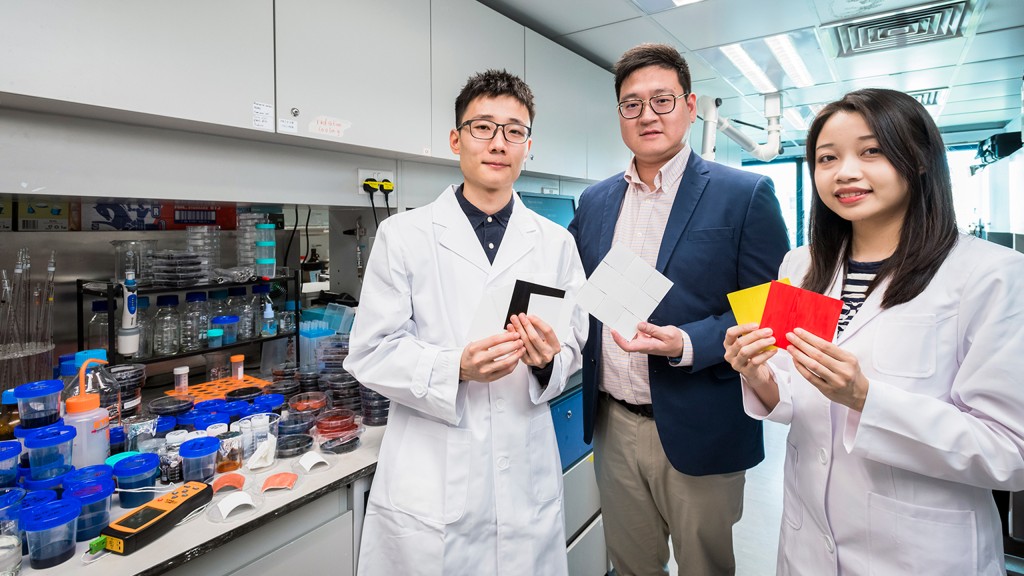
As an Associate Professor at CityUHK’s School of Energy and Environment (SEE) and co-founder of the start-up i2Cool, Prof Tso’s work in passive radiative cooling is reshaping how cities can stay cool in a more sustainable way.
Making Cooling Accessible, Scalable and Smart
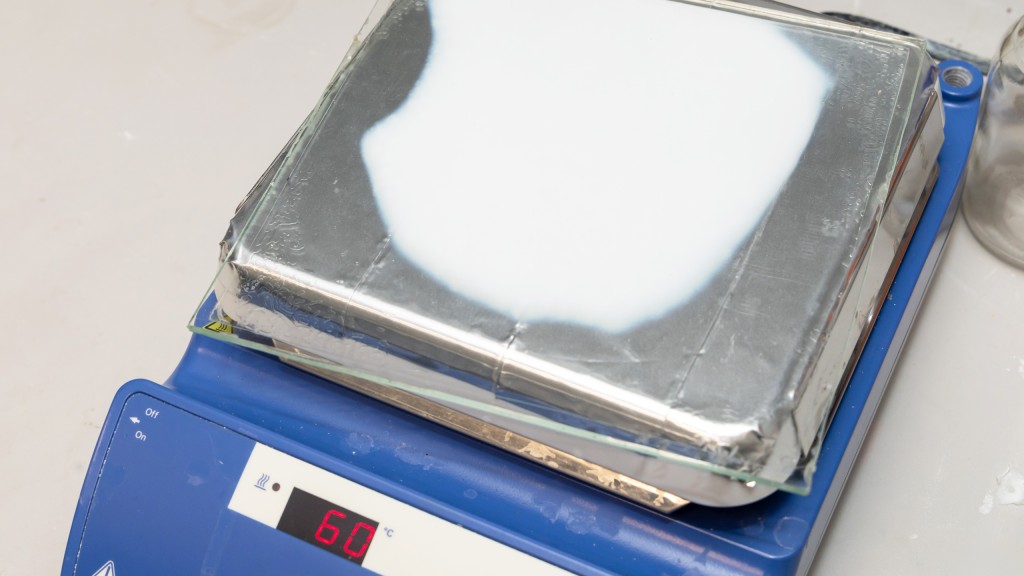
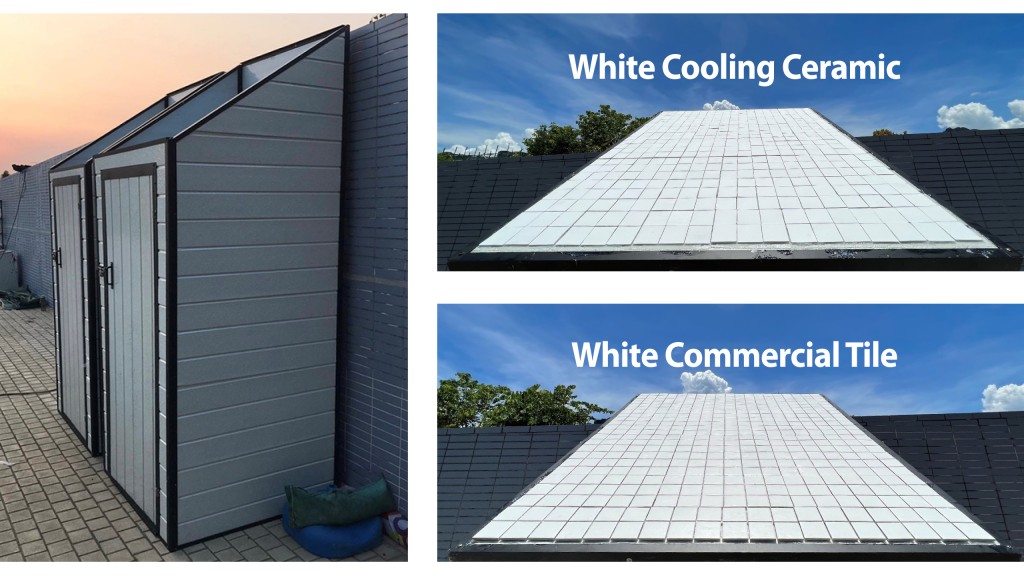
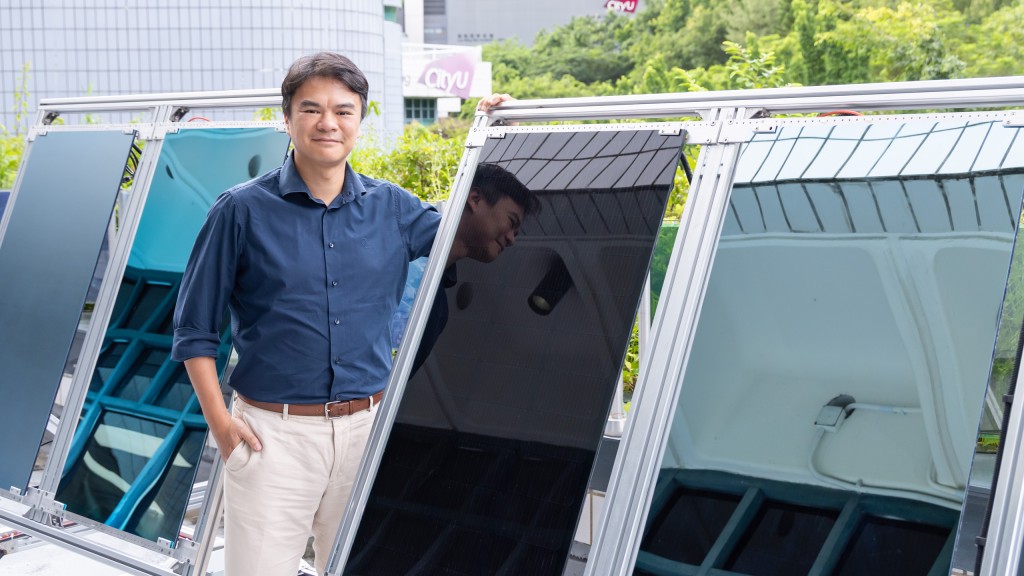
Prof Tso’s most celebrated innovation is iPaint™, a passive cooling coating that reflects sunlight and emits heat as infrared radiation, without using any energy input. Deployed on rooftops, building façades and even pavements, this material can lower surface temperatures by up to 50°C under direct sunlight.
“We wanted to create something that worked with nature. Something simple, scalable and powerful – cooling that doesn’t need wires or electricity,” he says.
Originally developed in his lab, iPaint has now been commercialised through i2Cool, a CityUHKspin-off that has completed over 300 projects across 39 countries. From sports stadiums to shopping malls and housing estates, i2Cool has demonstrated that passive cooling can be affordable, deployable and globally relevant.
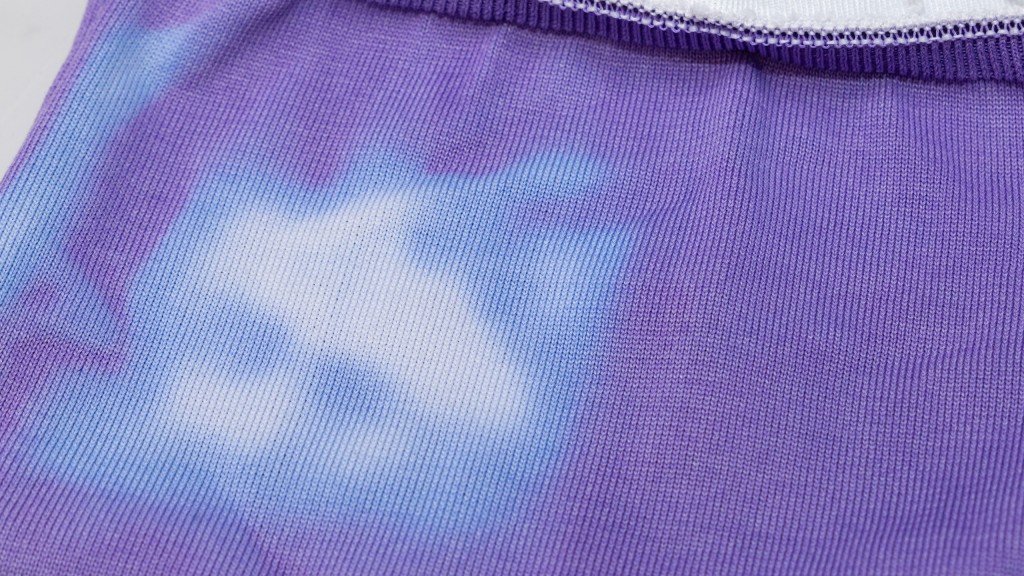
His innovations go further than paint. His team has developed cooling membranes, fabrics, and ceramics, all designed to reduce heat absorption while remaining durable and cost-effective. In Southeast Asia, where cooling places a heavy burden on electricity grids, these technologies have already attracted strong interest.
“Cooling is a major part of global electricity use,” he notes. “We have to find ways to cool smarter, without burning more energy to do it.”
The Science behind the Simplicity
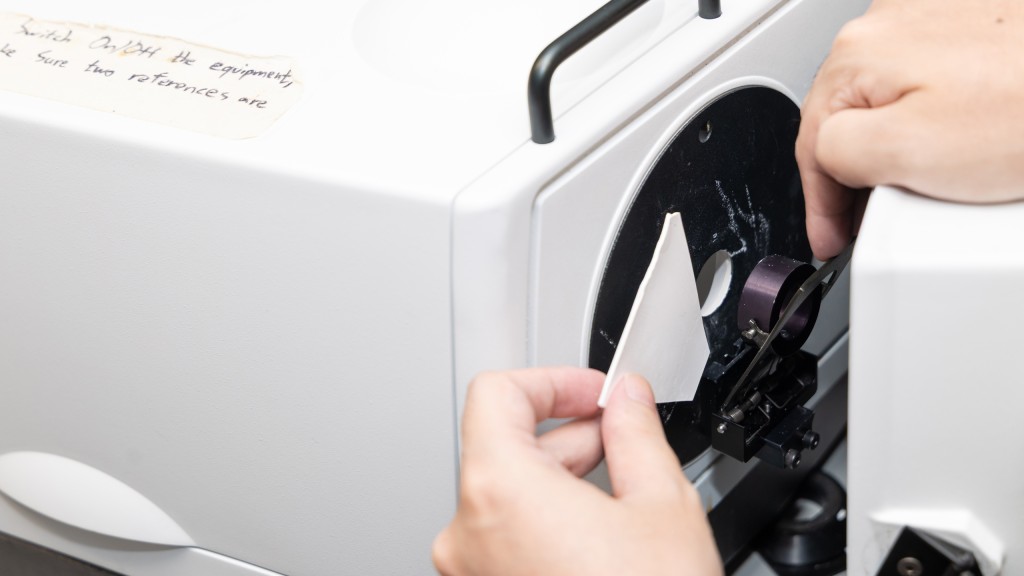
Prof Tso’s work is grounded in a deep understanding of heat transfer, photonics and materials engineering. Their coatings began as simple white paint, but after extensive market research and conversations with clients to better understand their needs, his team has expanded the product line to include membranes, fabrics and other customised cooling solutions.
Recent breakthroughs from his team include a bio-inspired meta-film that dynamically responds to changing heat and moisture levels, enhancing cooling performance in diverse climates. They are also developing multifunctional coatings that combine radiative cooling with self-cleaning or pollutant-degrading capabilities.
From Lab to Global Market
Prof Tso’s commercialisation journey is a case study in effective tech translation. i2Cool began as a research project and gained momentum through support from CityU’s HK Tech 300 and external innovation grants.
By working with property developers, architects and urban planners, the start-up has built a robust pipeline of real-world applications. Collaborations with Towngas, Hang Lung properties, and the Hong Kong Coliseum have helped validate the technology in high-profile, high-impact environments.
Importantly, i2Cool’s growth aligns with global demand for ESG-conscious solutions. “Companies and governments alike are looking for ways to show carbon savings. We give them a low-cost, high-visibility solution,” he remarks.
HKICE and the Power of Translation
Prof Tso is a key contributor to the success of HKICE. He collaborates with HKICE researchers in materials science, photonics and smart cities, and his translational success with i2Cool is often cited as a model for applied innovation.
He says: “HKICE has the brainpower, the network, the ambition. What I try to bring is proof of what happens when an idea is carried through to real-world application.”
He supports HKICE’s mission to turn clean energy research into tangible, scalable solutions, and often represents the Institute in public forums, seminars and school outreach. “We need to show young people that science can be both high-tech and hands-on.
“At the end of the day, it’s about people using what we’ve created.” He’s passionate about mentoring students, many of whom have gone on to join i2Cool or build their own ventures. “I want to show them that science doesn’t stop at discovery. It leads somewhere meaningful.”