Read More







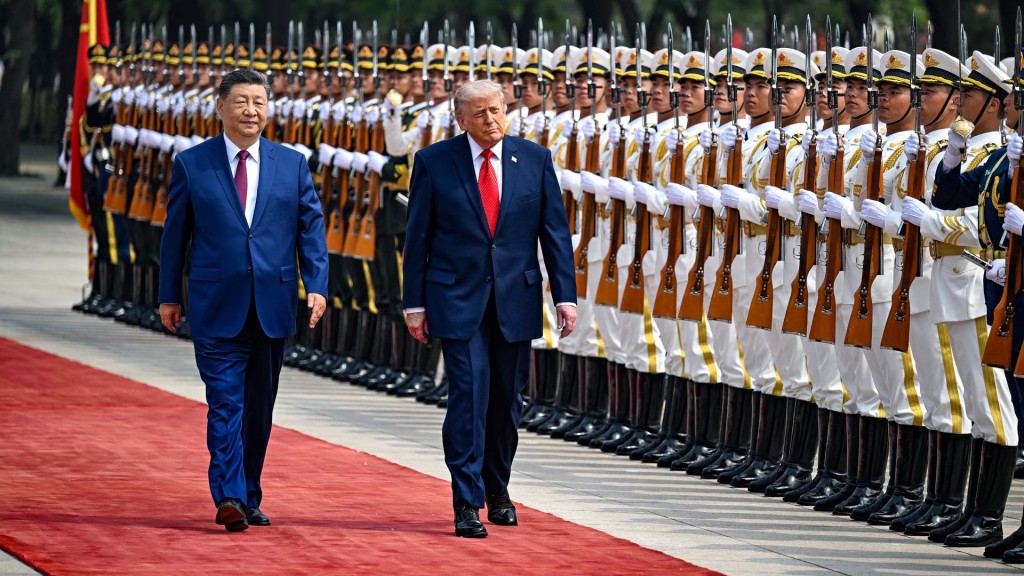





Trading and logistics contribute more than one fifth to Hong Kong's GDP, employing over half a million people.
So one can only imagine how great an impact it could be if major shipping companies planned fewer port calls to the city in 2025.
The fear is that this scenario could indeed be occurring.
Alphaliner's recent report, which edged Hong Kong out of the top-10 container ports in 2023 for the first time, bodes ill for those engaged in trading and logistics.
I normally do not attach too much importance to where a place or an institution ranks in a global chart because, first, there is always more than one chart and, second, where a place or an organization ranks may not mirror the actual situation.
For example, an index preferred by the city's transport and logistics bureau is the Xinhua-Baltic International Shipping Centre Development Index, which places Hong Kong fourth in the world as an international container port.
Also, the University of Hong Kong ranks variously in different global charts.
Even though Hong Kong has slipped from 10th to 11th in the latest Alphaliner report, it would be less than a concern if the city had recorded an increase in throughput even though its competitors had been performing better.
In such a situation, the impact on the economy and, more crucially, employment would be minimal.
But this is not the case.
Hong Kong falling out of the top 10 was not only due to others performing better - the real issue is that the city has recorded a significant drop in throughput to become the second worst performer in terms of growth.
According to Alphaliner, the volume of twenty-foot-equivalent containers handled in Hong Kong fell 14.1 percent to only 14.3 million units in 2023.
That means the city has lost about one third of its container business in the past decade.
The figures are dramatic and will continue to have an impact on the economy and employment, bearing in mind that both trading and logistics are major contributors to the city's economy and employment.
The Trade Development Council groups trading and logistics together because they are closely related but, even if considered alone, logistics still contributes over 6 percent to the GDP and employs over 180,000.
Naturally, government officials may not be convinced by the Alphaliner report as the Xinhua-Baltic index throws a much better light on Hong Kong's container port.
That is not an issue as everyone has their own opinion.
Nonetheless, the most realistic approach is to look at exactly how many containers are being handled in Hong Kong as the volume directly affects the incomes of those involved in the chains.
It looks likely that the situation will be more challenging next year as major shipping companies, including members of the Gemini Cooperation and the Alliance - formed by a number of shipping companies in various countries - are reported to be skipping the city as they plan their schedules for 2025.
After rebuffing critics, it is vital for Transport and Logistics Secretary Lam Sai-hung to get down to business to get Hong Kong back on these major shipping schedules.