Read More







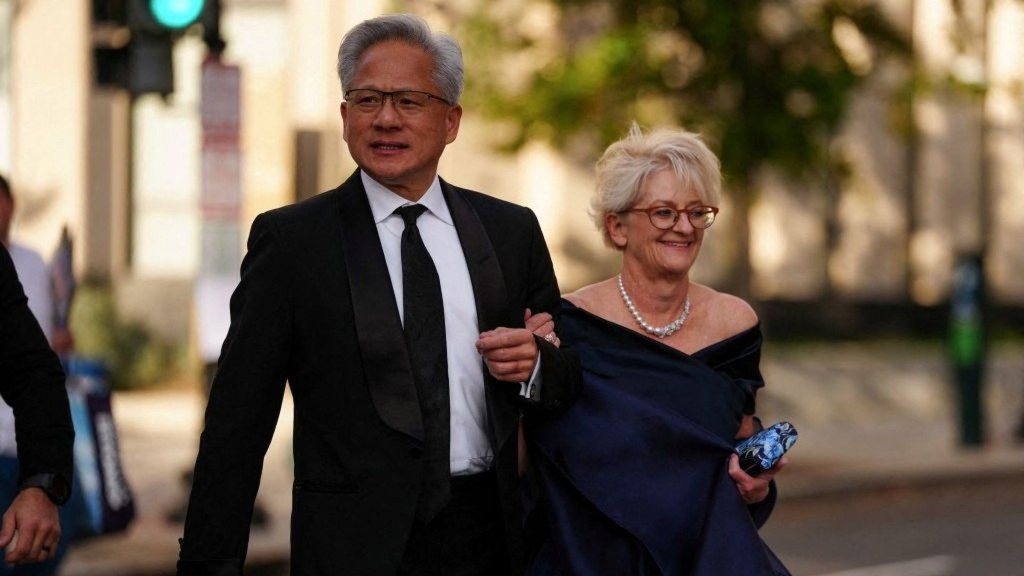


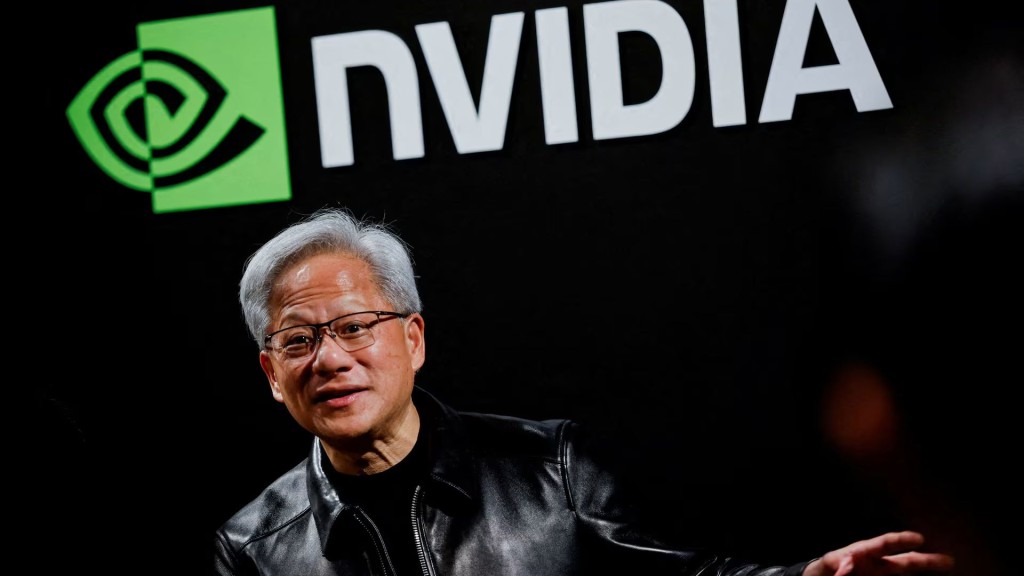
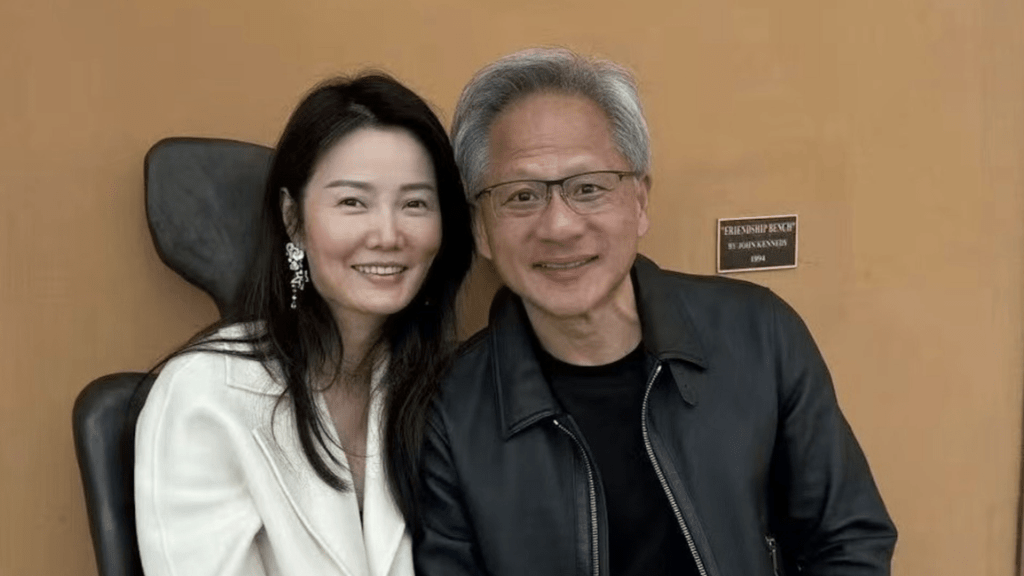
The espionage allegations against Nvidia chief executive Jensen Huang raise uncomfortable questions about their timing. The sudden uproar over his ties to Alice Huang – an ex-executive at Singapore-based Megaspeed – ignores an established timeline. In reality, Megaspeed has faced US scrutiny for years over bypassing export controls. While Secretary of State Marco Rubio circulated a classified memo warning of these risks in spring 2026, President Donald Trump was reportedly briefed on the intelligence last October, shortly before meeting Chinese President Xi Jinping in Busan.
This delayed detonation suggests a coordinated effort by Washington’s power brokers. Capitalizing on the Democratic “Blue Wave” that triggered last Thursday’s massive market sell-off, the political class appears to be using the crisis to politically assassinate the most successful Chinese-American entrepreneur in US history, vaporizing US$430 billion (HK$3.35 trillion) in Nvidia’s market value over two days, and chaining the entire AI industry to Washington’s anti-China chariot.
The second glaring coincidence is Washington’s timing. Huang faces a congressional hearing on November 18 – the exact day President Trump meets Xi at the APEC summit in Shenzhen.
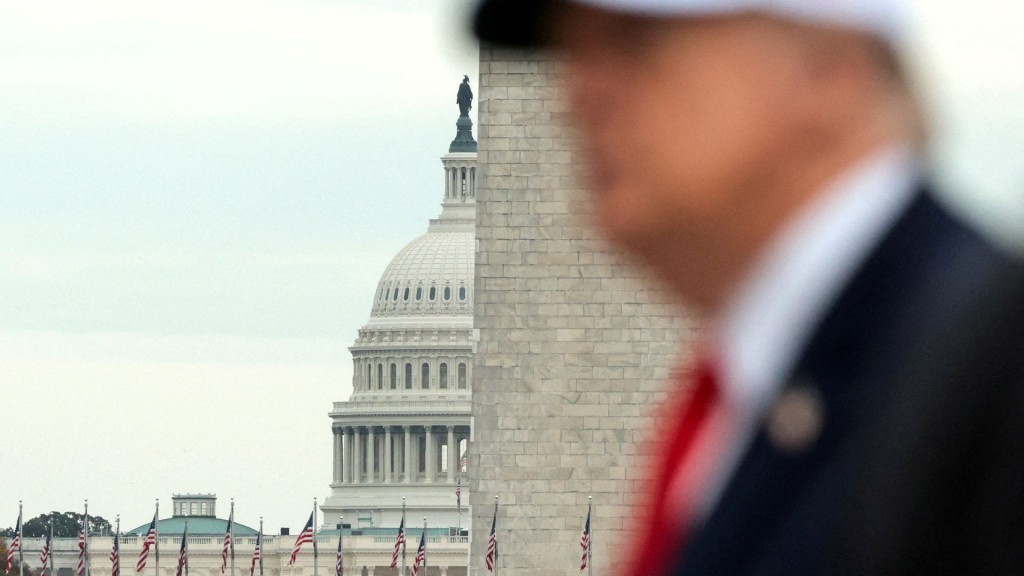
China and the United States have maintained a tactical trade truce since Busan, showing signs of stabilizing relations. However, putting Huang on public trial will undoubtedly cast a heavy shadow over the anticipated talks, as the “China threat” theory regains fervent momentum on Capitol Hill.
The APEC summit will also test the “China Plus One” strategy, placing attending Southeast Asian leaders in a difficult dilemma. Originally designed to mitigate the escalating US-China trade war, this strategy has ironically helped China circumvent US AI export controls. By regionalizing value chains, tech components are seamlessly routed through Asean markets like Singapore and Malaysia – the very epicenters of the Megaspeed smuggling allegations.
Just as Winston Churchill warned of an Iron Curtain descending across Europe in 1946, Washington is now attempting to drop a “Silicon Curtain” across Southeast Asia. However, this economic coercion will likely prove counterproductive. Forcing Asean states to abandon their strategic neutrality directly infringes upon their economic sovereignty and threatens their core growth engines. The semiconductor industry accounts for nearly 40 percent of Malaysia’s exports and roughly 11 percent of Singapore’s global chip output. By jeopardizing these economic lifelines with unpredictable sanctions, Washington’s ultimatums inadvertently push these non-aligned nations further into Beijing’s orbit.
While Congress pushes legislation to prevent unauthorized technology diversion, Washington’s strategy to strangle China’s tech development will not succeed easily. By integrating the Global South into China’s tech ecosystem through the Digital Silk Road and open-source models like Qwen, Beijing is building an alternative framework. The resulting export revenue and developer feedback loop directly bankrolls China’s domestic chip breakthroughs. As global supply chains and digital markets inevitably intertwine around these accessible technologies, surgical decoupling becomes impossible, ultimately neutralizing the American blockade.
Despite the China-US tech Cold War resurfacing before the Shenzhen summit, a vital common ground remains. To prevent apocalyptic scenarios – such as an autonomous system hallucinating a threat within a nuclear network or engineering bioweapons – Washington and Beijing must urgently cooperate. While both sides have held initial dialogues on AI risks, they must now move beyond non-binding rhetoric. By negotiating binding treaties to ban AI from nuclear command-and-control and establishing direct algorithmic crisis hotlines, they can prevent catastrophic miscalculations. As the tech war escalates, preventing an autonomous apocalypse might be the critical issue keeping both nations at the negotiating table.