
Read More
As the city transitions from the culinary indulgences of the Hong Kong Gourmet Month into the dazzling illuminations of WinterFest, the tourism sector finds itself standing before a golden seasonal opportunity.
ADVERTISEMENT
SCROLL TO CONTINUE WITH CONTENT
Following the success of late autumn’s wine and dine initiatives – which effectively stimulated local consumption and drew hundreds of thousands of international food enthusiasts to the Central Harbourfront – the focus now shifts to the lucrative year-end holiday season. For Hong Kong, maximizing this period requires capitalizing on a distinct, structural advantage that no other regional competitor possesses: its authentic, city-wide Christmas atmosphere.
The East Asian exception
In the landscape of East Asian tourism, Hong Kong enjoys a near-monopoly on the traditional, immersive Christmas experience. While the holiday is acknowledged globally, its observance in neighboring jurisdictions is notably muted.
In mainland China and Taiwan, December 25 remains a standard working day, with festivities largely confined to superficial commercial displays inside major shopping malls. In Japan, Christmas is not a public holiday and is traditionally treated as a niche, romantic occasion for couples rather than a civic festival. Even in South Korea, where it is recognized as a public holiday, celebrations remain relatively subdued, lacking the massive civic scale seen elsewhere.
Hong Kong, by contrast, is uniquely empowered by its inherited East-meets-West festive DNA. Anchored by consecutive public holidays for Christmas and Boxing Day, the entire city seamlessly transforms into a winter spectacle.
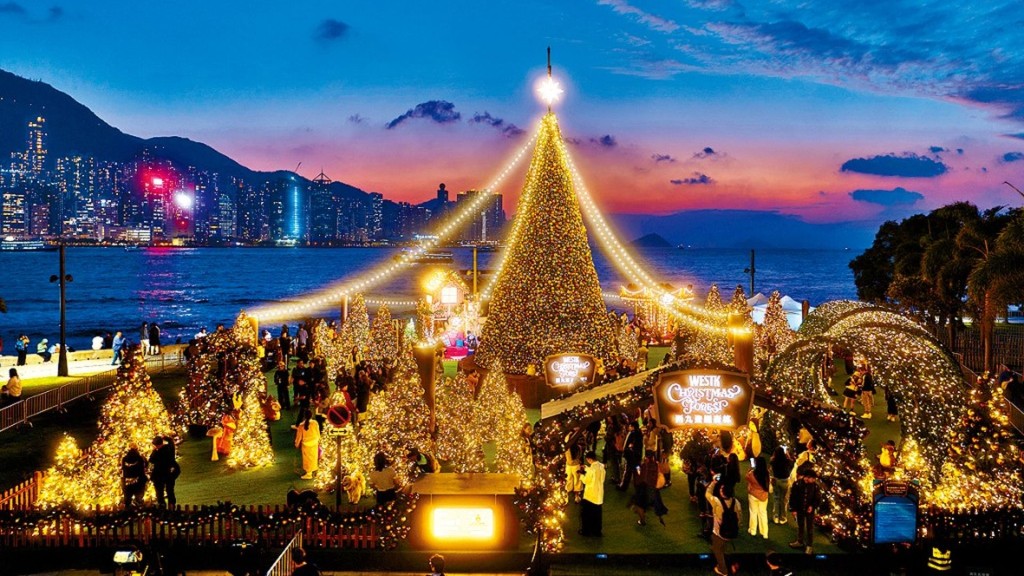
The centerpiece of this transformation is undeniably Victoria Harbor. For decades, the glittering skyscrapers flanking both sides of the harbor have served as a massive, synchronized canvas for Christmas lights. The sprawling building facades in Tsim Sha Tsui East and Central light up with spectacular LED displays and traditional motifs, creating a breathtaking, skyline-scale attraction that rivals the festive displays of New York and London. Coupled with the massive 20-meter-tall Christmas tree at the West Kowloon Cultural District and world-class seasonal events at local theme parks, this illuminated harbor view creates a comprehensive holiday environment that simply cannot be replicated anywhere else in the region.
A lucrative culinary pivot
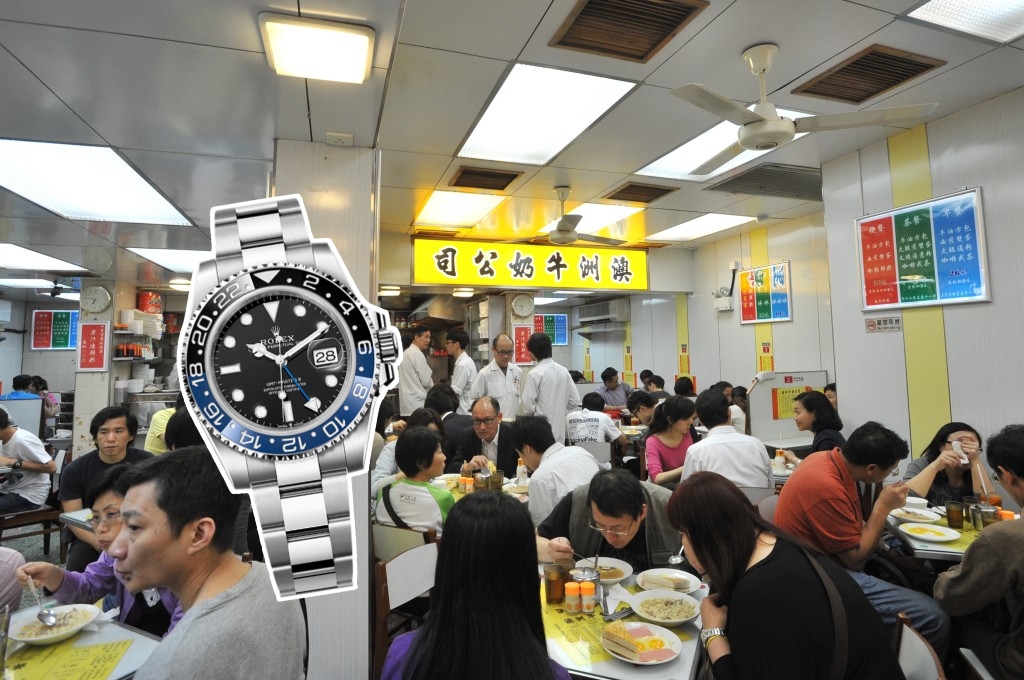
To translate this cultural advantage into hard economic data, the Hong Kong Tourism Board and local stakeholders are pivoting their winter marketing strategy toward high-yield, experiential tourism. The November Gourmet Month serves as the perfect launchpad for this transition. Boasting over 17,000 licensed dining establishments and a globally recognized culinary scene, the city has already primed the market for premium consumption.
The strategy moving forward can synergize these culinary assets with the visual draw of WinterFest. Currently, the traditional retail sector is facing significant headwinds due to shifting mainland consumer habits and a strong local currency.
However, global tourism statistics consistently show a permanent structural shift: modern travelers are dedicating a significantly higher percentage of their travel budgets to “experiences” – specifically dining, skyline-view bars, and unique cultural events – over physical luxury goods.
By marketing Hong Kong as the undisputed “Christmas Capital of Asia” to short-haul markets, the city can drive targeted economic growth. If the hospitality sector can bundle harbor-view festive dining with exclusive holiday events, hotels could reliably target occupancy rates exceeding 85 percent through late December, offsetting sluggish traditional retail sales with high-margin food and beverage revenues.
By fully embracing its unique position as the most festively vibrant city in East Asia and capitalizing on its iconic illuminated skyline, Hong Kong can transform the holiday season into a powerful economic engine.