Read More









The revelation that Nvidia chief executive Jensen Huang engaged in an extramarital affair with a suspected Chinese intelligence asset is not merely a tabloid scandal; it is a seismic event in the global technology cold war.
On November 8, Huang admitted to a relationship with Alice Huang, a former executive at Singapore-based tech firm Megaspeed. US intelligence officials suspect she was recruited by China’s Ministry of State Security in a deliberate “honey trap” designed to glean sensitive information.
While Nvidia’s board found no immediate evidence of compromised national security, the financial market’s reaction was punishing. Triggered by this controversy and broader AI regulation fears, Nvidia’s stock plunged 9.3 percent last Thursday.
This crash erased US$15.1 billion (HK$117.8 billion) from Jensen Huang’s net worth in a single day. Despite his written apology to staff, profound structural anxieties now surround the world’s most valuable chipmaker.
This political fallout guarantees a dramatically tighter US congressional grip over the AI sector. While US President Donald Trump reportedly ignored intelligence on Alice Huang a year ago and recently defended Jensen Huang as a “fine person,” a newly empowered Congress is aggressively intervening.
The chairmen of three key House committees have demanded a closed-door briefing with Jensen Huang on November 18. Megaspeed is concurrently under investigation for allegedly smuggling restricted American microchips into China.
In response to the scandal, lawmakers are advancing the Chip Security Act, mandating built-in hardware mechanisms to prevent chip diversion, while the proposed AI Oversight Act seeks to extend current export controls for an additional 18 months. This legislative crackdown will inevitably impact China-US relations. The espionage allegations highlight that the battle for AI dominance is escalating beyond trade embargoes and into human intelligence operations.
As Washington tightens its regulatory grip, the era of frictionless tech expansion has abruptly ended. Heavier customer-vetting burdens and enhanced export controls will increasingly militarize the global semiconductor supply chain, creating massive friction for allied markets in South Korea, Japan, and Taiwan as they navigate this hardening geopolitical divide.
For the Chinese tech industry, access to Nvidia’s advanced AI chips has historically been crucial for training next-generation large language models and maintaining competitive parity. However, recognizing that a regulatory-minded US Congress will only intensify its tech curbs, Beijing is radically altering its strategy. Instead of clamoring for American imports, China is striving relentlessly for absolute technological self-reliance.
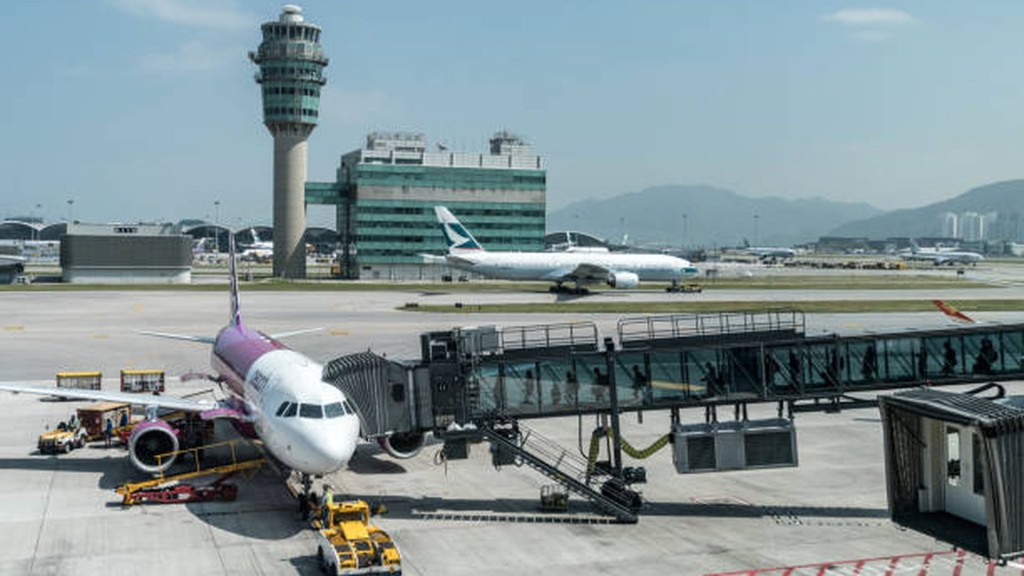
This profound strategic pivot is currently playing out in real time. An estimated 600,000 Nvidia AI chips sit stranded in Hong Kong warehouses, awaiting shipment to the mainland.
Crucially, this massive backlog exists not because of US export controls, but because Beijing has intentionally delayed their large-scale import. This deliberate stall demonstrates that China is proactively pivoting away from a vulnerable reliance on American hardware.
While Hong Kong backlog remains as a temporary buffer – with the city’s unique status as a vital transshipment and strategic stockpiling hub to secure critical hardware – Beijing is also aggressively cultivating its own robust domestic alternatives, treating future US technology embargoes not as a threat, but as an inevitable reality they must permanently transcend.