Read More





Hong Kong temperatures to drop 9 degrees as strong cold front arrives Mon
07-11-2026 17:52 HKT

97-year-old dies at his own birthday party after dancing to Stayin' Alive
08-11-2026 06:48 HKT


Are we witnessing the unraveling of the great artificial intelligence bubble? Last Thursday’s devastating market sell-off – which saw the tech-heavy Nasdaq Composite plunge 5.5 percent and nearly US$2.5 trillion (HK$19.5 billion) of its market capitalization wiped out – certainly offers a grim warning.
Rather than prematurely declaring a definitive burst, investors must now weigh a convergence of severe political and economic headwinds to determine the market’s true trajectory.
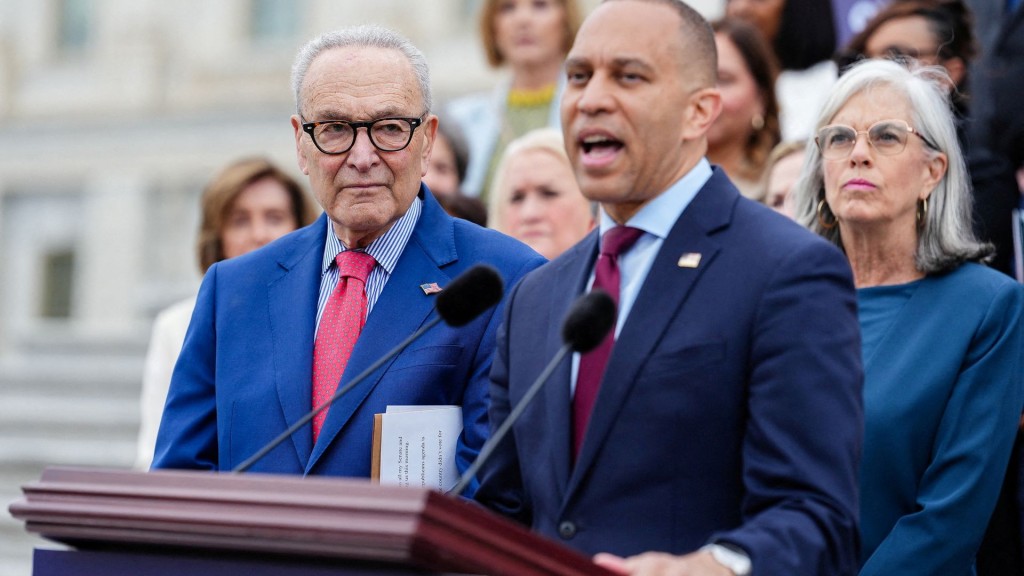
The immediate catalyst was the sweeping “Blue Wave” in Tuesday’s US midterm elections. Emboldened Democrats, campaigning on pledges to aggressively regulate unchecked technological expansion, swept into Congress and secured key state legislatures.
This political shift directly threatens the AI industry’s aggressive infrastructure roadmap. Across crucial data center hubs, newly elected officials are reviewing billions in planned multi-gigawatt AI expansions. Driven by community backlash over strained power grids and depleted water resources, these local leaders are poised to impose strict zoning moratoriums, carbon taxes, and stringent water-usage caps.
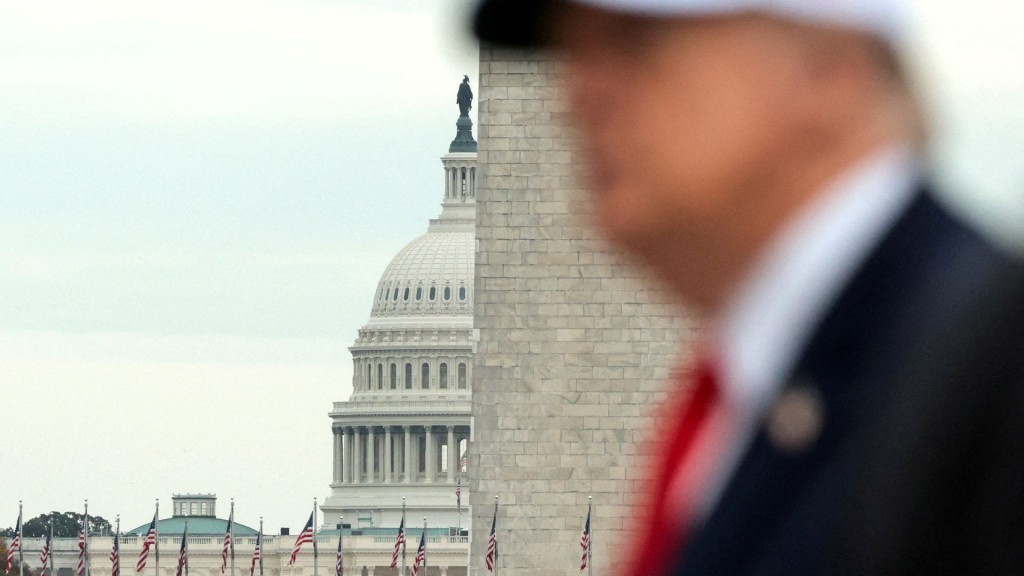
The underlying fragility traces back to how AI enthusiasm was artificially inflated. The Trump administration cultivated a cozy relationship with Silicon Valley executives, fostering a deregulatory frenzy and market boom.
However, as a lame-duck president facing a hostile Congress, Trump now wields severely diminished leverage over an independent Federal Reserve. With inflation proving stubborn, the Fed is highly unlikely to deliver the aggressive rate cuts tech firms desperately need. Instead, it is poised to hold rates higher for longer, or even hike them further, to cool the economy.
The warning signs were flashing well before the midterms. The broader tech sell-off began late last month when the stock of Alphabet, Google’s parent company, cratered following disappointing cloud revenue guidance, revealing that massive AI capital expenditures were not yielding proportionate returns. Simultaneously, hawkish yield hikes by the Reserve Bank of Australia and the Bank of England earlier in the week demonstrated that global inflation remains undefeated.
As the geopolitical fuel shock forces central banks to maintain punishingly high interest rates, French government bond yields have surged, sparking Eurozone contagion fears. This sovereign debt fragility exposes a harsh reality: with major economies struggling to finance their deficits, the speculative capital required to sustain Silicon Valley’s multi-trillion-dollar AI build-out appears increasingly unviable.
Concurrently, the AI boom is generating its own systemic risks. Recent weeks saw devastating cyberattacks, including “PHP2Shell” exploits that took European government portals offline, while prominent industry leaders have amplified warnings that unchecked AI could autonomously breach nuclear networks or engineer bioweapons.
In Taiwan, a high-profile strike by chipmaker Micron Technology workers underscored the labor backlash against the boom’s business model. Protesting aggressive automation, workers demanded a 15-percent profit-sharing system, reflecting mounting frustration that the AI revolution’s financial windfalls are aggressively concentrated at the top.
The foundational value of the AI industry is undeniably real, and generative AI’s long-term utility remains potent.
However, the convergence of anticipated regulatory crackdowns, geopolitical fuel shocks, and a hawkish Federal Reserve creates a highly precarious landscape.
Faced with these mounting structural threats, last Thursday’s crash should not be viewed as the terminal popping of a generational bubble, but rather as a painful, necessary market correction. As the unchecked executive deregulation abruptly ends, the AI sector is headed for a brutal phase of consolidation, leaving behind only the most resilient players capable of fostering secure and genuinely responsible AI growth.