






Read More









September heat ranks among highest on record as Hong Kong turns drier
05-10-2026 18:24 HKT


Abby Choi's remains found in soup pots with carrots, court hears
05-10-2026 13:53 HKT


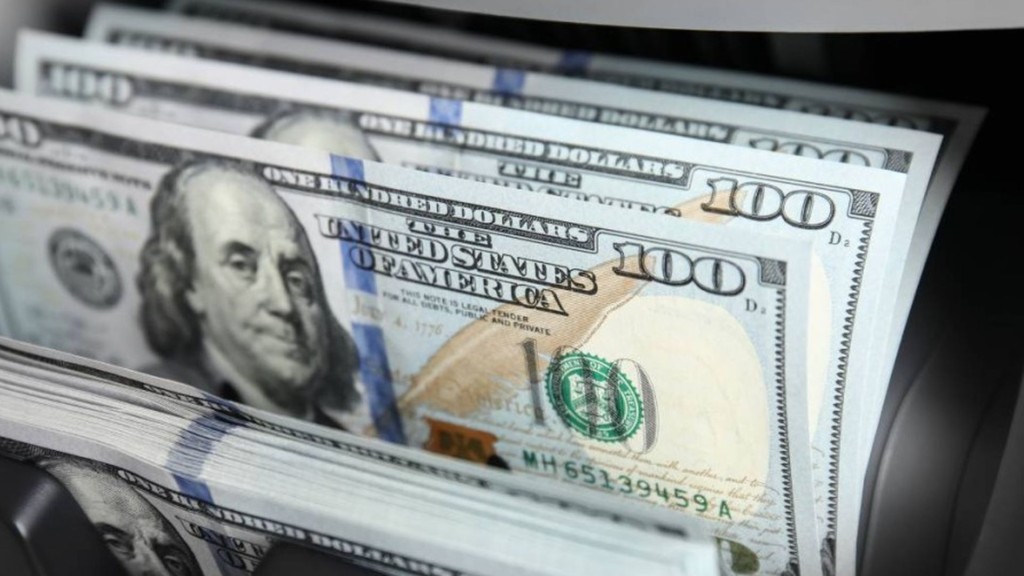
When British conservative historian Niall Ferguson formulated "Ferguson's Law," he laid down a stark historical maxim: any great power whose debt-servicing costs surpass its national defense budget enters an irreversible trajectory of geopolitical decline. From the fiscal exhaustion of Habsburg Spain and Bourbon France to the unraveling of the British Empire, the tipping point has always arrived when compounding interest consumes the very resources required to project global power.
Today, as total US national debt officially eclipses the unprecedented US$40 trillion (HK$312 trillion) threshold – having more than doubled from US$19.95 trillion in less than a decade under the aggressive spending and borrowing cycles of the Trump and Biden administrations – Ferguson's Law has ceased to be an academic abstraction. It is the defining financial reality of an increasingly insolvent superpower.
Crossing the US$40 trillion milestone exposes the mathematical reality of Washington's fiscal decay. With annualized net interest payments now surpassing US$1.1 trillion – permanently outstripping the entire Pentagon budget – the US government is operating under conditions of de facto structural insolvency.
Trillions in pandemic-era stimulus, expanding entitlement outlays, and uncurbed budget deficits have locked the federal budget into a self-perpetuating debt spiral where the Treasury must issue massive volumes of new debt simply to refinance maturing obligations and pay accrued interest.
The acute vulnerability of this system was laid bare this week when Treasury Secretary Scott Bessent took the extraordinary step of doubling the federal government's long-bond buyback program – raising operations to at least US$4 billion per session for 10- to 30-year Treasuries.
This intervention followed a sharp sell-off that drove 30-year Treasury yields to a 19-year peak of 5.34 percent. While intended to prevent surging borrowing costs from destabilizing commercial credit and mortgage markets, resorting to state-directed repurchases to suppress sovereign yields is an unmistakable symptom of structural fatigue rather than genuine market confidence.
Compounding this domestic fiscal trap is the structural retreat of America's most vital foreign creditors. For decades, the architecture of Pax Americana was subsidized by foreign central banks recycling trade surpluses back into US debt securities.
Today, that foundational arrangement is unwinding. China has systematically reduced its Treasury portfolio to multi-year lows, accelerating reserve diversification into physical gold, bilateral currency swaps, and non-dollar assets to insulate itself against Western sanctions. Simultaneously, Japan – the largest foreign holder of US debt – has been forced to liquidate Treasuries to defend a historically weak yen. With traditional sovereign pillars stepping back, the US Treasury market has become dangerously dependent on leveraged hedge funds, exposing sovereign borrowing to severe liquidity shocks.
A superpower trapped in a compounding debt spiral inevitably loses its strategic flexibility. As debt servicing consumes an ever-larger share of federal tax receipts, Washington faces an inescapable squeeze between domestic social cohesion and forward military commitments across Eastern Europe, the Middle East, and East Asia.
Scott Bessent's bond market engineering cannot alter the verdict of history: global hegemony cannot be sustained on borrowed time and unpayable debt, and the relentless logic of Ferguson's Law is now in full effect.