Read More
Hong Kong has long been considered a city of blessing, shielded from the worst ravages of nature. For decades, its impressive infrastructure and fortunate geography have spared it from catastrophic natural disasters. However, the close encounter with Super Typhoon Ragasa, the most threatening storm in a generation, has served as a powerful wake-up call. This event has not only tested the government’s emergency preparedness but has also cast a spotlight on an underlying societal challenge: the need to cultivate a stronger, more consistent sense of crisis among all Hongkongers.
ADVERTISEMENT
SCROLL TO CONTINUE WITH CONTENT
A test of governance: Cross-bureau coordination in the Ragasa response
The government’s response to Typhoon Ragasa demonstrated a significant evolution in crisis management. Learning from past experiences, a coordinated effort across various bureaus and departments was swiftly activated. From the Hong Kong Observatory providing precise, timely forecasts to the Drainage Services Department ensuring waterways were clear, and the Home Affairs Department coordinating emergency shelters, a multifaceted plan was put into action. This cross-governmental collaboration aimed to leave no stone unturned, signalling a commendable shift toward a more proactive and integrated approach to public safety. The challenge for officials is no longer just about managing the immediate crisis, but about fostering long-term public rationality and compliance with safety directives.
Beyond the gusts: A societal gap in crisis awareness
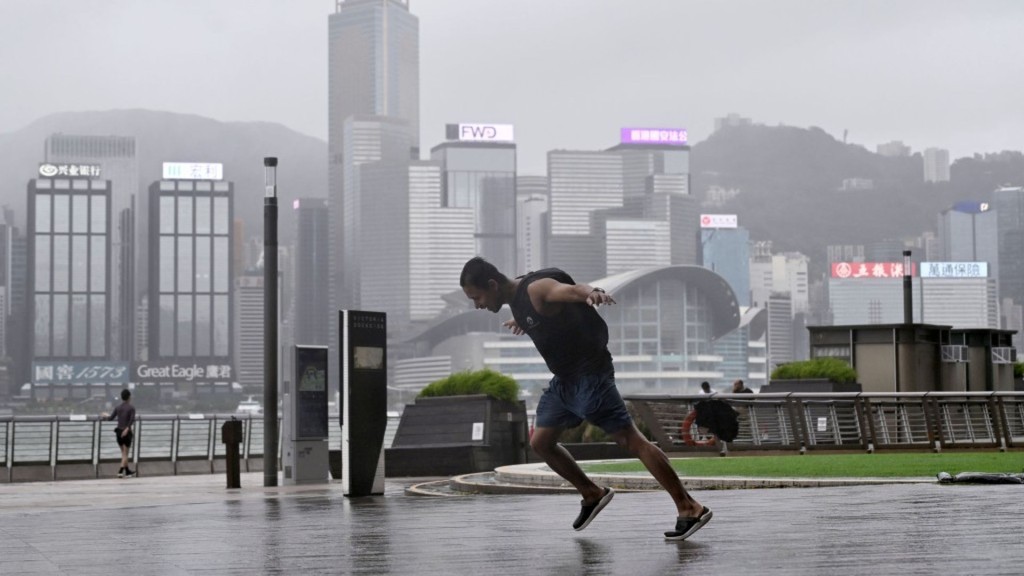
Despite the government’s cautious measures, a persistent gap in public awareness remains evident. During every typhoon season, images circulate of individuals braving the gusty streets or even engaging in water sports, treating the severe weather as a spectacle rather than a threat. This behavior highlights a dangerous complacency, born from years of relative safety.
While Hong Kong society’s wealth and stability are immense assets, they can inadvertently foster a sense of invulnerability. And as climate change accelerates, this mindset is a luxury the city can no longer afford. A better-cultivated cautious sense is not about living in fear, but about being prepared – a crucial step that can directly minimize economic and human loss when disaster strikes.
The new climate reality: Why complacency is not an option
The scientific consensus is clear: due to climate change, extreme weather events like Super Typhoon Ragasa will only become more frequent and intense. Hong Kong’s historical status as a “city of blessing” is facing an unprecedented challenge. This new reality makes a heightened sense of crisis a necessity, not an option. This is especially critical for a population of avid travelers. A crisis can strike anywhere – a landslide in a neighboring country, an earthquake during a holiday, or a flood in a foreign city. The ability to assess risk and respond rationally is a portable skill, essential for personal safety in an unpredictable world.
Forging a shared resilience
The passage of Typhoon Ragasa offers a pivotal moment for reflection. The government’s improved coordination is a positive step, but true resilience is a shared responsibility. It requires a collective shift in mindset – from seeing emergency drills as an inconvenience to embracing them as essential life skills, and from treating government warnings as mere suggestions to respecting them as critical guidance. By building a robust culture of preparedness that involves the public, private, and civil sectors, Hong Kong can transform its blessing of past safety into the proactive strength needed to secure its future.