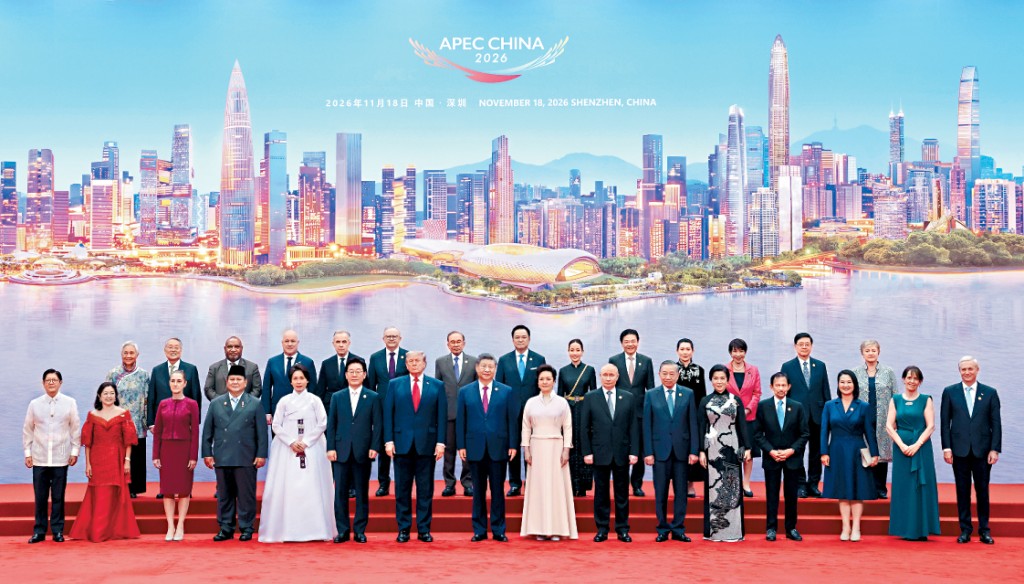
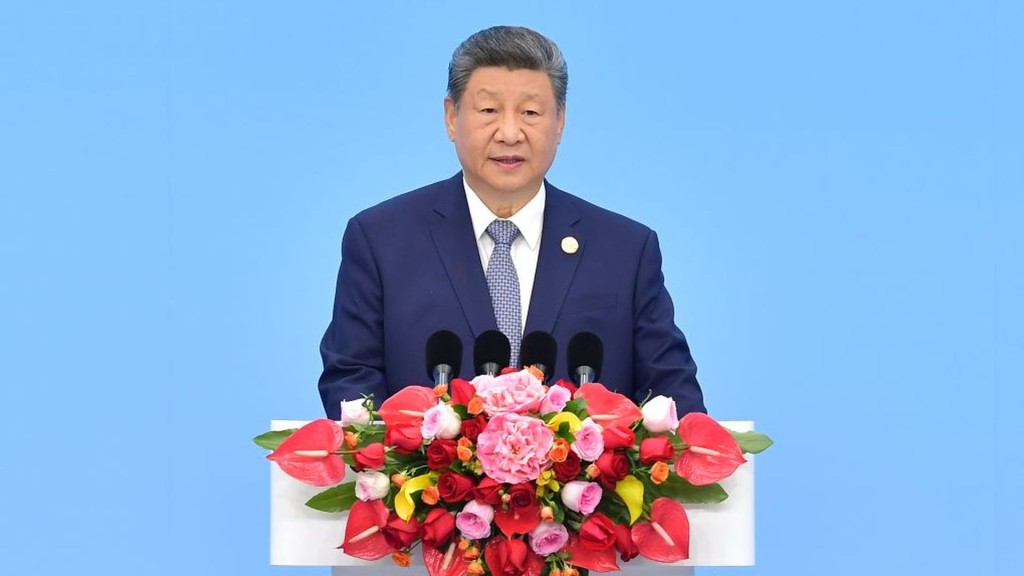
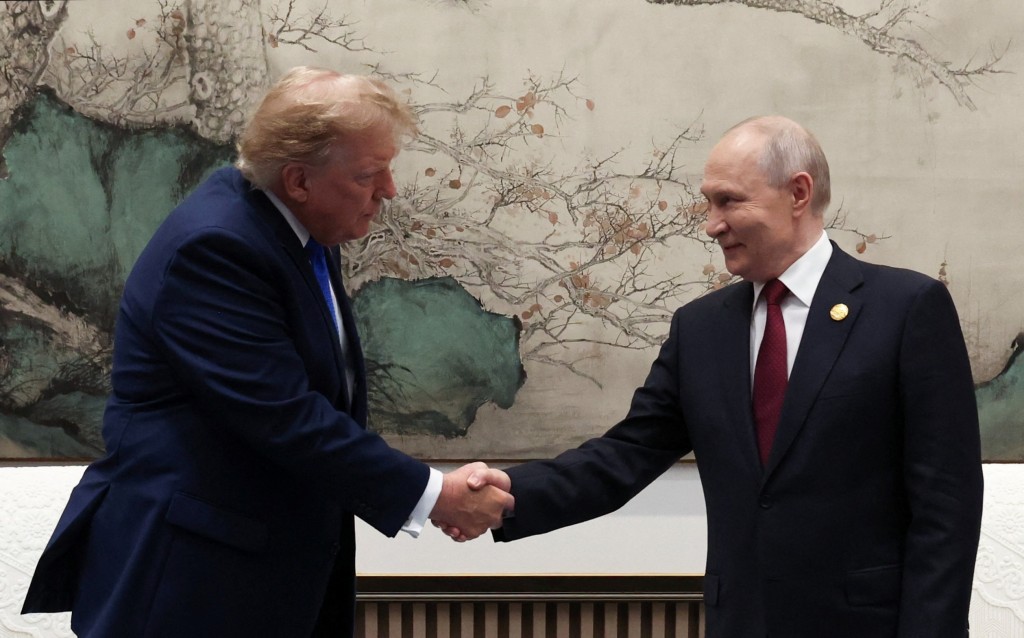
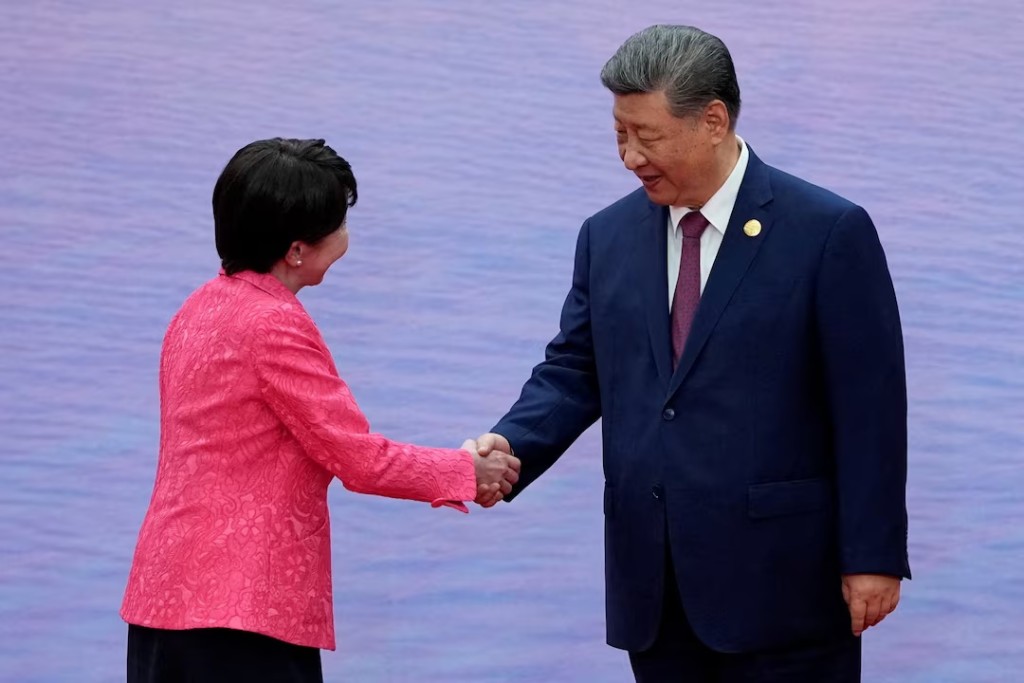
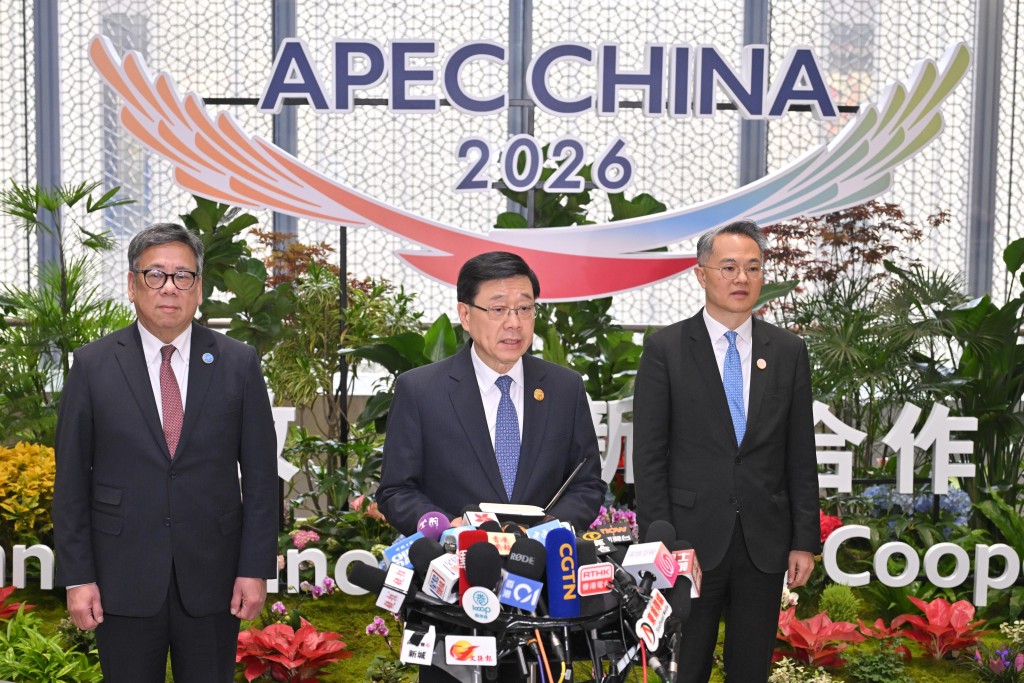
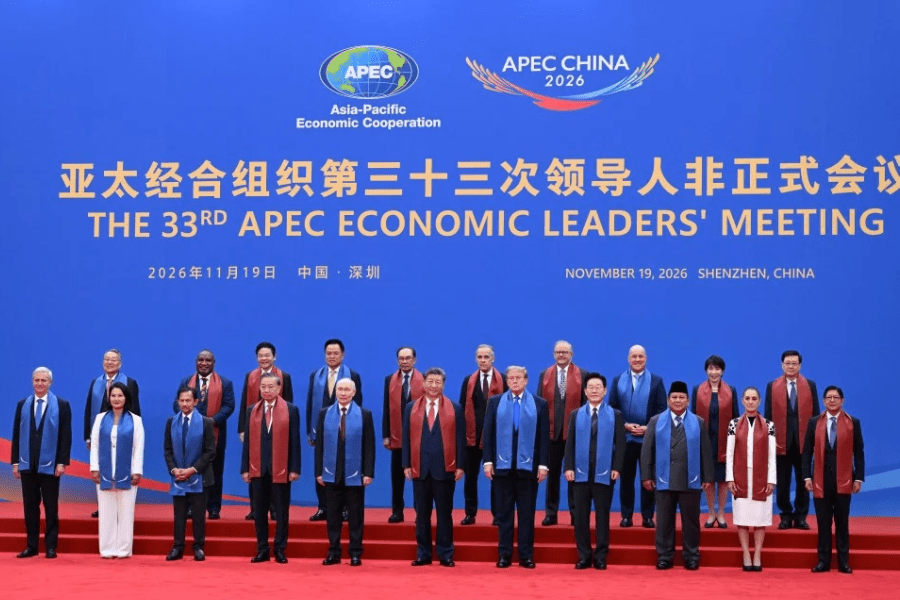
The Shenzhen APEC summit has continued to draw lively debate since its conclusion, ranging from constructive discussion to baseless speculation—most notably over its welcome banquet playlist.
Intended by the host as a gesture of hospitality and cultural respect, the decision to greet each visiting economy with a classic song from home quickly triggered a wave of online over-interpretation, with netizens reading supposed "diplomatic jabs" into the selections.
When Philippine President Ferdinand Marcos Jr entered to the classic ballad "Anak" ("Child"), whose lyrics tell of a wayward child who loses his way and repents, Filipino netizens read it as urging a "prodigal son to return" and an oblique swipe over South China Sea disputes.
Japanese Prime Minister Sanae Takaichi was welcomed with "Ue o Muite Aruko" ("I Look Up as I Walk," known internationally as "Sukiyaki"). Although the song originally voiced the sentiments of ordinary people in the 1960s, critics dug up its historical link to protests against the US-Japan Security Treaty, alleging it was a deliberate jab at frictions within the US-Japan alliance.
Meanwhile, Taiwan representative Stan Shih entered to "Gao Shan Qing" ("High Mountain Green"). Because it was featured in the film Alishan Fengyun, detractors claimed it reflected Han Chinese stereotypes of indigenous peoples at the time and underscored a "Greater China narrative" and cultural united-front mindset.
Records from recent APEC summits show hosts had not previously adopted a "one song per leader" welcome format, making Shenzhen's approach an innovation.
Other selections included Hong Kong's "Below the Lion Rock," Australia's "Click Go the Shears," Indonesia's "Bengawan Solo," South Korea's "Arirang" and Canada's "Red River Valley"—widely familiar, representative works chosen for each economy.
Notably, most of the playlist caused no stir. Marcos himself publicly praised "Anak" as an iconic Filipino classic, saying Beijing's selection felt warm and thoughtful rather than offensive.
The nitpicking came largely from online detractors on social media. With China's relations with these economies strained of late, some observers have viewed routine protocol through a tinted lens, reading political maneuvering into ordinary hospitality.
During the Shenzhen summit, which economies enjoyed warm ties with Beijing and which faced a chillier reception was already clear from public protocol—such as airport welcome tiers and whether bilateral meetings were held—leaving little need to search for hidden answers in a banquet playlist.
Staff reporter