Read More
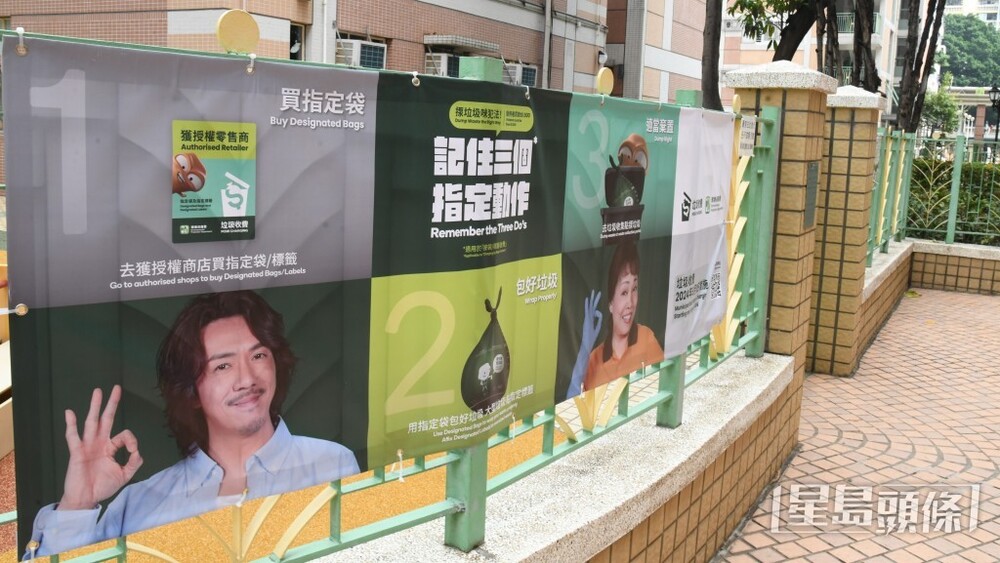
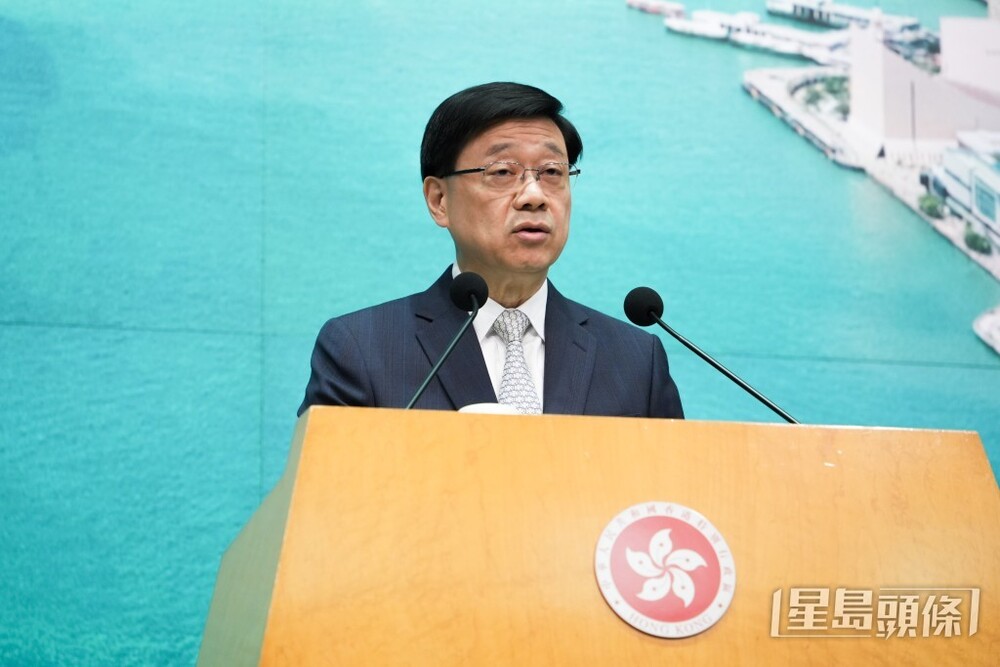
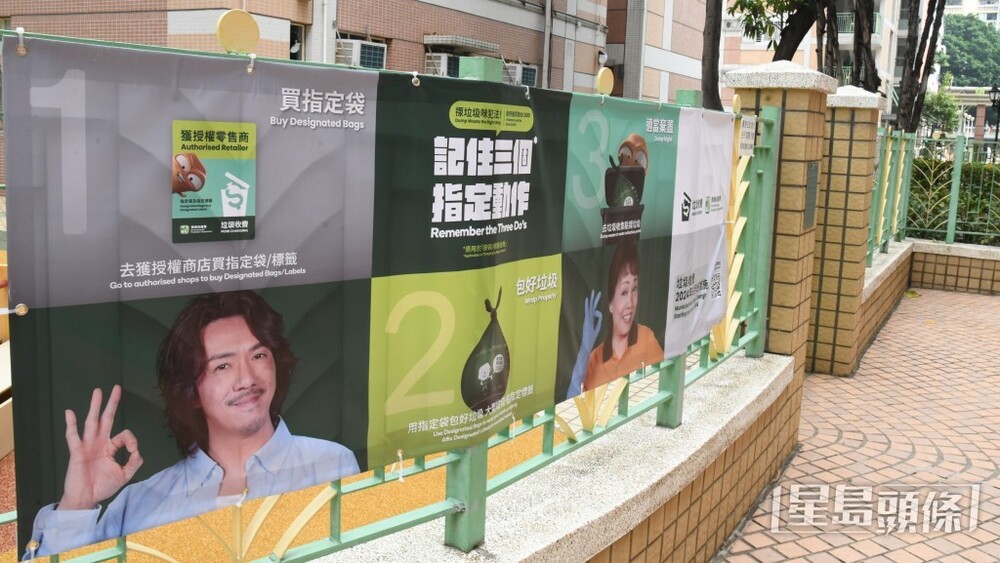
Chief Executive John Lee said on Tuesday that the direction of the waste charging scheme will be decided in May or June, as the authorities were focusing on the implementation and feedback of the trial scheme.
ADVERTISEMENT
SCROLL TO CONTINUE WITH CONTENT
Lee said he understands that the policy concerned has a broad impact on the citizens, and the government will proceed cautiously as some were uncertain whether the scheme should be implemented as scheduled in August.
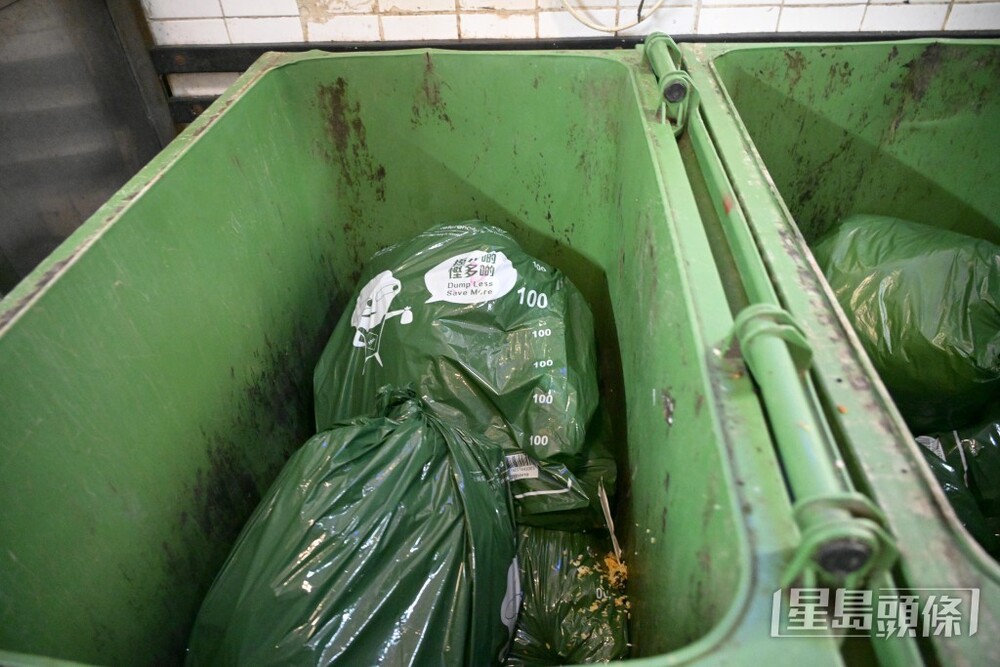
He added that the public should give time to the trial scheme as it only started a week ago at 14 locations, and the authorities will continue to consult different stakeholders and legislators to consider how the overall scheme fits together.
After summarizing the data and experience, the government would move on to the next steps with a decision and announcement to be made in May or June.
The Hong Kong leader pointed out that garbage charging has become a law in Hong Kong, and he will consider how to take it forward based on the data collected from the trial program, including participation rates and changes in public habits.
Separately, the government will conduct anonymous surveys at 14 selected premises in the third week of the trial scheme to collect opinions from various stakeholders, including residents, cleaning workers, property management, and business operators.
District councilors were also invited to participate in the survey. The government said it hoped the councilors can “collect opinions from members of the public more effectively, independently and objectively than government personnel.”
The Home and Youth Affairs Bureau will arrange for relevant DC members to conduct face-to-face interviews with selected respondents in order to have a comprehensive understanding of the implementation status of the waste charging scheme.
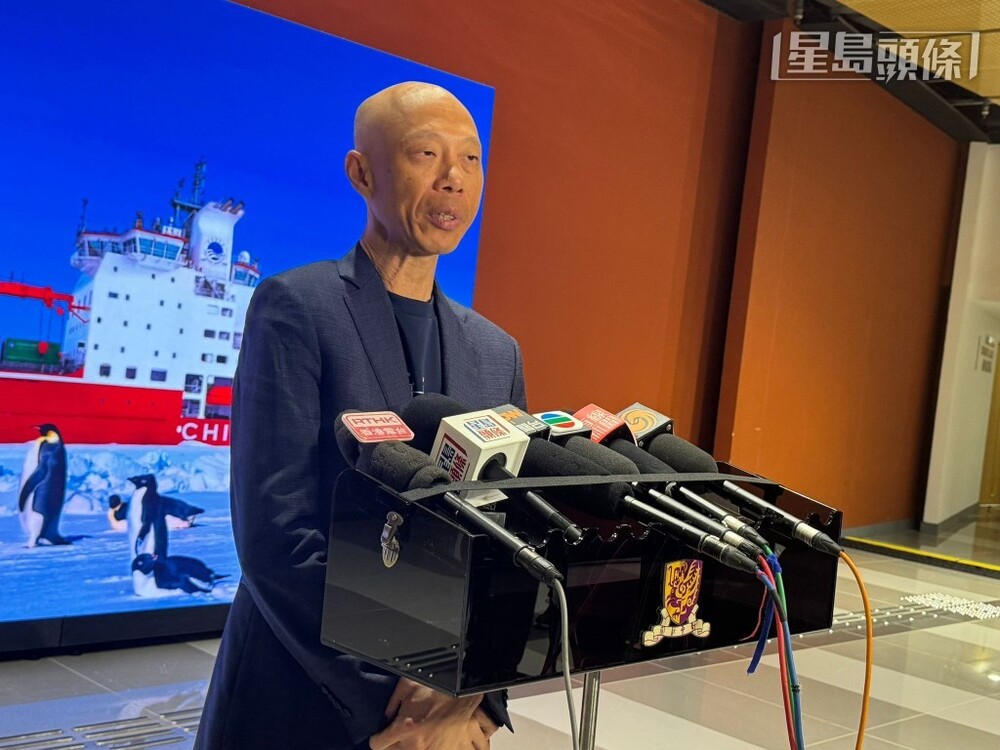
Former Secretary for Environment Wong Kam-sing said that the effects of the waste charge were huge and could stimulate the urge to recycle.
He believed that society should not waste the resources prepared for the policy, as it would send a wrong message to the younger generation that economic development comes first over environmental protection.
(Updated at 6.02 pm)