Read More
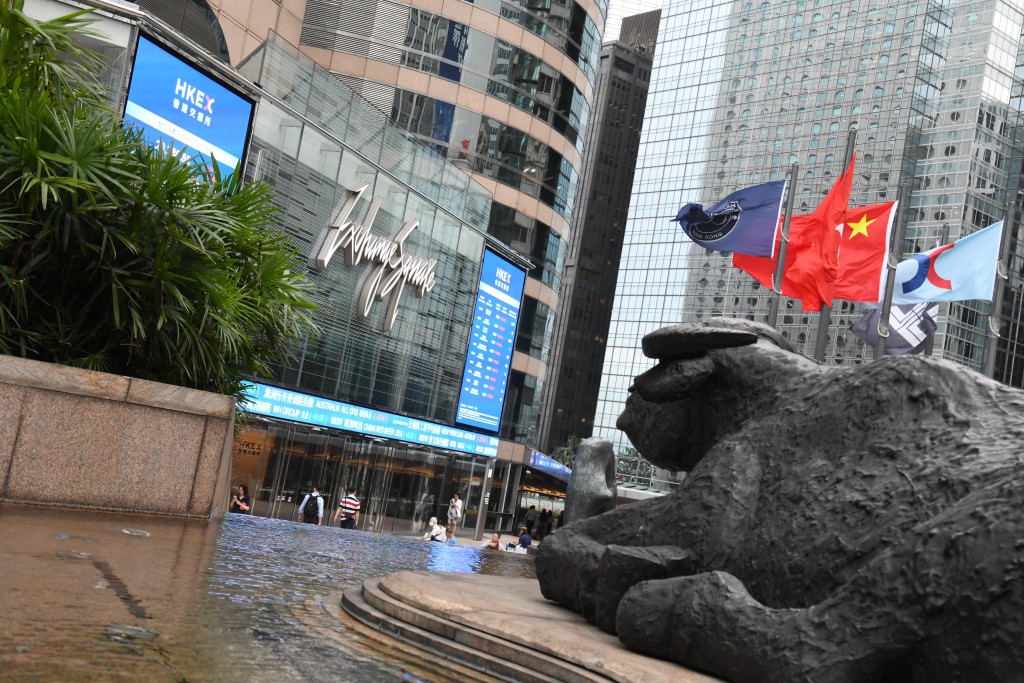
Chinese and Hong Kong stocks ended 2023 as the world’s worst-performing equity markets, with losses exceeding 10 percent, although they recorded their best week in five months.
ADVERTISEMENT
SCROLL TO CONTINUE WITH CONTENT
China’s blue chip CSI 300 Index registered an unprecedented third straight year of declines amid the country’s faltering post-pandemic recovery and geopolitical tensions, but some see opportunities in the battered shares.
“We have turned tactically positive on China,” Jefferies said in its 2024 outlook, citing Beijing’s economic stimulus, the rebounding yuan currency, and “trough valuation”.
On Friday, the index rose 0.5 percent, and was up 2.8 percent for the week. Hong Kong’s Hang Seng Index ended the session flat, but registered a 4.3 percent weekly gain.
However, the indexes sit at the bottom of the 2023 global performance rankings, with Hang Seng slumping 14 percent for the year in a fourth year of declines, and CSI 300 falling 11 percent.
In contrast, the MSCI world equity index is set to end 2023 up around 20 percent, with stellar gains recorded in markets including the United States, Japan, India and Mexico.
China “disappointed investors who expected a strong recovery” after Covid-19, William Witherell, chief global economist at Cumberland Advisors said in a note.
“The economy was hit with widespread and persistent housing and local government debt problems, the clean-up of which continues.”
Property shares led the declines in 2023, with Chinese developers slumping 39 percent. Retailing, new energy and tourism were also among the biggest losers.
Underscoring shriveling confidence, net foreign buying via Stock Connect this year totaled roughly 44 billion yuan (US$6.20 billion) – the smallest since 2015 – as overseas investors retreated in droves since August.
But some see deep value in the battered stocks. Shanghai hedge fund manager Li Bei said in a post on Friday that investors that are underweight on China may be forced to add positions in 2024 as the market has likely bottomed.
AllianceBernstein admitted China stock valuation is low, and expects the country’s corporate earnings growth to outpace that of developed markets in 2024.
However, “while that combination is tempting, we still lack enough conviction to overweight amid the geopolitical risks and secular challenges,” its strategy team, led by chief investment officer Alexander Chaloff, wrote.
(US$1 = 7.0977 Chinese yuan renminbi)
(Reuters)
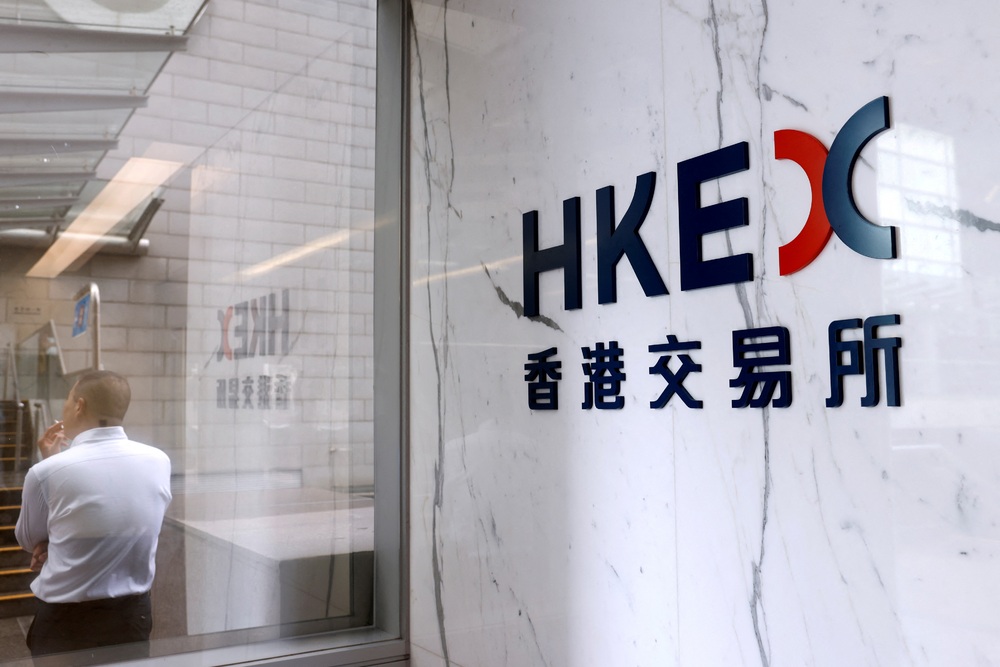
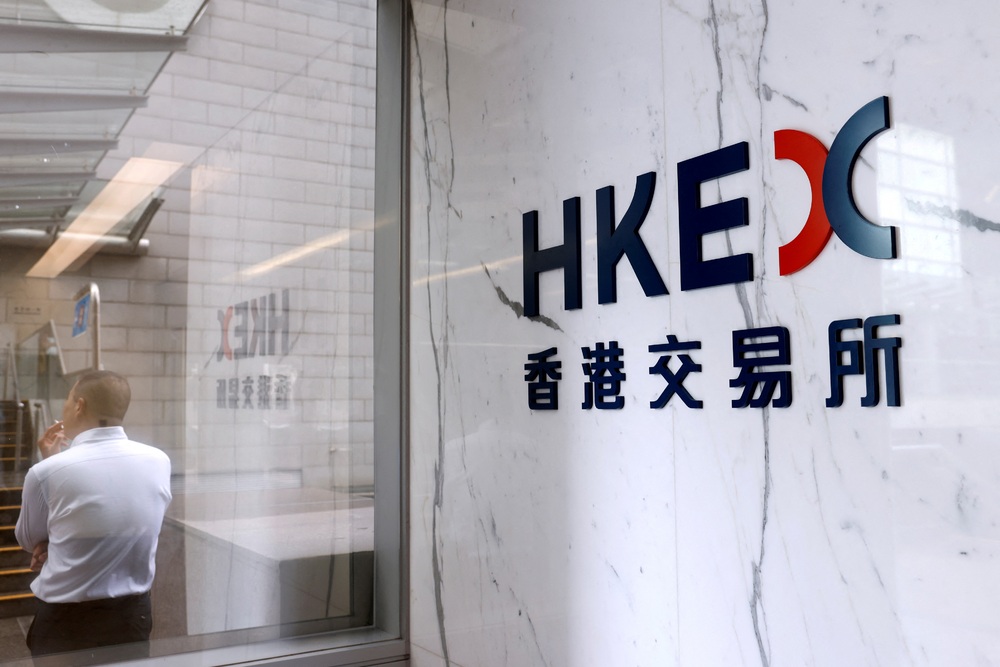
File photo by Reuters.