Read More


Henderson Land looks back on 50 years of Hong Kong architecture
17-11-2026 10:30 HKT
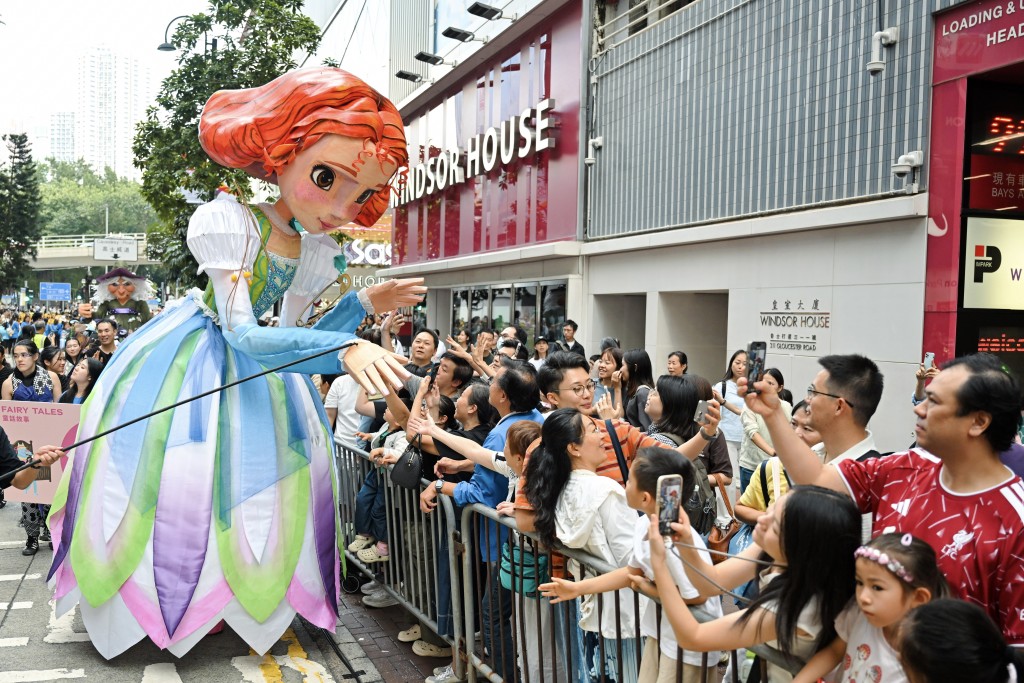
Fairy tales take over Causeway Bay at Arts in the Park
16-11-2026 14:00 HKT
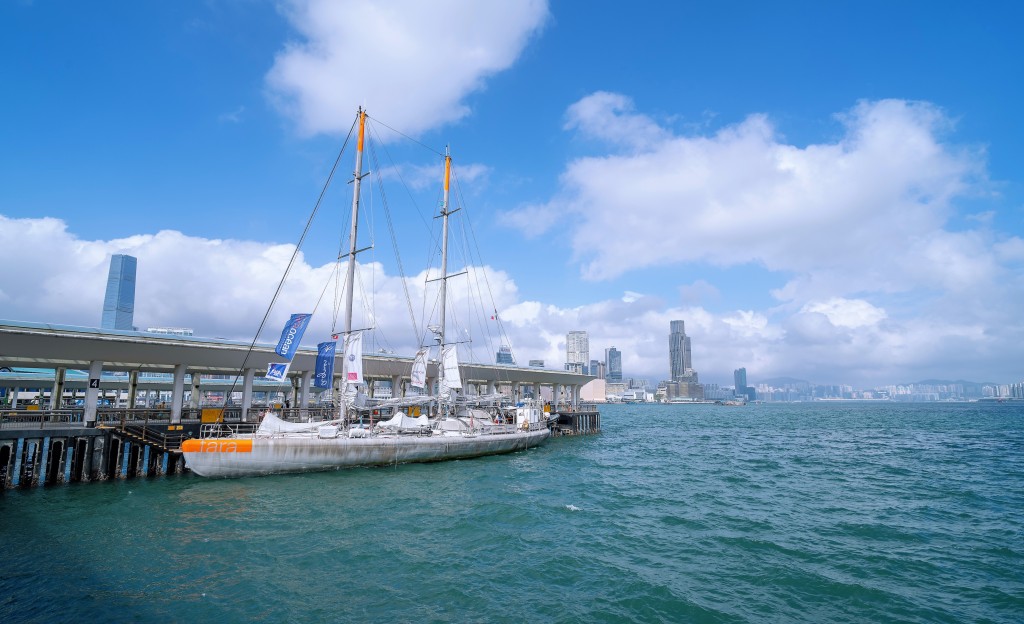

An art walk through Sai Wan’s forgotten stories
01-11-2026 08:00 HKT




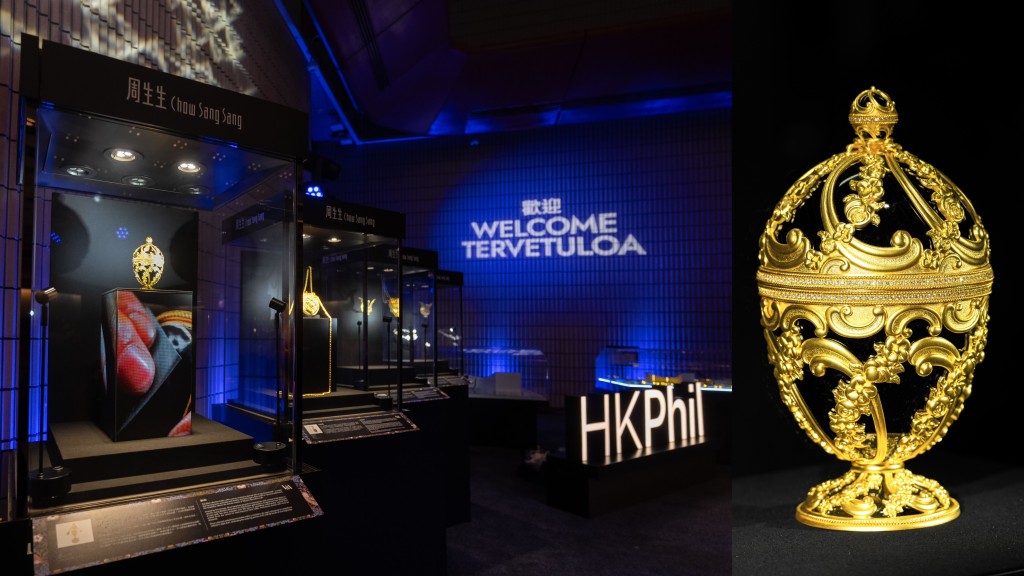
Jewelry is often associated with rarity, craftsmanship and personal memory. For Chow Sang Sang, it can also become a way of reading culture.
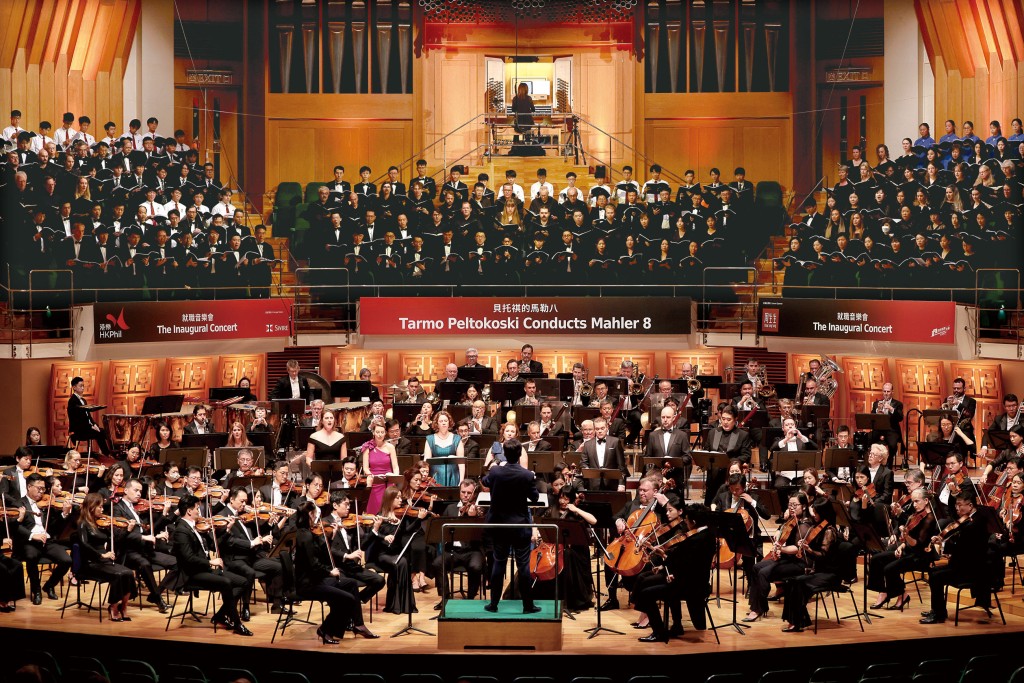
That idea came into focus in Hong Kong as selected pieces from Confluence, the jeweler’s latest high jewelry collection created in collaboration with the Victoria and Albert Museum, were shown in the city for the first time, coinciding with a Hong Kong Philharmonic Orchestra concert and the inauguration of its new music director, Tarmo Peltokoski.
The setting was fitting. Just as orchestral music can move easily across language and geography, the collection considers how jewelry can carry ideas between cultures — drawing from objects held by London’s V&A and reinterpreting them through an Eastern perspective.
The relationship between Chow Sang Sang and the V&A stretches back more than two decades. Rather than reproducing historical objects, the jeweler has used the museum’s jewelry, decorative arts and design archives as starting points, rebuilding their forms and symbolism through contemporary materials and techniques.
At the heart of Confluence is the idea of cultures meeting without losing their individual identities. The collection is structured around six significant moments in life — birth, adulthood, romance, marriage, blossom and achievement — finding parallels between rituals and emotions shared across Eastern and Western traditions.
The journey begins with Birth: A Celebration of Life, inspired by an egg-shaped waist ornament once worn by a 19th-century aristocratic woman and now held in the V&A collection.
The egg has long carried associations with rebirth and new life in Western culture, while in Chinese tradition it can evoke fertility, abundance and the continuation of generations.
Chow Sang Sang turns the relatively intimate reference into a gold and enamel objet d’art weighing more than 500 grams.
More than 300 hours of work went into the piece, with black enamel repeatedly fired over its curved surface before floral patterns were engraved and picked out with micro-set diamonds.
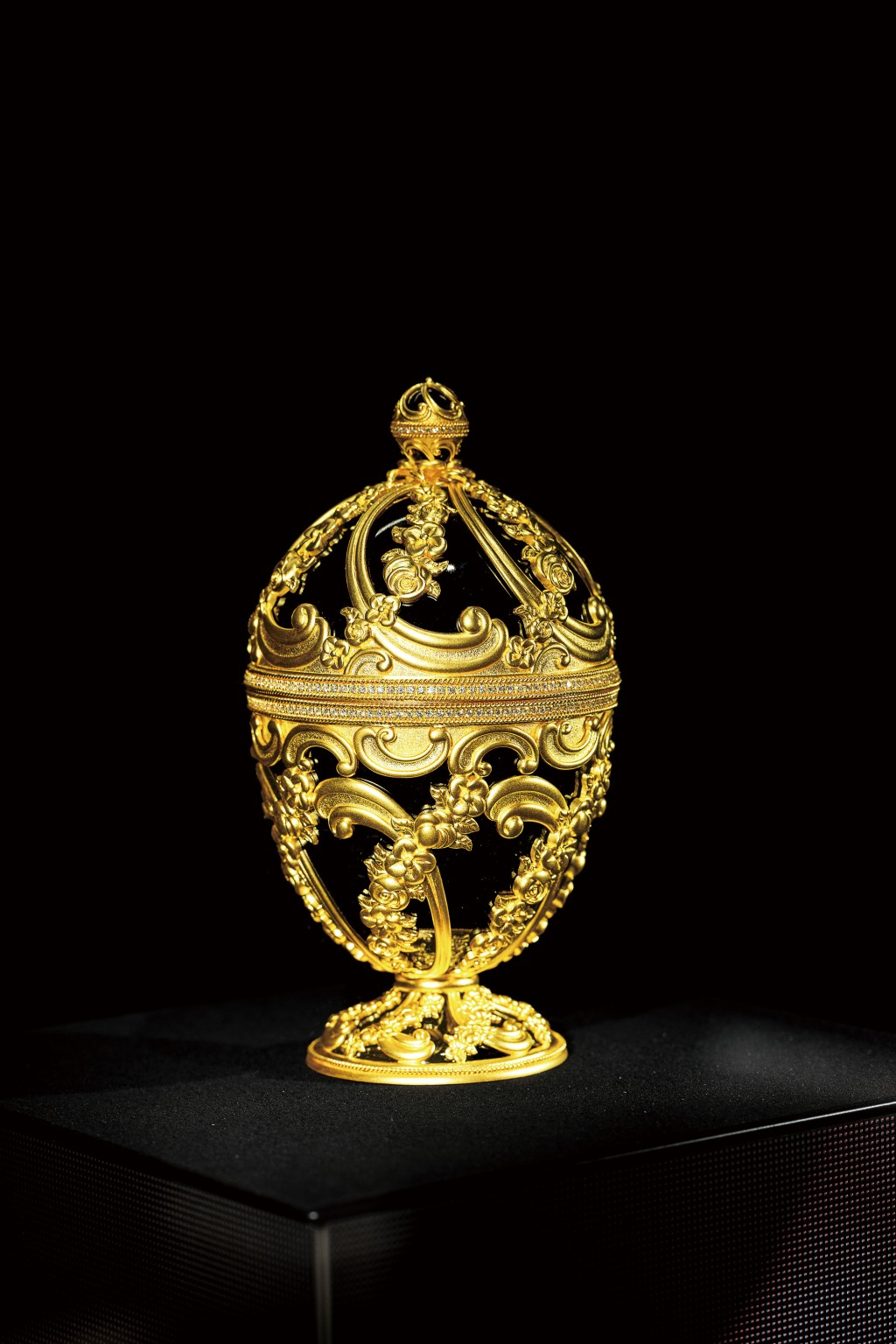
The scale may have changed, but the underlying idea remains: a historical object associated with renewal becomes a contemporary meditation on beginnings.
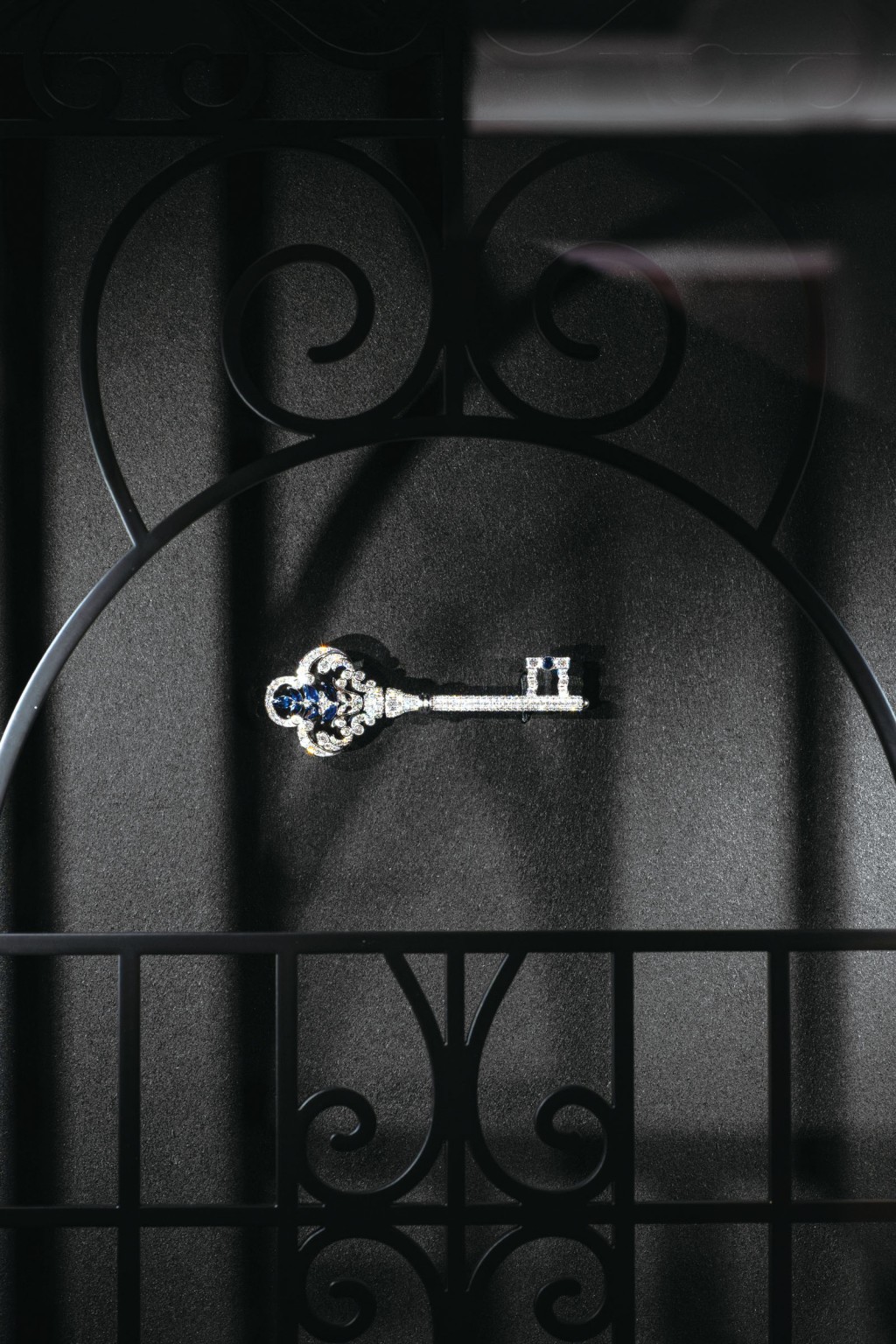
The transition into independence is explored in Adulthood: Key to a New Chapter, inspired by antique keys from the V&A’s ironwork galleries.
An 18-karat gold key is centered on a floral arrangement of eight matching sapphires, with the familiar object taking on a symbolic role as a means of opening new possibilities.
In this interpretation, the key becomes less a functional object than a marker of self-discovery and the freedom to step into a new stage of life.
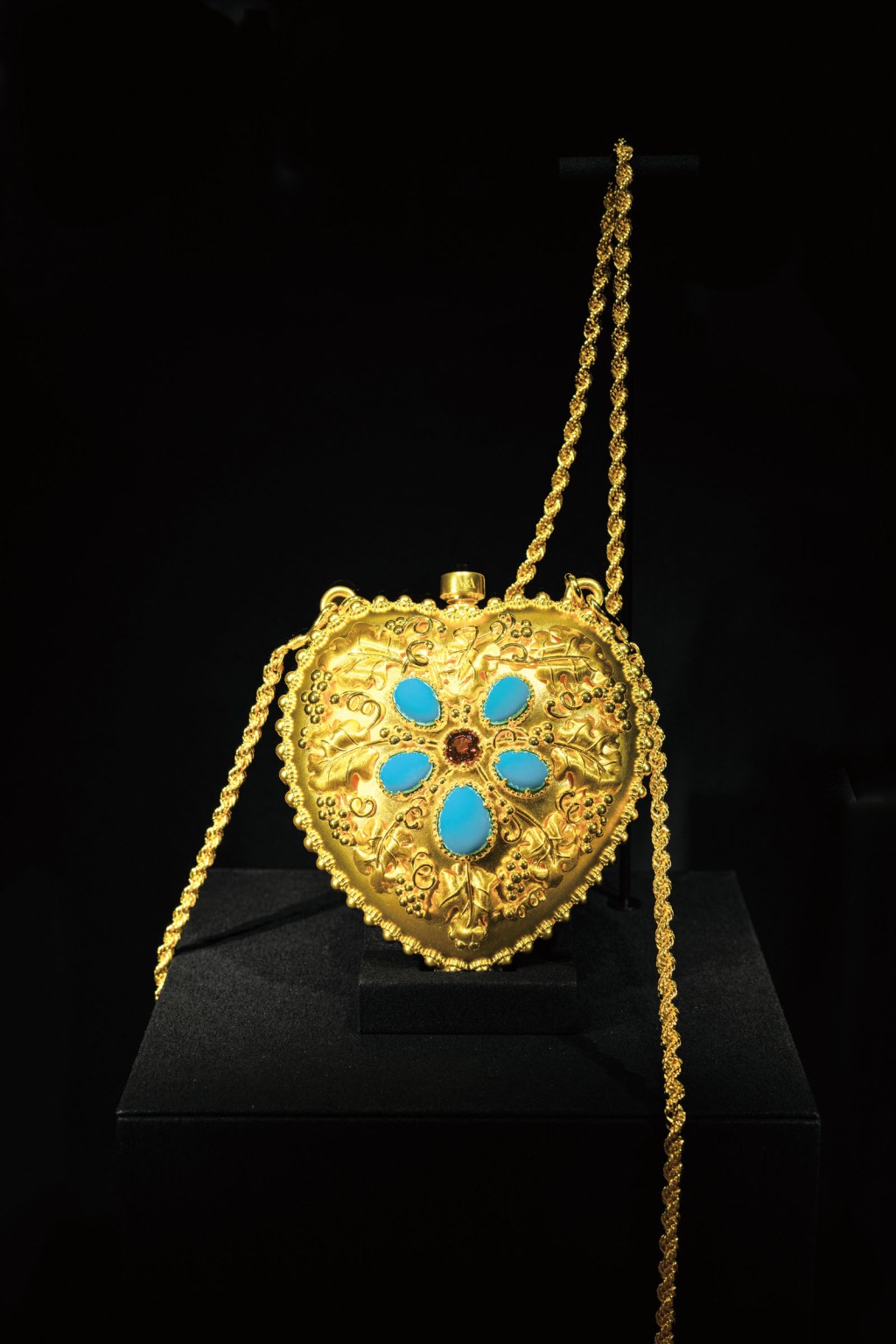
The collection becomes more intimate with Romance: Two Hearts as One, which looks to a Victorian tradition in which lovers kept hair or other personal mementos inside heart-shaped lockets.
Rather than recreating the locket, Chow Sang Sang translates the sentiment into a miniature gold evening bag.
More than 800 grams of gold are worked into fine, hair-like filigree. One side is decorated with turquoise forget-me-nots, while the other is set with six colors of gemstones weighing a combined 78.6 carats.
The result shifts a private keepsake into something more sculptural — part jewelry, part collectible object — while preserving the original idea of memory held close.
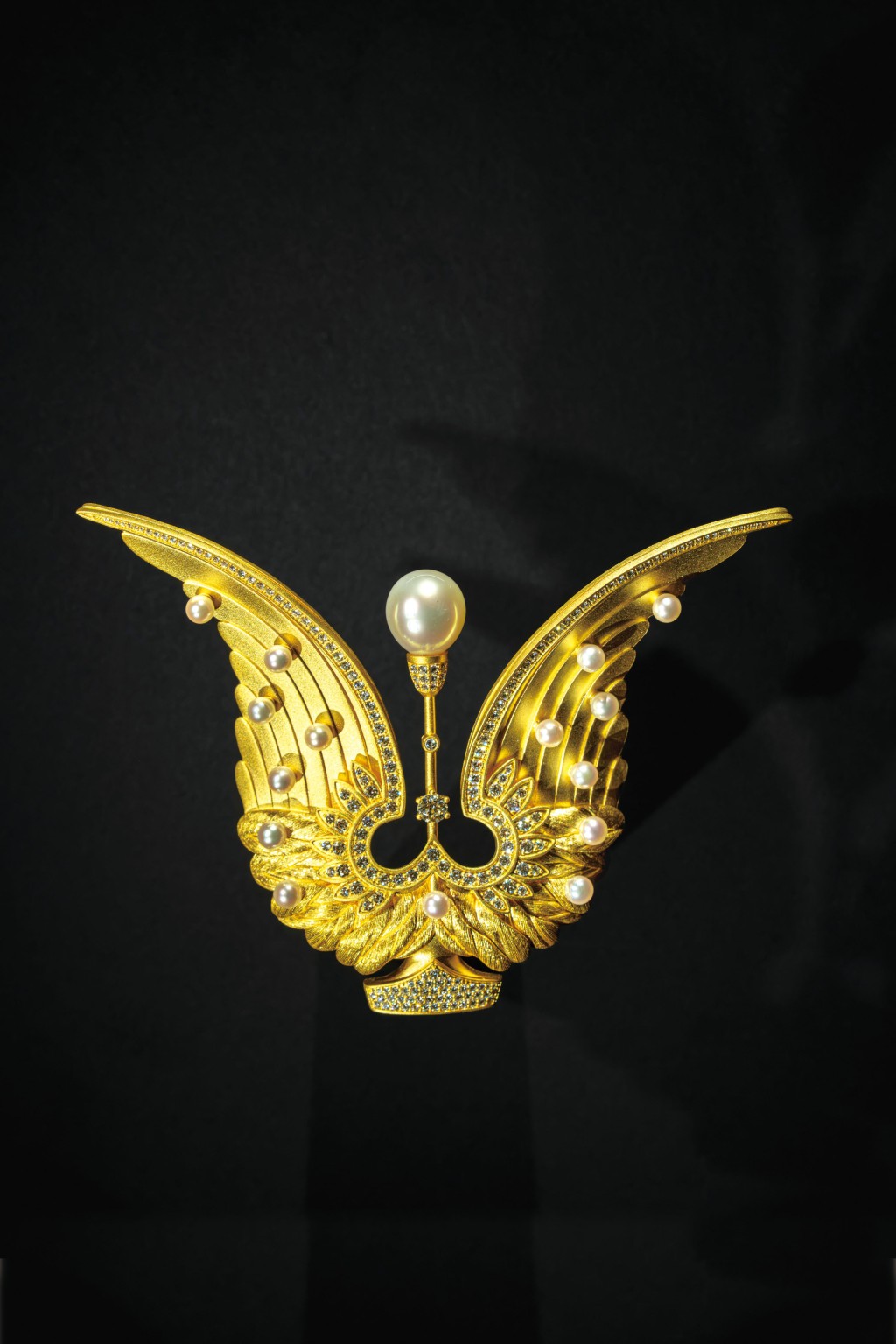
Marriage provides the starting point for Marriage: Auspicious Wings, A New Chapter.
Inspired by an Art Nouveau winged head ornament in the V&A collection, its flowing Western form is reworked into a Chinese gold-and-diamond hairpin.
A 17-millimeter South Sea pearl anchors the 129-gram piece, while the wing motif takes on another association in its new context: transformation and two people entering a new stage of life together.
It is one of the clearest examples of how Confluence operates. The historical reference remains visible, but its cultural meaning shifts through reinterpretation.
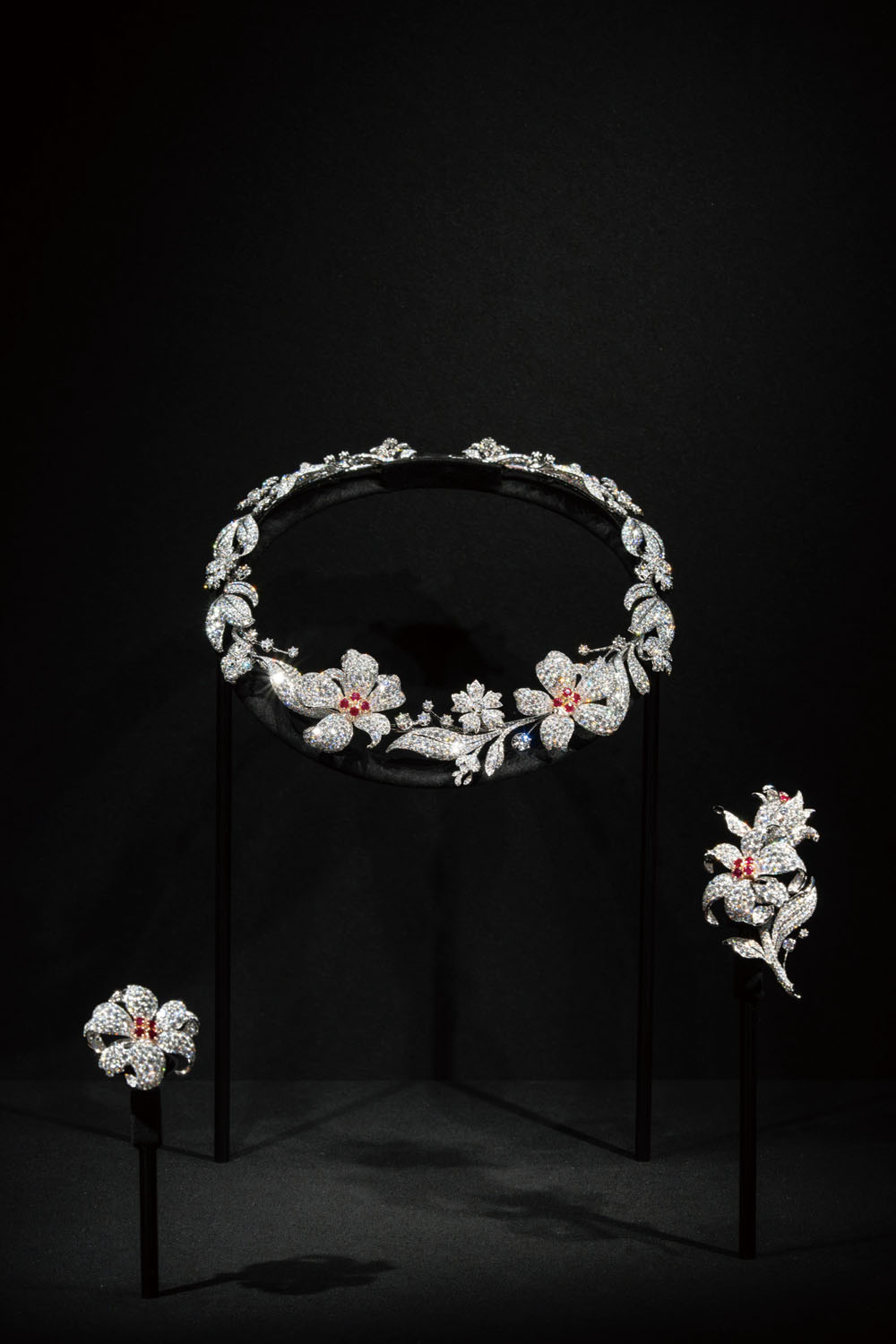
Later in the collection, Blossom: Flowers in Full Bloom turns toward abundance.
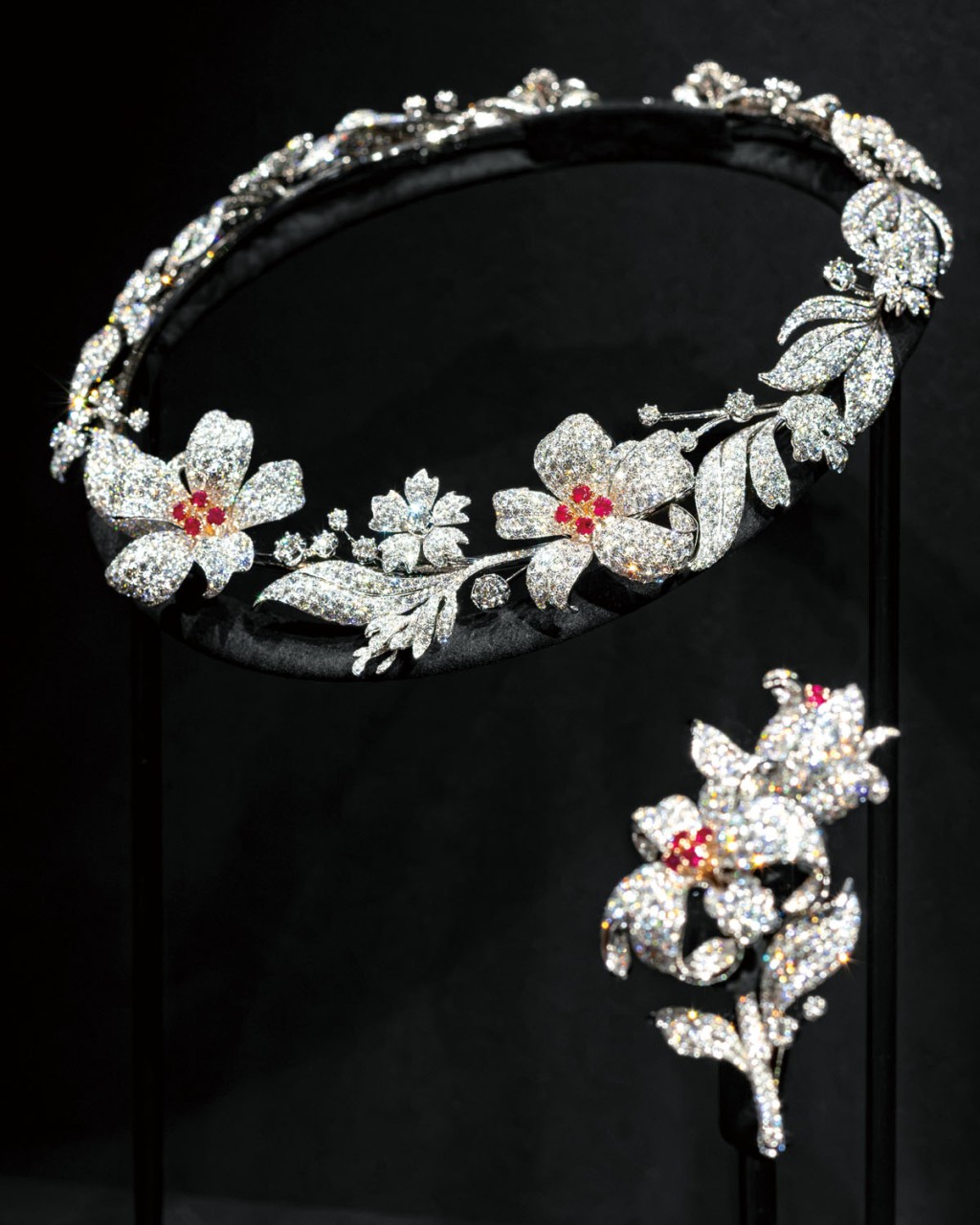
The piece takes its cue from a rare surviving 19th-century floral tiara in the V&A jewelry galleries. Diamonds and rubies totaling 67.5 carats are set across dimensional floral forms, using contemporary micro-setting techniques to recreate the fullness of flowers at their peak.
The imagery moves beyond literal florals to suggest a stage in life marked by maturity, prosperity and fullness.
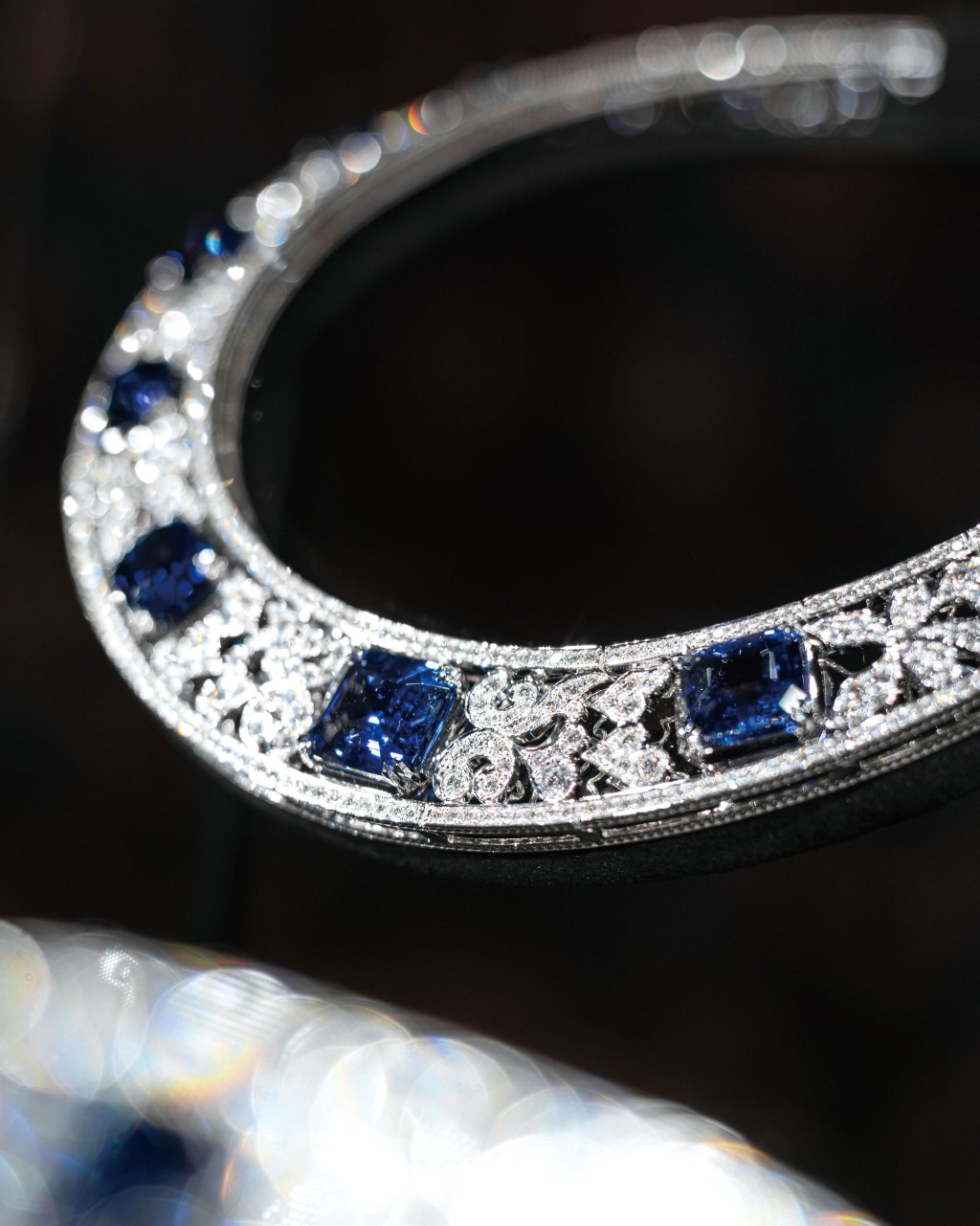
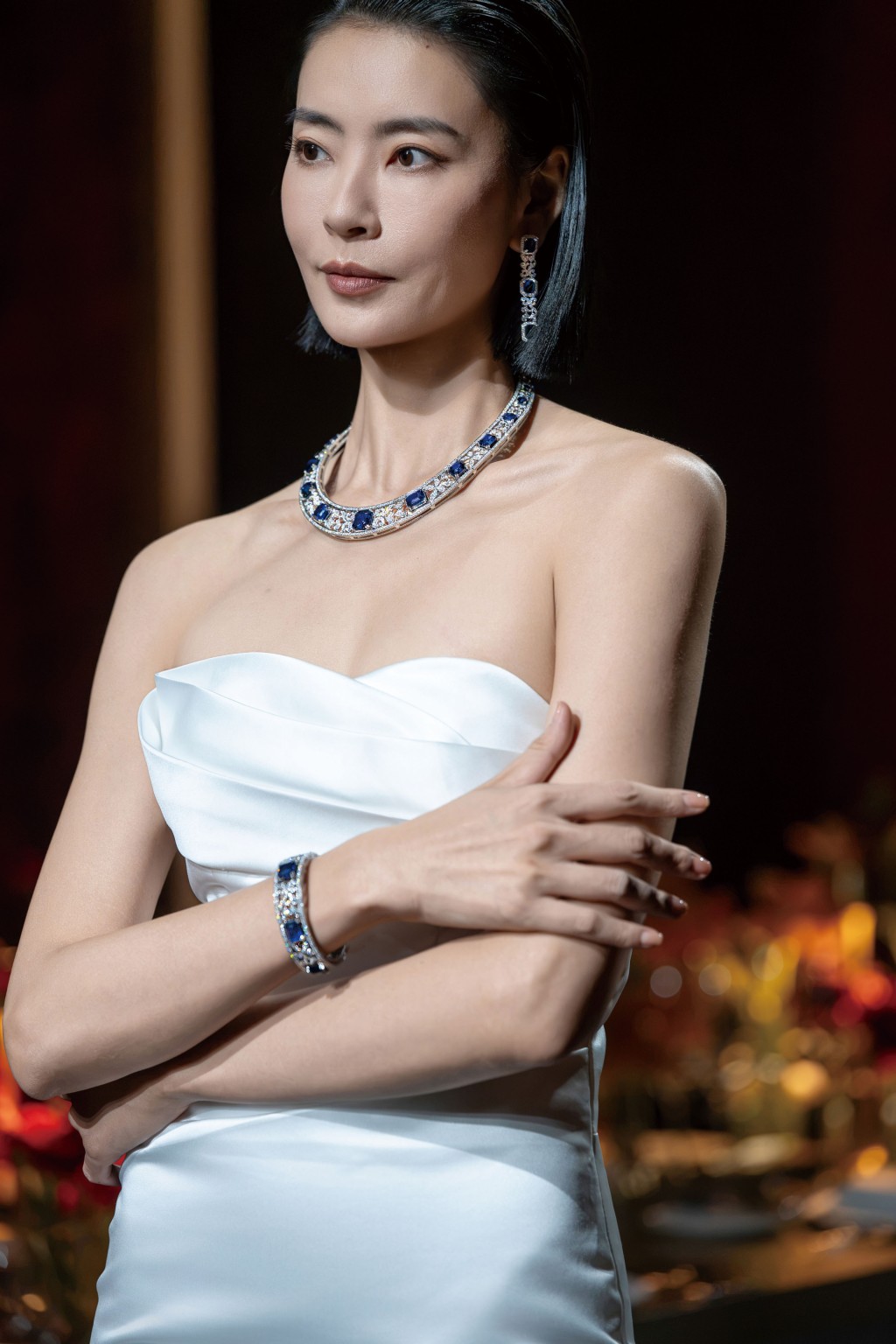
The sequence culminates in Crowning Achievement, inspired by the sapphire coronet designed by Prince Albert for Queen Victoria.
The original object is closely associated with both their relationship and Victoria’s public life, but Chow Sang Sang’s interpretation shifts the symbolism away from inherited royal status and toward personal accomplishment.
Twenty-eight emerald-cut royal-blue sapphires totaling 102 carats are set into the contemporary piece, which reworks the sculptural language of a coronet as a celebration of confidence and achievement.
The Hong Kong presentation also sits within Chow Sang Sang’s longer relationship with the local arts scene.
For around two decades, the company has supported concerts by the Hong Kong Philharmonic Orchestra, a partnership grounded in the idea that artistic expression can communicate beyond language and geography.
That connection helps place Confluence in a wider cultural context.
Jewelry and orchestral music may operate in very different forms, but both rely on interpretation: old compositions are continually performed anew, just as historical objects can be reconsidered through contemporary design.
For Chow Sang Sang, cultural exchange has increasingly become part of that creative process. Its work draws not only from traditional Chinese philosophy, including ideas found in the I Ching and observations of the natural world, but also from historical objects and artistic traditions far beyond Hong Kong.
The V&A collaboration is therefore most interesting when viewed not simply as an exercise in luxury or craftsmanship, but as an act of translation.
A Victorian keepsake becomes a gold evening bag. An Art Nouveau head ornament becomes a Chinese bridal hairpin. A royal coronet is recast as a symbol of individual achievement.
None completely abandons its source.
Instead, each asks what can happen when an object is allowed to carry a different meaning into another time and culture — and when jewelry becomes not simply something to wear, but a place where histories meet.