Read More



Three-year heatwave bleached half the planet's coral reefs: study
10-02-2026 17:43 HKT




An art walk through Sai Wan’s forgotten stories
01-11-2026 08:00 HKT



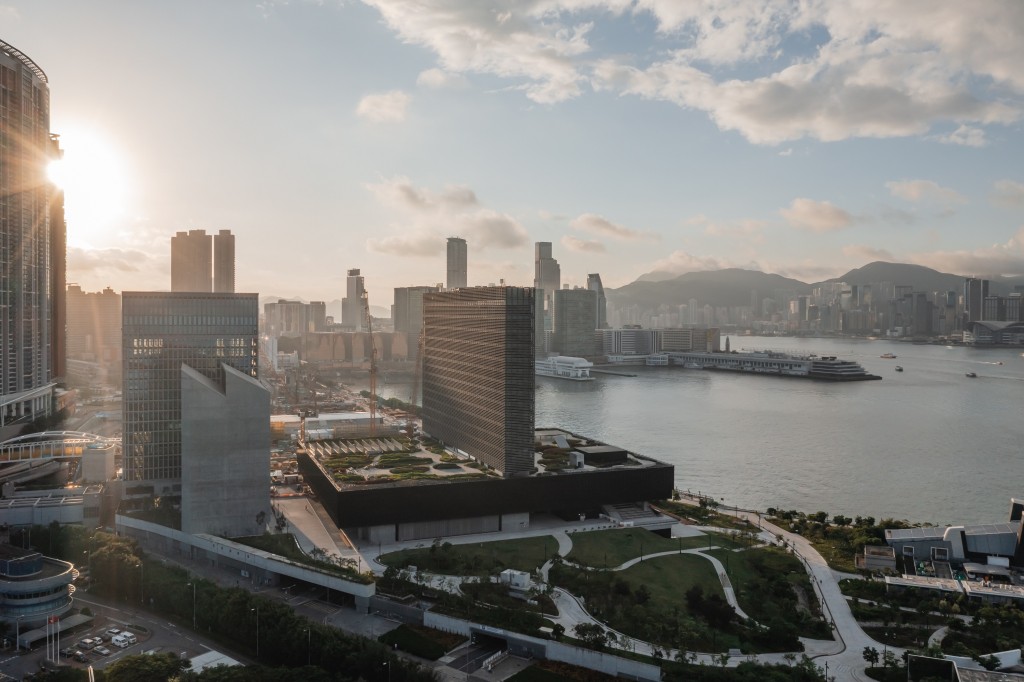



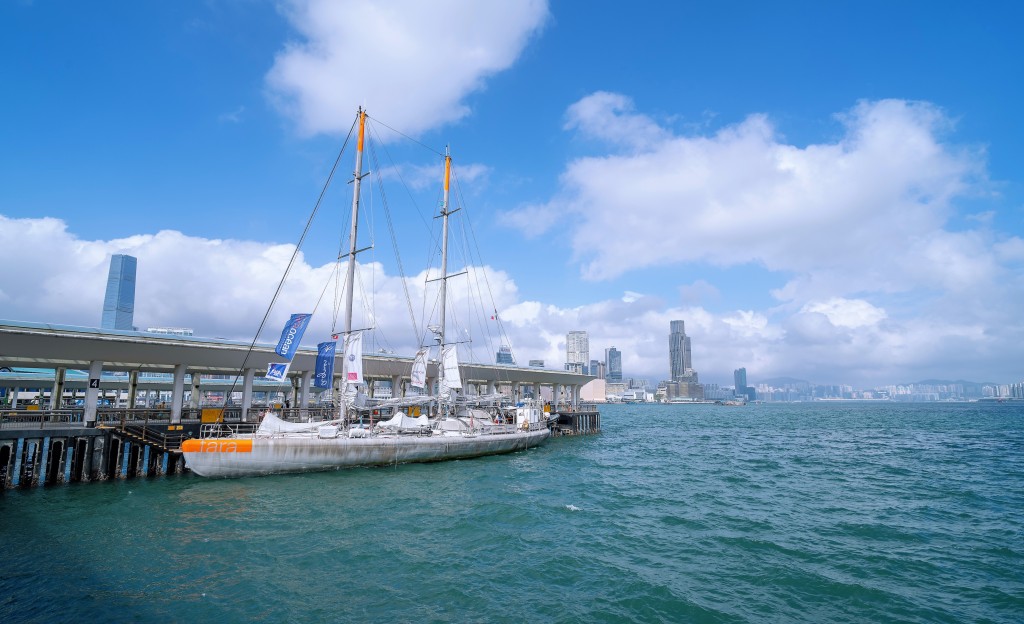
French research schooner Tara makes a stopover in Hong Kong during an ambitious expedition to understand how coral reefs withstand rising ocean temperatures.
As rising ocean temperatures threaten coral reefs around the world, French research schooner Tara is investigating a question that could help shape the future of marine conservation: why are some corals able to withstand extreme heat while others struggle?
The Tara Coral expedition, running from 2026 to 2028, is exploring the Coral Triangle in the western Pacific, a marine biodiversity hotspot where coral reefs have shown remarkable resilience despite warming waters.
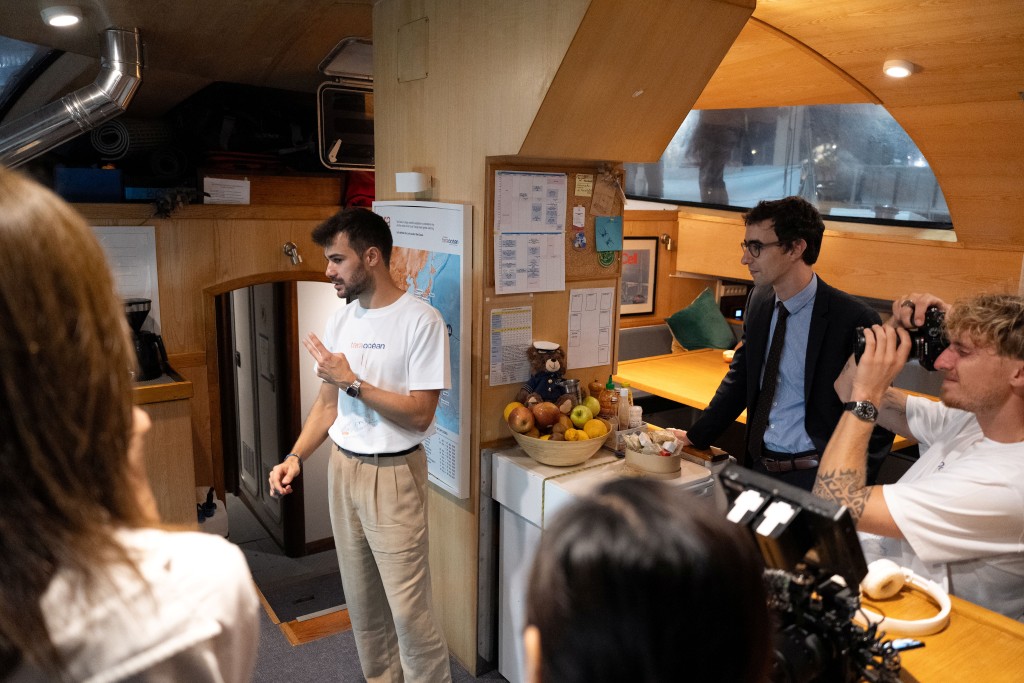
During the stopover in the city on November 4, the vessel welcomed visitors aboard at Central Pier No. 10 for a closer look at its scientific mission and life at sea.
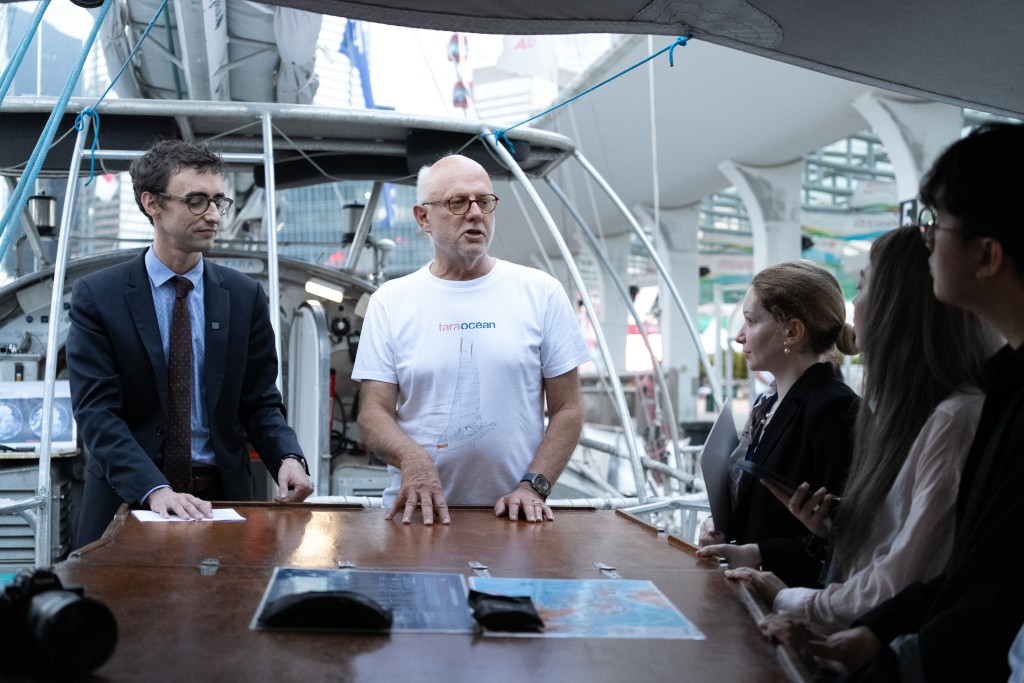
During the visit, Étienne Bourgois, Global COO of French fashion house agnès b., joined the crew in introducing the expedition before guests were taken on a guided tour of the schooner.
Often described as the Amazon of the ocean, the Coral Triangle spans six countries and is home to approximately three-quarters of the world's known coral species and one-third of its coral reefs.
While many reefs elsewhere have experienced extensive bleaching due to marine heatwaves, coral cover in the region has remained relatively stable, making it a valuable natural laboratory for understanding how corals respond to environmental stress.
The expedition brings together more than 40 scientific partners, including institutions from the Coral Triangle, to examine how genetics, microorganisms, biodiversity and local environmental conditions may influence coral resistance to heat.
Over 18 months of exploration, Tara will travel approximately 30,000 nautical miles, making 26 stopovers and conducting detailed investigations at more than 10 planned sampling sites.
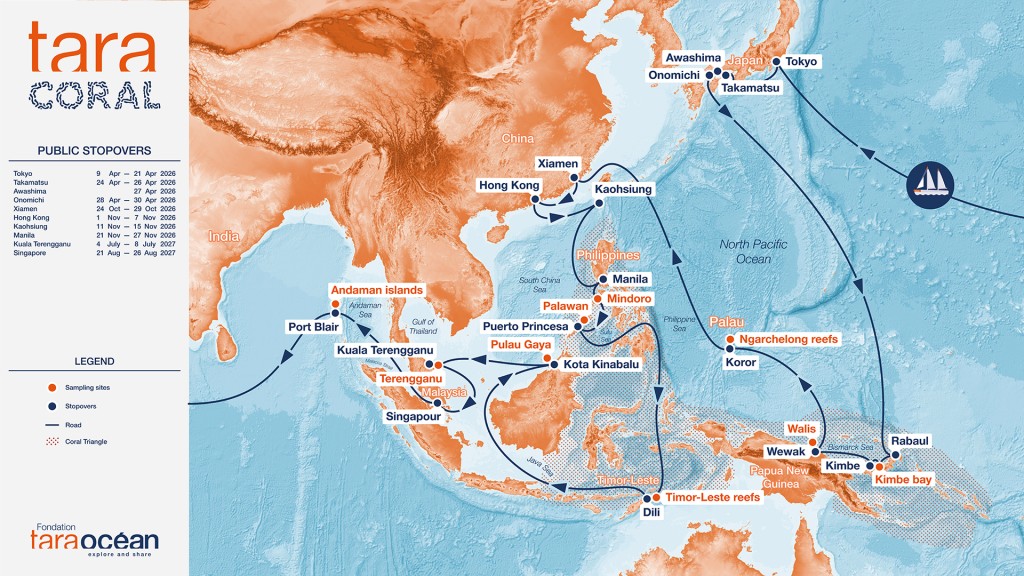
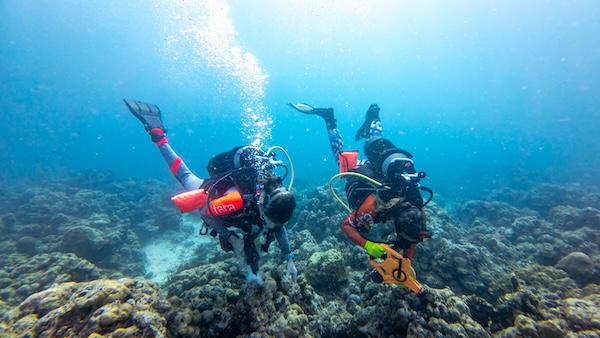
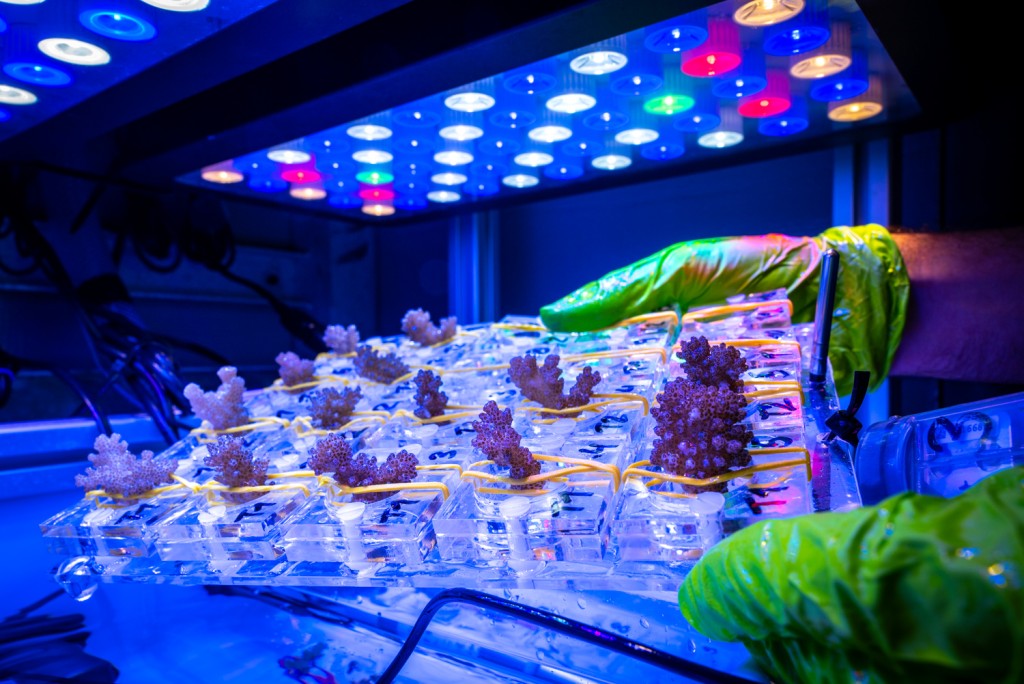
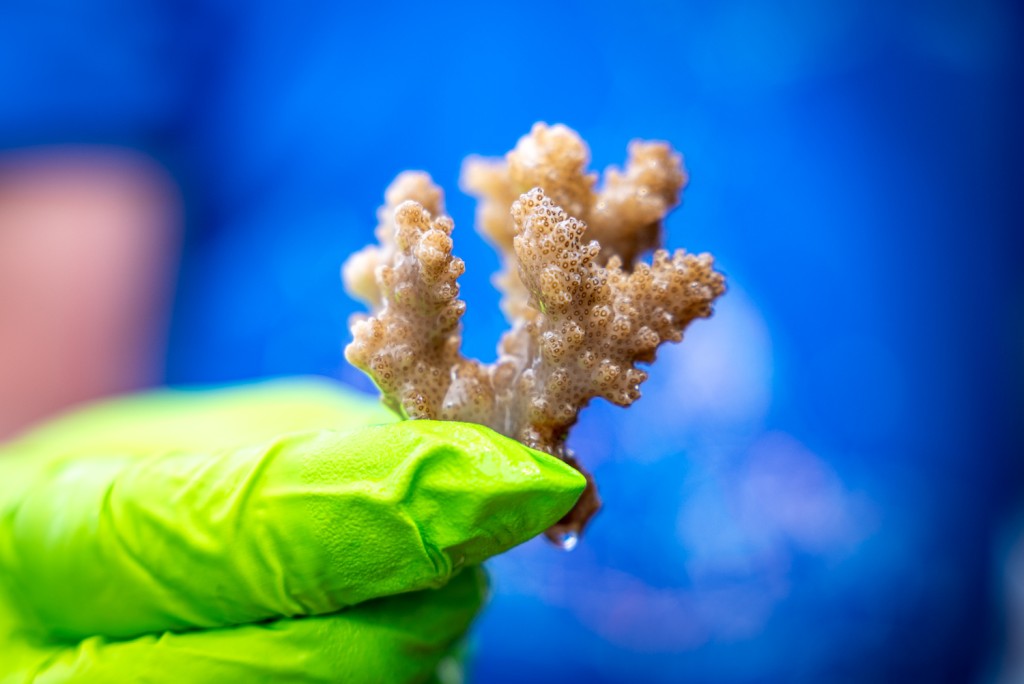
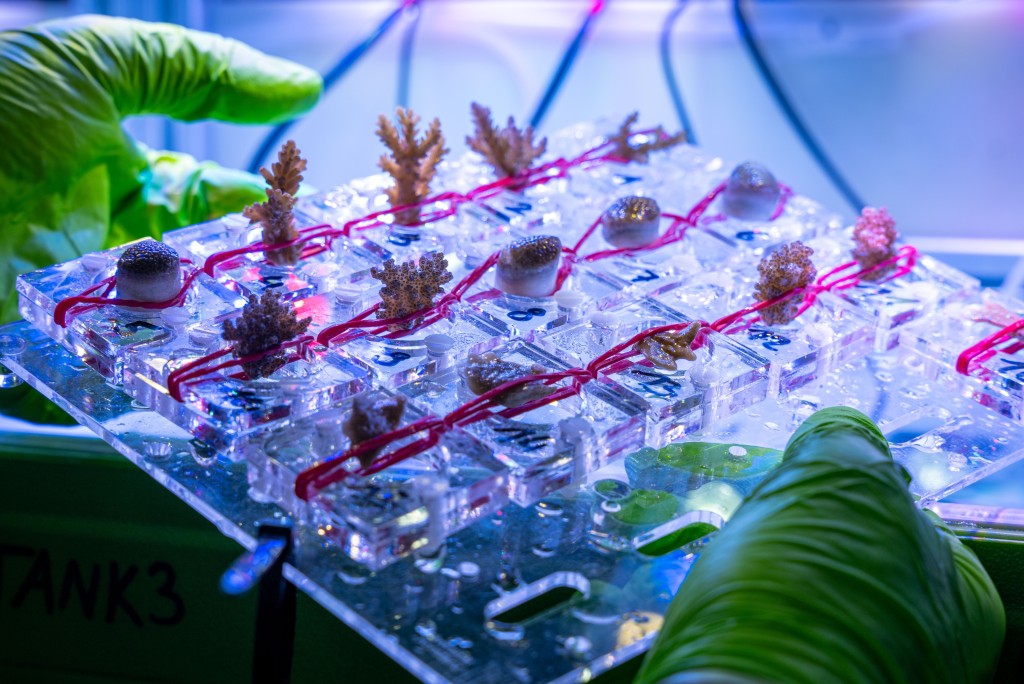


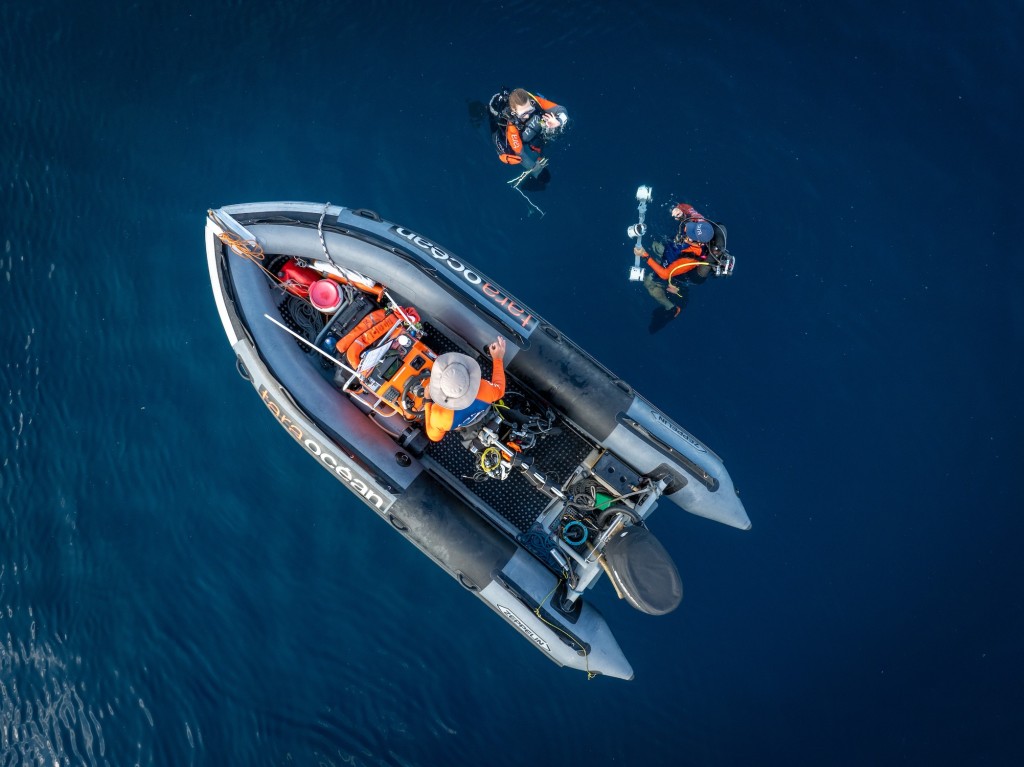
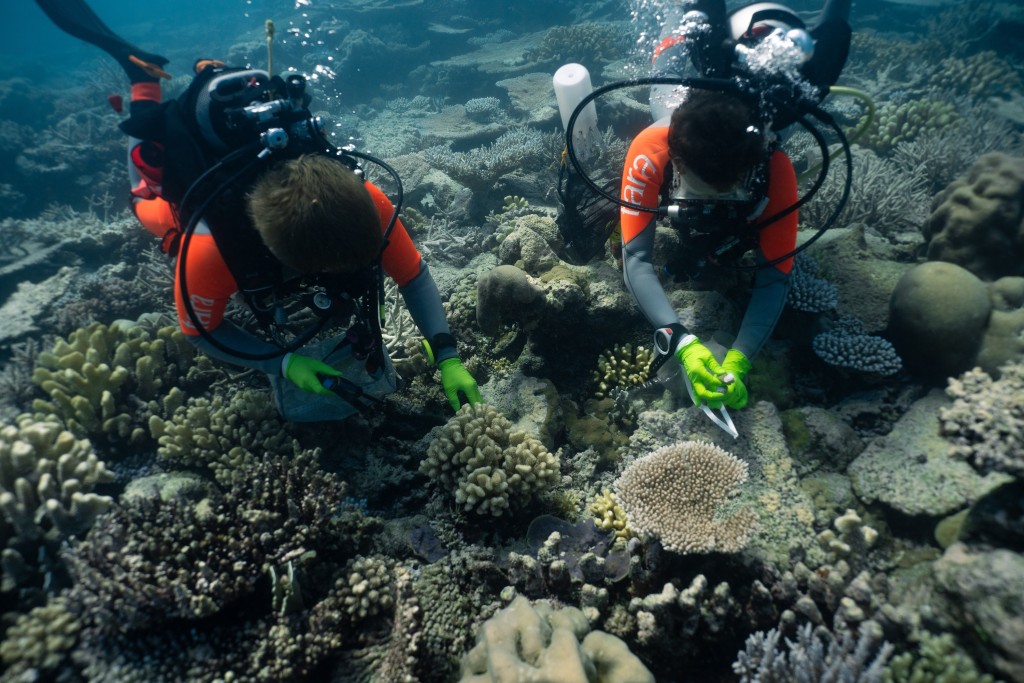
Researchers will collect coral, seawater and sediment samples, map reef ecosystems and use specialized equipment to expose coral fragments to different temperatures. The findings could help identify naturally heat-resistant coral populations and inform future conservation strategies.
Beyond its scientific ambitions, the Hong Kong stopover offered an intimate look at the everyday lives of those who make these expeditions possible.
According to the crew, around 14 people typically live aboard at any one time. With relatively compact sleeping quarters, the salon serves as the main communal space, where crew members gather, relax and socialize after their daily responsibilities.
Life aboard also comes with a shared approach to household duties. Cooking and cleaning are divided among everyone, including the captain, reflecting the practical cooperation required when living together in a confined environment for extended periods.
The tour also provided a glimpse into the logistical preparations behind long ocean voyages.
Crew members showed visitors how food and other provisions are stored, explaining the arrangements that helped sustain the schooner during its earlier polar expeditions, when opportunities to replenish supplies were limited.
While sophisticated scientific equipment supports the research mission, daily life at sea relies just as much on careful planning and teamwork.
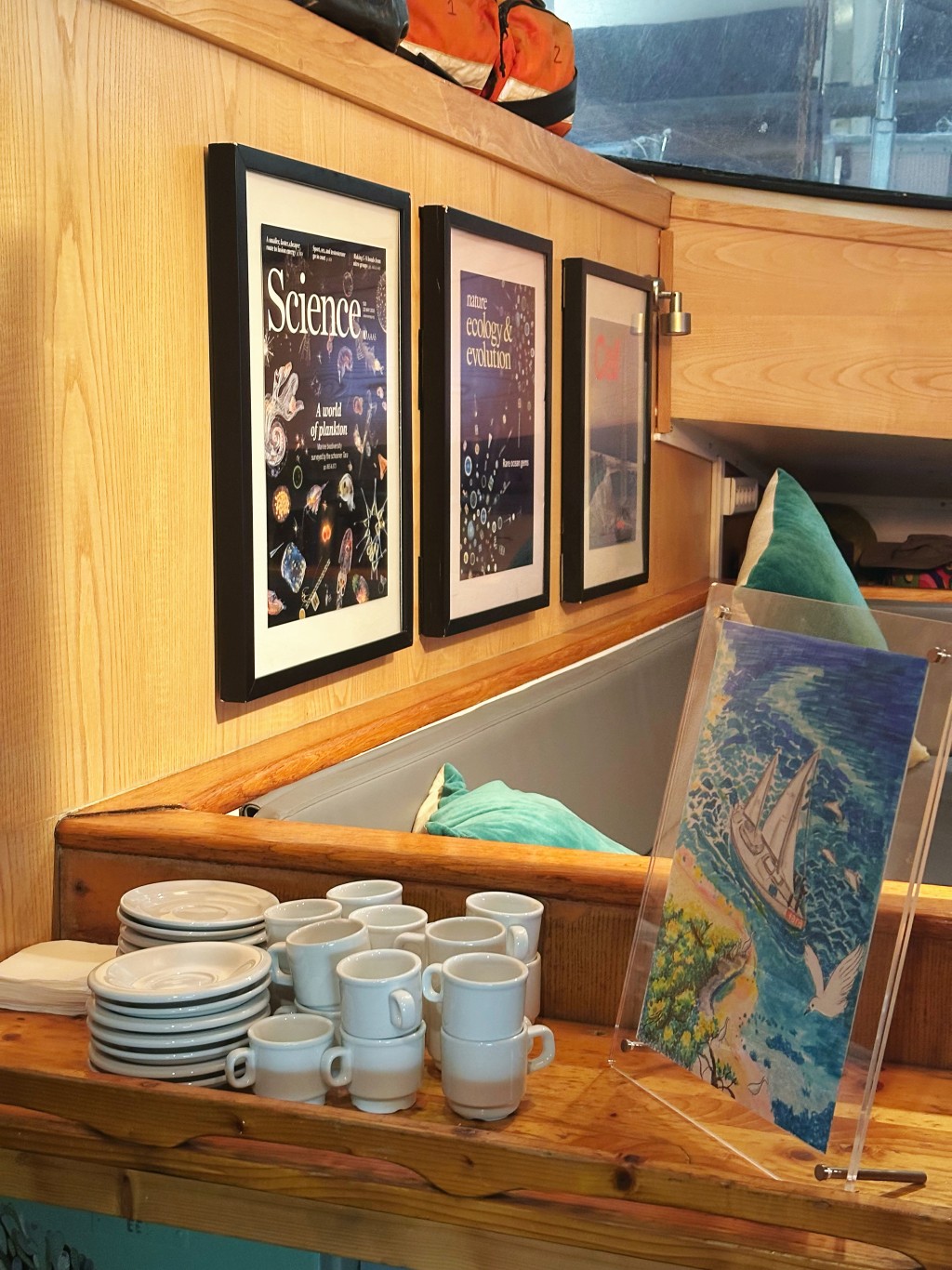
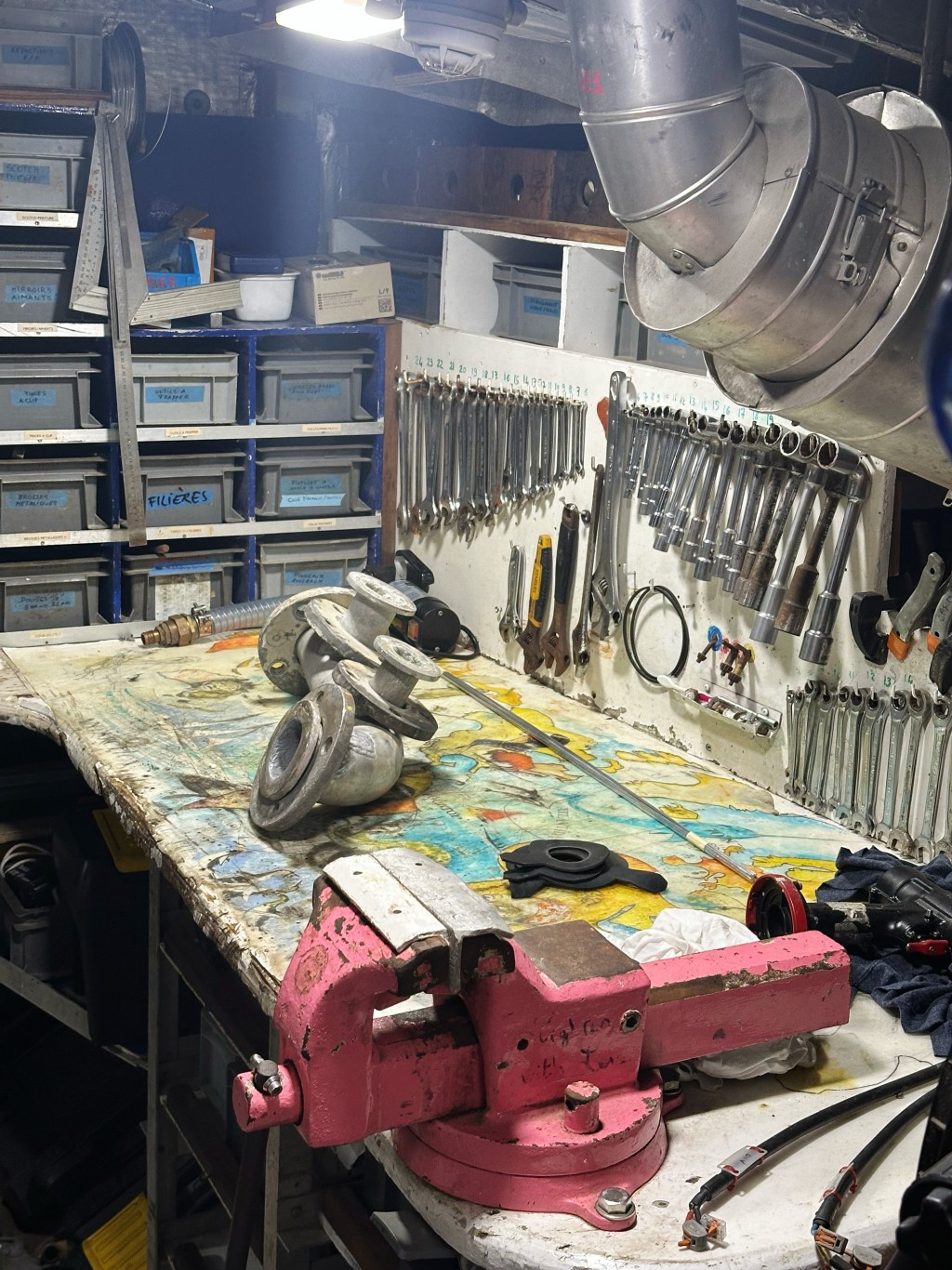
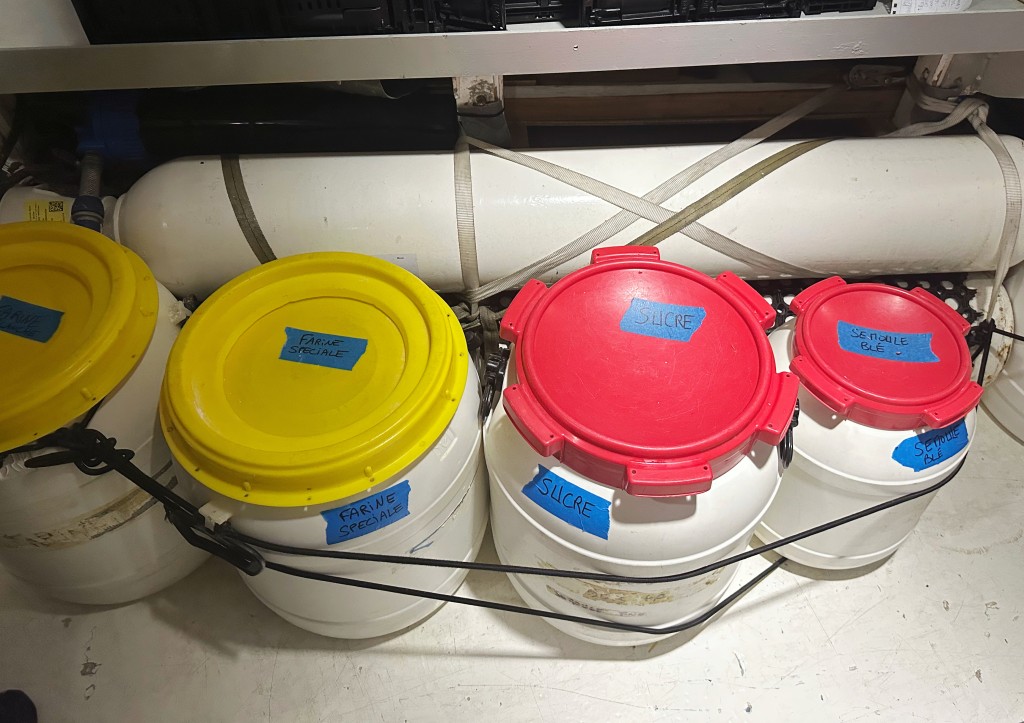
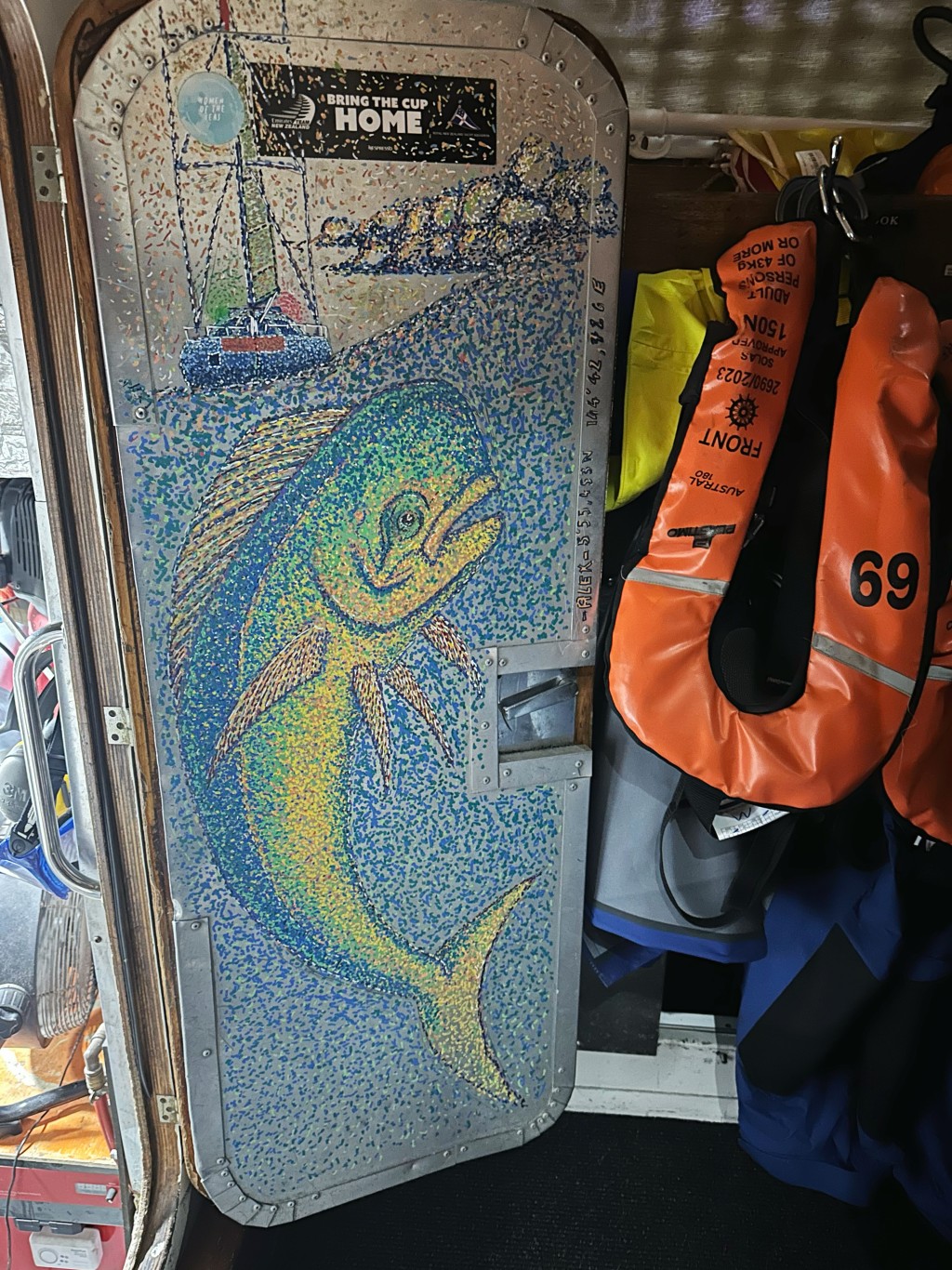
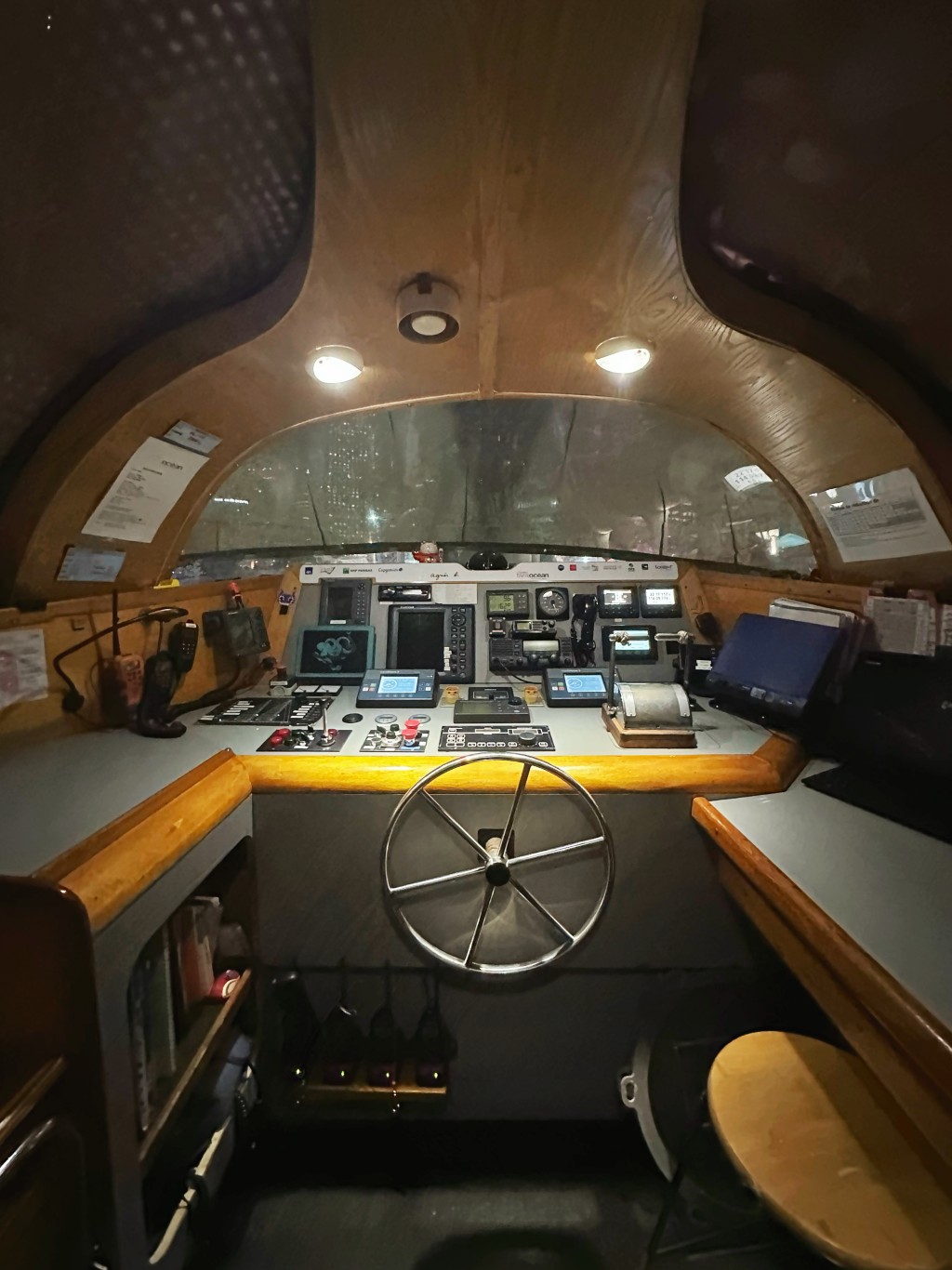
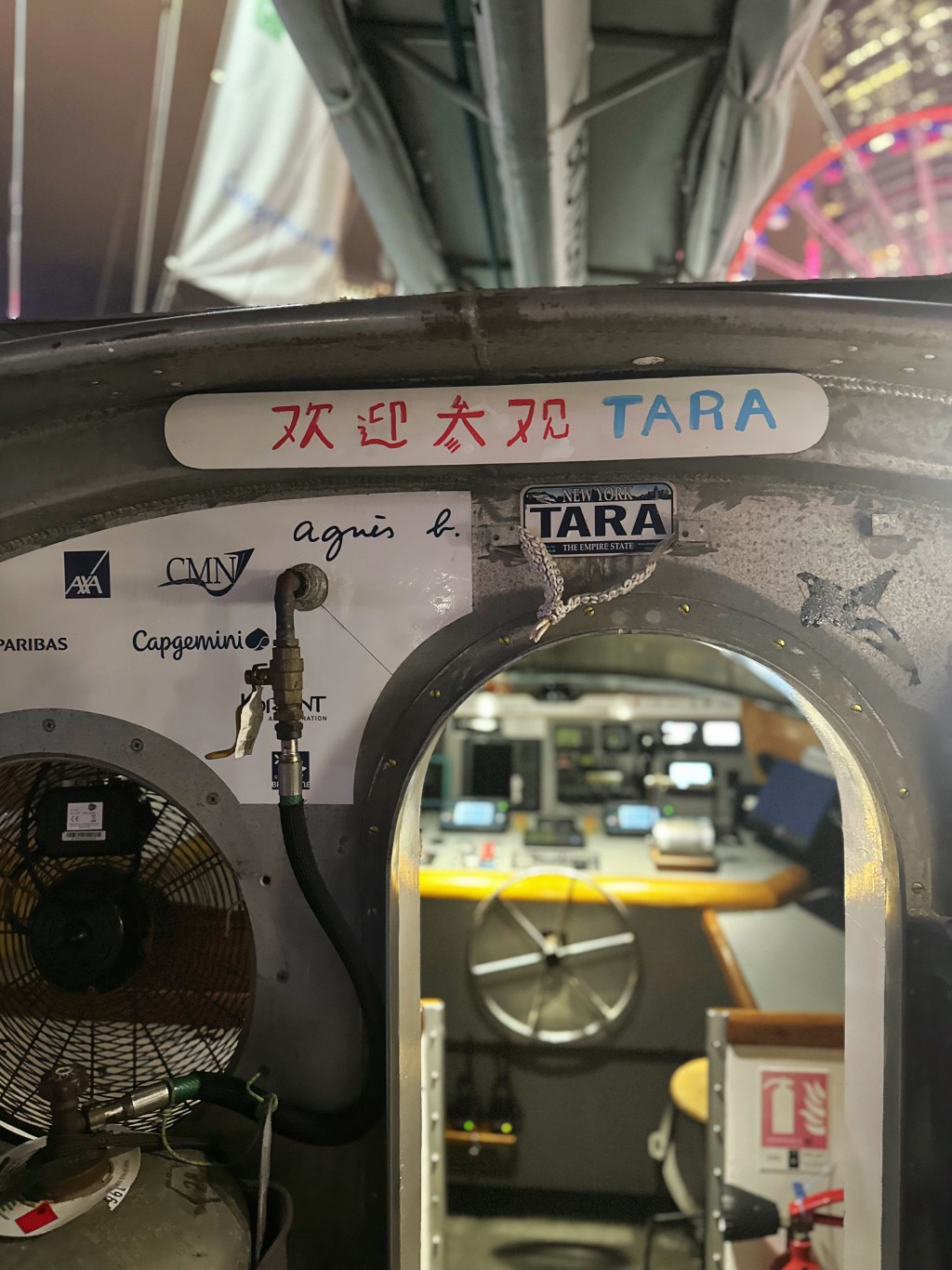
There is also a creative side to the vessel. Visitors were shown artworks left behind by artists who had previously joined the schooner through its residency program, offering a personal connection to earlier journeys.
The works reflect the foundation's approach to bringing science and artistic expression together, with artists interpreting their experiences at sea through different creative perspectives.
The connection between Tara and French fashion house agnès b. dates back more than two decades.
In 2003, designer Agnès Troublé, known professionally as agnès b., and her son Bourgois acquired the schooner, supporting its transformation into a platform for scientific research.
The vessel subsequently became part of the Tara Ocean Foundation, which works with international researchers to study marine biodiversity, climate change and pollution.
Beyond scientific exploration, the foundation collaborates with educators, artists and policymakers to make marine research more accessible and encourage greater public engagement in ocean protection.
The stakes are considerable. Although coral reefs cover just 0.2 percent of the ocean's surface, they support approximately a quarter of known marine biodiversity and provide essential resources for millions of people worldwide.
With more than 40 percent of coral species threatened with extinction, research into their survival has become increasingly important.
For visitors stepping aboard during the Hong Kong stopover, the experience offered a perspective extending beyond the expedition's scientific objectives.
From the compact sleeping quarters and shared household responsibilities to the artworks left by former residents, the schooner revealed the human side of ocean exploration.
As Tara continues its journey through the Coral Triangle, its mission brings together scientific curiosity, creative expression and a small community of people sharing an extraordinary life at sea.
marco.lam@singtaonewscorp.com