Re/composing Sai Wan is bringing site-specific works, screenings, workshops and guided tours to Sai Wan from November 1 to 30.
Sai Wan has always rewarded those willing to slow down.
ADVERTISEMENT
SCROLL TO CONTINUE WITH CONTENT
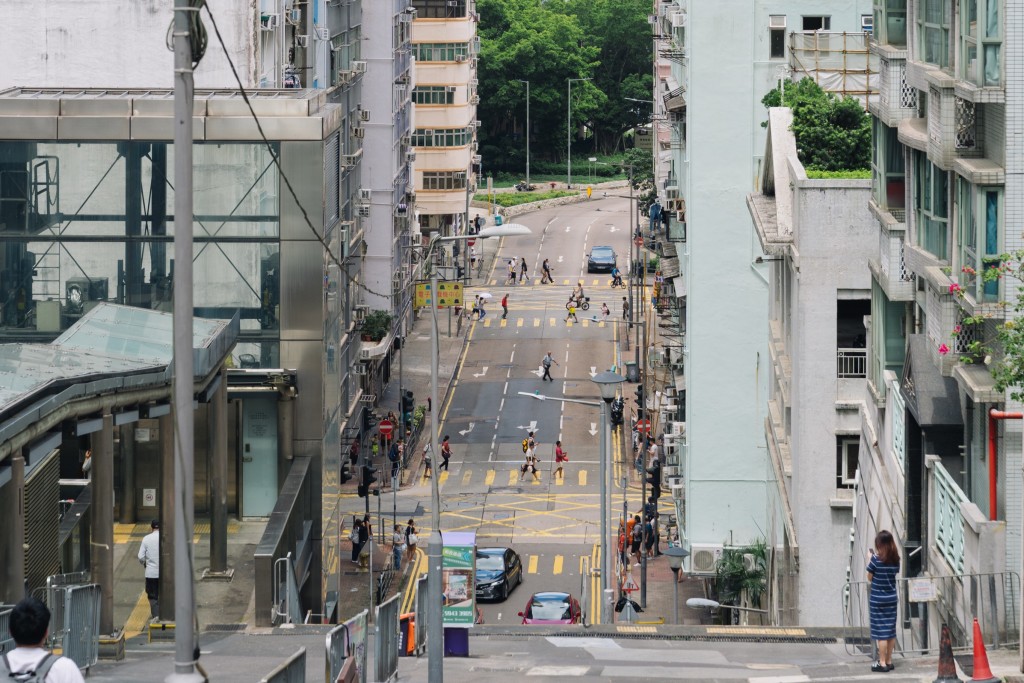
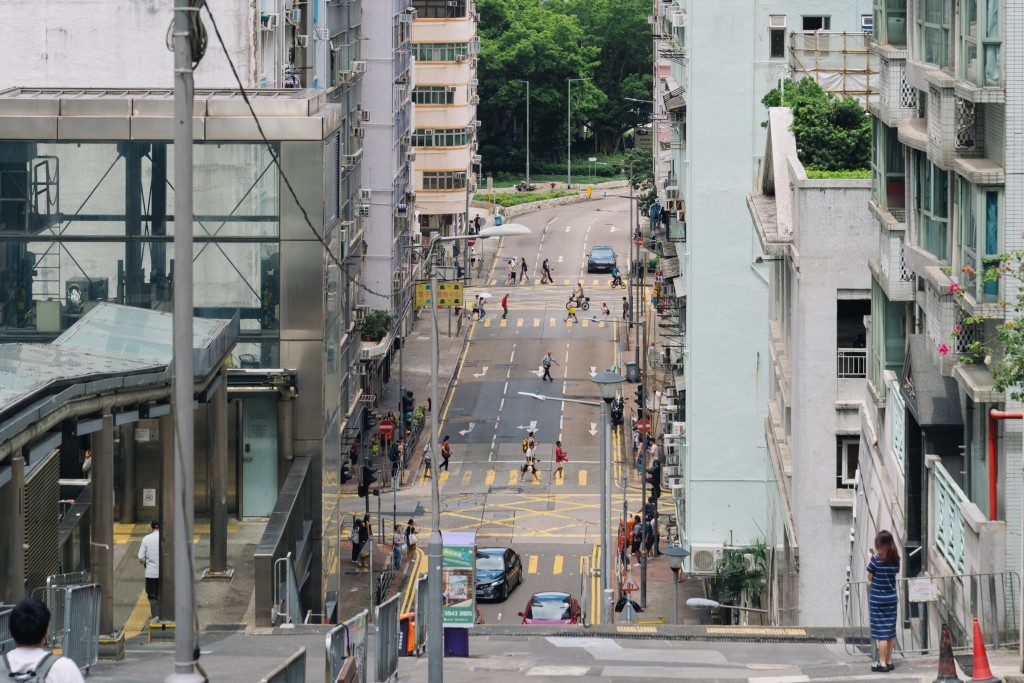
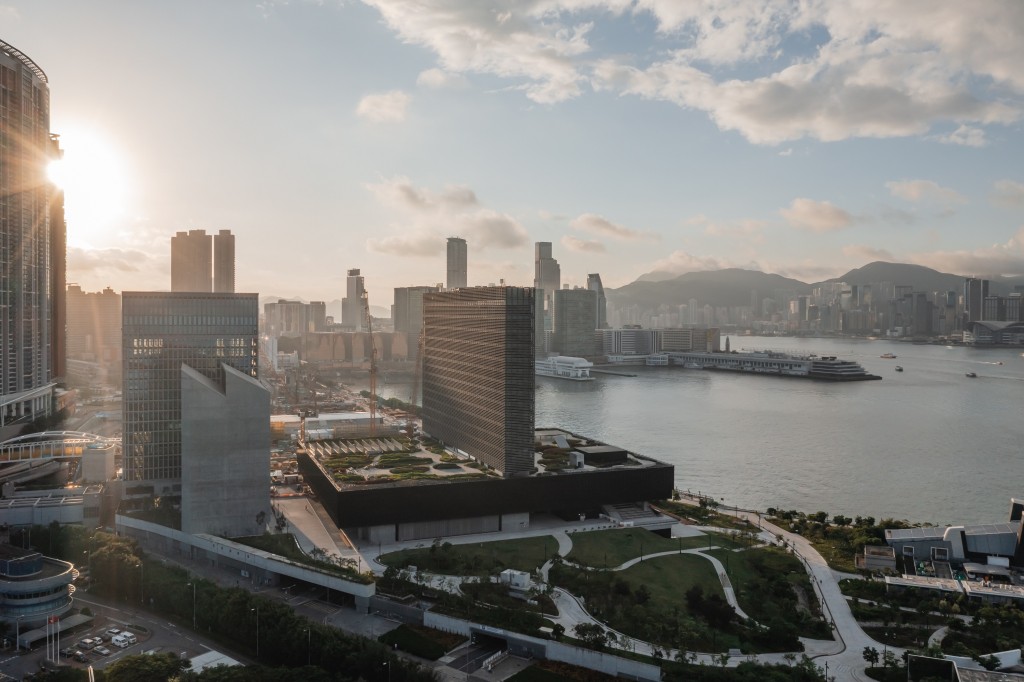
Behind its steep streets, old shopfronts and waterfront views are traces of vanished amusement grounds, neighborhood rituals, film locations and everyday stories that are easy to miss at walking pace.
This month, Re/composing Sai Wan invites visitors to look again.
Presented by the Hong Kong Arts Development Council as the fifth edition of its Arts in the City series, the month-long art walk brings site-specific works, screenings, workshops and guided tours to Sai Wan from November 1 to 30. Curated by Rooftop Institute, the project follows earlier editions in Tai Hang, Yuen Long, Tai Po and the Southern District.
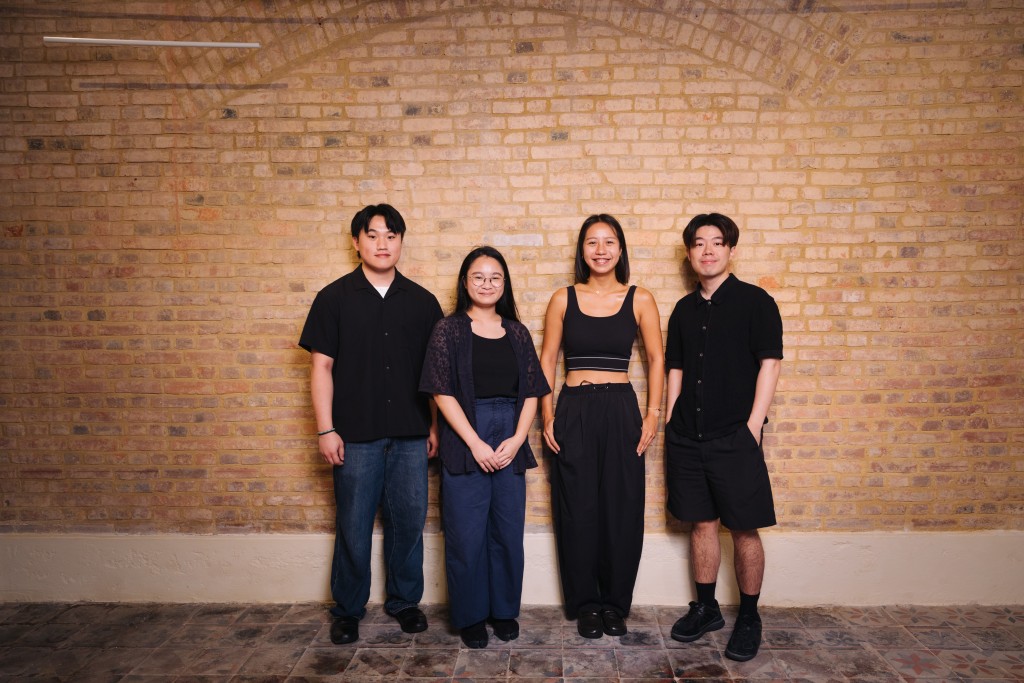
Rather than treating history as something fixed behind glass, the project asks four groups of local artists to respond to Sai Wan through the textures of the present — its slopes, sounds, architecture and people.
The result is less a conventional exhibition than an invitation to move through the neighborhood with a different sense of attention.
Bamboo, ghosts and changing landscapes
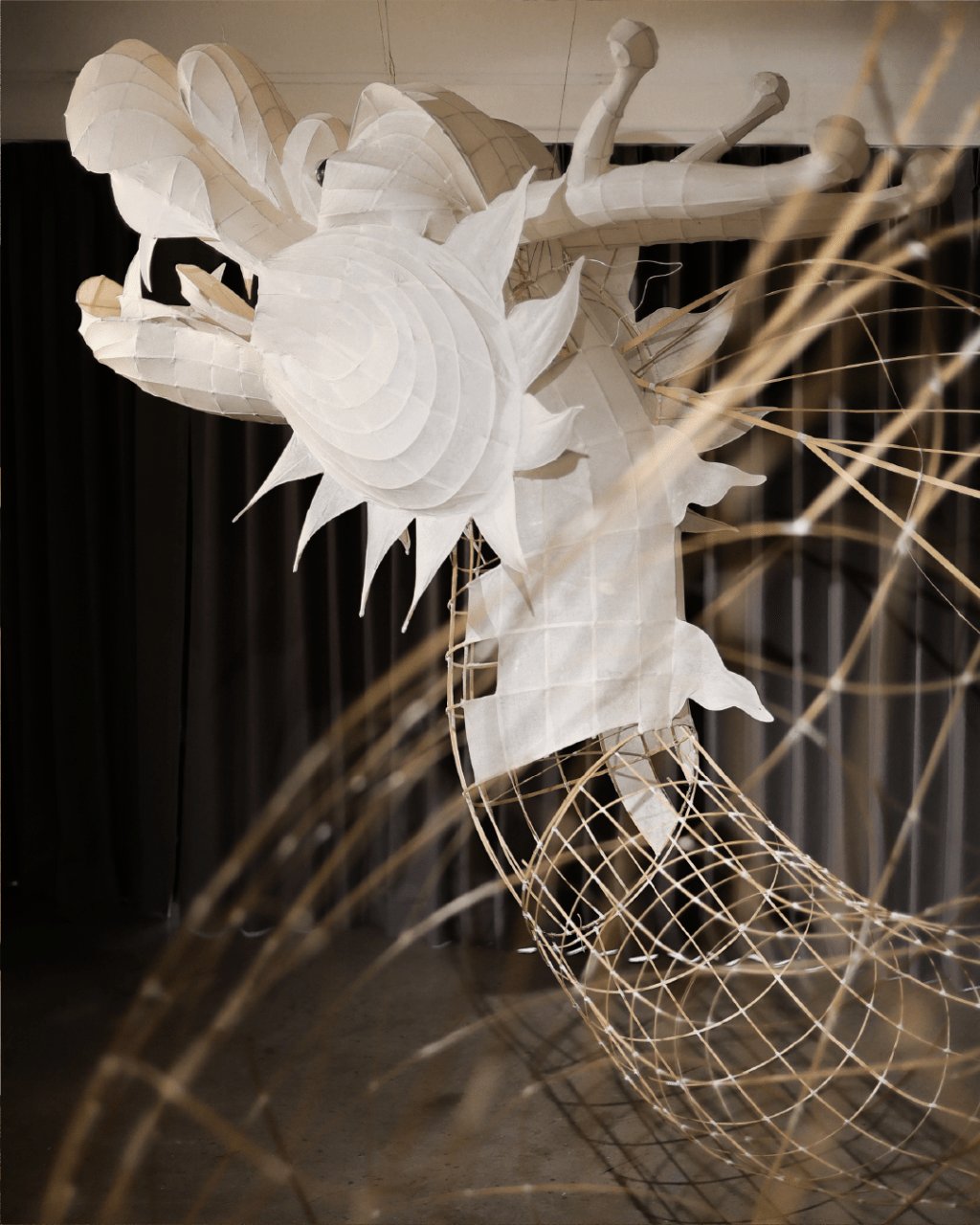
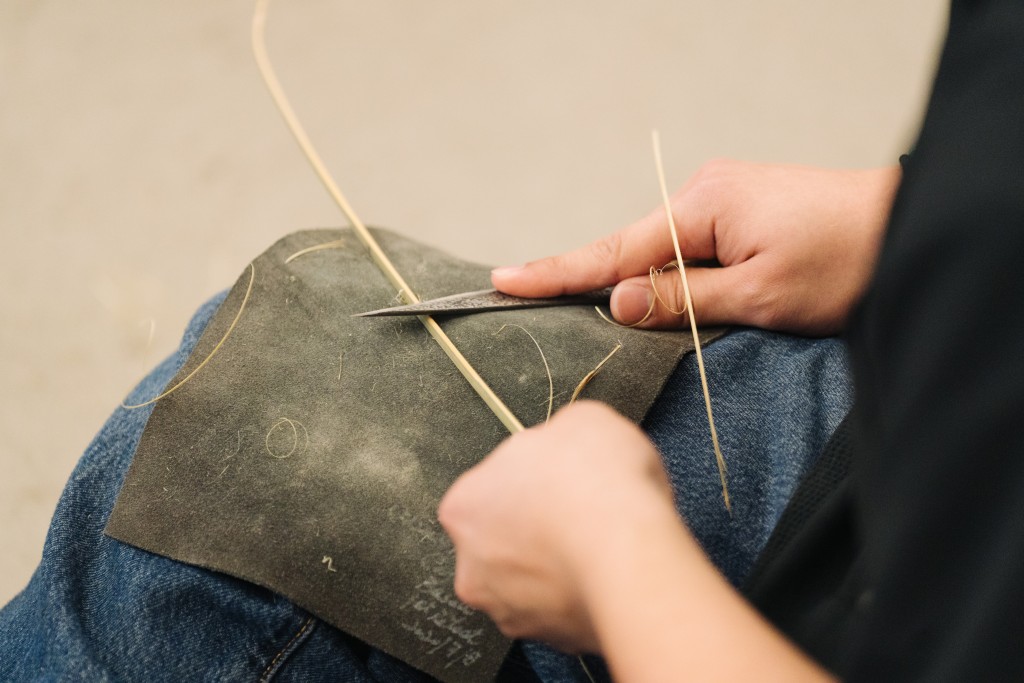
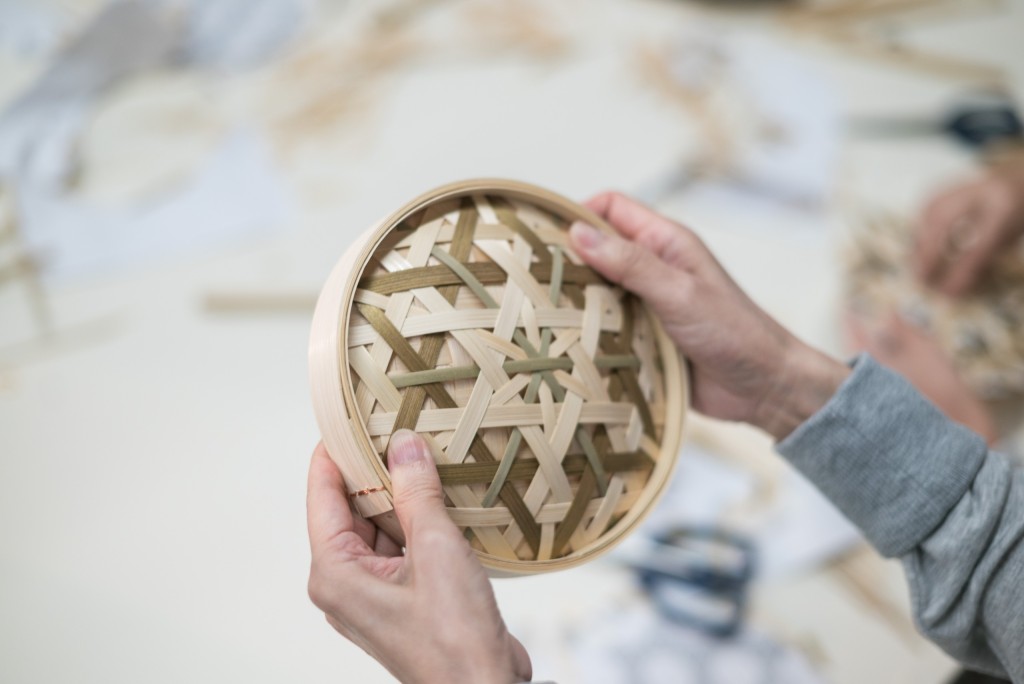
Artist collective Zaat Hap turns to traditional bamboo craft to trace both geography and memory.
Artist collective Zaat Hap turns to traditional bamboo craft to trace both geography and memory.
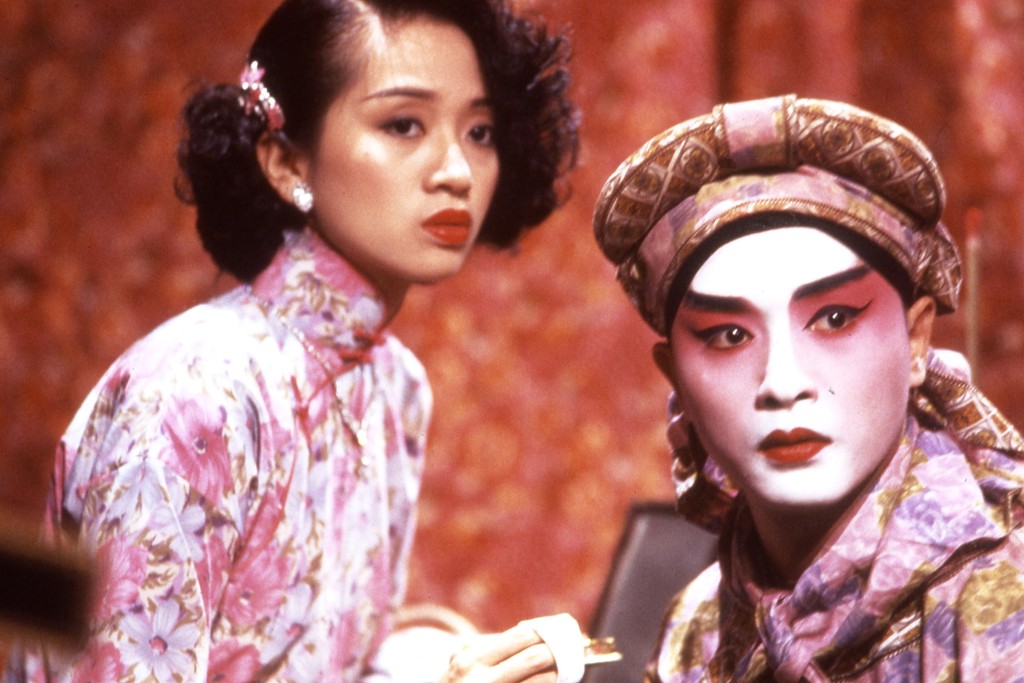
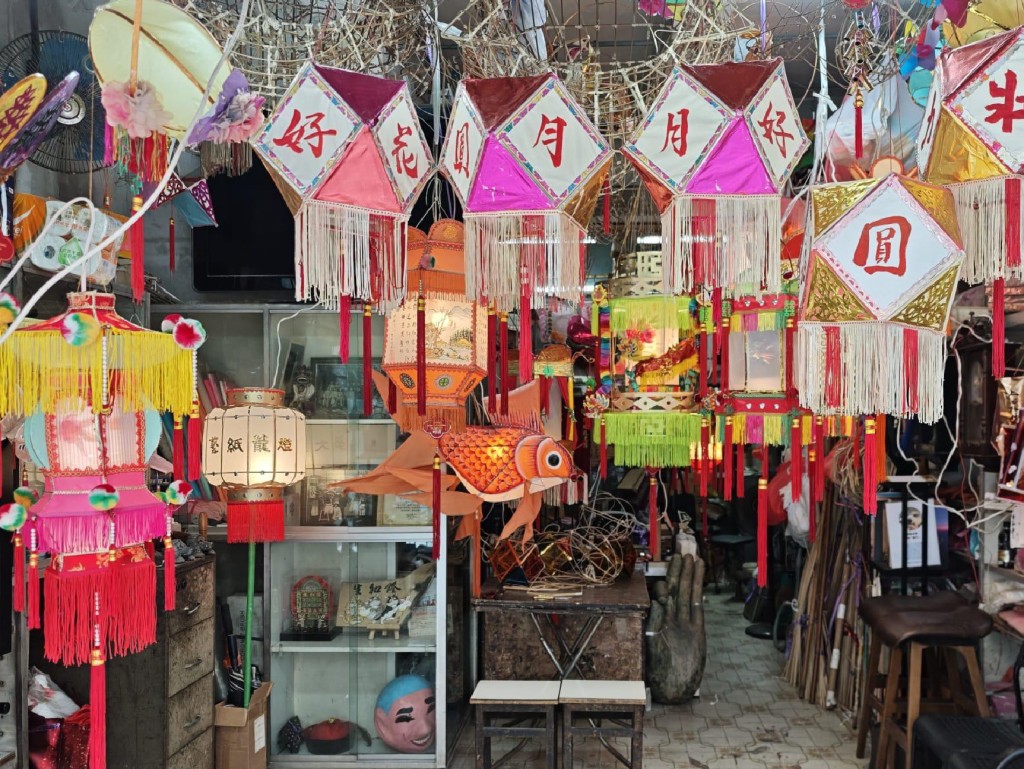
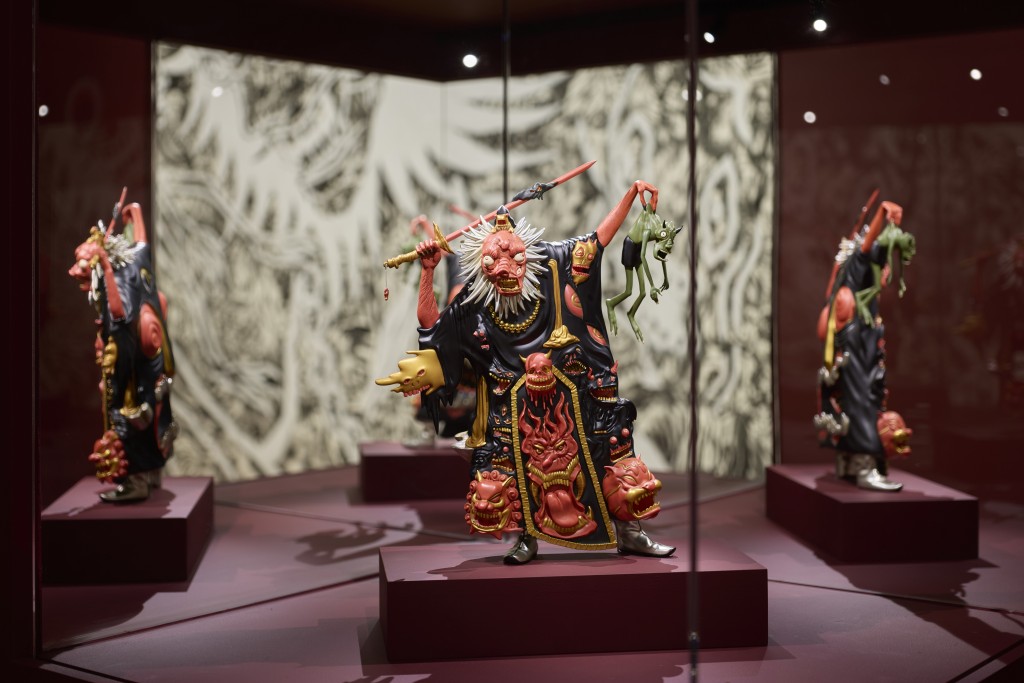
In Rhapsody in Scales, bamboo strips form a dragon-like landscape that echoes the ridges and undulating terrain of western Hong Kong Island. Its companion work, Shades of Phantoms, takes inspiration from Stanley Kwan’s Rouge, using hexagonal palace lanterns, bamboo frames and translucent paper to evoke the shadowy atmosphere of an old alleyway.
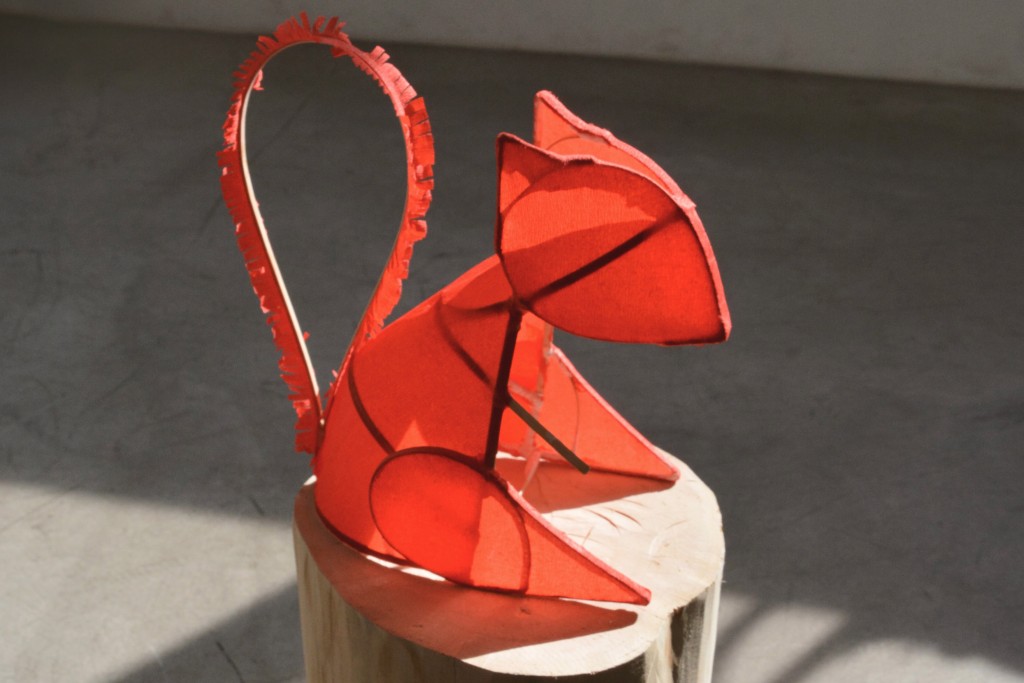
The installations are accompanied by workshops introducing traditional bamboo techniques, including splitting, shaving, framing and papering. One session draws on Kennedy Town community stories to turn the squirrel into a playful neighborhood guardian.
“Guardians of Sai Wan” Contemporary Bamboo Crafting Workshop.
“Contemporary Bamboo Crafting and Community Artmaking” Artists Sharing and Demonstration.
Elsewhere, Swing Lam looks toward Shek Tong Tsui’s once-glamorous entertainment history.
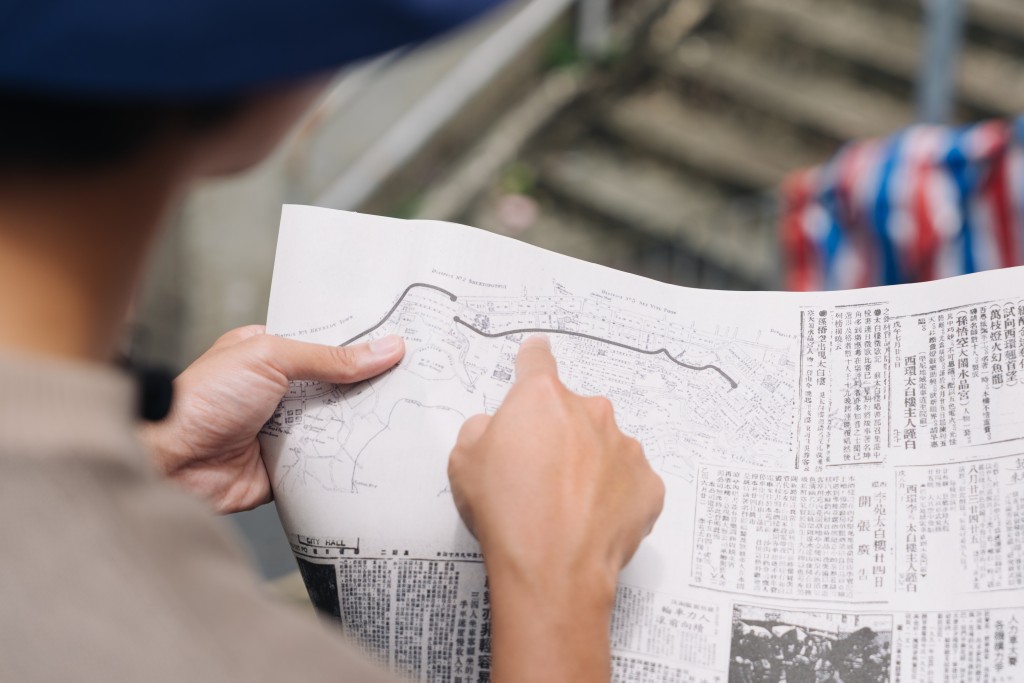
His Promenade Journal transforms that past into a walking map, inviting visitors to rediscover a district once known for theaters, nightlife and Tai Pak Lau, one of Hong Kong’s major early amusement parks.
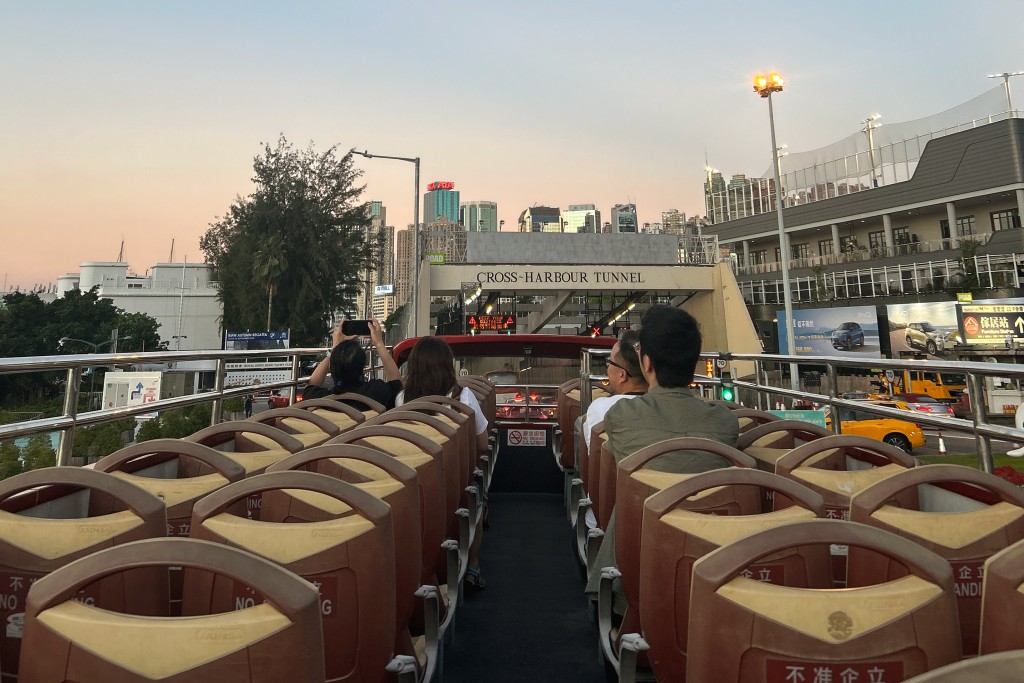
Lam extends that idea through his Hill Road Roller Coaster, an open-top bus experience inspired by the area’s former leisure culture, alongside a walking tour that retraces Shek Tong Tsui as it might have been encountered a century ago.
Promenade Journal — Hill Road Roller Coaster.
Listening to the neighborhood
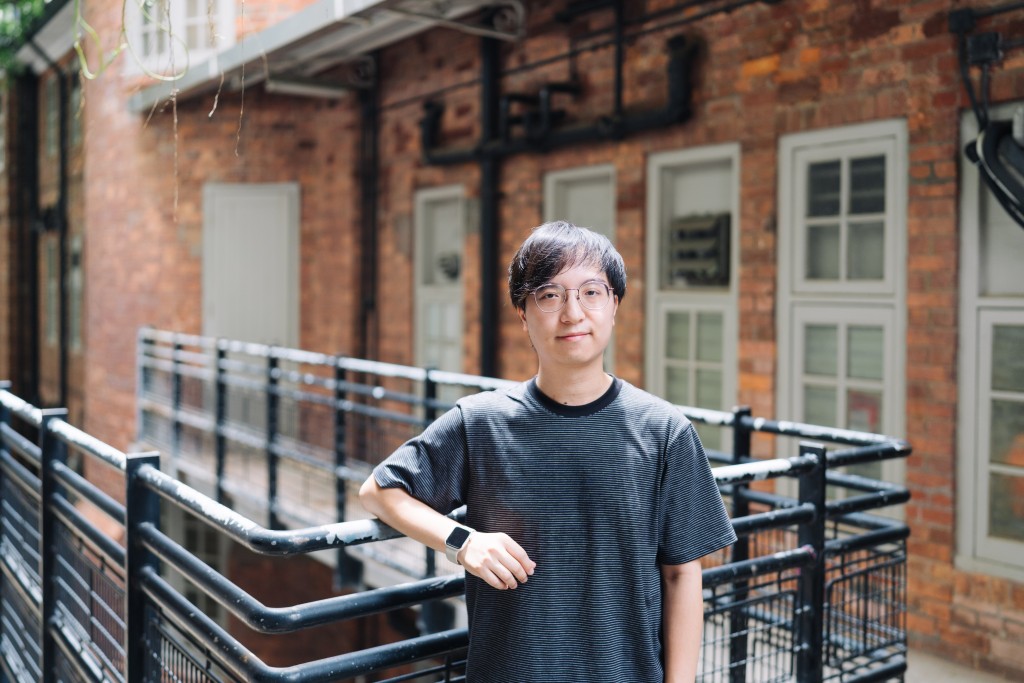
For Larry Shuen, history begins with observation.
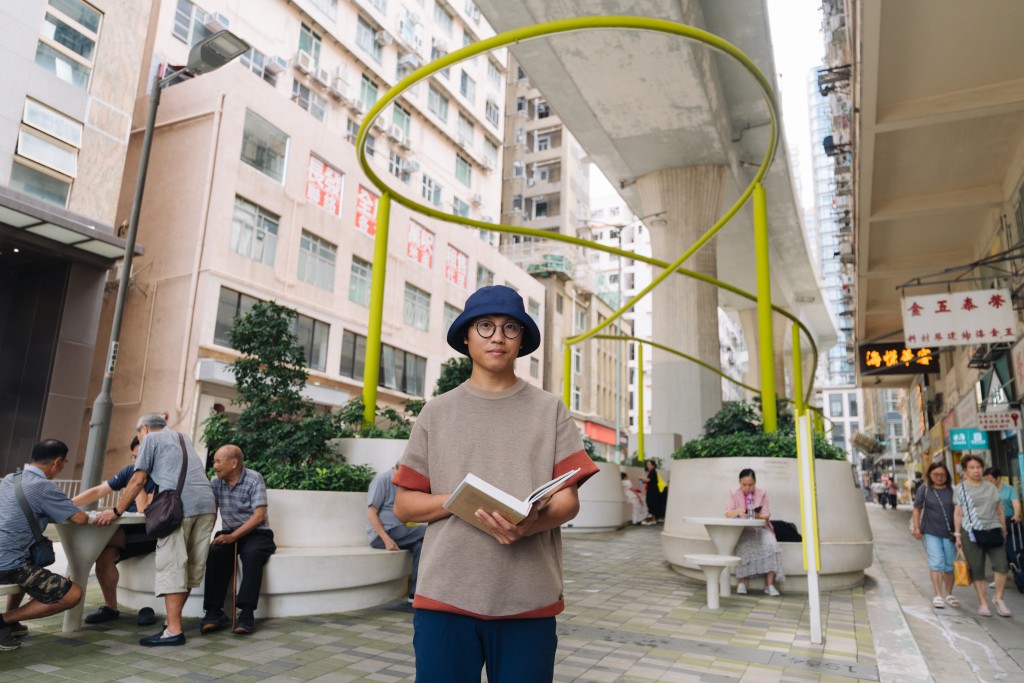
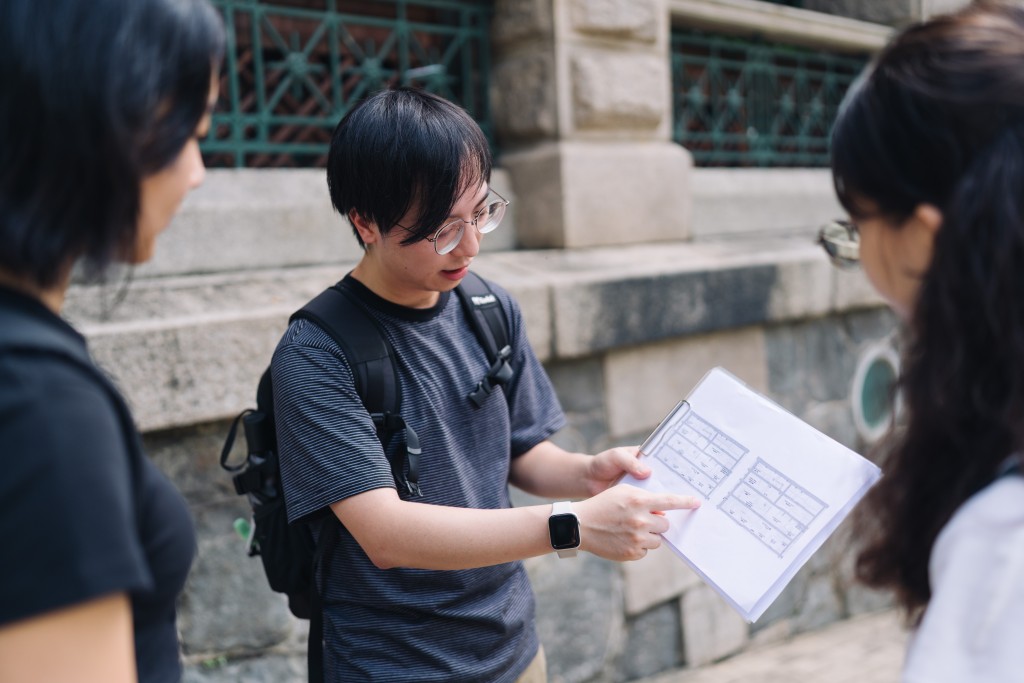
His Informal Methods of Heritage Research: Observing, Recording and Taking Part in Sai Ying Pun gathers images, video, sounds and movement records made during visits to local heritage sites, encouraging audiences to build their own reading of the neighborhood rather than rely solely on official histories.
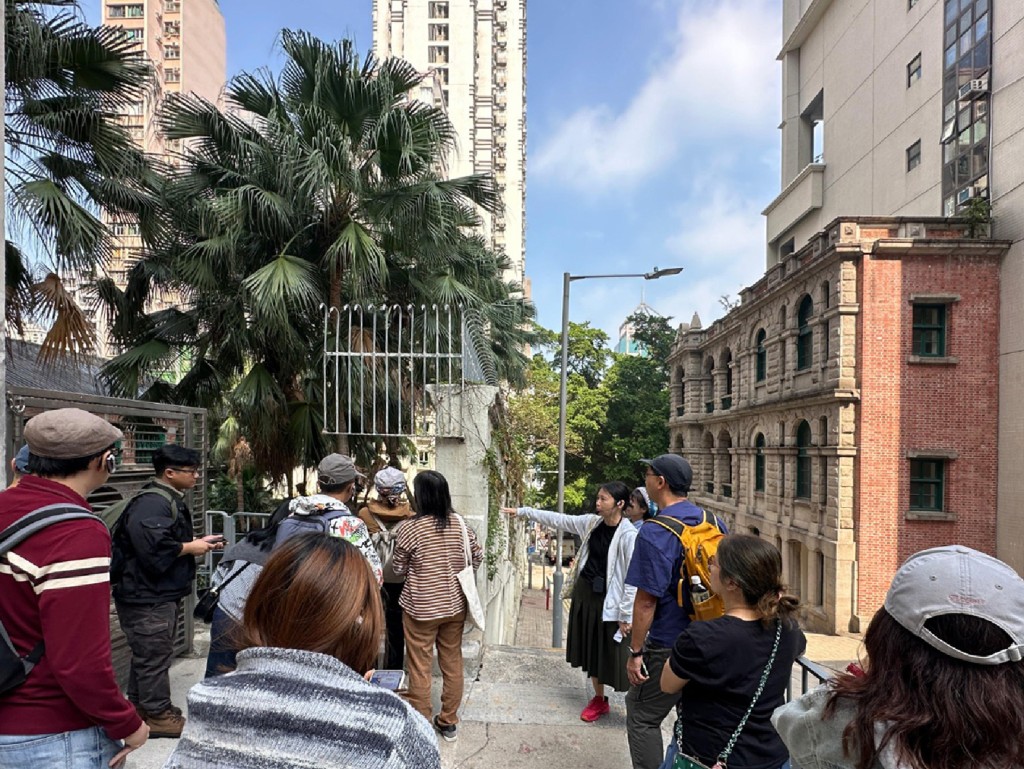
That approach continues through a field study and soundscape workshop, where participants are invited to examine architectural details, traces of everyday use and the sounds surrounding heritage buildings.
Starting from the maps and sloping streets of Sai Ying Pun, Larry Shuen visits a number of heritage sites, translating what he sees and hears into images, video, sound and movement records, and compiling them into a book.
Informal Heritage Research Group — Field Study.
Informal Heritage Research Group — Soundscape Workshop.
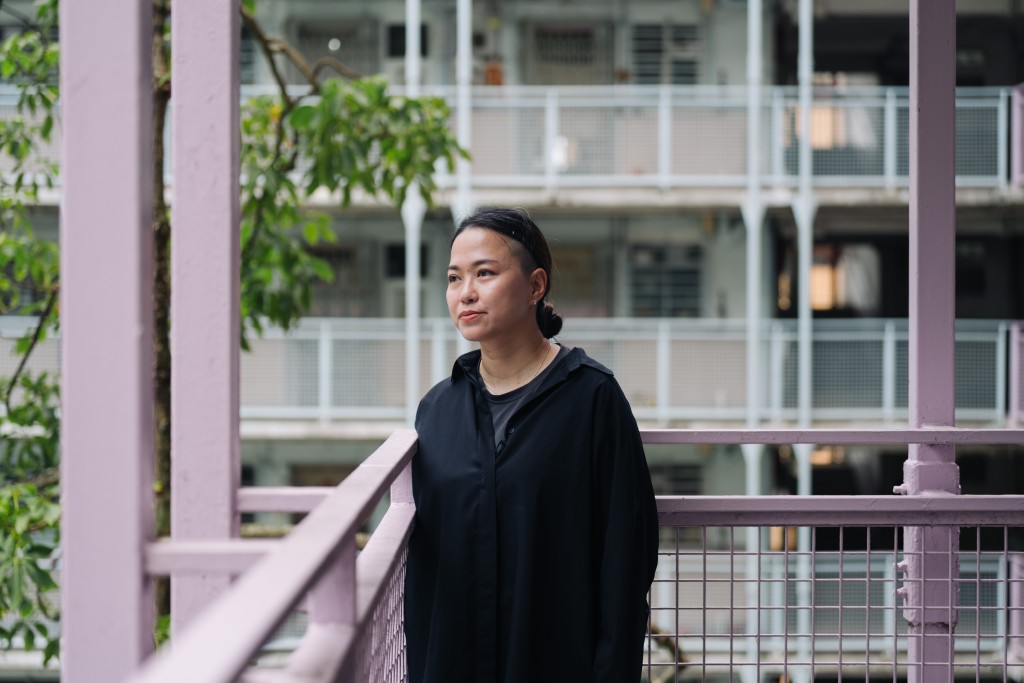
Yim Sui-fong approaches memory from a more playful direction.
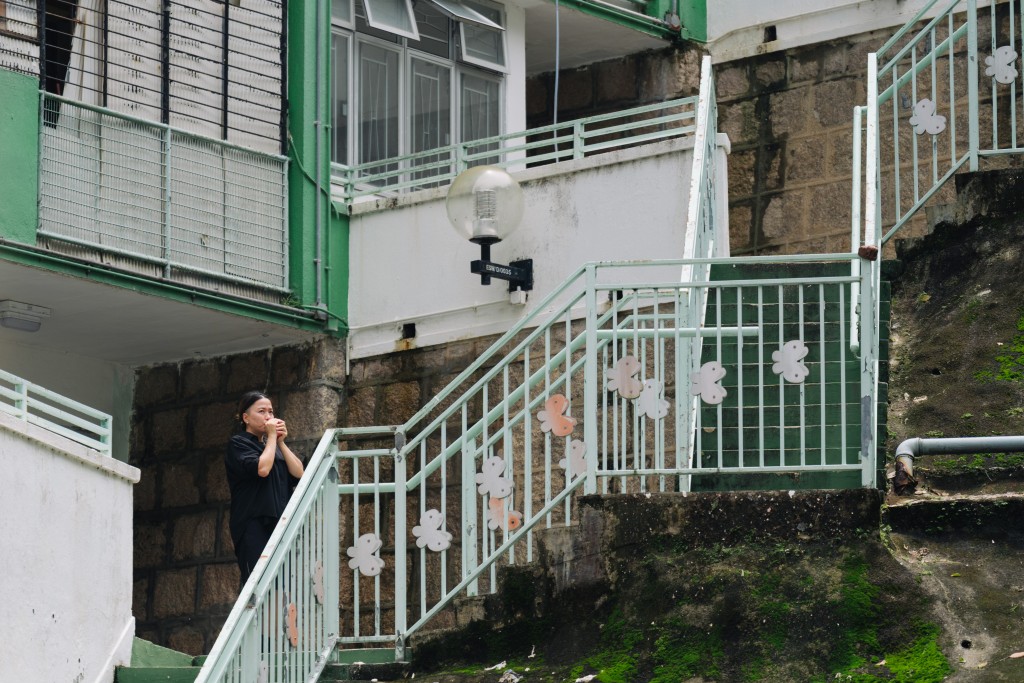
In Songs Wandering through Sai Wan, three children’s songs bring together local streets, relationships and everyday memories through installation, sound and handmade instruments.
Visitors are invited to hear Sai Wan through a child’s perspective, while accompanying workshops encourage participants of different ages to rework Cantonese nursery rhymes using their own memories of the district.
Yim Sui-fong.
Songs Wandering through Sai Wan — Children’s Song Writing Workshop.
Taken together, the works give Sai Wan several voices at once: nostalgic without being frozen in the past, and rooted in history without turning the neighborhood into a museum.
From film to food traditions
The program also moves beyond the commissioned artworks.
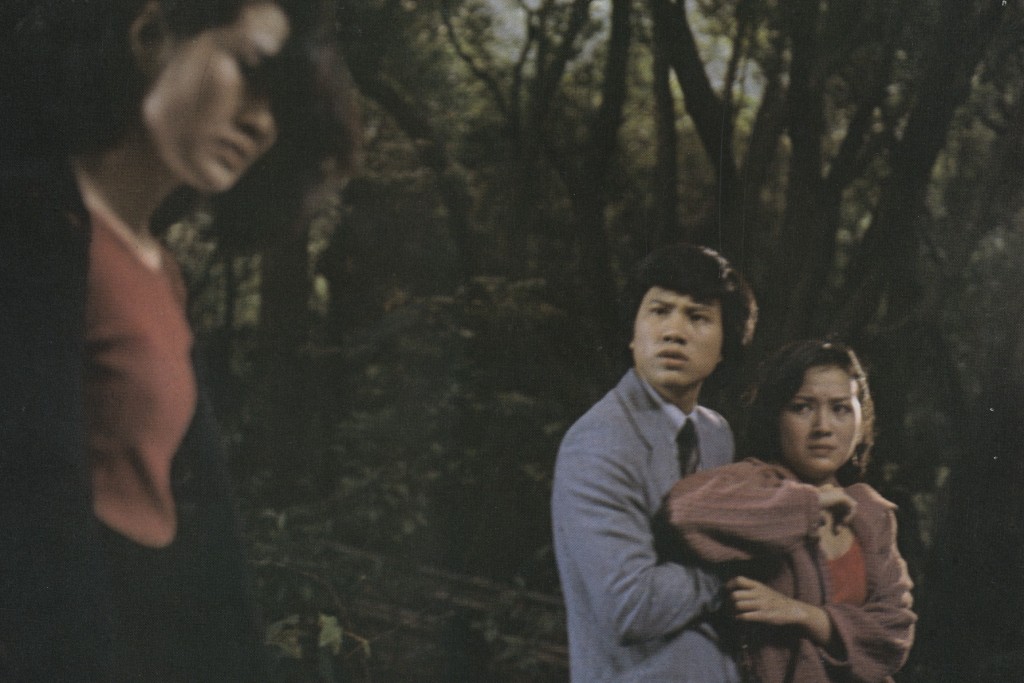
A series of sunset screenings revisits two Hong Kong films closely associated with Sai Wan — Rouge and The Secret — followed by discussions exploring the community stories that exist both on and beyond the screen.
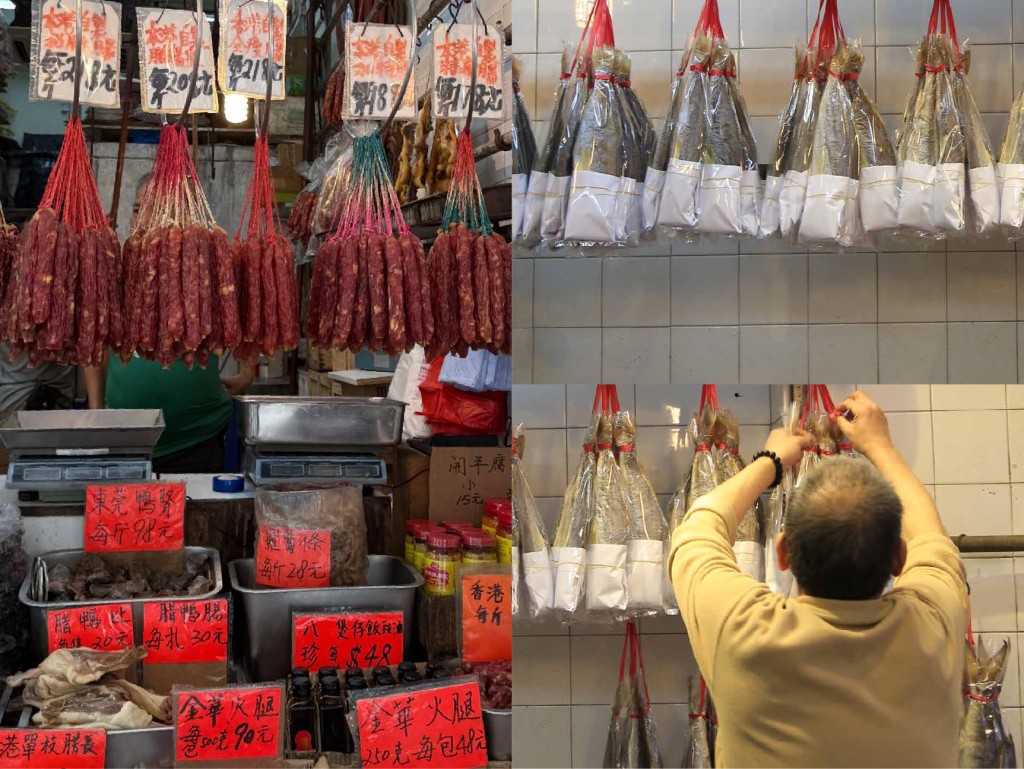
Two themed guided tours take different routes through Sai Ying Pun, one centered on urban myths and another on traditional food-making practices.
Visitors can also join a lantern-making workshop led by Frankie Leung, second-generation successor of Sang Woo Loong Art Advertising Model Work Co., or take part in exhibition tours led by the curatorial team.
+1
The mix feels particularly suited to Sai Wan, where layers of Hong Kong history sit unusually close together: old tenements beside new cafés, steep lanes opening onto harbor views and heritage buildings remaining part of everyday streets rather than isolated monuments.
Arts in the City was launched in 2023 as a way of bringing art, culture and tourism together through neighborhood-based exploration. Its art walks are developed through research and on-site study, encouraging both residents and visitors to experience familiar districts from another perspective.
Re/composing Sai Wan runs through November 30. Workshops, screenings and guided activities require advance registration, with places available on a first-come, first-served basis. Click here for details.