Read More



An art walk through Sai Wan’s forgotten stories
01-11-2026 08:00 HKT


Inside M+’s fantastical new world of monsters, manga and mythology
19-10-2026 10:05 HKT




A familiar Christmas melody can take on a different character through a fresh arrangement, improvisation or an unexpected instrumental solo.
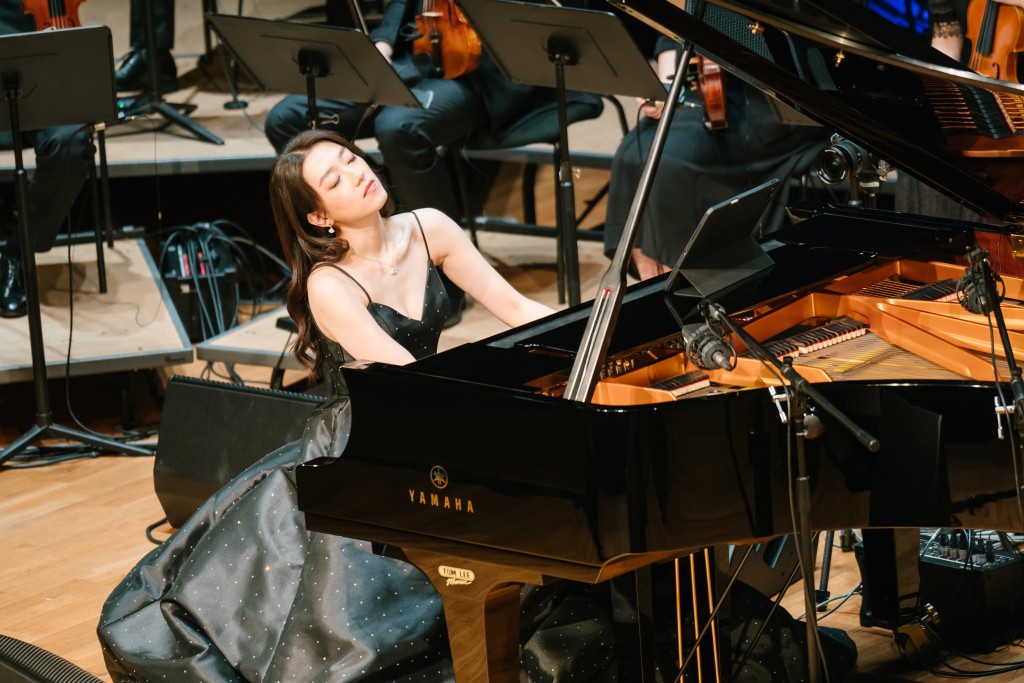
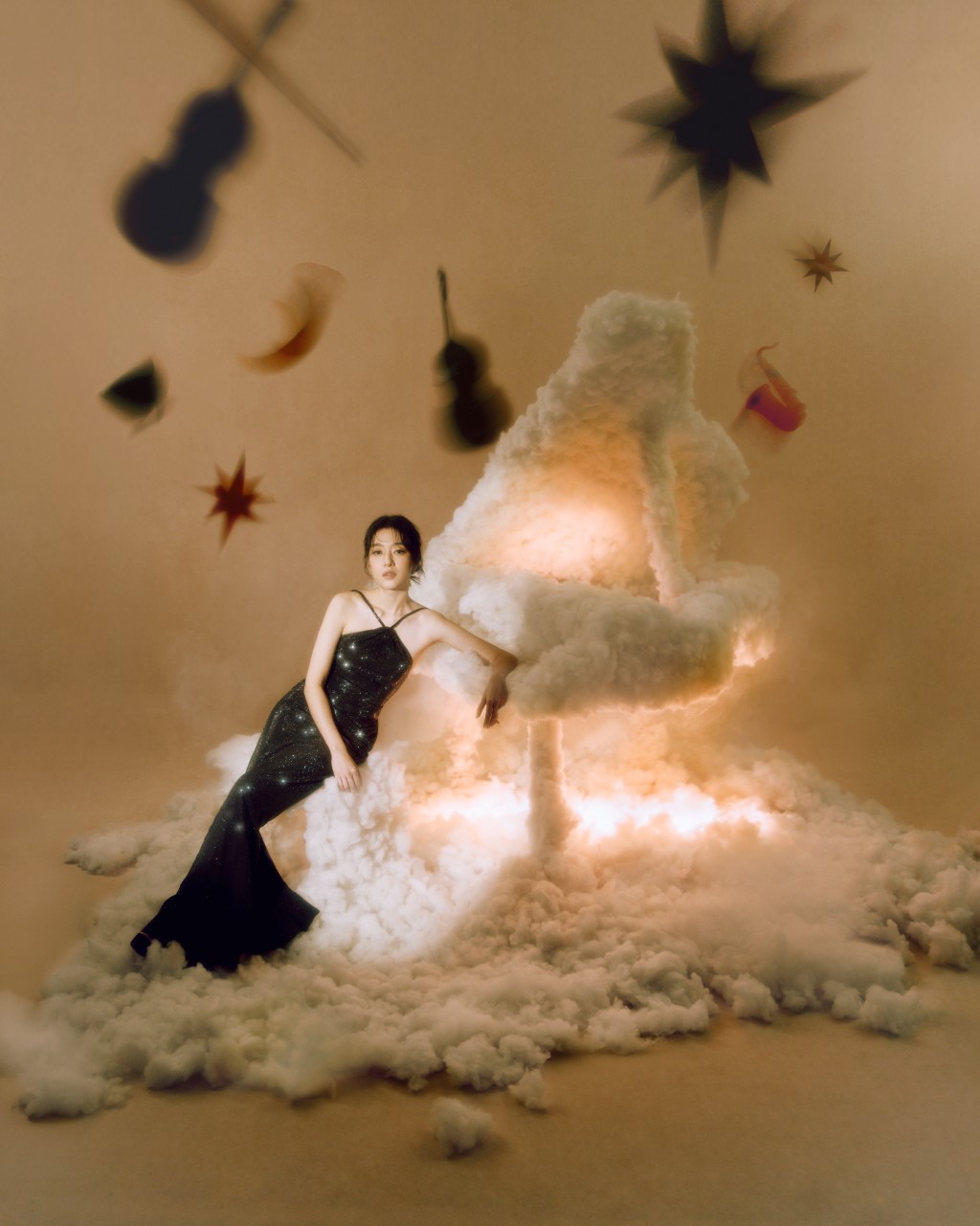
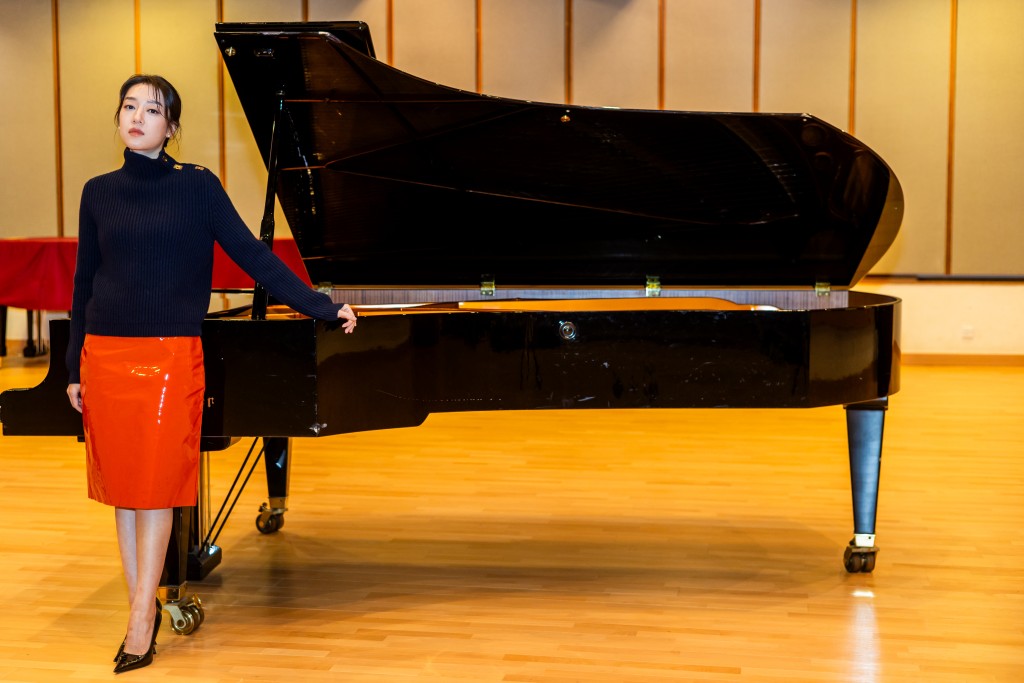
That is what pianist, composer and arranger Joyce Cheung Pui-chih hopes to bring to her upcoming Christmas concert with the Hong Kong Philharmonic Orchestra (HK Phil) at the Hong Kong Cultural Centre Concert Hall.
Titled Festive Cadenza: Once in a Christmas Dream with Joyce Cheung, the concert will be conducted by Lio Kuokman and feature the Hong Kong Children’s Choir, with Cheung presenting original compositions and new arrangements of Christmas classics.
Rather than changing familiar Christmas melodies beyond recognition, Cheung plans to keep them largely intact so audiences can sing along, while using instrumental interludes to introduce unexpected twists.
Many Christmas songs already have jazz elements, giving her room to experiment with improvisation and highlight the orchestra’s musicians. She is particularly looking forward to writing a trombone solo that brings the instrument to the forefront.
The children’s choir will also add a new dimension to the performance.
“Having children’s voices among adult performers makes the whole thing feel more complete and magical,” she said.
The concert marks her first direct collaboration with Lio, whom she described as a “fantastic” musician who is open to her ideas. Despite the challenges some of her compositions may present, she said their work together had been smooth so far.
Classically trained from a young age, Cheung later studied film scoring and contemporary writing at Berklee College of Music. She draws on classical, jazz and pop influences, but does not see these labels as boundaries.
“Although it's the same 12 notes, there are so many possibilities,” she said. “To me, it's all music.”
While genres can help listeners identify the music they enjoy, Cheung prefers not to define her own compositions by any one style. She sees different genres as sources of creative possibilities rather than boundaries.
Describing her own music as expressive and vivid, Cheung said she often associates sounds with colors and images. She also pays attention to how music shapes everyday experiences, from film soundtracks to background music in shopping malls.
Her creative process, however, relies less on waiting for inspiration than on discipline. She sets aside time to compose rather than waiting for a particular mood or life experience to spark an idea.
“Composition is a practice,” she said.
For Cheung, exploring different musical possibilities also means working with people from different backgrounds.
Collaborations with Cantopop artists such as Terence Lam and MIRROR have brought her into the public eye, while she remains open to working with musicians from different backgrounds, including former classmates from Berklee.
This collaborative approach was central to The Études, which took two years to complete and won the Golden Melody Award for Best Instrumental Album. Cheung said the award meant a great deal because it recognized everyone involved. Having represented the team at the ceremony, she was glad to receive the honor on behalf of her fellow musicians.
Looking ahead, she hopes to work with larger ensembles, write more vocal-led songs and collaborate with musicians around the world.
Yet it is the unpredictable nature of live performance that she finds particularly exciting. While recordings and AI-generated music can deliver polished results, she believes the unexpected moments on stage are part of what makes live music special.
“Mistakes are the funnest thing to watch,” she said, referring to how musicians recover from missed notes or technical problems.
“It's a big part of the performance, almost like a must-have.”
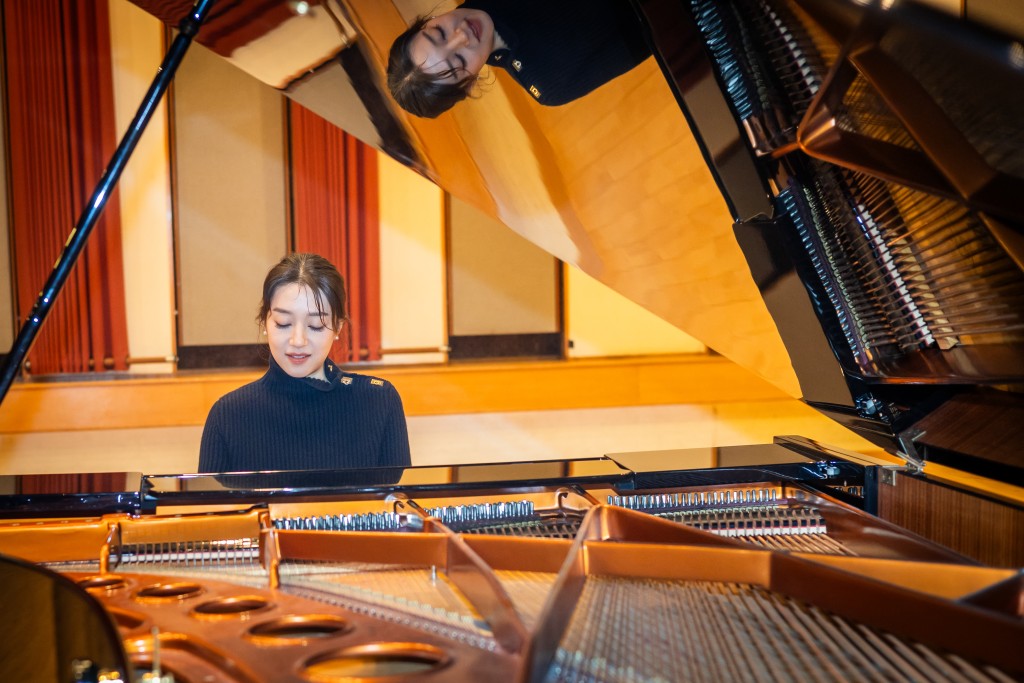
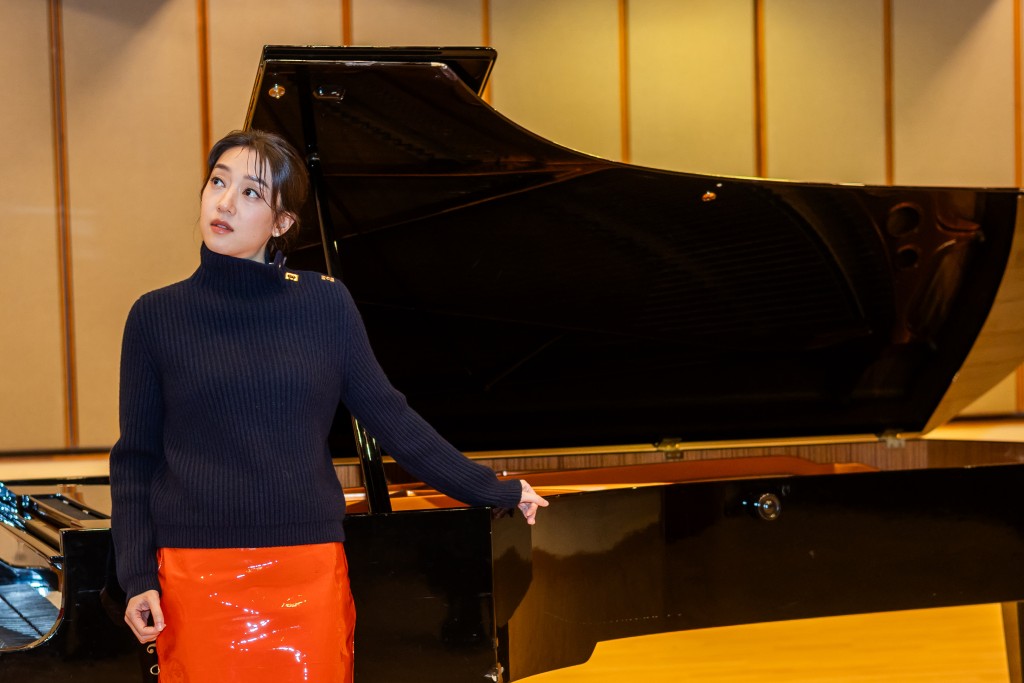
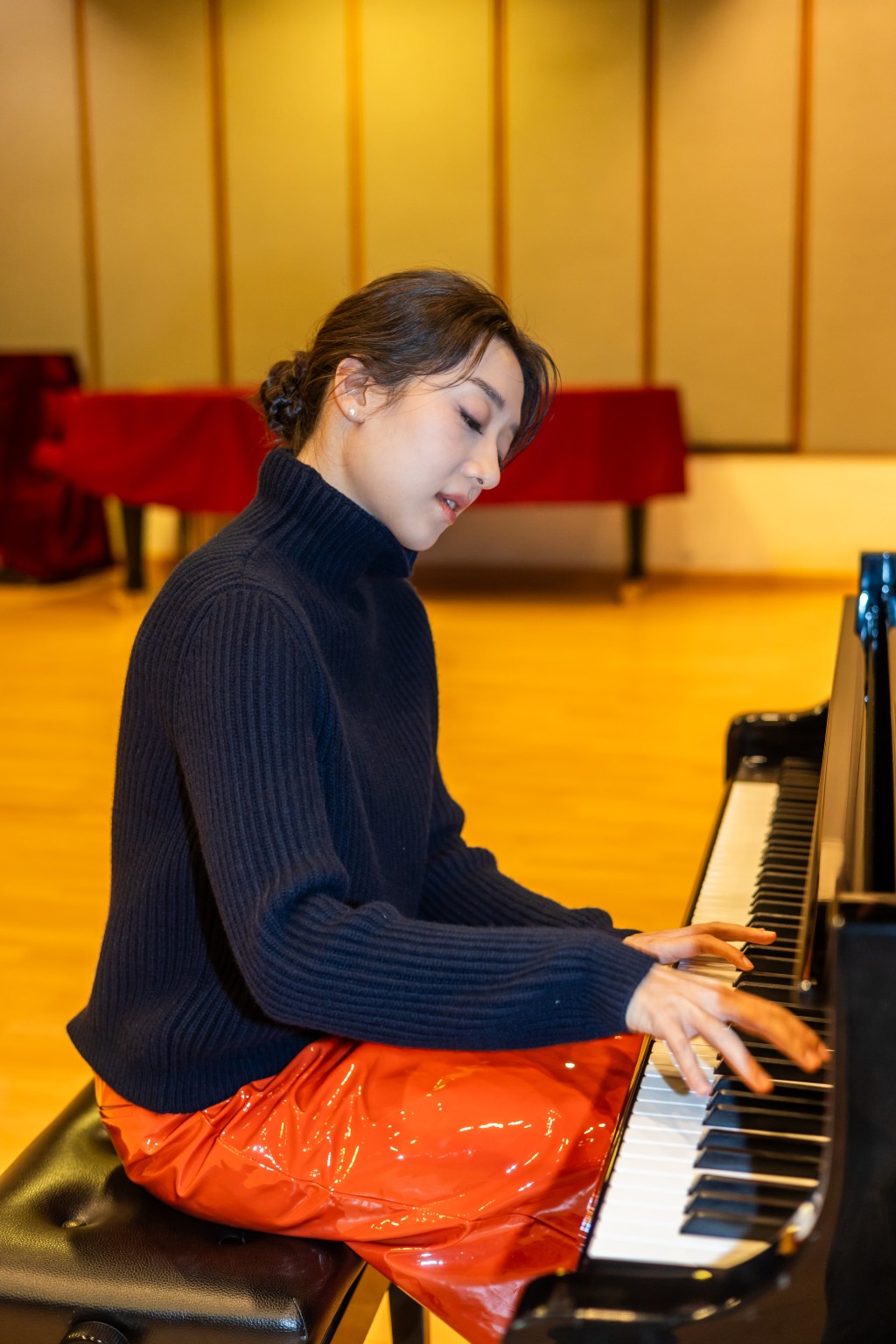
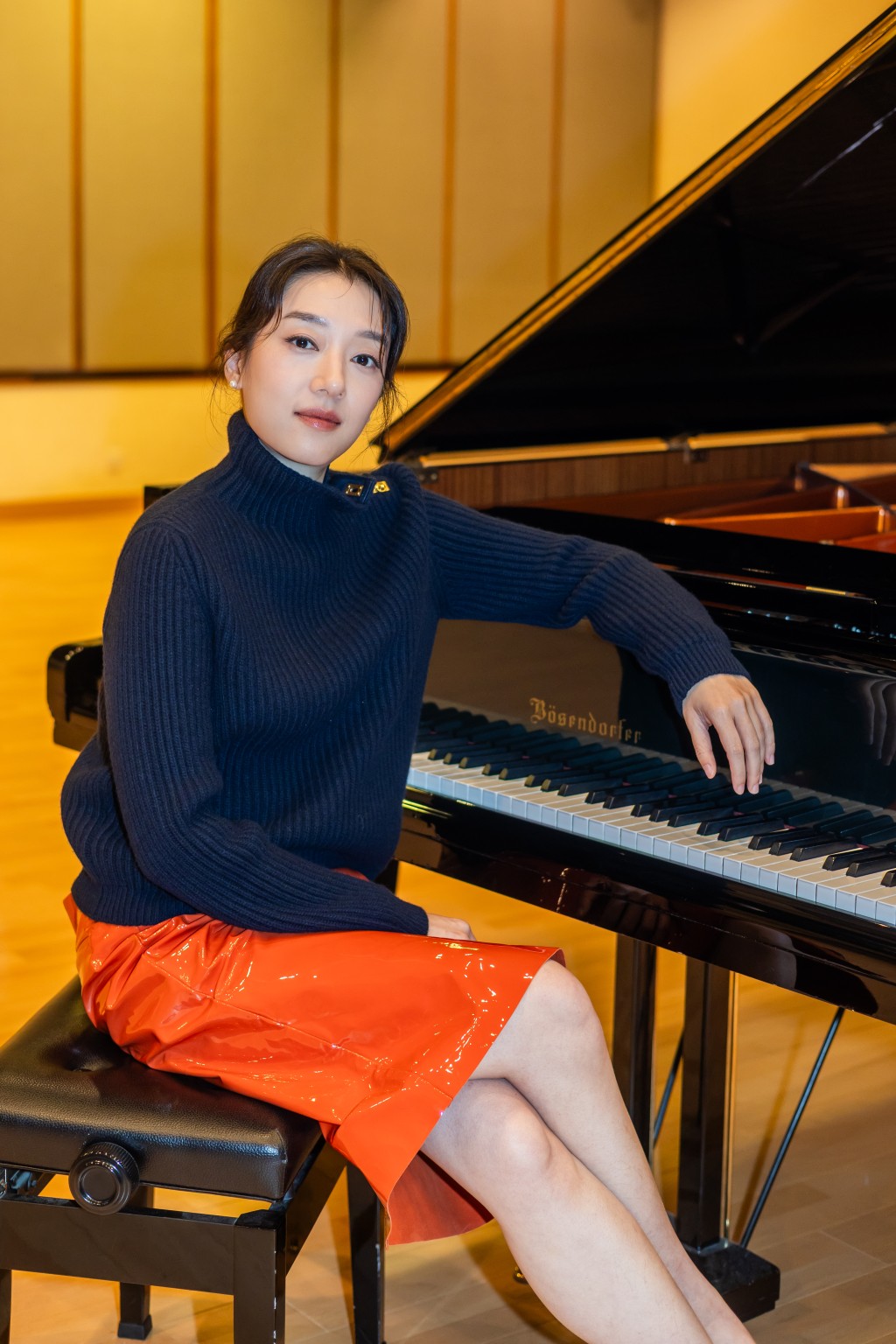
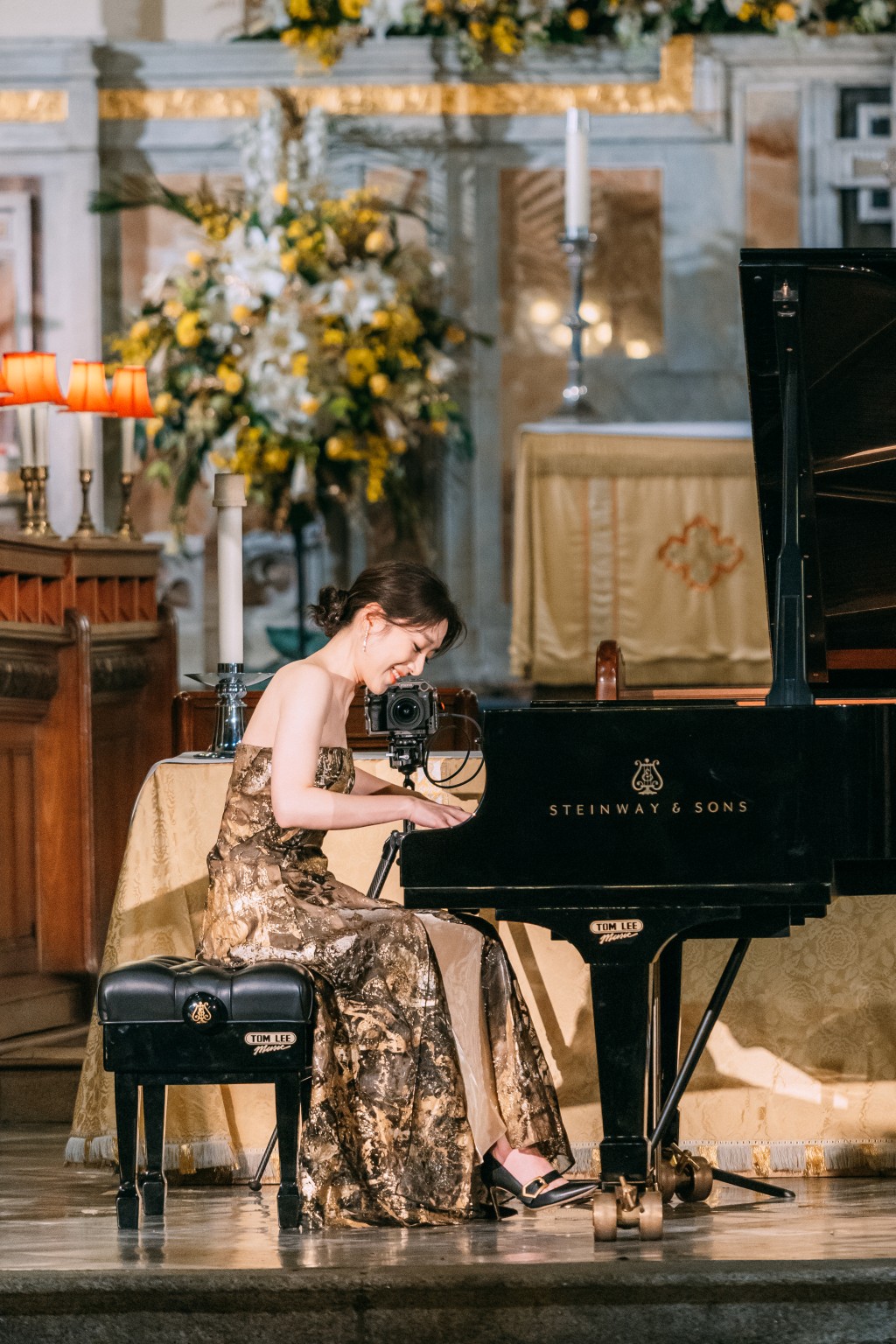
After years of ensemble performances, Joyce Cheung Pui-chih wanted to find out whether she could hold an entire concert on her own. This led to The Gift, her first solo piano album, released in 2026.
The deeply personal double album explores faith through hymns in contrasting moods. Its Day recordings offer brightness and energy, while the Night interpretations are gentler, designed for quieter hours.
Cheung had spent much of her career making music through conversation with other performers. Here, she wanted to discover what remained when it was just her and the piano.
Working alone brought practical freedom: she could set her own rehearsal schedule without coordinating with an ensemble. But it also came with loneliness. Without another musician to respond to, she had to learn to fill the performance space herself, finding a different kind of dialogue with the audience.
Away from the stage, Cheung enjoys activities that ask little of her creative energy. She likes making coffee, doing household chores and reading.
Her relaxed Instagram piano videos offer another glimpse of her personality, though each recording might take 10 or 20 attempts. She chooses familiar melodies and gives them an unexpected twist, hoping others will be inspired to listen differently.
She is unconcerned about any contrast between those casual posts and her more formal stage presence. Most of her life happens offstage. Whether playing alone or with an orchestra, what she hopes to leave with listeners is warmth.