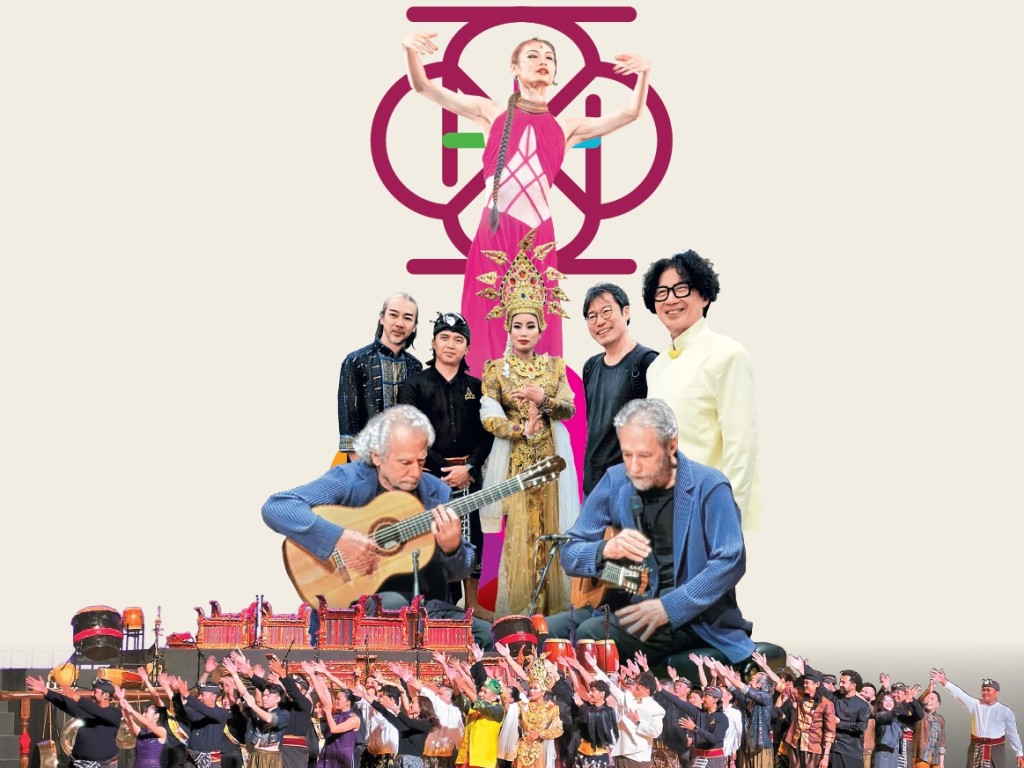
There is a particular kind of magic that happens when a city decides to look outward. For two months this autumn, Hong Kong did exactly that. The fourth Asia+ Festival, under the theme “Traditions Recast,” brought over 30 countries and regions into our concert halls and theaters. I managed to catch three of them. I wish I had caught 30.
The Assad Brothers deliver six decades of telepathic virtuosity – and a masterclass in generosity
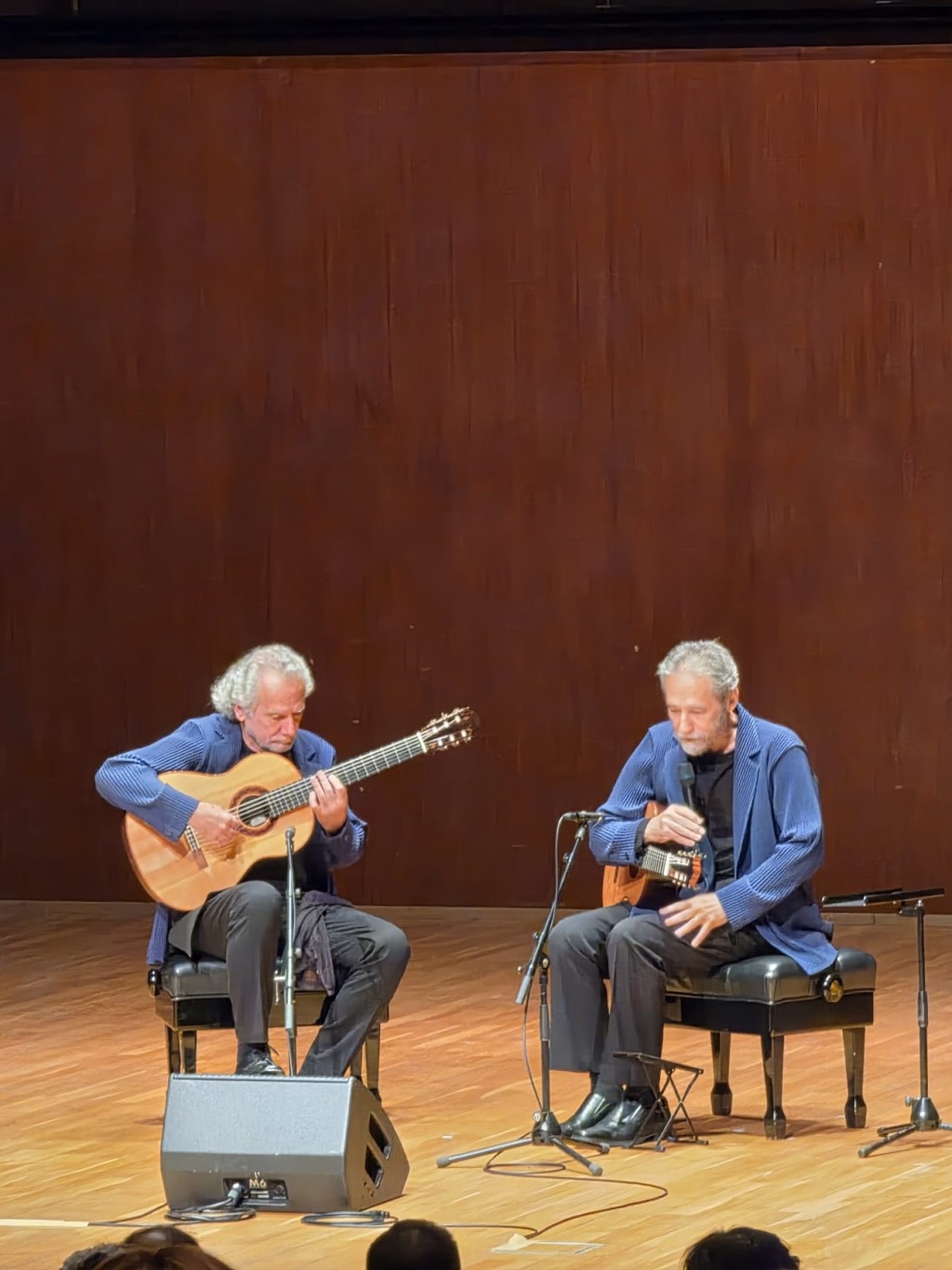
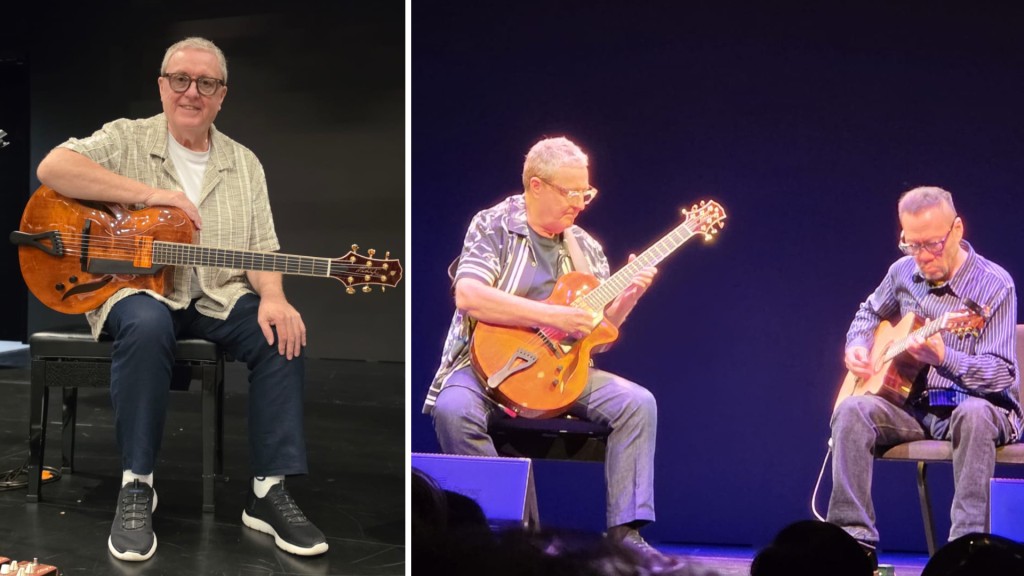
Assad Brothers guitar duo
Let me start with the Assad Brothers, because a guitar duo is such a rare performance. Sergio and Odair Assad have spent 60 years at the top of the classical guitar world, and their Hong Kong stop was part of a farewell tour. Knowing that this was a goodbye lent the evening at City Hall an ache that made every phrase feel more precious.
Their telepathy is not marketing speak; it is something you can hear in the way a phrase is handed from one brother to the other without a seam. The program moved from Astor Piazzolla’s tango heat to Heitor Villa-Lobos’ Brazilian soul, and when local guzheng virtuoso Wan Xing joined them for a piece inspired by Mulan, the collision of plucked strings – East and West, ancient and modern – felt less like a gimmick and more like a conversation that should have happened years ago.
But the recital was only half the gift. The following day, I sat in on the masterclass at the Cultural Centre, where Odair Assad coached young guitarists with a patience that bordered on the tender. Watching legends listen – really listen – to students half a century his junior is a reminder that mastery is not just about what you can do, but about what you are willing to pass on. That, too, is a kind of “tradition recast.”
Malay and Indonesian Gamelan percussion and Hong Kong Ballet show tradition refuses to sit still
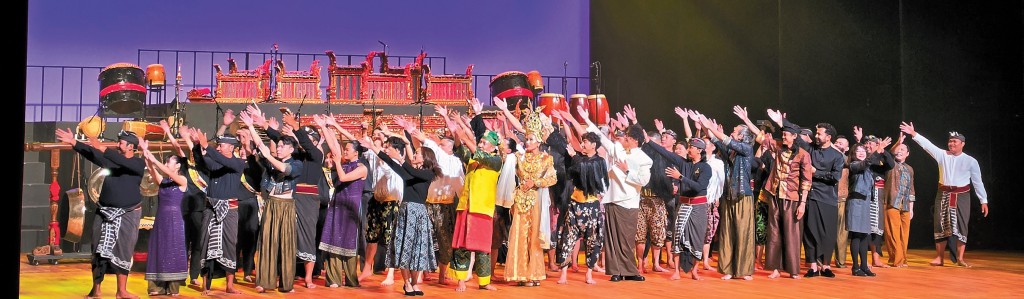
Malaysia's HANDS Percussion and Bali's Gamelan Yuganada
If the Assads offered precision and lineage, Hands Percussion offered something wilder. “Taksu – The Spirit of Gamelan” was the program I was least sure about, yet it is the one that has stayed with me longest. Malaysia’s HAndS Percussion, joined by Bali’s Gamelan Yuganada, built a bridge between the thunder of Chinese lion dance drums, the precision of Malaysia’s 24 Festive drums, and the shimmering, bronze-and-bamboo resonance of gamelan, a traditional ensemble music of Indonesia. The word comes from the Javanese gamel, meaning “to strike”. The Balinese concept of taksu – a sacred inner force that transforms technique into something the soul recognizes – was not explained to us so much as enacted. And then the Hong Kong Children’s Choir stepped forward to sing a gamelan-inflected rendition of Chinese folk song Jasmine Flower, and I felt the room soften. It was a reminder that the most ambitious cross-cultural projects succeed not through spectacle but through sincerity.
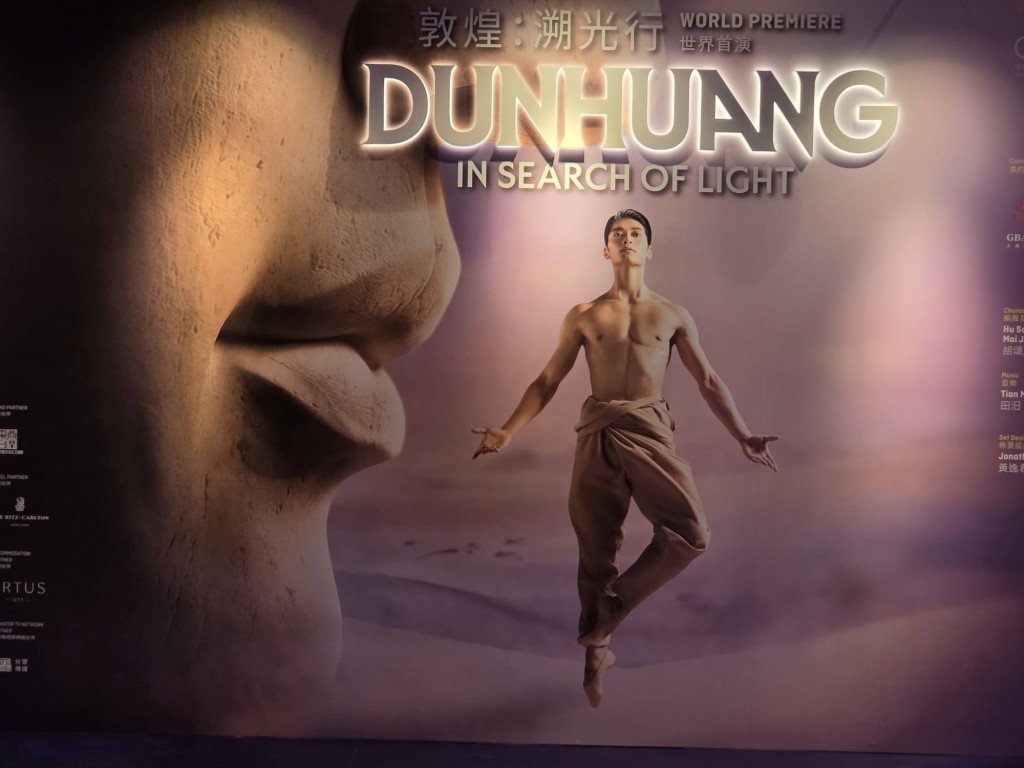
Dunhuang: In Search of Light by Hong Kong Ballet
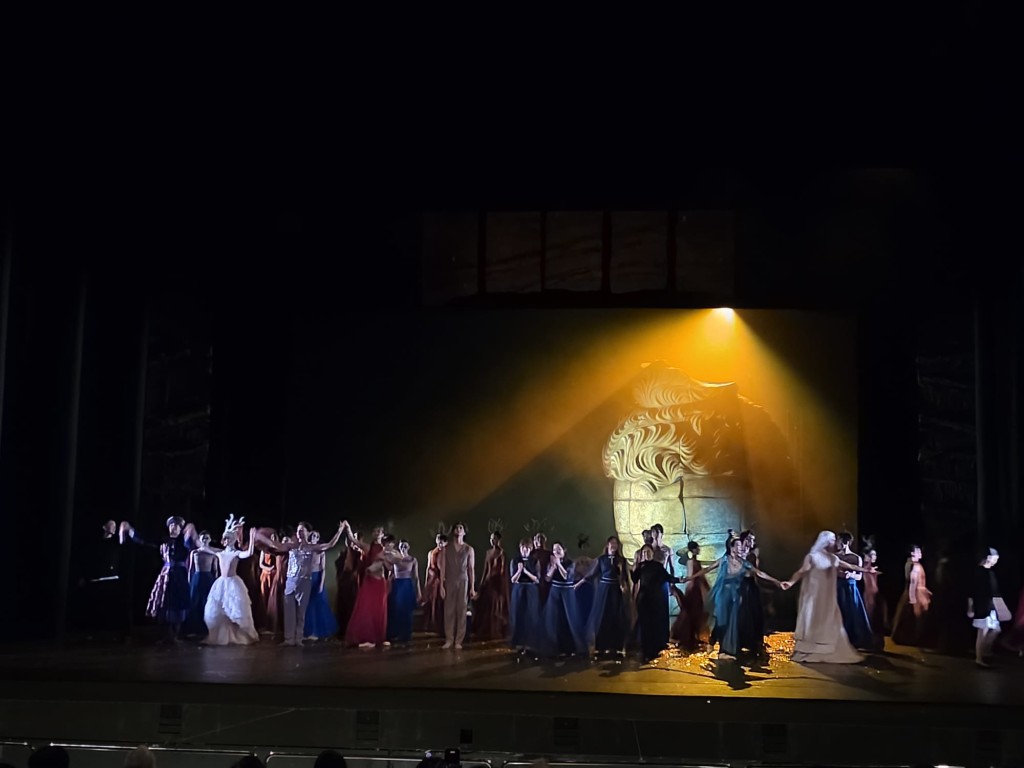
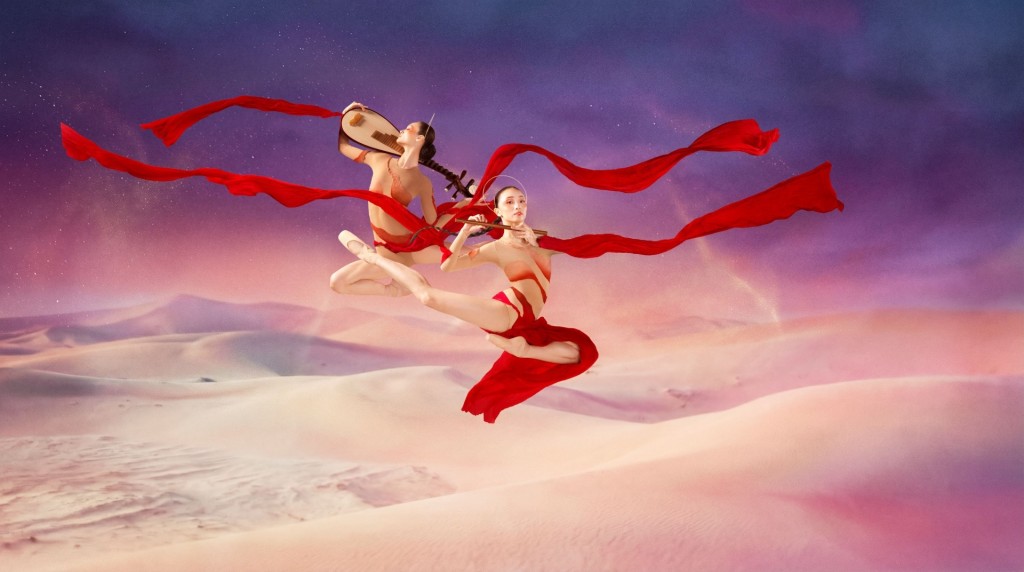
Another program was Hong Kong Ballet's “Dunhuang: In Search of Light,” a world premiere inspired by the cave temples of the Silk Road and Hermann Hesse’s novel Siddhartha. Choreographed by Ricky Hu Songwei and Mai Jingwen, with a score by Tian Mi and visuals that turned the stage into living frescoes, it was the festival’s most lavish – and, in some ways, most local – offering. Here was a Hong Kong company taking a Chinese heritage site and refracting it through a German novel and cutting-edge digital design. The partnership with the Dunhuang Academy lent the production a scholarly weight that kept the spectacle from floating away. It was not perfect; the narrative occasionally strained under the weight of its own ambitions. But when the figures of Feitian – flying deities – moved, you understood why the festival exists.
The HK Ballet's production spans ancient Silk Road imagery and contemporary spiritual seeking.
Do not miss the Vietnamese bamboo circus this weekend
The festival ends with the breathtaking Vietnamese bamboo acrobatic theater of “Teh dar,” on Saturday and Sunday. And yet, I keep thinking about the programs I missed that could not fit my schedule: “Canvas of Sound,” where a Pakistani visual artist painted Arabic calligraphy live in dialogue with Syrian musicians; and the opening “TRI-ART!On” concert that fused Mongolian metal with Korean geomungo and Thai indie. A festival this rich is also, inevitably, a festival of small regrets.
That is my only complaint, and it is not really a complaint at all. It is a wish that Hong Kong had more weeks like these, more moments when the city’s stages belong not just to the familiar but to the startling. The Asia+ Festival does something rare: it treats internationalism not as a buzzword but as a practice, one program at a time. If the organizers are reading this: Bring it back. And perhaps add a few more days. I have some catching up to do.