In Jingdezhen, porcelain is not simply made; it is drawn from the landscape. Clay comes from the hills, timber feeds the kilns, river routes carry finished wares outward, and generations of hands turn mineral, water and fire into objects of delicacy.
This summer, that living system entered the global spotlight when the Jingdezhen Handicraft Porcelain Industry Sites were inscribed on UNESCO’s World Heritage List.
Announced at the 48th session of the World Heritage Committee in Busan, the recognition does not celebrate a single kiln or imperial workshop.
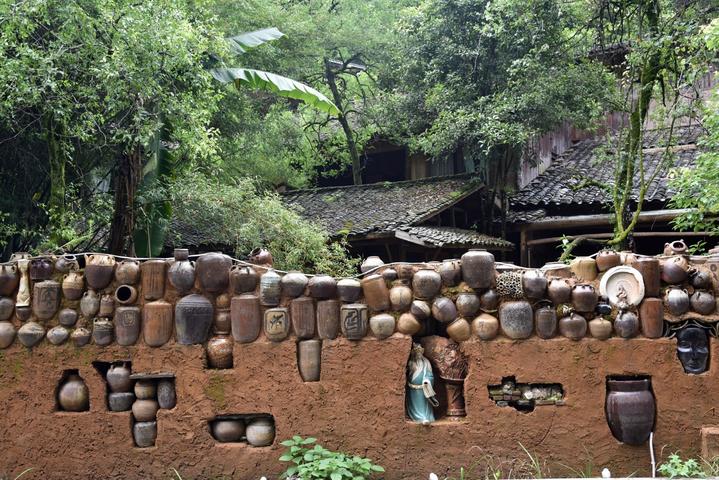
The serial property brings together five components, 15 groups of elements and 45 heritage sites spread across almost 100 kilometers. Together, they trace porcelain’s journey—from the kaolin and porcelain-stone mines of Gaoling and Changling to the firewood forests of Jiaotan, Hutian’s kilns, town workshops and guild halls, and the wharves along the Chang River.
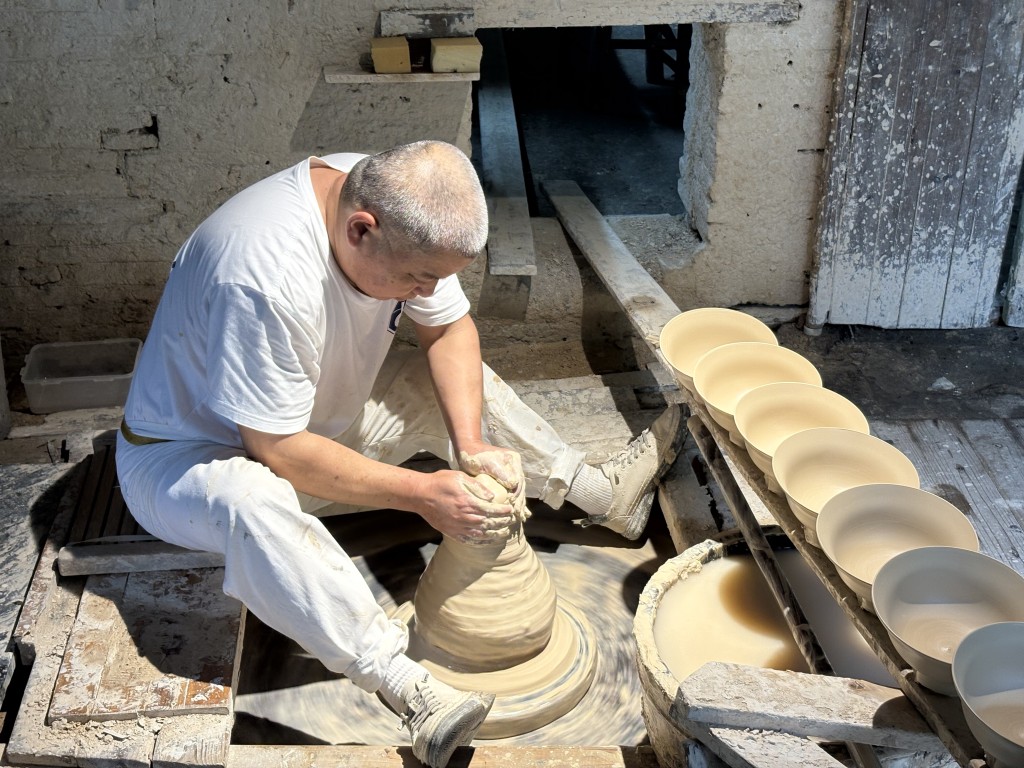
Jingdezhen is less a monument than an ecosystem. Its story begins in the mountains, continues through workshops for throwing, trimming, painting, glazing and firing, and ends when finished pieces leave by land and water for places far beyond Jiangxi.
That continuity sets the city apart. From the 10th century onward, Jingdezhen developed without a decisive break in production. During the Song and Yuan dynasties, the Hutian kilns refined qingbai ware, whose pale blue-white glaze combined qualities associated with northern white porcelain and southern celadon.
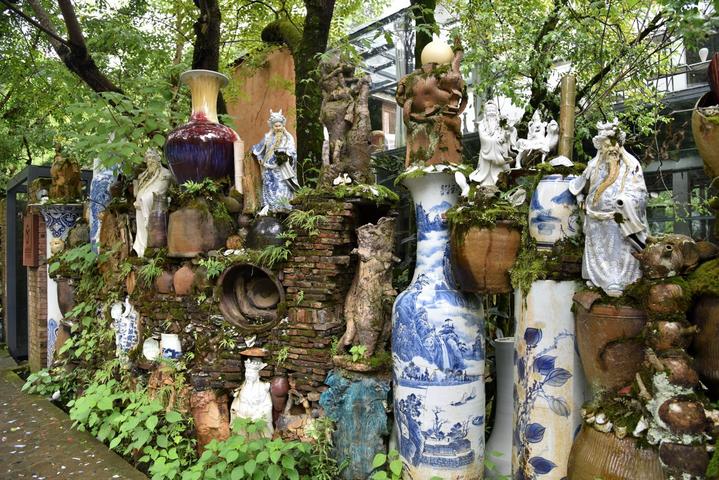
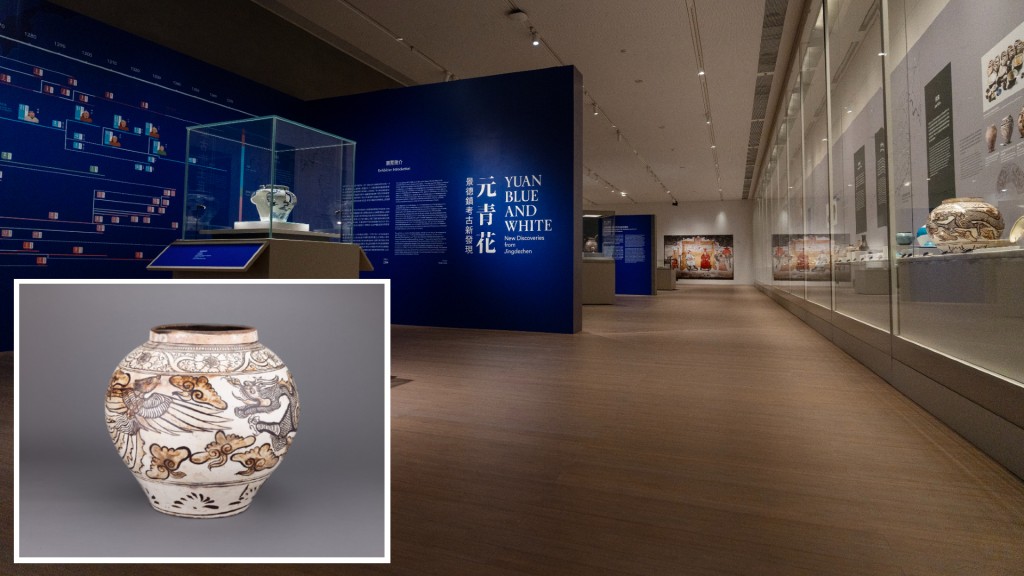
Under the Yuan, mixing kaolin with porcelain stone strengthened the wares, while imported cobalt helped blue-and-white porcelain become one of China’s most recognizable visual languages.
Official institutions later raised the city’s ambitions. The “Fuliang Porcelain Bureau” was established in the Yuan dynasty, followed by the imperial kilns of the Ming and Qing, where court commissions encouraged exacting standards and new decorative styles.
Yet imperial patronage was only part of the story. Civilian kilns, merchants, craftsmen, guilds and transport workers formed a network that allowed ideas and objects to travel quickly.
The traces of that exchange remain embedded in the city. Guild halls and temples stand alongside a mosque and other places of worship, reflecting the communities drawn by porcelain. Materials, motifs and techniques arrived from different regions and overseas, while Jingdezhen wares moved outward as prized commodities and emblems of Chinese artistry.
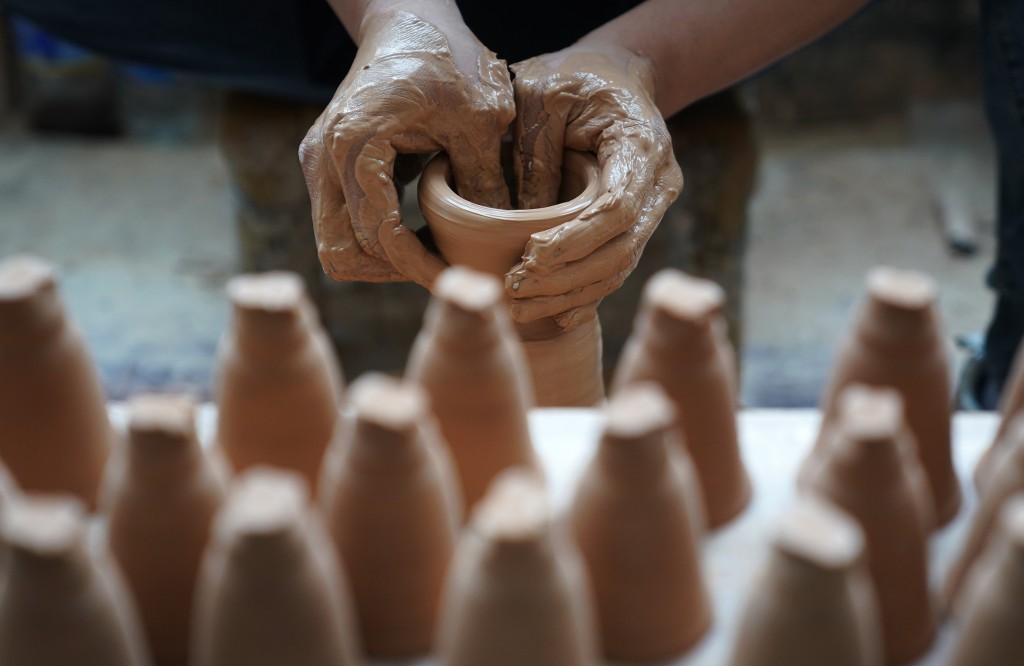
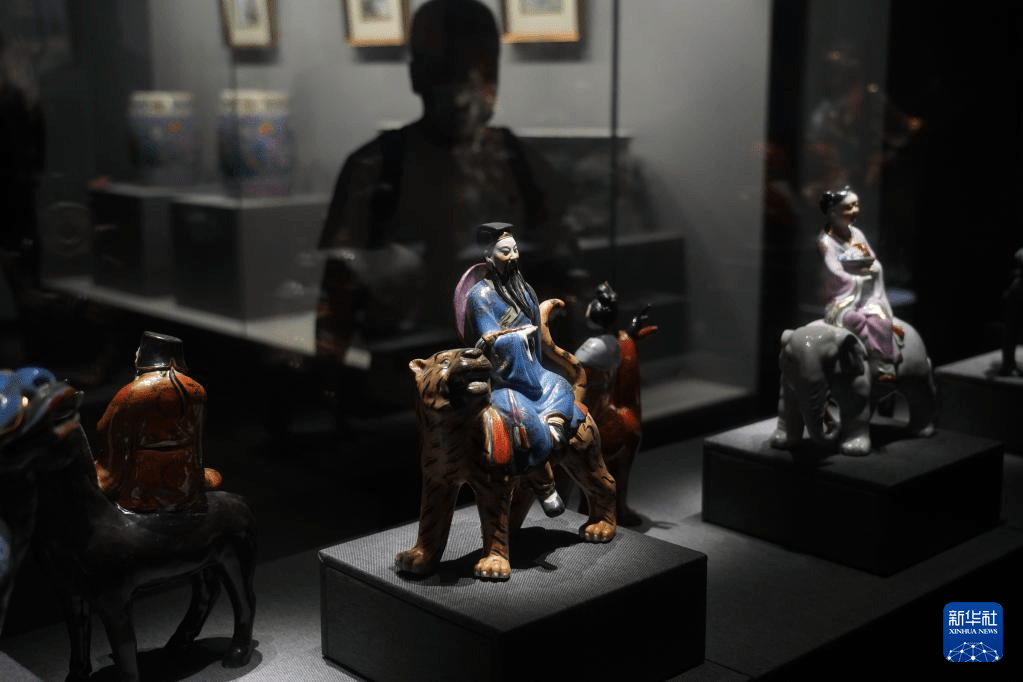
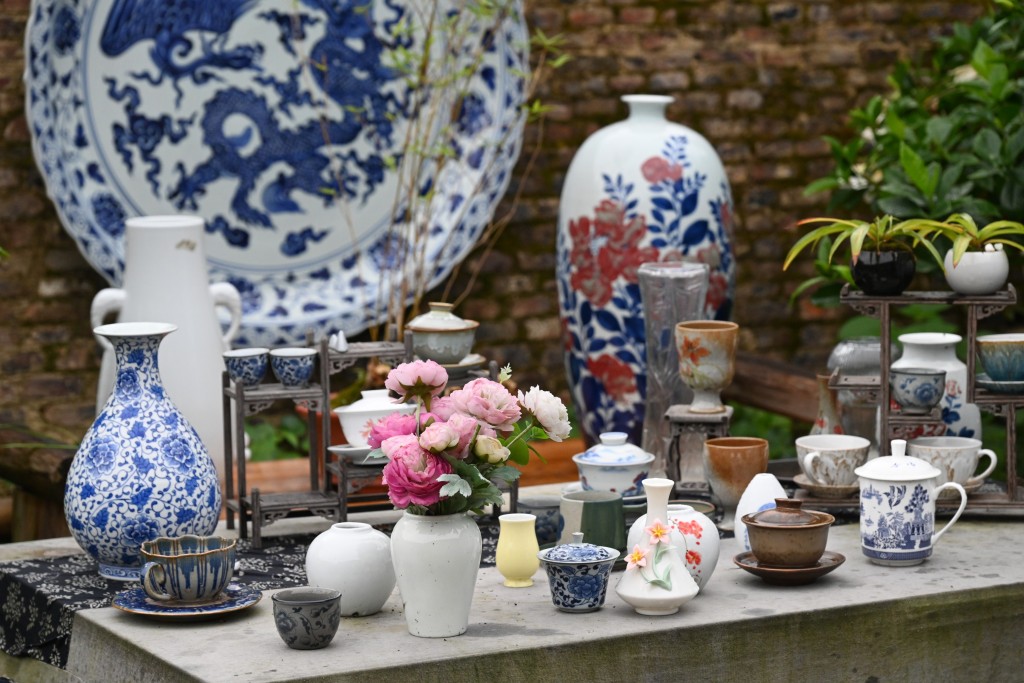
Today, the kiln city is not frozen behind museum glass. Craftspeople still specialize in individual stages of production, while young ceramicists and the so-called “Jingpiao”—artists who relocate to Jingdezhen—experiment with form, glaze and firing. Ancient kiln remains sit within a creative community where a tea cup may be shaped by methods inherited over centuries, yet carry a modern sensibility.
Its World Heritage inscription honors more than beautiful porcelain. It recognizes the mountains, forests, waterways and communities that sustained it.
Jingdezhen’s greatest masterpiece may not be any single vase or bowl, but the cultural landscape that made such objects possible—and still keeps the kiln fires alive.