Behind the vermilion walls of the Forbidden City lies a history shaped by imperial power and encounters with cultures beyond China.
The palace was the center of the courts during the Ming and Qing dynasties. Its Chinese name, Zijin Cheng, literally meaning "Purple Forbidden City," reflected an ancient view of the cosmos: “purple” referred to the celestial home of the emperor of heaven, while “forbidden” marked an imperial domain closed to ordinary people.
Yet the objects preserved within the palace tell a more connected story.
The Hong Kong Palace Museum’s exhibition, "The Hong Kong Jockey Club Series: The Forbidden City and the World: Cultural Encounters," places the palace in a global context. Jointly organized with the Palace Museum, it traces more than 600 years of exchange across the Yuan, Ming, and Qing dynasties.
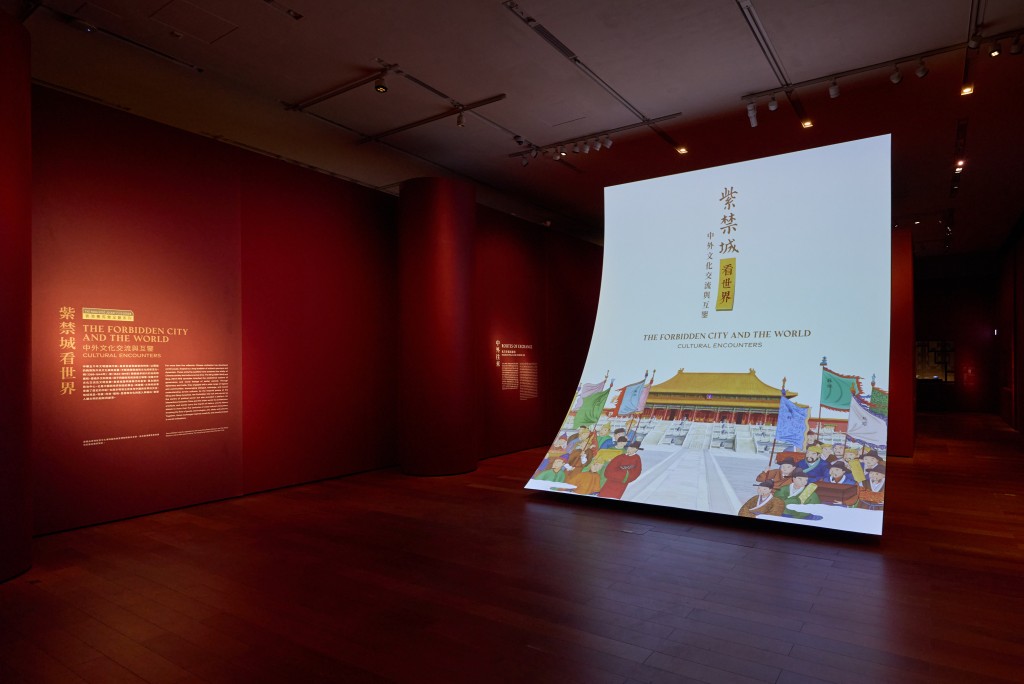
Hong Kong Palace Museum’s exhibition - 'The Hong Kong Jockey Club Series: The Forbidden City and the World: Cultural Encounters.'
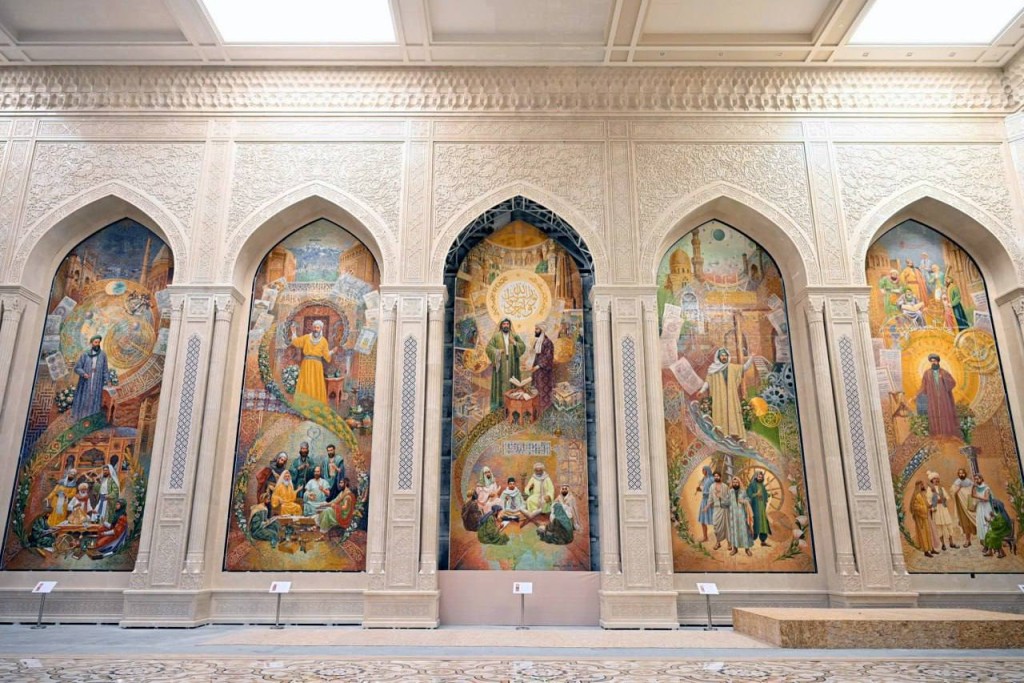
More than 130 objects from the Palace Museum, the Hong Kong Palace Museum, and the Museum of Islamic Art in Doha show how China interacted with Asia and Europe through diplomacy, trade, ideas, and craftsmanship.
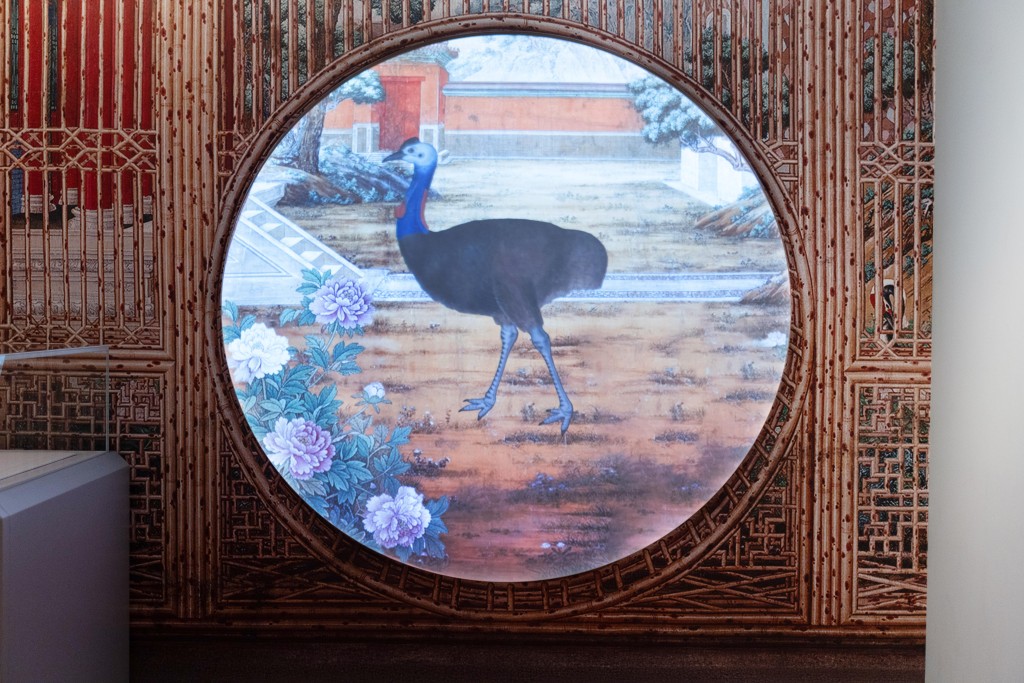
Visitors enter a gallery washed in imperial red, where an animated film brings centuries of diplomacy, travel, and trade into motion.
Divided into four sections and using multimedia installations, the exhibition traces how objects, techniques, and ideas moved across borders.
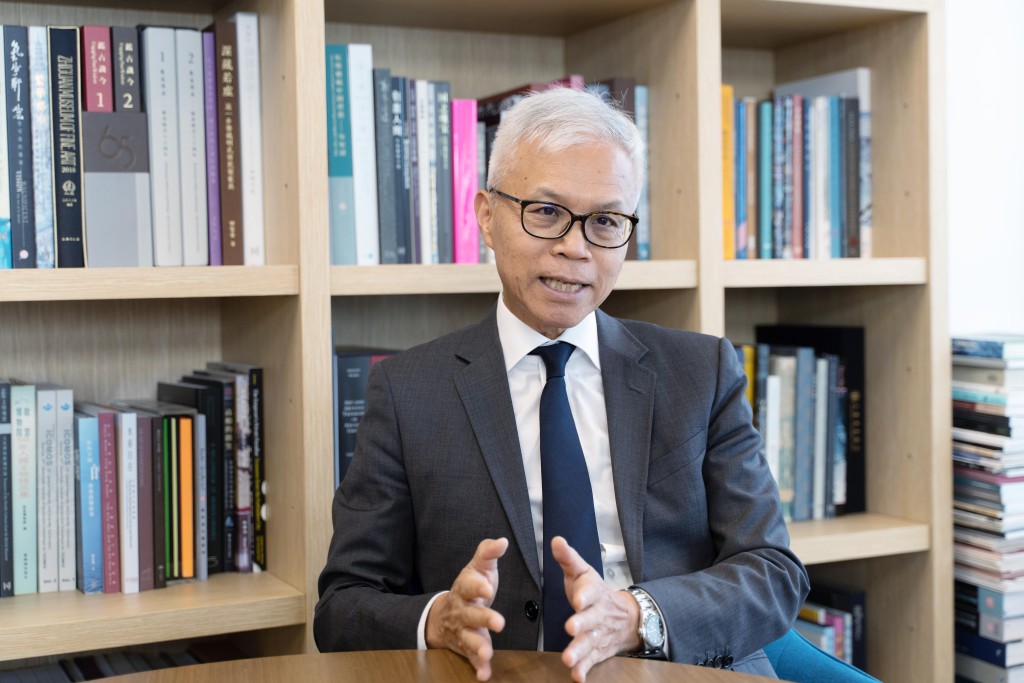
“Many people have a misunderstanding about ancient China, believing that it was always closed off, feudal, and backward,” museum director Louis Ng Chi-wa said.
Louis Ng.
“The growth and development of Chinese culture was the result of exchanges between China and foreign cultures.”
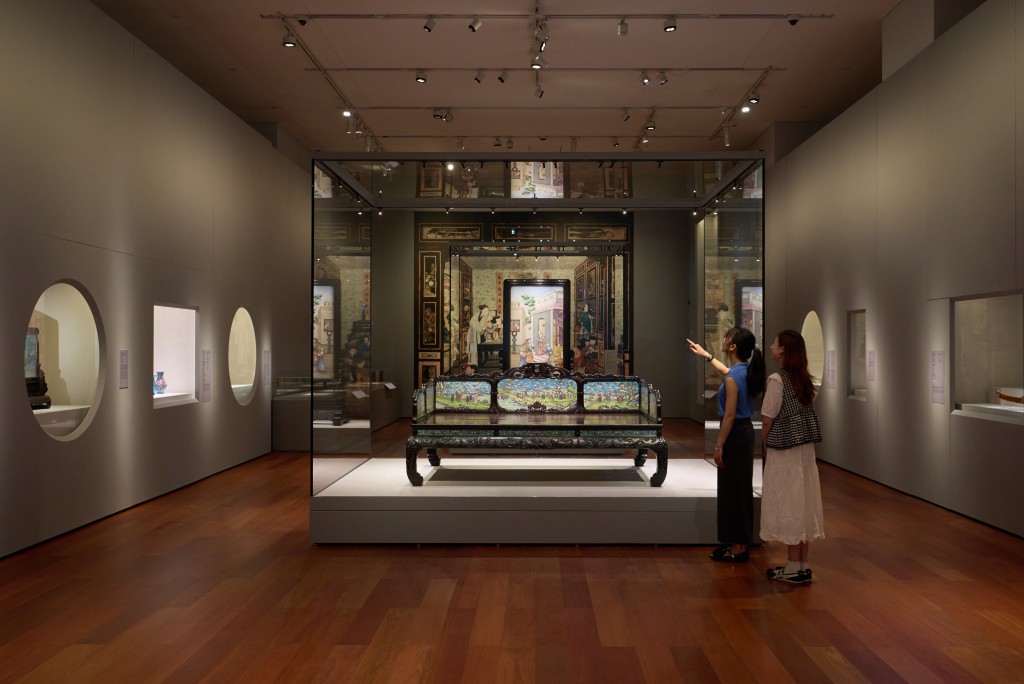
Decorated with birds representing the five ethical principles of Confucianism, the mid-Qing dynasty folding screen is a prime example of the intertwining of Chinese and foreign cultures.
Its rosewood was imported from Southeast Asia, while its cloisonne enamel technique reached China from West Asia through the Silk Roads around the Yuan dynasty. The screen brings together Chinese ethics, Southeast Asian materials, and West Asian craftsmanship.
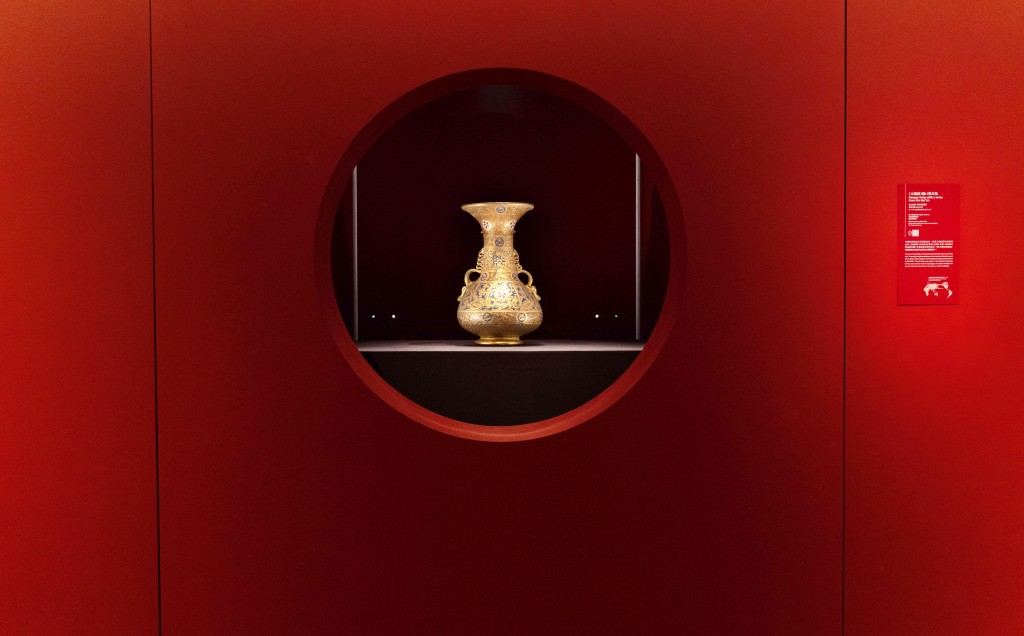
Another highlight is a glass vessel made during the late Yuan or early Ming dynasty under the Mamluk Sultanate. Decorated with vivid colors, gilded details, stylized Quranic verses, and double-bird motifs, it may once have served as a mosque lamp.
One of the exhibition's oldest objects is a mosque lamp with a verse from the Qur'an, made under the Mamluk Sultanate during the late Yuan or early Ming dynasty.
Multimedia installations enrich the visitor experience and bring the history of cross-cultural exchange to life.
Made through glassblowing, a technique introduced to China from Central Asia around the fifth century, such glassware would have been precious by then.
“It bears witness to the deep material and intellectual exchanges between China and West Asia six or seven centuries ago,” Ng said.
This global perspective will also shape the museum’s forthcoming exhibitions and education programs, which seek to place Chinese heritage in continuing dialogue with other civilizations.
The Forbidden City may have been guarded by imposing walls, but its history was never sealed off. The treasures on display reveal how materials, craftsmanship and ideas from across continents entered court life, leaving traces of a world that was far more connected than its name might suggest.