In Poland, museums are not just places to view art. They are how the country remembers and rebuilds itself.
The Princes Czartoryski Museum: memory in exile
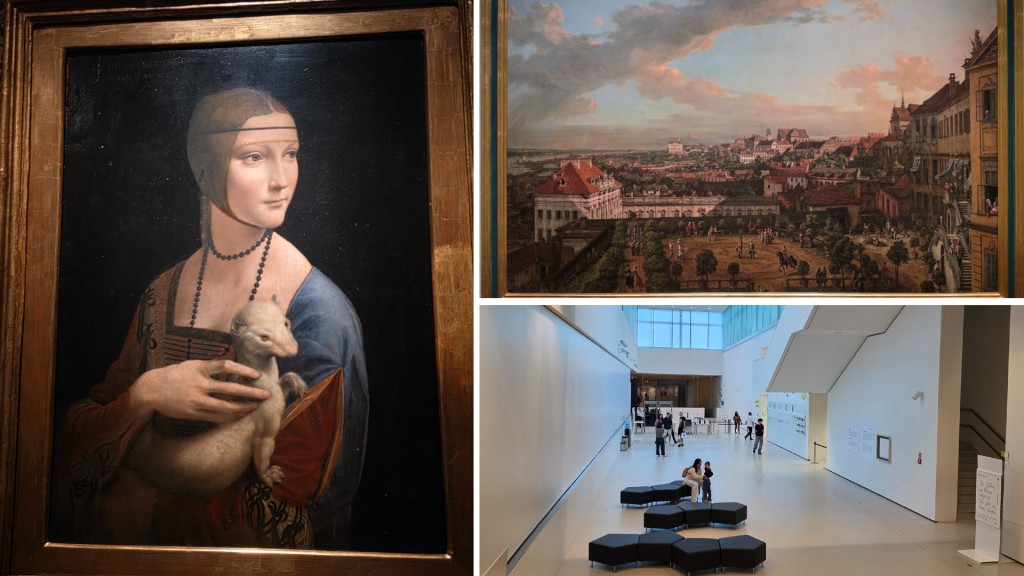
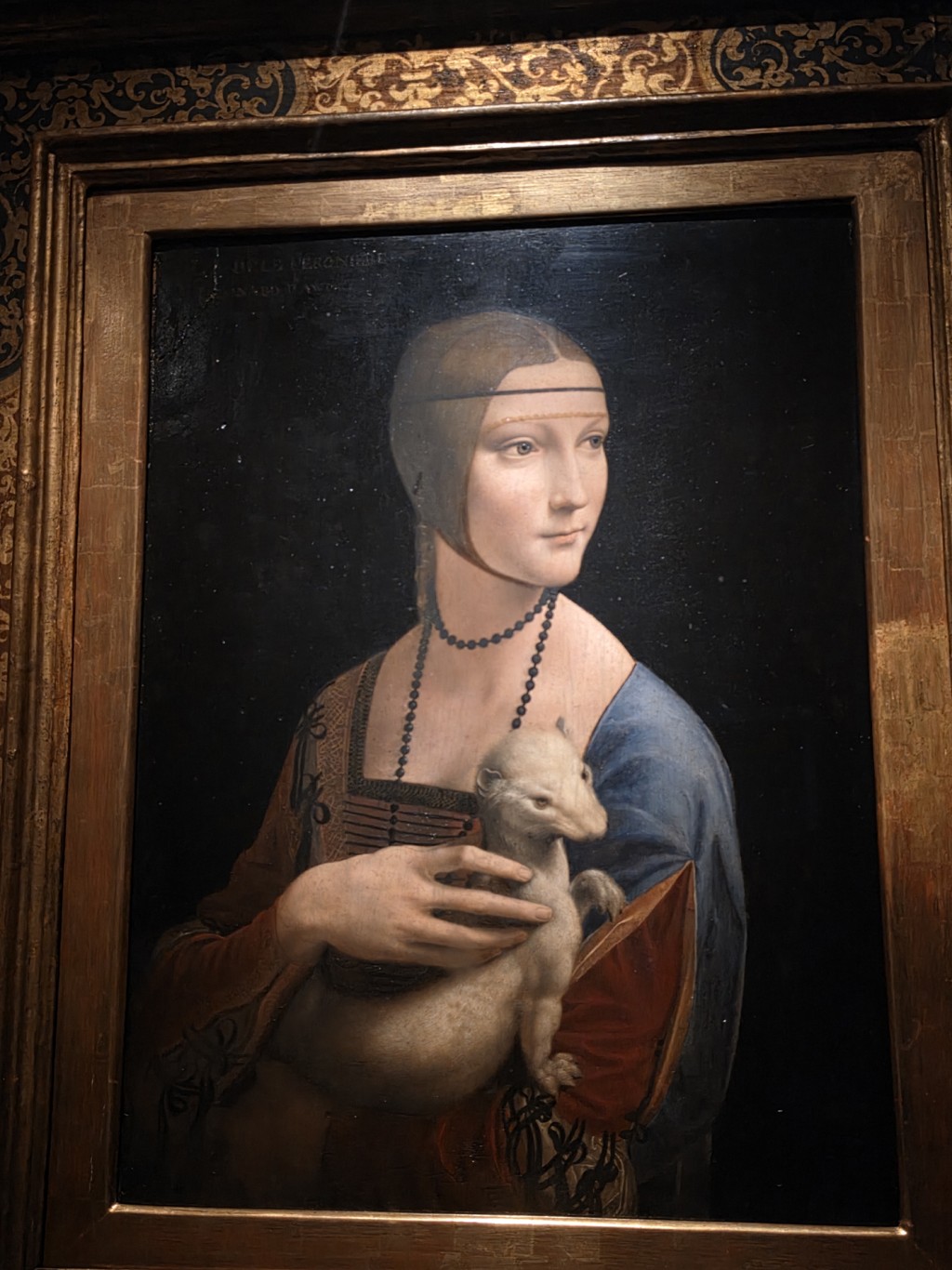
Founded over 200 years ago by Princess Izabela Czartoryska, Poland’s first museum was built to preserve the nation’s memory after the partitions. Its crown jewel is Leonardo da Vinci’s Lady with an Ermine (c. 1489 – 1490). Hidden during the 1830 uprising, seized by the Nazis, and recovered by American troops – almost the story of Poland itself.
Lady with an Ermine, Da Vinci (c. 1489-1490) in Czartoryski Museum
The Silesian Museum: from coal mine to art gallery
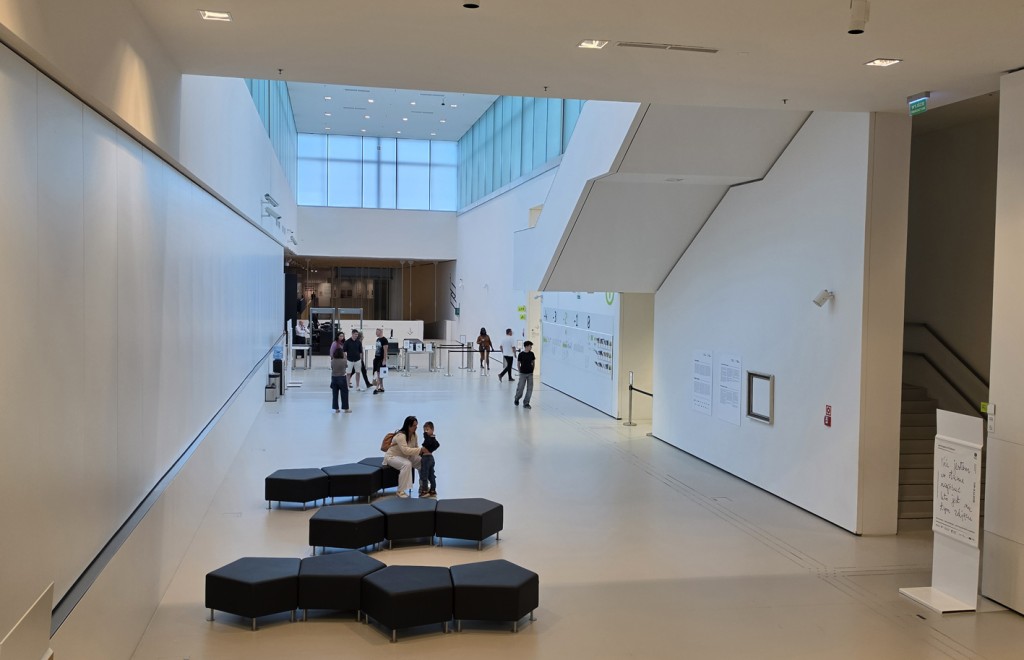
Founded in 1929, the museum was looted and destroyed by the Nazis in 1940. Its rebirth came in 2015, when a new home opened on the site of the former “Katowice” coal mine – galleries underground, glass pavilions above. The collection spans Jan Matejko to Zdzisław Beksinski.
The Silesian Museum
MOCAK: contemporary art in Schindler’s factory
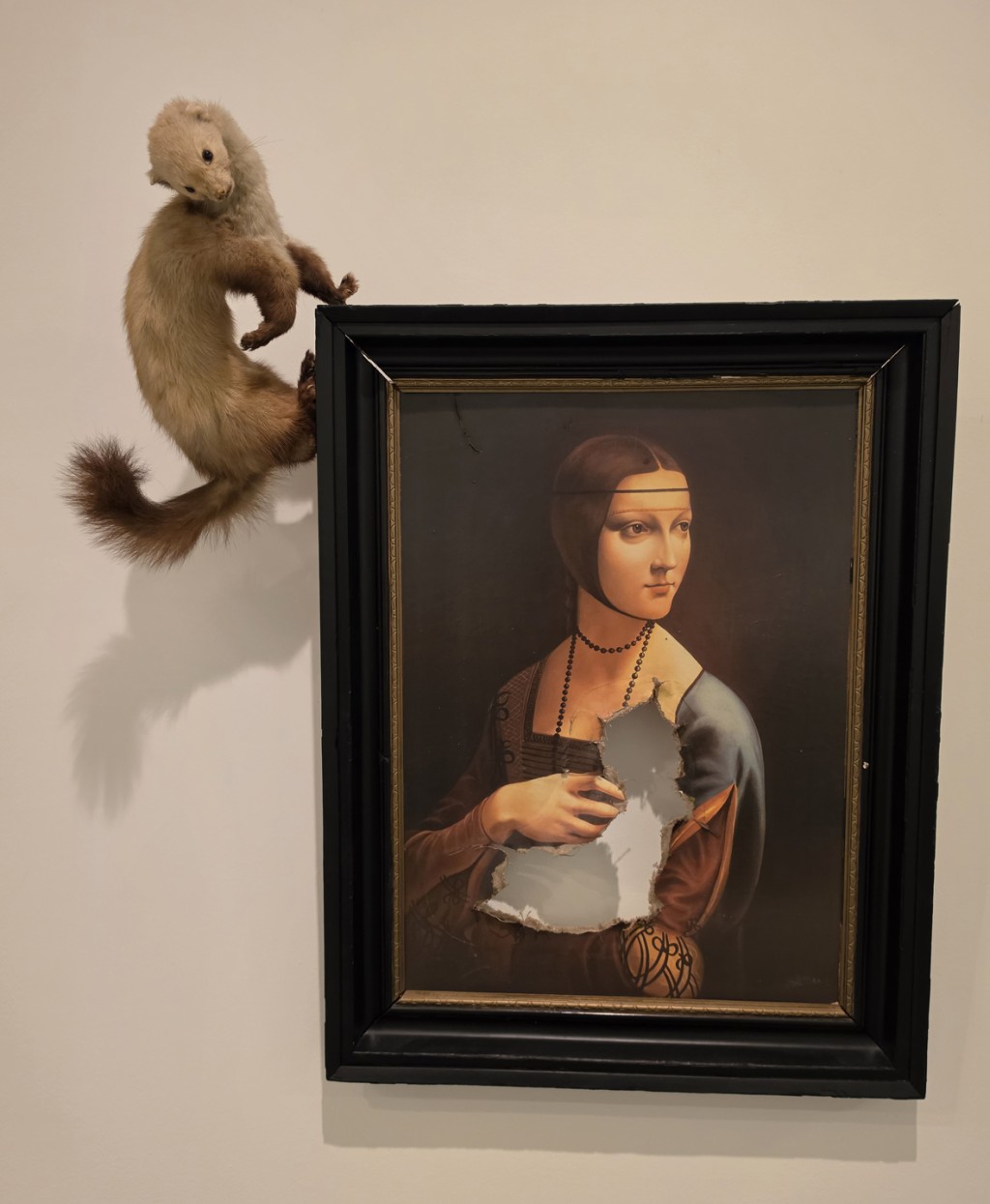
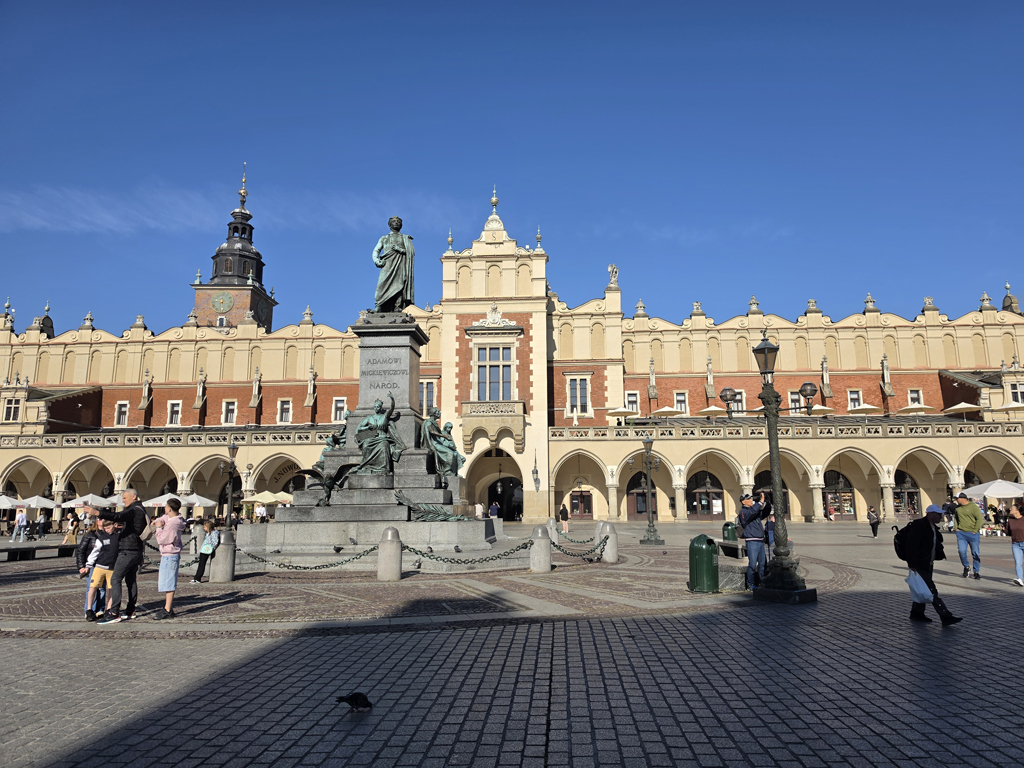
Krakow’s Museum of Contemporary Art stands on the site of Oskar Schindler’s enamel factory. Its exhibitions deal with memory, violence, and identity. Here, you cannot look at contemporary art without remembering what happened on this ground.
Good-bye Ladies and Gentlemen, Jerzy Kosalka (2004) in MOCAK
The National Museum in Warsaw: how Canaletto saved a city
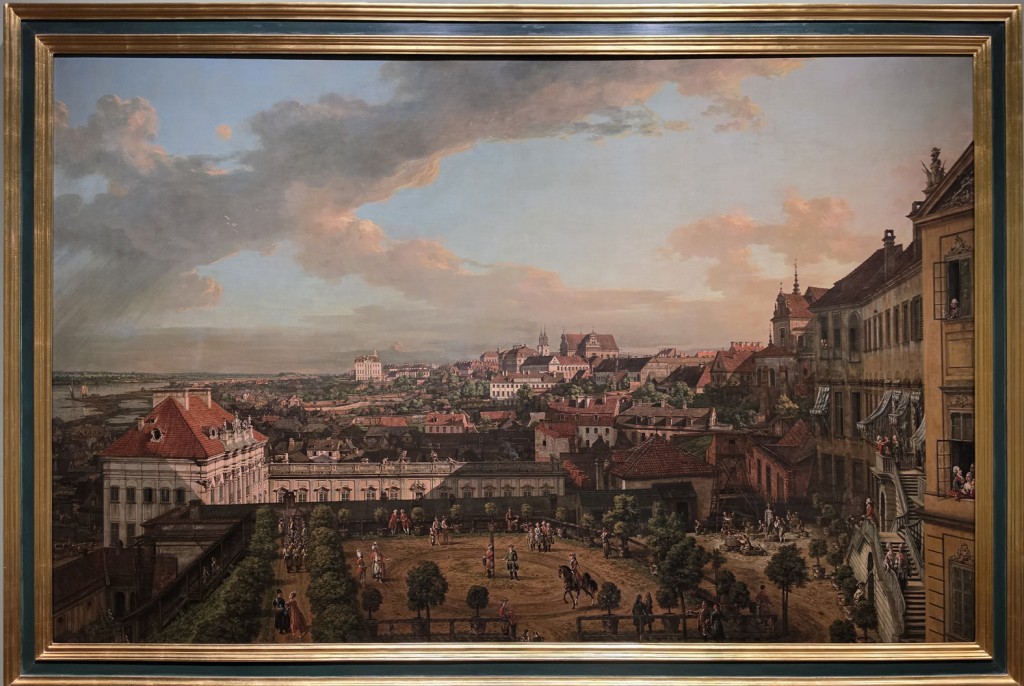
Founded in 1862, the museum holds some 830,000 objects. Its most extraordinary holdings are Bernardo Bellotto’s (Canaletto) city views of Warsaw, painted between 1770 and 1780. After the Nazis destroyed around 85 percent of the city, architects rebuilding the Old Town relied on Canaletto’s paintings as their blueprint. Without them, today’s Warsaw Old Town would not exist. The museum also houses Jan Matejko’s Battle of Grunwald (1878), depicting the 1410 Polish-Lithuanian victory over the Teutonic Knights – painted during the partitions as a defiant reminder of past glory.
View of Warsaw from the Terrace of the Royal Castle, Canaletto (1773) in the National Museum
Four museums, four kinds of memory
Krakow preserves treasures in exile. Katowice turns a coal mine into galleries. MOCAK asks hard questions on wounded ground. Warsaw used 18th-century paintings to rebuild a 20th-century city. Poland’s museums do not hide the scars. They keep asking what memory is for – and answer: memory itself is a form of rebuilding.
Poland’s creative pulse: film, jazz and the art of reinvention
Poland is rich in culture – home to Fryderyk Chopin and Arthur Rubinstein. Krakow, the former capital, is a UNESCO City of Literature and the city that shaped Joseph Conrad. But Poland’s creative strength runs deeper – through a film school that trained renowned directors and a jazz tradition that flourished under communism.
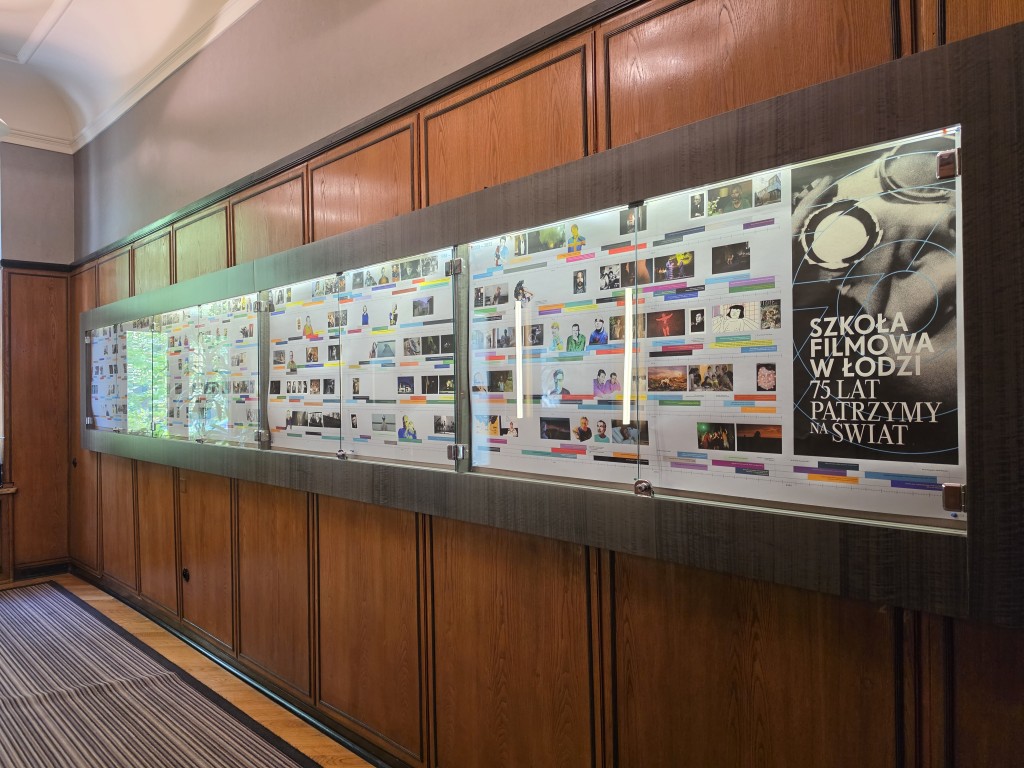
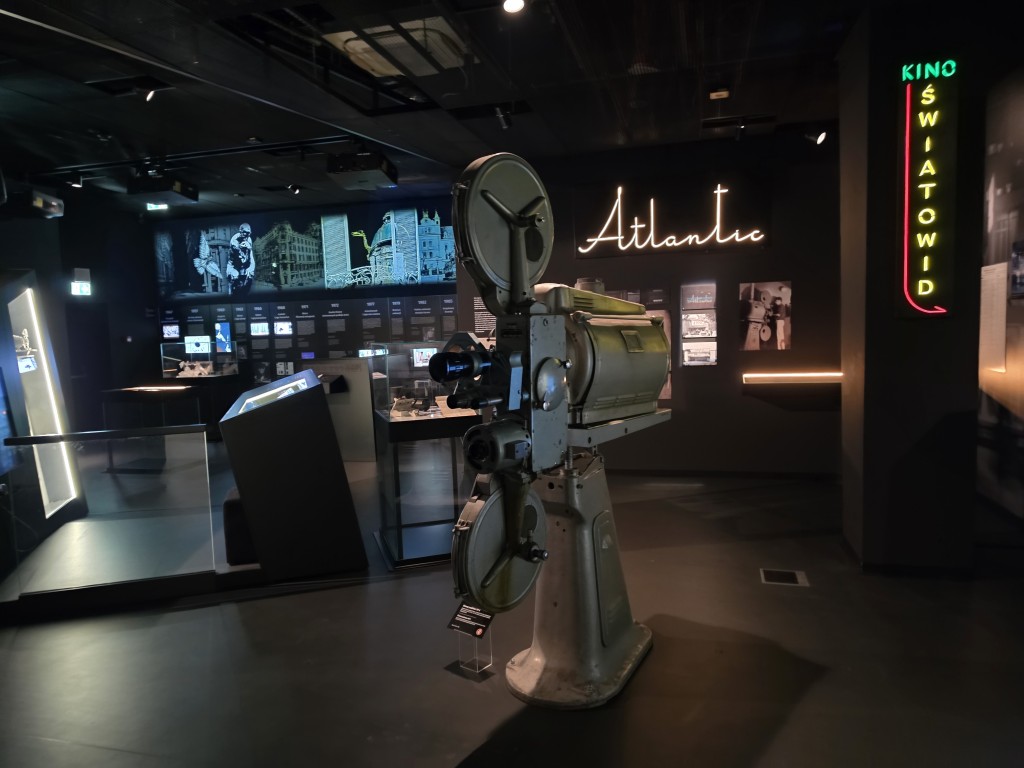
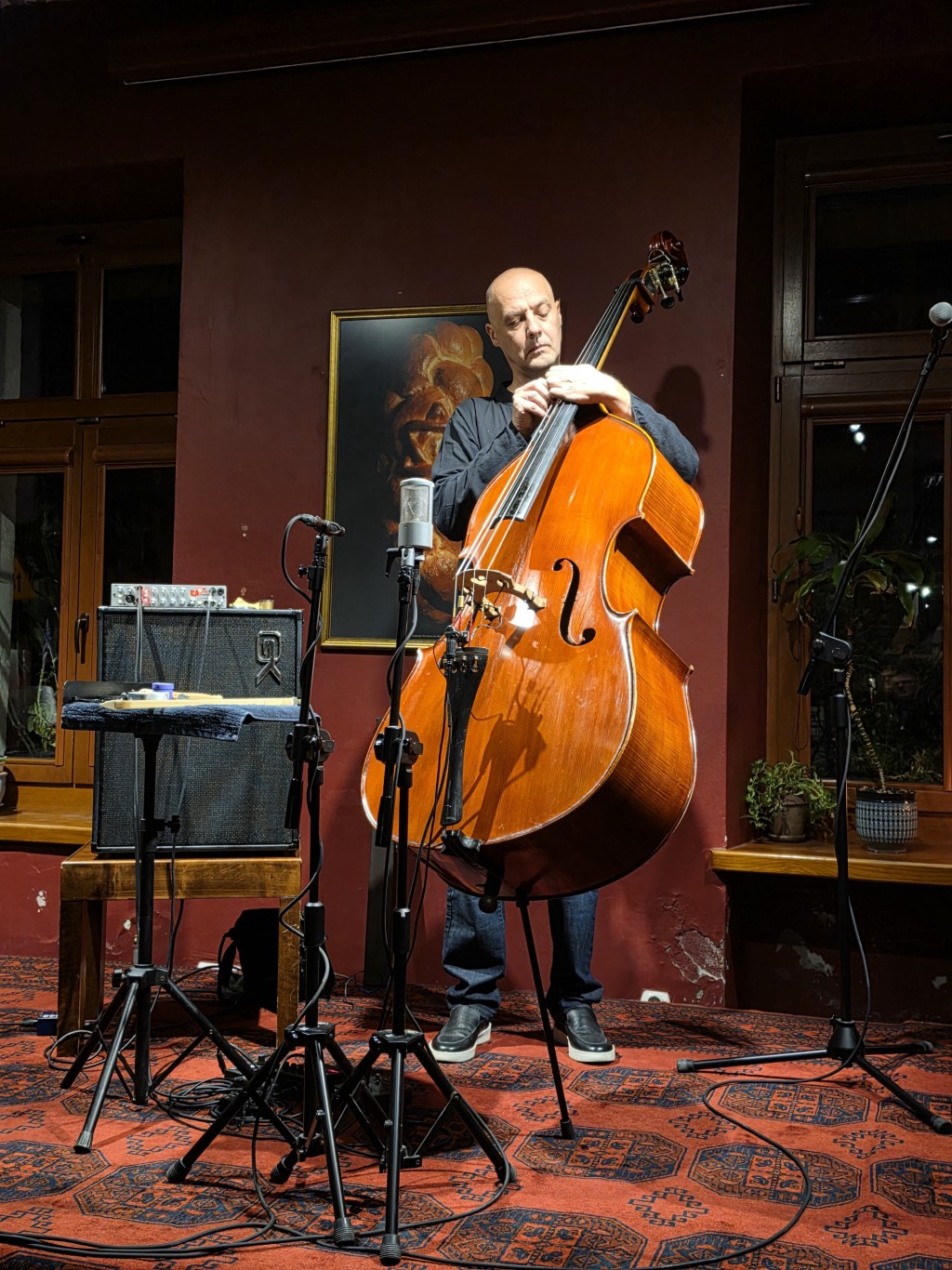
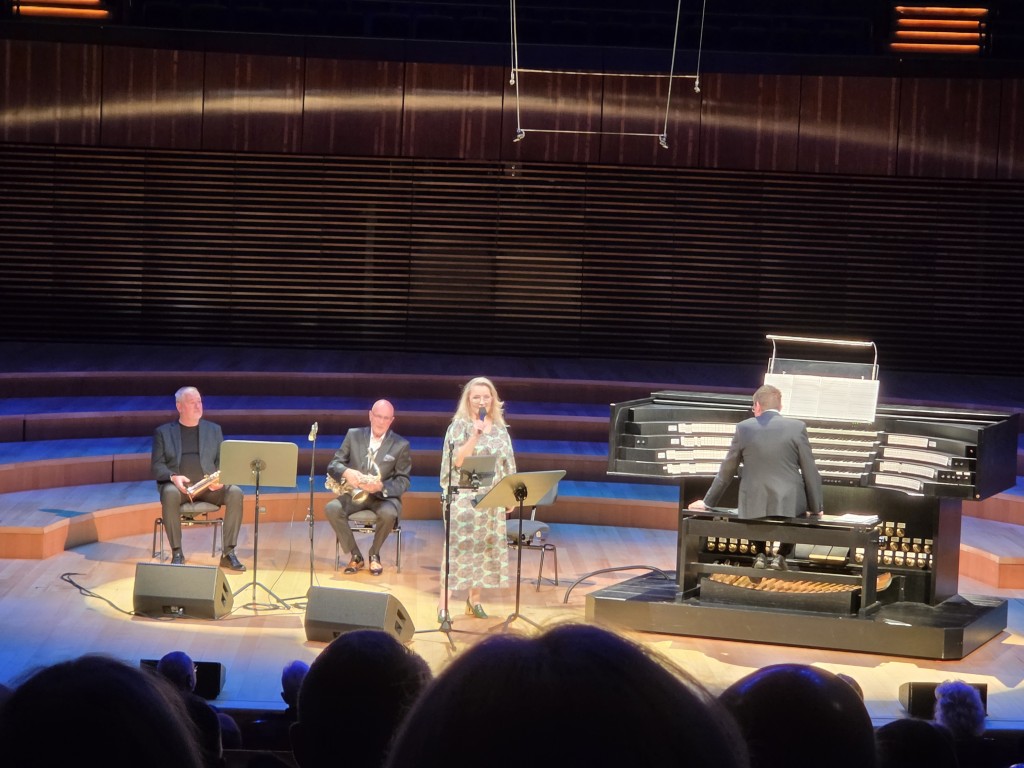
Milestone of the film school; film exhibition at EC1 in Lodz; Marcin Oles performs at a club in the Krakow Jewish Ghetto; NOSPR organ jazz fusion in Katowice.
Lodz: where Polish cinema was born
The Polish National Film School in Lodz was founded in 1948. Its early students included Andrzej Wajda, Roman Polanski, and Krzysztof Kieslowski. After 1956, it became a rare space of freedom: professors smuggled in banned Western films, and jazz found a home here too. Nearby, the EC1 complex – Lodz’s first power plant – now houses the National Centre for Film Culture, including the largest exhibition devoted to Polish cinematography anywhere.
Jazz: the music that refused to be silenced
After the war, communist authorities suppressed jazz. The late 1940s and early 1950s became the “catacomb period,” when jazz was played in private homes. Launched in 1958, the Warsaw Jazz Jamboree is one of Europe’s oldest jazz festivals. Double bassist Marcin Oles belongs to a later chapter of Polish jazz. Immersing himself in the performance, he has his own sound.
NOSPR: where orchestras meet jazz
In Katowice, the National Polish Radio Symphony Orchestra’s home, opened in 2014, is one of Europe’s finest concert halls – but NOSPR is not a temple of classical music alone.
Its organ-jazz fusion concert brings improvisational energy. Once synonymous with coal, Katowice is now a Unesco Creative City of Music.
A thread of reinvention
What connects the Lodz film school, the EC1 museum, and the concert halls of Katowice is a pattern running through Polish culture. Poland has been partitioned, occupied, flattened, and rebuilt. A power plant became a museum of cinema. A coal city became a city of music. It is the sound of a country that has learned, again and again, how to begin.