
Read More
ADVERTISEMENT
SCROLL TO CONTINUE WITH CONTENT
Clinically, osteoporosis patients are indeed mostly elderly people and postmenopausal women, but cases in middle age and even young people are not rare. In the past decade, more and more young people have been troubled by neck pain, back pain, and a hunched back, and many of these conditions are related to low bone density. Dr. Chan Yi-hang, a specialist in orthopaedics and traumatology, shares a case diagnosed at only 40: the patient worked in a clerical role, sat in an office for long periods, and was slim (BMI chronically below 18.5). He hardly exercised, ordered takeout year-round, took in little dairy and vegetables, and was used to drinking more than two cups of strong tea or coffee every day, and had long-term insomnia when stressed.
The patient had no history of trauma, yet experienced mild lower back pain without warning. After examination, he was diagnosed with severe bone loss and early osteoporosis, with a bone density T-score below -2.5, putting him in the high-risk group for fragility fractures. The main cause was not aging or genetic factors, but metabolic imbalance triggered by the accumulation of long-term poor lifestyle habits: prolonged sitting left bones lacking weight-bearing stimulation, insufficient calcium and vitamin D intake, excessive caffeine intake, and irregular routines hindered bone self-repair—a series of factors jointly accelerated bone loss.
For treatment, doctors will arrange medication according to the condition, including bisphosphonates, selective estrogen receptor modulators, and hormone replacement therapy, while also requiring weight-bearing exercise and sufficient calcium and vitamin D supplementation, attention to regular routines, and quitting excessive caffeine. For young patients at higher fracture risk, doctors may consider bone-forming drugs such as teriparatide to actively stimulate osteoblasts to produce new bone tissue.
Osteoporosis Is Not Untraceable - What Are the Warning Signs Before a Fracture Occurs?
Osteoporosis is called the "silent killer" because in the early stage it indeed lacks obvious symptoms such as redness, swelling, and severe pain, but it is not completely untraceable. Some patients may already have some subtle changes that are easily overlooked before a fracture occurs:
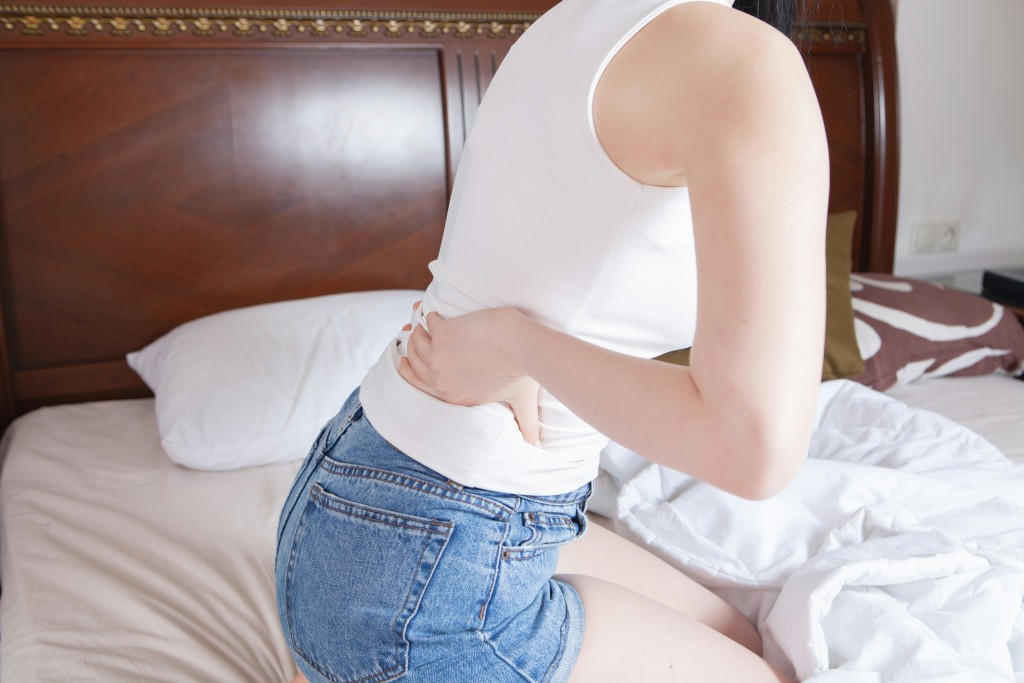
A common and easily overlooked early signal is unexplained persistent lower back pain—not severe pain, but a dull ache that appears after prolonged sitting or standing and is briefly relieved by rest. This is an early manifestation of decreased bone density and weakened support in the spine.
Another important warning sign is height loss. If height decreases by 1 to 2 cm within half a year to a year, great attention should be paid and a bone density test considered. Severe osteoporosis patients may develop a hunched back due to vertebral compression fractures, and may even affect cardiopulmonary and abdominal organ function. In addition, pain worsening at night or during weight-bearing activities, unexplained fatigue, and bone pain in a non-weight-bearing state (such as during sleep) may all be signals of bone loss.
Chan reminds that some people mistakenly regard the above symptoms as strain or joint degeneration, thereby delaying examination. When a slight bump, bending to lift an object, or even coughing triggers muscle and bone pain, it means bone loss is already severe and a fragility fracture may occur at any time.
3 High-Risk Groups Prone to Osteoporosis
Besides congenital genetics, chronic diseases such as hyperthyroidism and kidney disease, and factors such as long-term use of steroids and stomach medication, the following three groups of young people are also easily overlooked high-risk groups:
Lifestyle high-risk group (prolonged sitting and staying up late, unbalanced diet): Office workers and homebound people who sit still for long periods lack weight-bearing stimulation of the bones, and osteoblast activity continues to decline; those who often stay up late and are under great stress have endocrine disorders, and the bone's nighttime repair mechanism is hindered. At the same time, young people who prefer high-salt diets, diet for long periods, take in excessive coffee and strong tea every day, and have smoking and drinking habits lose calcium far faster than ordinary people.
Posture high-risk group (slim figure, low BMI): People who are thin and underweight (BMI below 18.5) need to be highly vigilant. Bones need moderate body weight load to maintain density; too light a weight leaves bones lacking stimulation for long periods, and bone mass accumulation is insufficient. If low bone mass already appears at a young age, it will rapidly worsen into osteoporosis after menopause and in middle age.
Occupational high-risk group (sedentary office work, shift work): People in clerical, design, finance, and other professions who sit in offices for long periods have relatively low daily activity; shift workers and night workers have chaotic routines that affect vitamin D synthesis and bone metabolism.
When Do Young People Need Bone Density Screening?
Generally, women aged 65 or above and men aged 70 or above should routinely undergo DXA bone density testing. But if the following high-risk factors are present, it is recommended to discuss with a doctor early whether testing should start at age 40 to 50, to detect bone changes in advance and seize the last golden opportunity to "build bone reserves":
-
Women who reached menopause before 45, or whose ovarian function declined prematurely due to surgery or chemotherapy;
-
Family history of osteoporosis or hip fracture;
-
BMI below 18.5, obviously slim figure;
-
Long-term use of steroids, thyroid medication, or antiepileptic drugs;
-
Chronic diseases such as hyperthyroidism, rheumatoid arthritis, and kidney disease;
-
Long-term smoking, drinking more than two cups of alcohol per day, very little exercise.
4 Major Methods to Slow Bone Loss - Is Walking Alone Not Enough?
To effectively slow bone loss, Chan suggests the following methods:
1. Supplement Vitamin D to Help Calcium Absorption
Calcium alone has a relatively low absorption rate; vitamin D is the key porter. It is recommended to sunbathe outdoors for 15 to 20 minutes a day outside of midday to promote the skin's synthesis of active vitamin D; pair daily with foods such as salmon, egg yolk, and shiitake mushrooms. Office workers who sit for long periods and get little sun can take supplements in appropriate amounts under a doctor's guidance.
2. Control Salt and Caffeine Intake to Reduce Calcium Loss
Pay attention to "calcium conservation" in daily life. When the human body takes in excessive sodium, it carries calcium out of the body in urine. It is recommended that daily salt intake not exceed 5 g, and eat less processed foods and pickled foods; at the same time, control caffeine intake to no more than one cup of coffee or strong tea per day, to avoid long-term stimulation of bone metabolism.
3. Strengthen Weight-Bearing and Muscle Strength Training to Activate Osteoblasts
Weight-bearing exercises such as walking, jogging, dancing, and climbing stairs can strengthen bones; it is recommended to do them 5 times a week for 30 minutes each time. But walking alone is not enough to effectively stimulate osteoblasts—muscle strength training is equally key: strong muscles can better protect bones, and resistance exercises such as squats and resistance band training can significantly improve the effect.
4. Strengthen Balance Training to Prevent Fractures from the Source
The biggest risk for people with low bone mass is falling. Balance exercises such as tai chi and single-leg standing can be added to daily life to improve body coordination and stability. Regardless of age, stable limb balance can greatly reduce the chance of accidental falls and is a key part of bone protection and fracture prevention.