Registered dietitian Audrey Tam once posted recommending 16 low-calorie salad dressings, including different flavors such as sesame dressing, mayonnaise, and yellow mustard. People trying to lose weight can refer to them.
-
Nissin Oillio Caesar Diet Salad Dressing: 31 kcal/tablespoon
-
Kewpie 0 Cholesterol Low-Added Mayonnaise: 29 kcal/tablespoon
-
Nissin Oillio Japanese-Style Diet Salad Dressing: 28 kcal/tablespoon
-
Kewpie Japanese-Style Salad Dressing: 25 kcal/tablespoon
-
MIZKAN Golden Sesame Dressing (Half Calories): 20 kcal/tablespoon
-
KRAFT Low-Calorie Miracle Whip: 20 kcal/tablespoon
-
Kikkoman Roasted Sesame Dressing: 19 kcal/tablespoon
-
Taylor's Italian Style Dark Balsamic Vinegar: 15 kcal/tablespoon
-
Kishu Yuzu Salad Dressing: 10 kcal/tablespoon
-
French's Classic Yellow Mustard: 10 kcal/tablespoon
-
Ajinomoto 65% Low-Calorie Rich Mayonnaise: 9 kcal/tablespoon
-
McCormick Yuzu Green Pepper Salad Dressing: 9 kcal/tablespoon
-
Kewpie Oil-Free Sesame Dressing: 6 kcal/tablespoon
-
Heinz Salad Vinegar: 5 kcal/tablespoon
-
Kewpie 0-Fat Low-Sugar Lemon Salad Dressing: 2 kcal/tablespoon
-
Bragg Organic Apple Cider Vinegar (with the Mother): 0 kcal/tablespoon
*About 15 ml per tablespoon
Sesame dressing, thick mayonnaise, yellow mustard, and Miracle Whip generally give the impression of being relatively high in calories. Among the above 16 salad dressings, Audrey recommends Kewpie Oil-Free Sesame Dressing (6 kcal/tablespoon), Ajinomoto 65% Low-Calorie Rich Mayonnaise (9 kcal/tablespoon), French's Classic Yellow Mustard (10 kcal/tablespoon), and KRAFT Low-Calorie Miracle Whip (20 kcal/tablespoon)—calculated per 1 tablespoon, none exceed 20 kcal. Among them, Bragg Organic Apple Cider Vinegar (with the Mother) is even 0 kcal, letting everyone enjoy good food even while losing weight.
Dietitian Teaches 7 Steps to Make Your Own Weight-Loss Salad
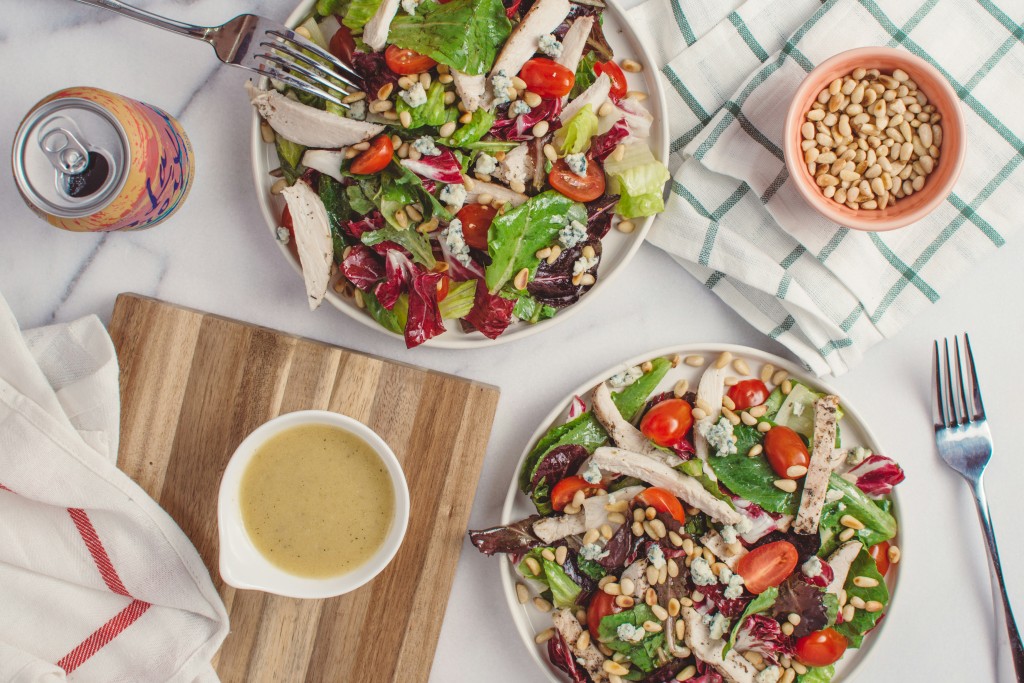
Audrey also teaches the "7-Step Universal Salad Formula" to easily make a delicious and nutritious salad.
Step 1: Add green vegetables
Examples: iceberg lettuce, romaine lettuce, kale, spinach
Step 2: Add other vegetables
Examples: bell peppers, cucumber, carrots, tomato, cherry tomatoes, mushrooms
Step 3: Add low-fat protein
Examples: eggs, chicken, roast beef, salmon, tuna, shrimp, tofu
Step 4: Add lower-fat cheese
Examples: cottage cheese, mozzarella cheese, Greek white soft cheese
Step 5: Add carbohydrates to help you feel full
Examples: small shell pasta, whole-wheat bread, potato, pumpkin, corn kernels, quinoa
Step 6: Add other toppings to increase texture
Examples: avocado, nuts, seeds
Step 7: Add 1–2 tablespoons of low-calorie salad dressing
Tip: Although the above salad dressings are relatively low in calories and fat, pay attention to sodium (salt) content and do not exceed the daily sodium intake limit of 2,000 mg.
Source: Registered dietitian Audrey Tam