
Read More



Jollibee founder buys Mid-Levels luxury flat for $160.75m
24-11-2026 20:48 HKT

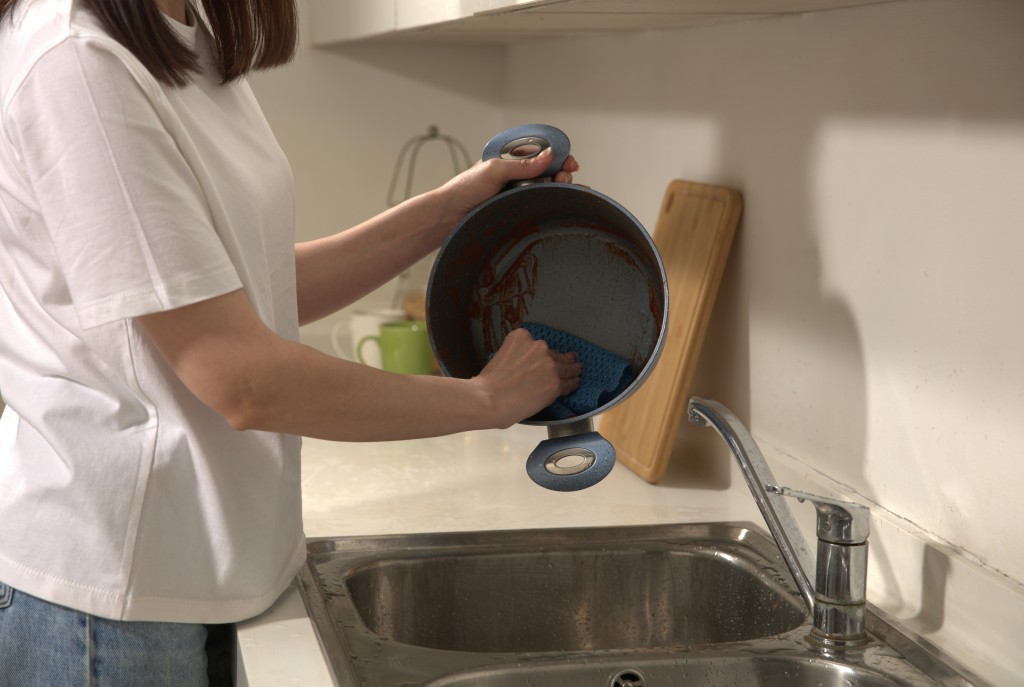
Microbiologist Trina McMahon points out that sponges come into contact with food residue, moisture, and grease every day, and their interior is full of holes, providing an ideal growth environment for bacteria. A kitchen sponge in use may harbor hundreds of types of bacteria, and every square centimeter may gather billions of microorganisms, easily becoming a "reservoir" for Salmonella, E. coli, and Staphylococcus aureus, greatly increasing the risk of cross-contamination. Experts recommend:
Replacement frequency: The NSF recommends that even if the sponge is cleaned regularly, it is best to replace it every two weeks; if odor, discoloration, a slimy feel, damage, or shedding appears, it should be discarded immediately even if less than two weeks have passed.
Microwave heating disinfection: Put a completely soaked sponge in the microwave for about 2 minutes to effectively reduce bacterial counts.
Boiling in water and soaking in bleach: The sponge can also be boiled in water for about 5 minutes, or soaked in diluted bleach and then rinsed clean with water. But research emphasizes that disinfection cannot completely replace regular replacement—bacteria will still rapidly multiply again with continued use.
Besides regular replacement, usual usage and storage habits are also key to preventing bacterial growth:
Rinse and squeeze dry after use: After each use, first rinse away food residue, squeeze out as much water as possible, and place in a ventilated place to air dry naturally, avoiding prolonged soaking in the sink or standing water.
Handle raw and cooked foods separately: If the sponge has come into contact with high-risk ingredients such as raw meat or raw fish, it is recommended to disinfect it immediately or prepare a dedicated sponge, avoiding mixing it with general tableware cleaning.
Discard immediately based on condition: It is difficult to accurately judge cleanliness by appearance or smell alone. As soon as the sponge begins to develop odor or the fibers are damaged, directly replacing it with a new one is the best way to maintain kitchen hygiene and food safety.
Daily dishwashing seems simple, but many habitual practices actually hide hygiene risks:
Dishcloths or sponges not replaced for long periods: Long-term use of the same dishcloth or sponge makes it a breeding ground for bacteria and mold, and microorganisms can enter the human body through tableware at any time. It is recommended to replace dishcloths at least once a month (the NSF recommends replacing frequently used sponges every two weeks), and cloths should be dedicated to specific uses.
Applying dishwashing liquid directly onto tableware: Direct application not only wastes water, but residual chemical components that are not thoroughly rinsed off and ingested may cause gastrointestinal discomfort such as diarrhea. It is recommended to wear gloves and first drop a few drops of dishwashing liquid into clean water, dilute it, then dip and wash, and finally rinse clean and air dry naturally.
Food residue not cleaned thoroughly: If residual food scraps are not thoroughly removed when washing dishes, long-term accumulation of trace toxins or pathogenic bacteria will increase the risk of chronic diseases and cancer.
Stacking bowls and plates directly after washing: Bacterial growth requires moisture and nutrients, and stacked standing water causes bacteria to multiply rapidly. Experiments show that after sterilized tableware was coated with sterile broth, the ventilated upright group had only 8,000 CFU/set of colony count after three days, while the stacked storage group had a colony count as high as 560,000 CFU/set—a 70-fold surge in bacteria! After washing, tableware should be placed in a ventilated place to dry, or wiped dry with clean paper towels.
Tableware not subjected to high-temperature disinfection for long periods: Long-term lack of disinfection makes tableware easily become a transmission medium for diseases such as acute gastroenteritis. It is recommended to regularly use boiling, steam, ultraviolet light, or a disinfection machine for high-temperature disinfection, and keep them stored dry.
The report points out that the kitchen is often the most easily overlooked hygiene blind spot at home. Many office workers want to be lazy after meals and store bowls and plates improperly or clean them incompletely, which very easily breeds bacteria and viruses, bringing short-term and long-term health effects.
Short-term effects:
Common pathogens such as pathogenic E. coli, Salmonella, norovirus, and rotavirus may cause acute gastroenteritis, leading to vomiting and diarrhea, and in severe cases dehydration and even shock, endangering life.
Long-term effects:
Long-term intake of mold may contain aflatoxin, a carcinogen, and studies have confirmed that aflatoxin is closely related to the occurrence of liver cancer, stomach cancer, and esophageal cancer.
Source: Trina McMahon