Eating clean every meal, avoiding oil and fatty meats, yet triglycerides are still flagged red? A nutritionist warns that falling into 4 hidden dietary traps can cause triglycerides to rise—even without eating much oil. The liver packages excess energy into triglycerides and sends them into the bloodstream. Even seemingly healthy fruit can be a culprit.
Nutritionist Tseng Chien-ming posted on Facebook that in his clinic, he often hears patients complain: "Nutritionist, I rarely eat fried food and don't touch fatty meat—why are my triglycerides still red?" He explains that high triglycerides (TG) aren't as simple as they seem. Think of the liver as an "energy processing plant." When the body takes in sugar, refined starches, alcohol, or simply more total calories than needed, the liver repackages that excess energy into triglycerides and ships it into the bloodstream. So even without consuming much dietary fat, triglyceride levels can still be elevated. He identifies these 4 common traps:
4 Dietary Traps That Spike Triglycerides
-
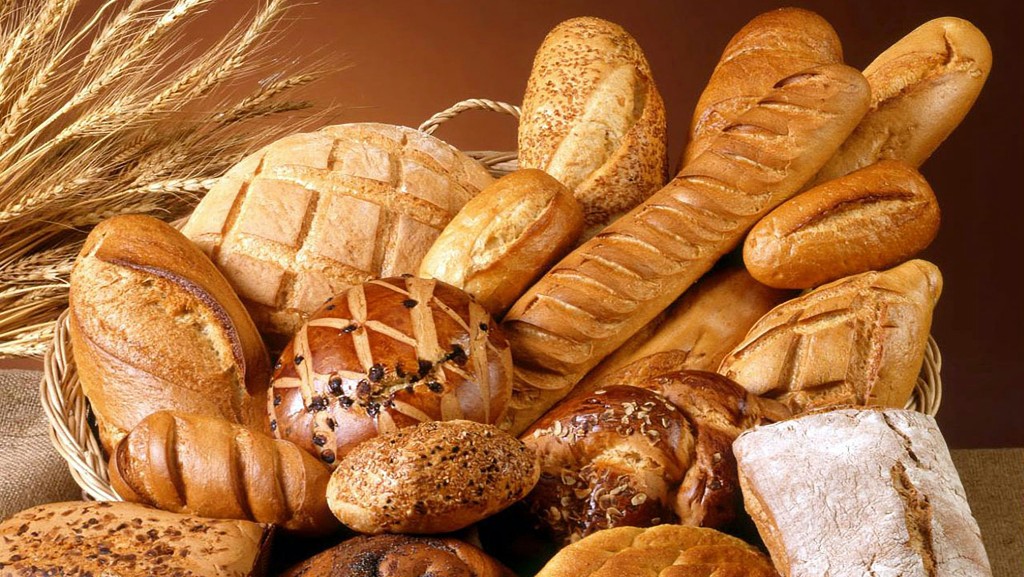
Eating lots of rice, noodles, and bread: Some people's diets seem light but include plenty of refined starches. No oil doesn't mean no impact on triglycerides.
-
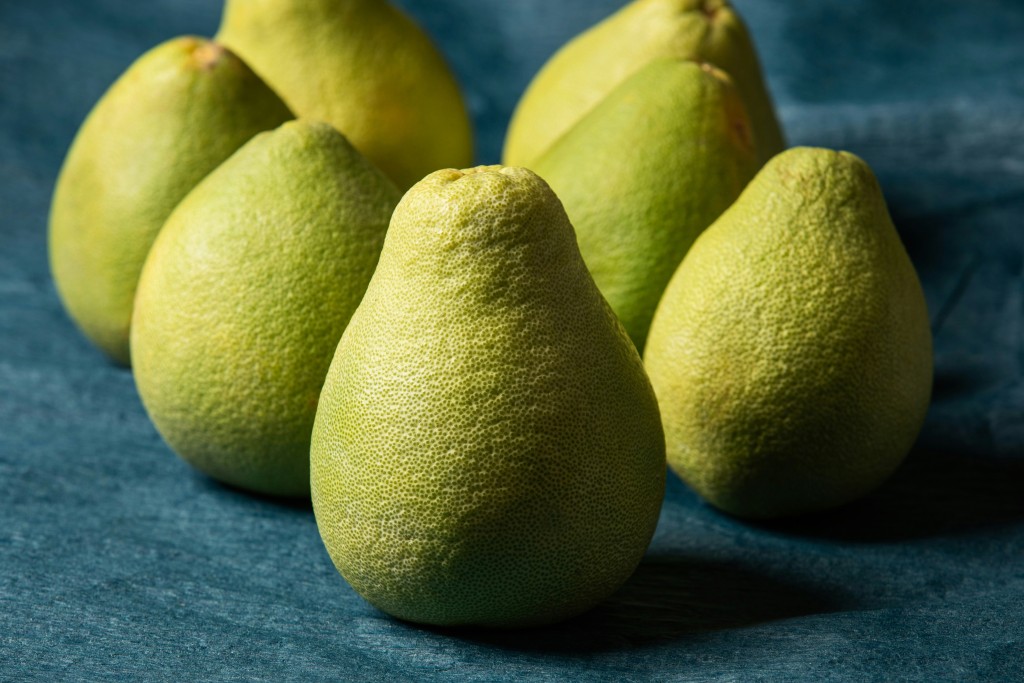
Cutting sugary drinks but eating too much fruit: Fruit is healthy but not unlimited. Excess intake still creates a burden.
-
Not drinking normally but binge-drinking at gatherings: Alcohol's impact on triglycerides is often more direct than imagined.
-
Not overweight but having fatty liver or insulin resistance: High triglycerides can be a warning that the body's energy-processing metabolism is already compromised. It's not only overweight people who need to pay attention.
Tseng notes that if your diet is already strictly controlled but your numbers remain high, don't just blame your diet. Also check: blood sugar control, thyroid function, medications you're taking, genetic constitution, weight changes, and whether you properly fasted before the blood test. So when facing high triglycerides, he doesn't just ask "are you eating too much oil?" but digs deeper into "where exactly are these extra triglycerides coming from?"
4 Key Priorities to Lower Triglycerides
If you're working on lowering triglycerides, Tseng recommends starting with these 4 key points:
-
Reduce sugary drinks, sweets, and large amounts of refined starches.
-
Minimize alcohol—avoid completely if triglycerides are severely elevated.
-
Don't eliminate starches entirely—control portions and switch to quality starches.
-
Combine with weight loss and regular exercise—especially for those with fatty liver or abdominal obesity.
Tseng reminds that high triglycerides aren't a report card saying "you eat too much oil." It's more like a signal from your body that "the energy you've been taking in recently is more than it can handle." Effective dietary adjustment isn't about avoiding everything—it's about identifying which metabolic step is causing the burden.
What Are Triglycerides? What's a Normal Level?
According to the Hong Kong Hospital Authority, triglycerides are synthesized from glycerol and fatty acids. Most of the body's fat tissue is composed of triglycerides. Dietary fatty acids are divided into:
Triglycerides are one of the main blood lipids used to calculate total blood cholesterol. High triglyceride levels can block arteries and hinder the normal function of HDL ("good") cholesterol, increasing cardiovascular disease risk. The ideal triglyceride level is below 1.7 mmol/L—and the lower, the better.
Source: Nutritionist Tseng Chien-ming, Hospital Authority (Hong Kong)