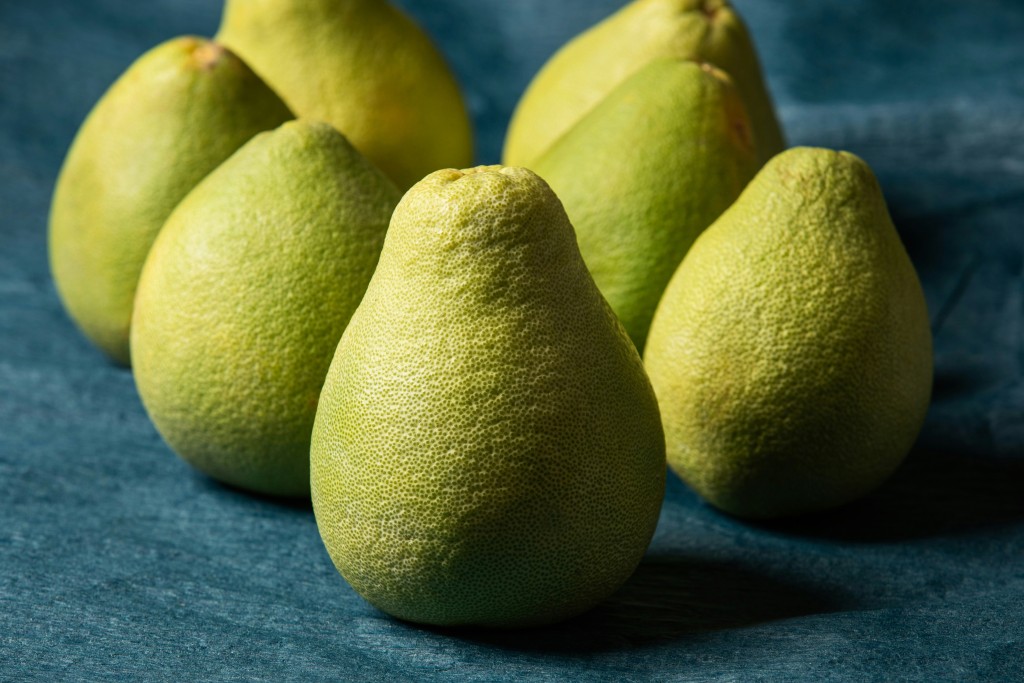
Pomelo is rich in nutrients, helping to reduce water retention and lower cholesterol. Dietitian Kao Min-min reminds that some people need to eat it with caution, and those taking medication must be especially careful, because pomelo interacts with many drugs and can cause breathing difficulties or seizures in severe cases.
Nutrition of Pomelo: Comparison of 3 Common Varieties
Ponkan pomelo, Shih Hsi honey pomelo, and white pomelo each have different nutritional strengths. Ponkan pomelo is higher in calories, dietary fiber, and carbohydrates; Shih Hsi honey pomelo tops the list in dietary fiber, vitamin C, and potassium; white pomelo is relatively lower in calories. Overall, all three are high-fiber, high-potassium fruits.
Recommended Serving Size
-
General ponkan pomelo: about 4 segments equals 100 g.
-
White pomelo, red pomelo, or honey pomelo: about 3 segments equals 100 g.
-
A rice bowl filled to 80% is about 60 kcal.
-
It is recommended not to eat more than 6 to 8 segments at a time.
Nutritional Benefits of Pomelo
-
Dietary fiber: Helps smooth bowel movements and increases satiety.
-
Natural pectin: Cleans the intestines and lowers cholesterol.
-
Vitamin C: Strengthens immunity, beautifies the skin, neutralizes free radicals, and reduces carcinogens from barbecue.
-
Vitamin B1, B2: Promotes metabolism.
-
Mineral potassium: Lowers blood pressure, prevents cardiovascular diseases, and reduces water retention.
Pomelo Contraindications: Interacts with 7 Types of Drugs
Pomelo is rich in nutrients, but portion size must be noted. People taking medication should especially avoid eating pomelo together with their medicine, to avoid affecting drug efficacy or triggering adverse reactions. Pomelo and grapefruit both contain furanocoumarins, which slow down drug breakdown. Avoid eating pomelo when taking the following drugs:
-
Immunosuppressants (such as cyclosporin): vomiting, abdominal pain, kidney toxicity, seizures.
-
Lipid-lowering drugs (statin): muscle aches, muscle lesions.
-
Blood pressure-lowering drugs (amlodipine, felodipine, etc.): headache, facial flushing, low blood pressure.
-
Antihistamines (astemizole, terfenadine): increased adverse cardiac reactions.
-
Anti-arrhythmic drugs (amiodarone): affects heart rate.
-
Anti-embolism drugs (cilostazol): increased drug concentration.
-
Anti-epileptic drugs (carbamazepine): increased blood concentration, prone to discomfort.
According to information from Taiwan's Drug Injury Relief Foundation, taking sedative-hypnotic drugs together with pomelo may also increase the risk of adverse reactions such as dizziness, drowsiness, and respiratory depression. If allergic symptoms such as rash, swollen lips, fever, sore throat, oral ulcers, or eye discomfort appear after taking medication, seek medical attention immediately. If in doubt, consult a doctor or pharmacist.
Pomelo Contraindications: 6 Groups of People Should Eat It with Caution
Who is at risk from eating pomelo? Dietitian Kao Min-min says 6 groups of people should eat it with caution:
-
Kidney disease patients: High potassium content; those with impaired kidney function have difficulty metabolizing it.
-
People with acid reflux: Stimulates gastric acid secretion, easily causing discomfort.
-
Diabetes patients: One pomelo is more than 3 servings of fruit, so portion size needs to be controlled to prevent blood sugar spikes.
-
People who easily have cold hands and feet: Pomelo is relatively cooling.
-
People with weak digestive tracts: Excessive intake easily causes diarrhea.
-
People taking medication: Pomelo contains furanocoumarins, which inhibit the metabolic enzyme CYP3A4, causing drug concentration to become too high.
Source: Dietitian Kao Min-min