Walking to the market every day counts as exercise? A doctor reveals the truth behind declining fitness in older adults—and shares an alternating fast-slow walking method that boosted knee joint strength by 17% in just 5 months.
Doctor Exposes the Truth Behind Declining Fitness in Seniors
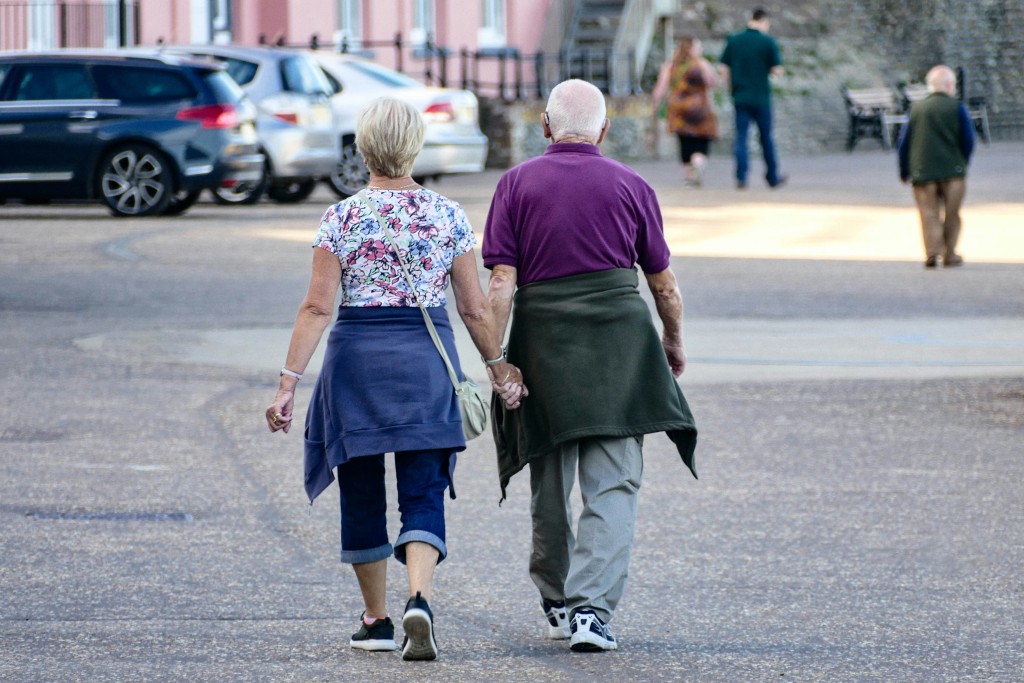
Rehabilitation physician Dr. Wang Szu-heng shared on Facebook a case of a woman in her late 60s who walked to the market every morning carrying shopping bags—about 10 minutes each way—stopping to chat with neighbours along the way. However, when her daughter invited her out for a meal recently, she began worrying and asked, "Is the parking spot far from the restaurant?" She even became tired and short of breath after walking a short distance, and her stair-climbing speed had declined noticeably.
When asked if she exercised regularly, the senior confidently replied, "I walk every day!" But after deeper investigation, the doctor found her daily route was fixed, short, and at a slow pace. Many seniors instinctively avoid longer walking distances for fear of fatigue and breathlessness, shrinking their daily activity radius. Only later do their children realize their parents' fitness has rapidly declined.
Wang explains that walking the same flat, familiar route at a slow pace while chatting is only basic daily activity—enough to barely maintain existing function. Only by deliberately increasing speed until breathing becomes faster and slightly laboured does walking challenge muscles and cardiopulmonary fitness, signalling the body to upgrade and strengthen.
Japanese Study: Alternating Fast-Slow Walking Boosts Knee Strength by 17% in 5 Months
How fast should you walk for it to be effective? Wang cites a large Japanese medical study tracking 246 middle-aged and older adults (average age 63), divided into three groups: no walking training, continuous moderate-speed walking, and alternating fast-slow walking training.
The alternating fast-slow group's training:
-
3 minutes of easy slow walking, then 3 minutes of brisk fast walking, repeating at least 5 sets, at least 4 days per week.
Researchers emphasised that "fast walking" here isn't just slightly speeding up a stroll—it's setting exercise intensity at over 70% of personal walking capacity. For most people, this means noticeably faster breathing and feeling somewhat breathless but still able to complain about the heat—slightly uncomfortable but tolerable.
After 5 months:
-
Knee extension strength increased by 13%
-
Knee flexion strength increased by 17%
-
Maximum aerobic walking capacity increased by 9%
-
Overall improvement significantly exceeded the continuous moderate-speed walking group
Wang notes another tracking study of 679 seniors (average age 65) confirmed that after 5 months of alternating fast-slow walking, estimated maximum aerobic capacity improved by an average of 14%.
Data particularly shows that fitness improvement depends mainly on accumulated weekly fast-walking time, not slow-walking time or total steps. When seniors accumulated about 50 minutes of fast walking per week, improvements were most significant. This strongly confirms that if you only stroll slowly without purpose, fitness benefits are greatly reduced.
Walking Starter Method: Use the Talk Test to Gauge Intensity
To improve seniors' fitness, Wang suggests trying this when accompanying parents out:
-
Walk at normal pace for 3 minutes, then switch to brisk walking for 3 minutes, alternating 5 times.
-
If stamina is insufficient initially, start with 1–2 sets and gradually increase.
-
During brisk walking, breathing should be slightly laboured and you should feel slightly tired—but still able to speak short sentences.
-
If you can only manage single words, you're walking too fast—slow down.
-
If you can easily hum or chat smoothly, you're walking too slowly.
Wang particularly reminds: if seniors experience chest tightness, palpitations, dizziness, or abnormal breathlessness during fast walking, stop immediately and rest. Those with cardiopulmonary disease, recent hospitalization, or significant mobility decline should consult a doctor for appropriate exercise intensity before starting fast-walking training.
Source: Rehabilitation Physician Dr. Wang Szu-heng