Read More





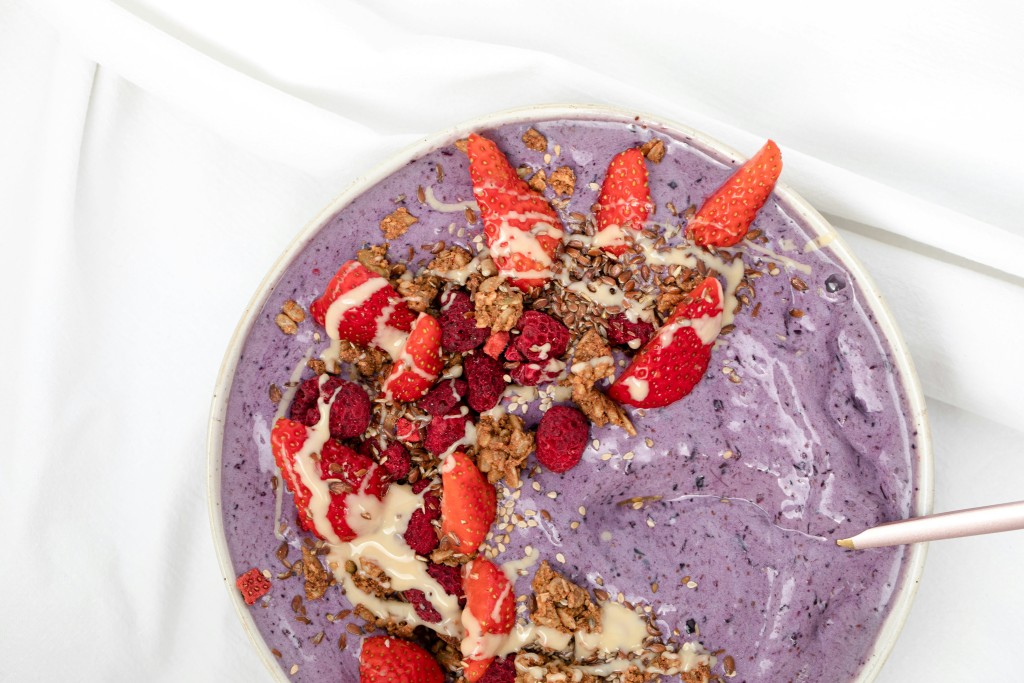
Are trendy acai bowls a healthy choice for weight loss? A nutritionist warns that acai berries contain nearly 20 times more fat than strawberries. Adding the wrong toppings can turn them into a high-fat bomb. So how can you enjoy them without falling into the weight-gain trap?
Nutritionist Lao Gu posted on Facebook that acai berries have become increasingly popular in recent years, even hailed as a "super berry." However, nutritionally, they are quite different from common berries like strawberries and blueberries. Typical berries are very low in fat—100g of strawberries or blueberries contain only about 0.3g of fat. But research shows that 100g of acai pulp contains about 5.9g of fat—significantly higher than common berries.
Why does acai have such high fat content? Lao Gu explains that many people don't realise acai is actually a fruit from the palm family, which gives it a unique fat profile. The fats in acai are mainly unsaturated fatty acids, with oleic acid (Omega-9) being the most prominent, accounting for about 56.2% of total fatty acids. Oleic acid is a monounsaturated fatty acid (MUFA) and is also the key beneficial fat found in olive oil. In addition, acai's deep purple colour comes from anthocyanins, polyphenols, and proanthocyanidins, which provide strong antioxidant and anti-ageing benefits—hence the hype.
Lao Gu cautions that while eating plain acai pulp can provide rich micronutrients, the popular Acai Bowl is a completely different story. To enhance flavour, commercial acai bowls often use sweetened fruit puree or jam as a base, topped with bananas, syrups, sweetened granola, peanut butter, and other high-calorie add-ons. A large bowl can easily exceed daily calorie and added sugar limits.
Acai is a fruit, but it is definitely not a typical low-fat berry. While it is "high in fat," that doesn't mean it's unhealthy. Next time you eat acai, be mindful of its fat content, portion size, frequency, and how it fits into your overall diet.
Fruit is nutritious, but both overeating and undereating can be harmful. The Hong Kong Department of Health recommends consuming at least 2 servings of fruit and 3 servings of vegetables daily for a balanced diet.
What Counts as One Serving of Fruit?
According to the Department of Health, one serving of fruit is approximately:
2 small fruits (e.g., plums, kiwis)
1 medium fruit (e.g., orange, apple)
½ large fruit (e.g., banana, grapefruit, starfruit)
½ bowl of fruit chunks (e.g., watermelon, cantaloupe, honeydew)
½ bowl of small fruits (e.g., grapes, lychees, cherries, strawberries)
1 tablespoon of dried fruit with no added sugar or salt (e.g., raisins, prunes)
Fruits provide essential vitamins and minerals, including vitamins A and C, folate, and potassium, helping prevent hypertension, cardiovascular disease, and certain cancers. They also contain dietary fibre, which aids digestion and prevents constipation.
6 Tips for Choosing and Eating Fruit:
Eat a variety of fruits of different colours to get diverse nutrients.
Fresh fruit is better than canned fruit, frozen fruit, dried fruit, and fruit juice.
Eat more orange and yellow fruits like oranges, papayas, and mangoes—they're rich in vitamins A and C.
Whole fruits are better than juice; juice has more sugar and less fibre.
Most fruits are low in fat, but avoid high-fat additions like fruit tarts, fruit ice cream, and cakes with cream.
Choose fruits without added sugar—avoid canned fruits in syrup, sweetened dried fruits, and concentrated juices.
Sources: Nutritionist Lao Gu, Hong Kong Department of Health