Steamed egg custard may seem simple, but achieving a silky, tofu-like texture with a smooth, bubble-free surface and rich egg flavour is an art. A master chef explains that every step—from choosing the eggs to water temperature and steaming technique—matters. With the right golden ratio, you can make restaurant-quality steamed egg custard at home.
Local chef Ricky Cheung shared his steamed egg custard secrets on his personal YouTube channel. He notes that the basic ingredients are simply eggs, water, and a little salt. He prefers eggs with deeper-coloured yolks for a brighter, more vibrant finish.
Ingredients for Steamed Egg Custard:
The key is the 1:2 ratio of egg to liquid—160g eggs to 320ml water, or simply one part egg liquid to two parts water or stock. Too little water makes the custard too firm; too much causes the egg and water to separate. Salt helps the egg set and makes it easier to beat. Using stock instead of water gives a richer egg flavour.
Steamed Egg Custard: The Secret to a Smooth, Bubble-Free Surface
Chef Ricky shares his tips for a smooth, bubble-free steamed egg custard:
-
When mixing the egg liquid, avoid pouring boiling water directly into the eggs. Carefully skim off any bubbles, or use a paper towel to absorb fine surface bubbles to prevent a honeycomb-like texture.
-
Over-steaming or using too high heat also causes air pockets, affecting the smooth texture.
3 Steaming Tips:
-
Water Temperature: Use warm water at about 40°C to help the centre cook evenly.
-
Steaming: Do not fully seal the lid; leave a small gap. Steam at around 90°C over low heat for about 12 to 15 minutes. You can check by gently shaking the bowl—when the centre barely trembles, it's done.
-
Finishing: After steaming, top with cooked oil, light soy sauce, and chopped spring onions for flavour. For a richer version, add minced meat, vermicelli, shrimp, or yellow croaker fillets before steaming for extra umami.
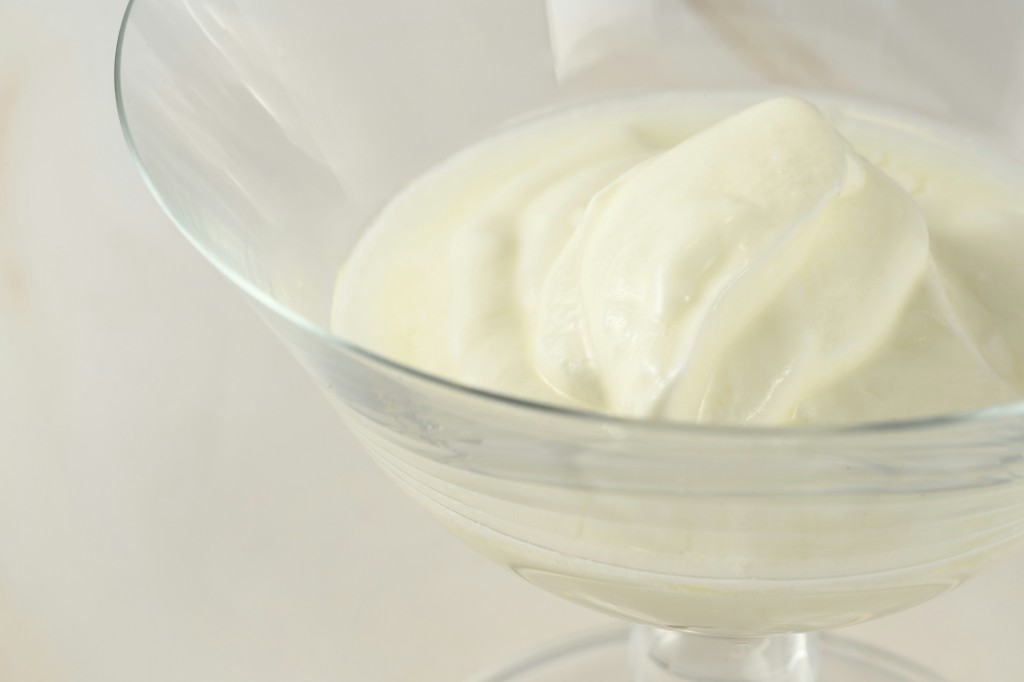
Chef Ricky says this method produces a steamed egg custard as silky as tofu pudding, with a strong egg flavour.
Japanese Chawanmushi: Stock and Milk for a Melt-in-the-Mouth Texture
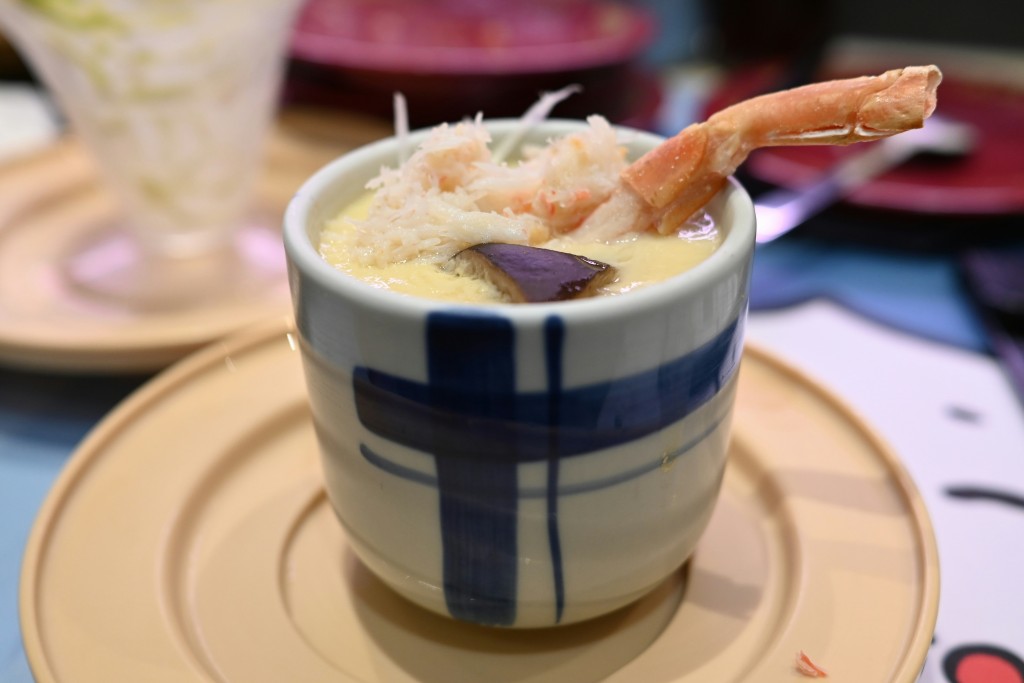
When it comes to steamed egg, chawanmushi deserves a mention. Many think it's the same as regular steamed egg, but the method and flavour are quite different. Taiwanese chef Aji Shi shared that the key to chawanmushi is using 3 eggs with about 50ml of fresh milk, plus a stock base (kombu or bonito). The total liquid should be about 1.5 to 2 times the egg volume. The milk proteins help the custard set more smoothly, adding a subtle milky aroma.
The egg mixture must be strained to remove bubbles and undissolved white for a smooth surface. Fillings can include shrimp, fish cake, chicken, and more. The quality of the stock is key. Steam gently for about 8 minutes over low heat. Aji Shi notes that chawanmushi has a higher liquid ratio, resulting in a delicate savoury broth—this is one of its defining characteristics. The stock is the soul of the dish, so kombu or bonito stock is recommended.
Nutritionist: Low in Calories, High in Satiety
Nutritionist Yang Si-han notes that steamed egg contains only about 64 kcal per 100g, with 4.5g of fat—seemingly very low. However, this is because it contains a large amount of water (egg-to-water ratio of 1:1.5 to 1:2), diluting the protein density.
Still, due to its high water content, strong satiety, and easy digestibility, it remains an excellent protein source for the elderly with poor teeth or those with weak digestive systems.
Sources: Ricky Cheung's Cooking Channel, Chef Aji Shi, Nutritionist Yang Sihan