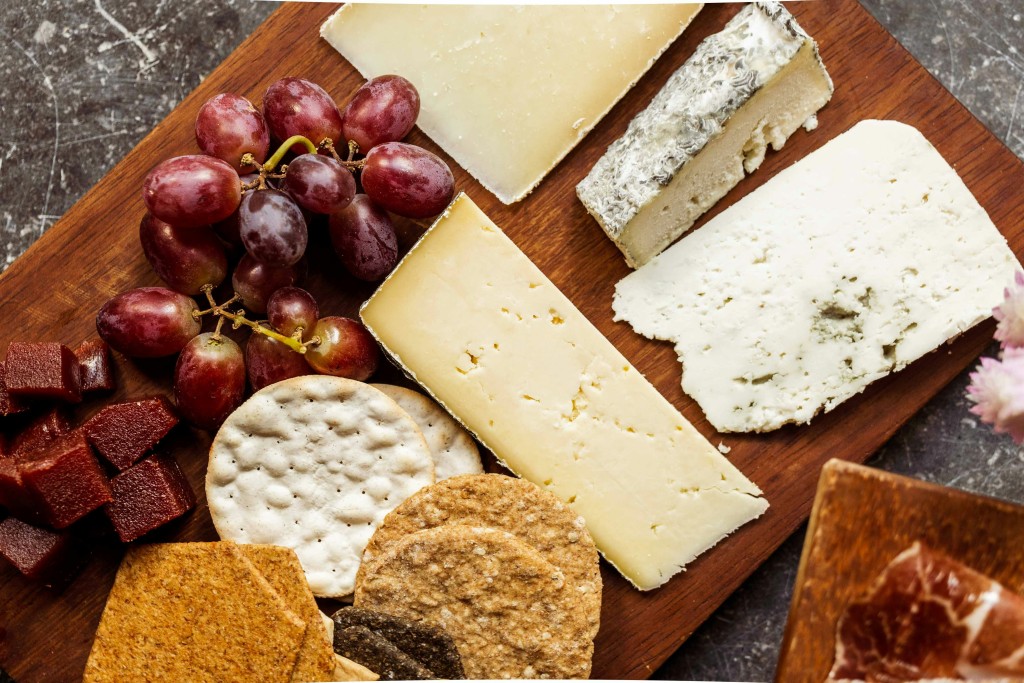
Many people worry that cheese is high in calories and fattening because it's made from whole milk. However, a nutritionist points out that fat and calories are not the only factors to consider when choosing cheese. This article analyses 7 common cheeses, revealing healthier options and highlighting high-salt, high-fat traps.
According to foreign media reports, UK nutritionist Rob Hobson advises that when choosing cheese, you shouldn't just look at calories and fat. You should also assess protein, sodium (salt), calcium, and overall nutritional benefits. Here are 7 common cheeses ranked by nutritional value (from lowest to highest):
1. Blue Cheese [Score: 2/5]
- High in Salt: Has the highest salt content of all cheeses—one serving provides 1/6 of the daily recommended intake (about twice that of cheddar, and over 5 times that of Swiss or mozzarella). Excessive intake can raise blood pressure and increase cardiovascular burden.
- Lower Satiety: Protein content provides less satiety than other cheeses, so you may feel hungry sooner.
- Lactose-Friendly: Most lactose is broken down during ageing, making it more suitable for those with lactose intolerance or sensitive digestion.
2. Cheddar Cheese [Score: 2/5]
- High in Fat: One of the highest-fat cheeses, with about 3 times the calories of cottage cheese. It should be eaten in moderation.
- Lower Protein and Calcium: Despite its rich flavour, it has relatively lower protein and calcium content.
3. Parmesan Cheese [Score: 4/5]
- Top Choice for Calcium: A hard, aged cheese with very low moisture content—one of the highest-calcium cheeses.
- High in Protein: 30g provides nearly 10g of protein, second only to Swiss cheese.
- Relatively High Salt: Be mindful of portion size when adding flavour to dishes.
4. Mozzarella [Score: 4/5]
- Low-Burden Choice: High in moisture; even the full-fat version has lower calories, saturated fat, and sodium than hard cheeses. (Double the portion still has fewer calories than half a serving of cheddar.)
- Excellent Nutritional Value: A small serving provides twice the protein and five times the calcium of milk—great nutritional efficiency.
5. Swiss Cheese [Score: 4/5]
- Rich in B12: One serving provides about 50% of the daily recommended vitamin B12 intake, supporting energy metabolism and red blood cell production.
- High Protein, High Satiety: Extremely high protein content (comparable to a large handful of nuts), keeping you fuller for longer than most cheeses.
6. Cottage Cheese [Score: 5/5]
- Lower Calorie: Unpressed and often made with low-fat milk; high moisture content and very low in calories. About 100 calories provide protein equivalent to 2 eggs—great for satiety.
- Choose Plain: Avoid fruit-flavoured versions with added pineapple or sugar, which can lead to weight gain and tooth decay.
7. Low-Fat Cheese [Score: Not Rated]
- Lower Calories Without Losing Quality: Significantly lower in calories and fat, but still high in protein.
- Comparable Calcium: In most cases, calcium content is similar to full-fat versions—making it a great choice during fat-loss phases.
Source: Compiled from foreign media reports